
CERTIFICATE IN CLINICAL CARDIOLOGY
Strengthen your expertise in cardiovascular medicine with the Certificate in Clinical Cardiology at Medical Global Academy (MGA). Designed for medical professionals, this clinically focused certificate program helps you build practical knowledge in diagnosing, evaluating, and managing common cardiovascular diseases. Through evidence-based learning, structured clinical exposure, expert faculty guidance, LMS access, CPD certification, and real-world case discussions, participants develop the confidence to make informed clinical decisions and deliver high-quality cardiac care in everyday practice.
Batch starts on
Jan to Dec/ May to June
Course Duration
12 Months
Multimodal Program
Hybrid Mode & Clinical Attachment
Flexible payment
financing options available
Certificate in Clinical Cardiology Programme Overview
Cardiovascular diseases remain one of the leading causes of illness and mortality worldwide, making early diagnosis and timely management essential for improving patient outcomes. Whether working in primary care, emergency medicine, or hospital practice, doctors frequently encounter patients with hypertension, chest pain, heart failure, arrhythmias, and other cardiovascular conditions that require accurate clinical assessment and evidence-based management.
The Certificate in Clinical Cardiology at Medical Global Academy (MGA) is designed to help medical professionals strengthen their clinical understanding of cardiovascular medicine through a structured and practical learning approach. The program provides a strong foundation in the diagnosis, evaluation, treatment, and prevention of common cardiac disorders while improving clinical confidence in everyday patient care.
The curriculum covers coronary artery disease, hypertension, heart failure, arrhythmias, valvular heart disease, preventive cardiology, cardiovascular emergencies, and current treatment guidelines. Participants also develop knowledge of ECG interpretation, echocardiography principles, cardiac imaging, cardiac biomarkers, and cardiovascular risk assessment, enabling them to make more informed clinical decisions across a wide range of healthcare settings.
Beyond understanding cardiovascular diseases, the program emphasizes patient-centered care, evidence-based treatment planning, and effective clinical decision-making. Participants also benefit from LMS-based learning, CPD certification, and expert faculty guidance, helping them stay updated with the latest developments in Clinical Cardiology while advancing their professional practice.
Clinical Skills You’ll Develop in the Certificate in Clinical Cardiology
Throughout the program, participants will strengthen their expertise in:
- Clinical evaluation and diagnosis of common cardiovascular diseases.
- Interpretation of ECGs and understanding the fundamentals of echocardiography.
- Assessment and management of hypertension, coronary artery disease, heart failure, and arrhythmias.
- Cardiovascular risk assessment and preventive cardiology principles.
- Recognition and management of acute cardiac emergencies.
- Interpretation of cardiac biomarkers and essential cardiac investigations.
- Evidence-based treatment planning using current cardiology guidelines.
- Patient counselling, lifestyle modification, and long-term cardiovascular care.
- Clinical reasoning and decision-making through case-based learning.
- Ethical, patient-centered cardiovascular practice.
Career Opportunities After the Certificate in Clinical Cardiology
The growing burden of cardiovascular disease has increased the demand for healthcare professionals with updated knowledge in Clinical Cardiology. Completing the Certificate in Clinical Cardiology helps strengthen your clinical profile while improving your ability to manage cardiac patients across various healthcare settings.
After completing the program, participants may explore opportunities in:
- Cardiology departments of hospitals.
- Cardiac Care Units (CCUs).
- Emergency and acute care departments.
- Preventive cardiology and rehabilitation clinics.
- Diagnostic and cardiac imaging centers.
- Primary healthcare and family medicine practice.
- Clinical research and cardiovascular healthcare programs.
- Medical education and continuing professional development.
Whether you are looking to strengthen your existing practice, enhance your cardiology knowledge after MBBS, or build a strong foundation before pursuing advanced cardiology training, this certificate program provides the practical knowledge and clinical confidence required to deliver better cardiovascular care.
Why Choose Medical Global Academy for a Certificate in Clinical Cardiology?
Building confidence in cardiology requires more than understanding theory—it requires learning how to assess cardiac patients, interpret investigations accurately, and make evidence-based treatment decisions in real clinical practice.
The Certificate in Clinical Cardiology at Medical Global Academy (MGA) is designed to help doctors strengthen these essential competencies through structured learning and clinically relevant education that can be applied immediately in patient care.
What Makes Medical Global Academy Different?
- Evidence-based curriculum aligned with current cardiology guidelines.
- Expert faculty guidance from experienced clinicians.
- Structured case-based learning focused on real clinical scenarios.
- LMS access with recorded lectures and updated learning materials.
- CPD certification supporting continuous medical education.
- Practical approach to cardiovascular diagnosis, treatment planning, and patient management.
- Strong focus on improving clinical confidence and patient outcomes.
Whether you are managing cardiac patients in primary care, emergency medicine, or hospital practice, Medical Global Academy provides the knowledge, academic support, and clinical perspective needed to enhance your expertise in Clinical Cardiology.
What you'll learn
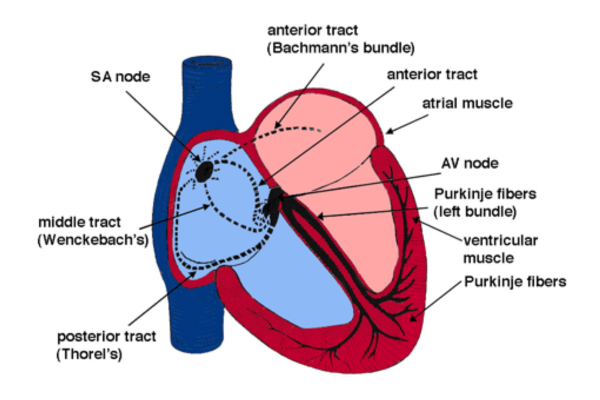
Fundamentals of Cardiac Anatomy and Physiology

Diagnostic Tools and Techniques in Cardiology

Common Cardiovascular Disorders
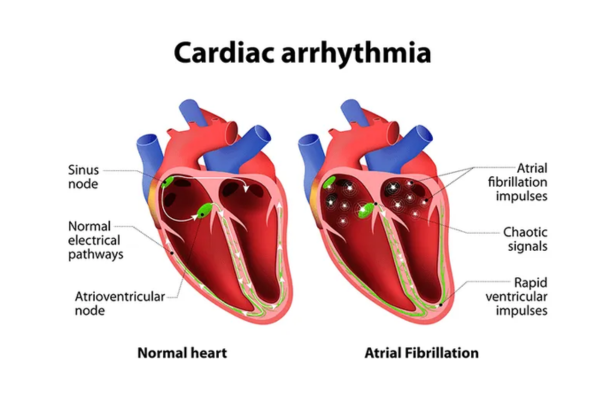
Arrhythmias and Their Management

Preventive Cardiology and Risk Management

Pharmacotherapy in Cardiology
Key Features
1. Attending /Non-Attending Classes
2. Clinical Training in Nearest Hospital/Clinics.
3. Free Study Material with recorded lectures
4. Best Faculties (Super Specialists) of India
5. Library Access & Question & Answer Session
6. NAAC A+ University
7. 1 Year of Mentorship
8. Updated Curriculum
Course Curriculum
- Basic cardiovascular anatomy and physiology
- Overview of cardiovascular diseases (CVD)
- Epidemiology and global burden of cardiovascular disease
- Pathophysiology of common cardiovascular conditions
- Understanding the cardiovascular examination
- Electrocardiogram (ECG) interpretation: Basic to advanced
- Echocardiography (Transthoracic and Transesophageal)
- Stress Testing (Exercise and Pharmacological)
- Cardiac biomarkers and laboratory tests
- Imaging techniques: CT angiography, MRI, nuclear imaging
- Ambulatory blood pressure monitoring and Holter monitoring
- Atherosclerosis and plaque formation
- Risk factors for CAD
- Clinical presentation: Stable vs. unstable angina
- Diagnostic workup for CAD (ECG, imaging, biomarkers)
- Medical management of CAD (antiplatelet therapy, statins, ACE inhibitors)
- Interventional cardiology: PCI, stenting, angioplasty
- Surgical management: CABG (Coronary Artery Bypass Grafting)
- Recent advancements in CAD management (e.g., drug-eluting stents, gene therapy)
- Classification of heart failure (HFrEF, HFpEF, and HFmrEF)
- Causes of heart failure: Ischemic vs. non-ischemic
- Symptoms and clinical presentation
- Diagnostic approaches: Imaging, biomarkers, and clinical criteria
- Pharmacological treatment: Diuretics, ACE inhibitors, ARBs, beta-blockers, MRAs
- Devices in heart failure management: ICDs, CRTs, LVADs
- Advanced heart failure and transplantation
- Emerging therapies: SGLT2 inhibitors, gene therapy, regenerative medicine
- Normal cardiac conduction and electrophysiology
- Common arrhythmias: Atrial fibrillation, ventricular tachycardia, supraventricular tachycardia
- ECG interpretation for arrhythmias
- Pharmacological management of arrhythmias (antiarrhythmic drugs, anticoagulation)
- Role of electrophysiology studies (EPS) and catheter ablation
- Implantable devices: Pacemakers, ICDs
- Advances in arrhythmia management: AI in diagnostics, catheter ablation techniques
- Common valvular disorders: Aortic stenosis, mitral regurgitation, mitral stenosis, tricuspid and pulmonic valve diseases
- Clinical presentation and diagnosis
- Echocardiography in the assessment of valve function
- Medical management vs. surgical management of valve diseases
- Valve replacement techniques: Mechanical vs. biological valves
- Transcatheter aortic valve implantation (TAVI/TAVR)
- Pathophysiology of hypertension and its complications
- Diagnosis and staging of hypertension
- Blood pressure management guidelines (2025 updates)
- Lifestyle interventions: Diet, exercise, stress management
- Pharmacologic therapies: Antihypertensives, diuretics, beta-blockers, ACE inhibitors
- Managing comorbidities (diabetes, dyslipidemia)
- Cardiovascular risk stratification and prevention strategies
- Role of genetic and molecular markers in predicting cardiovascular risk
- Pediatric congenital heart disease (CHD): Diagnosis and management
- Arrhythmias and heart failure in pediatric populations
- Aging and the cardiovascular system: Pathophysiology and clinical changes
- Cardiovascular disease in older adults: Frailty, multimorbidity
- Management of cardiovascular disease in geriatric patients
- Multidisciplinary approach to care in the elderly
- Advanced echocardiography techniques: Strain imaging, 3D echocardiography
- Cardiac MRI: Indications, techniques, and interpretation
- Coronary CT angiography (CTA): Protocols, interpretation, and clinical applications
- Radionuclide imaging in cardiology: PET, SPECT, and myocardial perfusion imaging
- Role of cardiac imaging in valvular heart disease, congenital heart disease, and ischemic heart disease
- Artificial intelligence and machine learning in cardiac imaging
- Emerging imaging modalities: Optical coherence tomography (OCT), photoacoustic imaging
- Principles of cardiovascular pharmacology
- Antihypertensive agents: ACE inhibitors, ARBs, calcium channel blockers, diuretics
- Antithrombotic therapy: Antiplatelet agents, anticoagulants, thrombolytics
- Lipid-lowering agents: Statins, ezetimibe, PCSK9 inhibitors
- Heart failure drugs: Beta-blockers, angiotensin receptor-neprilysin inhibitors (ARNIs), SGLT2 inhibitors
- Novel therapies in cardiovascular pharmacology: Gene therapy, monoclonal antibodies
- Pharmacogenomics in cardiology
- Adverse drug reactions and drug-drug interactions in cardiology
- Physiologic changes in pregnancy and their effects on the cardiovascular system
- Hypertensive disorders in pregnancy: Pre-eclampsia, eclampsia, and gestational hypertension
- Congenital heart disease in pregnancy: Management and risks
- Peripartum cardiomyopathy: Pathophysiology, diagnosis, and management
- Anticoagulation in pregnancy: Risk-benefit considerations
- Delivery planning for women with cardiovascular disease
- Multidisciplinary care for pregnant women with heart disease
- Physiological adaptations in athletes’ hearts
- Screening for cardiovascular disease in athletes (pre-participation exams)
- Hypertrophic cardiomyopathy and its implications in sports
- Arrhythmias in athletes: Benign vs. dangerous
- Sudden cardiac death in athletes: Prevention and management strategies
- Cardiovascular care for athletes with congenital heart disease or a history of heart disease
- Exercise prescription and cardiovascular training in athletes
- The role of cardiac imaging and stress testing in sports cardiology
Our Accrediation Partners



Fill Form Our Team Will Contact Soon
Choose medicalglobalacademy as your trusted partner for medical education and elevate your expertise to new heights.
Frequently Asked Questions
To apply, visit the course page of your interest and click on the ‘Apply Now’ button. Follow the instructions to complete your application. You may need to submit relevant documents and a resume.
Yes, all our courses are accredited by recognized medical and educational institutions. Details of accreditation can be found on each course page.
Yes, we offer a variety of online courses to provide flexibility for our students. Check the course descriptions for information on whether a course is available online.
You can contact our support team via email at support@medicalglobalacademy.com or call us at [+919310027474]. Our support team is available Monday to Friday from 9 AM to 6 PM.
Which Post-MBBS Course Format Is Right for You?
Answer three quick questions and we'll match you to the format that fits your goals — Certificate, PG Diploma, or Fellowship.