
FELLOWSHIP IN COSMETIC SURGERY
Take the next step in your surgical career with our Fellowship in Cosmetic Surgery. This advanced fellowship is designed for medical professionals who want to specialize in aesthetic and cosmetic procedures through expert-led training, practical clinical experience, and evidence-based learning. Develop proficiency in modern cosmetic surgery techniques, refine your surgical expertise, and prepare to meet the growing demand for qualified cosmetic surgeons.
Batch starts on
Jan to Dec/ May to June
Course Duration
12 Months
Multimodal Program
Hybrid Mode & Clinical Attachment
Flexible payment
financing options available
Fellowship in Cosmetic Surgery
The Fellowship in Cosmetic Surgery at Medical Global Academy (MGA) is an advanced, clinically focused training program designed for medical professionals who want to build expertise in aesthetic and cosmetic surgery. The fellowship combines evidence-based theoretical learning with supervised clinical exposure, enabling participants to develop the technical precision, aesthetic judgment, and patient-centered approach required for successful cosmetic practice.
Unlike short-term workshops that focus on individual procedures, this fellowship provides a comprehensive understanding of cosmetic surgery—from patient assessment and treatment planning to surgical execution and postoperative care. Through expert mentorship, case-based discussions, and hands-on clinical training, participants gain the confidence to perform cosmetic procedures safely while delivering natural, balanced, and personalized aesthetic outcomes.
Whether your goal is to establish a successful aesthetic practice or expand your surgical expertise, this fellowship equips you with the knowledge and practical skills needed to excel in the rapidly growing field of cosmetic surgery.
What You’ll Learn During the Fellowship
The curriculum is designed to provide a balanced combination of surgical techniques, aesthetic principles, and clinical decision-making. Throughout the program, participants receive structured training in evaluating patients, selecting appropriate treatment plans, performing procedures, and managing postoperative recovery.
Core Areas of Training Include:
- Facial aesthetic procedures, including rhinoplasty, facelift surgery, and blepharoplasty.
- Breast surgery, including augmentation, reduction, and reconstructive techniques.
- Body contouring procedures such as liposuction and abdominoplasty (tummy tuck).
- Non-surgical aesthetic treatments, including dermal fillers, botulinum toxin injections, platelet-rich plasma (PRP), and laser-based procedures.
- Patient consultation, facial and body aesthetic assessment, and individualized treatment planning.
- Surgical safety, complication prevention, postoperative care, and long-term patient follow-up.
- Integrating surgical and minimally invasive aesthetic procedures to achieve optimal cosmetic outcomes.
By the end of the fellowship, participants develop the ability to evaluate patients comprehensively, formulate individualized treatment strategies, and perform cosmetic procedures with confidence, precision, and aesthetic excellence.
Develop Skills That Go Beyond Surgical Techniques
Successful cosmetic surgery requires much more than technical expertise. It demands an understanding of facial harmony, body proportions, patient psychology, and realistic treatment planning.
This fellowship helps you develop a systematic approach to cosmetic practice by strengthening your ability to:
- Conduct comprehensive patient evaluations.
- Understand patient expectations and aesthetic goals.
- Create personalized treatment plans.
- Select the most appropriate surgical and non-surgical interventions.
- Improve surgical precision and aesthetic outcomes.
- Minimize complications through evidence-based clinical decision-making.
- Deliver safe, ethical, and patient-focused cosmetic care.
Rather than following a standardized approach for every patient, you learn to tailor each treatment plan according to individual anatomy, expectations, and desired outcomes.
How This Fellowship Enhances Your Clinical Practice
As you begin applying advanced cosmetic surgery principles in clinical practice, your approach becomes more structured, predictable, and outcome-driven. You gain the confidence to manage complex aesthetic cases while maintaining high standards of patient safety and surgical excellence.
This transformation is reflected through:
- Improved patient selection and preoperative planning.
- Enhanced surgical accuracy and attention to symmetry, proportion, and natural aesthetics.
- Better integration of surgical and non-surgical cosmetic treatments.
- Reduced complications through careful planning and evidence-based techniques.
- Higher patient satisfaction, stronger clinical outcomes, and increased professional credibility.
Over time, these skills help you transition from performing procedures to becoming a trusted cosmetic surgery specialist capable of delivering consistently high-quality aesthetic results.
Career Opportunities After the Fellowship
The demand for qualified cosmetic surgery professionals continues to grow as patients increasingly seek advanced aesthetic and reconstructive treatments. Completing the Fellowship in Cosmetic Surgery prepares you to pursue rewarding career opportunities across both clinical and private practice settings.
After completing the program, you may explore opportunities in:
- Cosmetic and aesthetic surgery centers.
- Multi-specialty hospitals.
- Plastic and reconstructive surgery departments.
- Private cosmetic surgery practice.
- Medical aesthetic and wellness clinics.
- Hair restoration and facial aesthetic centers.
- Collaborative practice with dermatologists and aesthetic medicine specialists.
- Clinical education, workshops, and professional training programs.
The fellowship strengthens your clinical expertise while positioning you for long-term career growth in one of the fastest-evolving specialties in modern healthcare.
Why Choose Medical Global Academy for a Fellowship in Cosmetic Surgery?
Medical Global Academy delivers a structured learning experience that combines academic excellence with practical clinical training. Participants benefit from expert mentorship, case-based learning, evidence-based teaching methodologies, and hands-on exposure to real-world cosmetic surgery practices.
The program is designed to help medical professionals build advanced surgical competence, refine aesthetic decision-making, and confidently deliver safe, effective, and patient-centered cosmetic treatments.
Whether you aim to expand your existing practice or establish yourself in aesthetic surgery, the Fellowship in Cosmetic Surgery provides the specialized knowledge and practical experience needed to achieve your professional goals.
What you'll learn
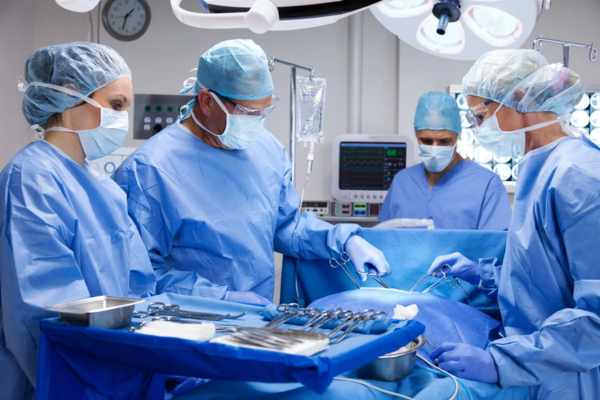
Introduction to Cosmetic Surgery and Aesthetic Medicine
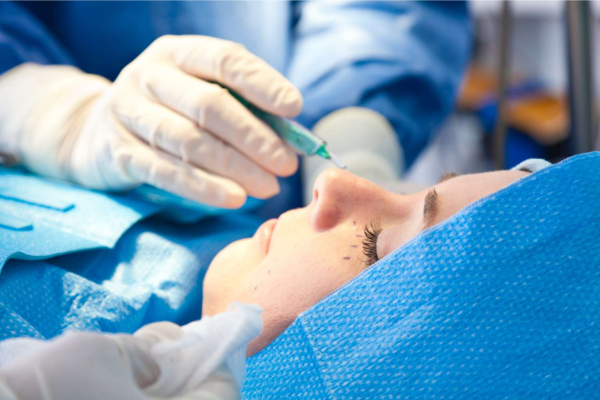
Anatomy and Physiology for Cosmetic Surgery
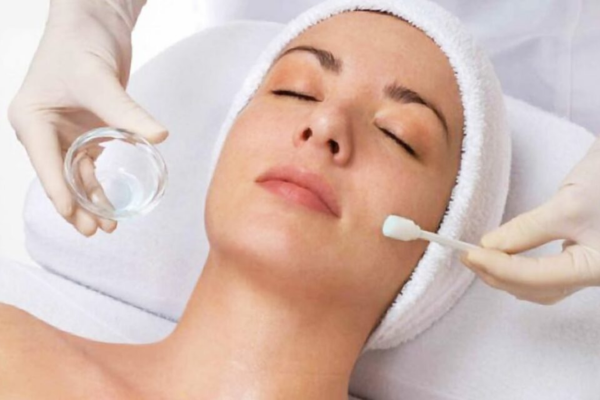
Skin Treatments and Chemical Peels
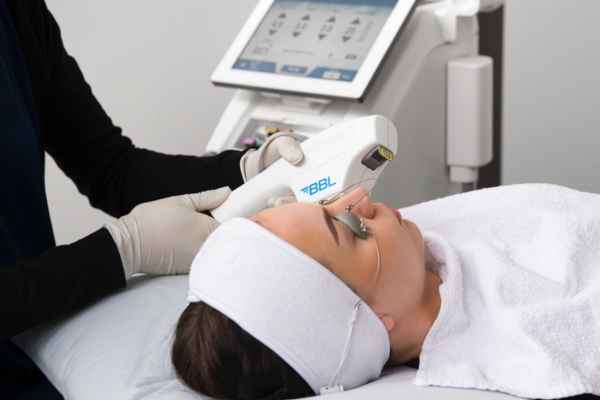
Laser and Energy-Based Treatments

Botulinum Toxin Techniques
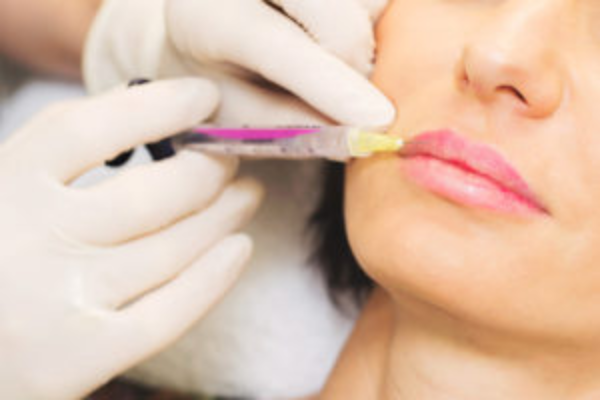
Dermal Fillers and Volumizing Agents
Key Features
- Attending /Non-Attending Classes
- Clinical Training in Nearest Hospital/Clinics.
- Free Study Material with recorded lectures
- Best Faculties (Super Specialists) of India
5. Library Access & Question & Answer Session
6. NAAC A+ University
7. 1 Year of Mentorship
8. Updated Curriculum
Course Curriculum
- Understanding cosmetic surgery fundamentals
- Legal and ethical aspects of cosmetic surgery
- Consultation, examination and safety guidelines
- Recognition of the importance of pre- and post-operative care
- Review of basic surgical anatomy
- Rhinoplasty (nose) surgery techniques
- Rhytidectomy (facelift): Surgical approaches and techniques
- Blepharoplasty (eyelid surgery): Indications and methods
- Chin and jawline surgery
- Brow lift procedures
- Injectable facial rejuvenation (botox, fillers)
- Facial surgery complications and post-operative complications
- Breast augmentation: implants and fat grafting
- Breast lift (Mastopexy) and breast reduction surgeries
- Complications of breast surgery
- Correction of breast asymmetry
- Nipple-areolar complex reconstruction
- Cosmetic aspects of post-mastectomy breast
- Liposuction (regular, VASER, Smartlipo)
- Abdominoplasty (Tummy Tuck) variations
- Body lift: Indications and techniques
- Fat grafting and body sculpting
- Aftercare for body contouring surgeries
- Complications of body surgery
- The use of Botox and fillers in cosmetic surgery
- Chemical peels and microdermabrasion
- Laser resurfacing and scar minimisation
- Platelet-rich plasma (PRP) to rejuvenate the face
- Non-surgical face lift procedures (thread lifting)
- Indications, procedures and results of non-surgical techniques
- Complex rhinoplasty
- Mid- and lower-face rejuvenation
- Revisions of previous cosmetic facial surgery
- Scarring and scar treatment in facial surgery
- Facial fat grafting for volumization
- Combined surgeries for complete facial rejuvenation
- Surgery for saggy skin (e.g. neck lift, eyelids)
- Total facial rejuvenation surgeries
- Skin tightening techniques
- New technologies in anti-aging and their use in surgery
- Combination of non-surgical and surgical approaches for best outcomes
- Types of lasers: CO2, fractional, and Er:YAG lasers
- Laser hair removal: How it works, methods and safety
- Skin resurfacing: Scars, wrinkles, pigmentation
- Radiofrequency and ultrasound skin tightening
- Aftercare of energy-based treatments
- Laser safety and complications
- Cosmetic surgery post-care: General principles
- Complication management: Infection, haemorrhage, scarring
- Pain management and recovery protocols
- Revisions: When and how
- Psychological aspects of cosmetic surgery recovery
- Educating patients and follow-up care
- Promoting cosmetic surgery services
- Starting a cosmetic surgery practice
- Cosmetic surgery billing and finance
- Setting and meeting patient expectations
- Insurance and legal aspects of aesthetic surgery
- Continuing education and training
- Emerging trends in cosmetic surgery practices
- Evidence-based practice in aesthetic surgery
- Engaging in and contributing to clinical research
- Bringing innovative technologies to cosmetic surgery
- Ethical issues in cosmetic surgery research
- Final assignment: Research proposal or case study
- Hair restoration surgery: Follicular Unit Transplantation and Follicular Unit Extraction
- Non-surgical hair restoration: PRP and laser therapy
- Indications for hair restoration surgery
- Post-operative care and management of hair restoration patients
- Donor area limitations and management
- Hair restoration of the eyebrow and beard
- Overview of aesthetic genital surgery
- Labia reduction and labiaplasty
- Vaginal rejuvenation (laser, surgery)
- Male genital aesthetic surgery: Penile lengthening and enlargement
- Ethical considerations and patient counseling
- Post-procedure and patient satisfaction in genital cosmetic surgery
- Cosmetic surgery in children and adolescents
- Otoplasty (ear surgery) for deformities
- Removal of hemangiomas and birthmarks
- Breast asymmetry surgery in teens
- Parental consent and ethical issues in cosmetic surgery for children
- Psychology and expectation management in children
- Anatomy of craniofacial deformities and cosmetic repair
- Repair of congenital craniofacial anomalies (cleft lip and palate)
- Correction of facial deformities from trauma and illness
- Facial bone and soft tissue grafting
- Use of 3D imaging and planning in craniofacial surgery
- Recovery and rehabilitation after craniofacial surgery
- Aging and cosmetic surgery: what to expect
- Cosmetic surgery for the elderly
- Tackling the main issues: Sagging skin, volume retention, and facial sagging
- Manage risks and safety in the elderly
- The role of psychological and social aspects in cosmetic surgery for the elderly
- Safety protocols for post-operative care of the elderly
- Cosmetic surgery in a global context
- Cultural aspects of aesthetic surgery
- Cosmetic surgery trends and innovations across the globe
- International beauty ideals and expectations
- Advancements in cosmetic surgery medical tourism
- International cosmetic surgery: legal, regulatory and ethical considerations
- Fat-freezing (CoolSculpting) and other techniques
- High-intensity focused ultrasound (HIFU) body sculpting
- Electromagnetic and radiofrequency body sculpting
- Non-invasive skin tightening technologies
- Combined approaches for body sculpting
- Patient selection and indications for non-invasive body contouring
- Reconstructive surgery following burns
- Post-traumatic scar reconstruction and revision
- Skin grafts, flaps and tissue expanders in reconstructive surgery
- Psychology of burn and trauma injuries and support
- Long-term care and rehabilitation for burn injuries
- Cosmetic surgery techniques for burn reconstruction
Our Accrediation Partners

Fill Form Our Team Will Contact Soon
Choose medicalglobalacademy as your trusted partner for medical education and elevate your expertise to new heights.
Frequently Asked Questions
To apply, visit the course page of your interest and click on the ‘Apply Now’ button. Follow the instructions to complete your application. You may need to submit relevant documents and a resume.
Yes, all our courses are accredited by recognized medical and educational institutions. Details of accreditation can be found on each course page.
Yes, we offer a variety of online courses to provide flexibility for our students. Check the course descriptions for information on whether a course is available online.
You can contact our support team via email at support@medicalglobalacademy.com or call us at [+919310027474]. Our support team is available Monday to Friday from 9 AM to 6 PM.
Which Post-MBBS Course Format Is Right for You?
Answer three quick questions and we'll match you to the format that fits your goals — Certificate, PG Diploma, or Fellowship.