
FELLOWSHIP IN NEUROSURGERY
Advance your surgical expertise with the Fellowship in Neurosurgery at Medical Global Academy (MGA). Designed for qualified surgeons, this fellowship covers complex brain, spine and peripheral nervous system conditions through online training, evidence-based learning, expert mentorship, LMS access, CPD certification and one year of academic support. Strengthen your surgical knowledge, clinical decision-making and professional skills in modern neurosurgery.
Batch starts on
Jan to Dec/ May to June
Course Duration
12 Months
Learning Formate
Online mode
Flexible payment
financing options available
Program overview
The Fellowship in Neurosurgery at Medical Global Academy (MGA) is an advanced programme designed for surgeons seeking to strengthen their knowledge of the diagnosis, surgical management and post-operative care of complex neurological conditions. The fellowship covers modern neurosurgical practice across cranial, spinal and peripheral nervous system disorders, helping participants develop clinical knowledge and decision-making abilities for complex cases.
The curriculum combines evidence-based academic learning with structured clinical knowledge across key areas of neurosurgery. Participants explore neuroanatomy, neuroimaging, surgical planning, operative techniques, neurocritical care and multidisciplinary patient management. The programme also covers developments in neurosurgical technology, including neuronavigation, microsurgical techniques, minimally invasive procedures, robotic-assisted surgery and artificial intelligence applications that support precision and surgical decision-making.
Throughout the fellowship, participants learn to approach neurosurgical cases systematically, from patient evaluation and interpretation of diagnostic findings to treatment planning, perioperative management and neurological rehabilitation. The programme also emphasizes patient safety, ethical surgical practice, evidence-based medicine and multidisciplinary collaboration for comprehensive neurological care.
Participants also benefit from LMS-based learning, CPD certification and one year of expert mentorship, providing continued academic guidance and opportunities for professional development beyond the fellowship.
Skills You Will Develop
The fellowship is designed to strengthen surgical knowledge and clinical decision-making across multiple areas of neurosurgery. By the end of the programme, participants will be able to:
- Understand advanced cranial and spinal neuroanatomy relevant to neurosurgical practice
- Interpret CT, MRI, angiography and other neuroimaging investigations for diagnosis and surgical planning
- Understand microsurgical principles and minimally invasive approaches in neurosurgery
- Develop knowledge of brain tumours, spinal tumours and skull base pathologies
- Understand spinal surgery approaches for degenerative spine disorders, spinal trauma, deformity correction and stabilization
- Develop knowledge of functional neurosurgery, deep brain stimulation (DBS), epilepsy surgery and neuromodulation techniques
- Strengthen knowledge of neurocritical care, traumatic brain injury, intracranial pressure monitoring and post-operative intensive care
- Understand pediatric neurosurgery, including congenital neurological disorders and hydrocephalus management
- Explore technologies such as neuronavigation, robotic-assisted neurosurgery, artificial intelligence, 3D surgical planning and simulation-based surgical education
- Develop knowledge of research methodology, ethical clinical practice, leadership and multidisciplinary collaboration
Career Opportunities After the Fellowship
With the growing need for specialized neurological care and advanced surgical knowledge, the Fellowship in Neurosurgery can support professional development across various healthcare settings.
After completing the fellowship, participants may explore opportunities in:
- Neurosurgery departments in tertiary care and multispecialty hospitals
- Neurosurgical trauma centres and neurocritical care units
- Spine surgery and minimally invasive neurosurgery centres
- Neuro-oncology and skull base surgery programmes
- Functional neurosurgery and movement disorder centres
- Pediatric neurosurgery services
- Academic medical institutions and teaching hospitals
- Clinical research, innovation and evidence-based neurosurgical programmes
- Multidisciplinary neurological teams working with neurologists, neuroradiologists, oncologists, rehabilitation specialists and critical care physicians
Whether your goal is to strengthen advanced neurosurgical knowledge, develop subspecialty expertise or contribute to modern neurological healthcare, the Fellowship in Neurosurgery provides a structured pathway for professional development in this evolving surgical specialty.
What you'll learn
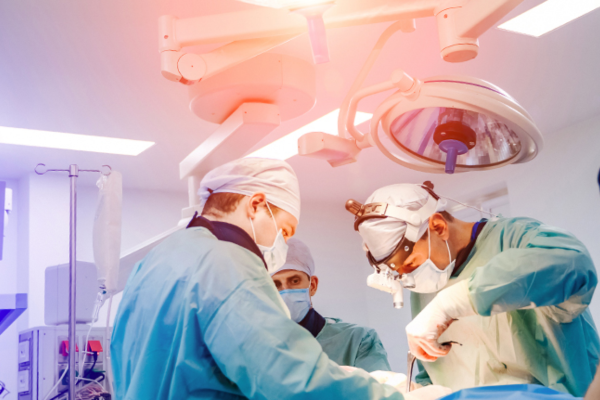
Foundations of Neurosurgery
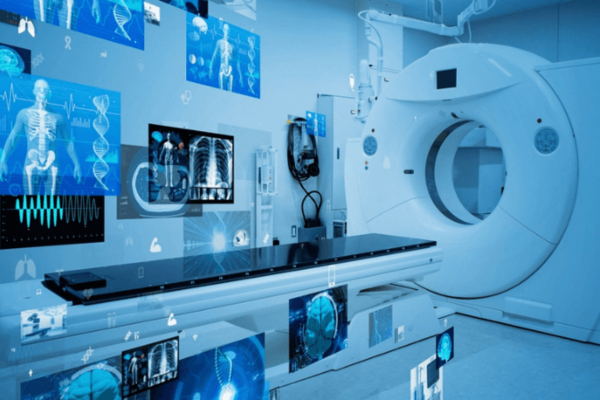
Diagnostic and Imaging Techniques
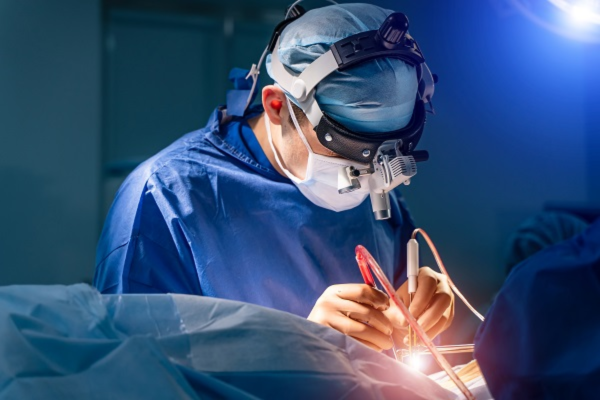
Clinical Neurosurgery

Advanced Surgical Procedures
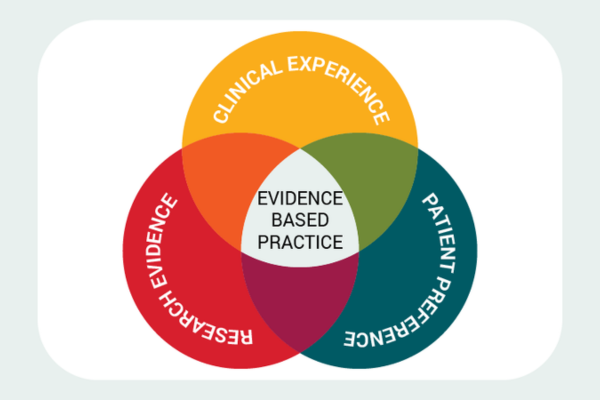
Research and Evidence-Based Practice
Neurocritical Care
Key Features
- Attending /Non-Attending Classes
- Free Study Material with recorded lectures
- Best Faculties (Super Specialists) of India
4. Library Access & Question & Answer Session
5. 1 Year of Mentorship
6. Updated Curriculum
Course Curriculum
- Complex Case Management: Gain skills in diagnosing and treating complex neurosurgical cases, both cranial and spinal pathologies.
- Surgical Methods: Learn the highly specialized techniques of surgery, including microsurgery, endoscopic surgery, and minimally invasive surgery.
- Interdisciplinary Collaboration: Work with neurology, oncology, radiology, and others to ensure the holistic treatment of patients.
- Neuro-Oncology: Become skilled in the treatment of primary and metastatic tumors of the central nervous system, including surgery, and adjuvant therapy. Yale School of Medicine+1Department of Neurological Surgery+1.
- Skull Base Surgery: Learn how to treat skull base lesions both with open and endoscopic. Mayo Clinic College+1OHSU+1
- Functional Neurosurgery: Emphasize such types of procedures as deep brain stimulation of movement disorders, epilepsy surgery, and pain management methods. OHSU
- Spinal Surgery: Major in complicated cases of the spine, such as repairing deformities and minimally invasive surgery of the spine. Cleveland Clinic
- Clinical Research: Design and undertake research on neurosurgical topics, and have the chance to present the study at a conference and publish in peer-reviewed journals.
- Grant Writing: Learn to obtain research funding in governmental and private sources.
- Teaching: Mentor medical students and residents, improve education programs in the department.OHSU
- Leadership Training: Prepare to be a department chair or program director with healthcare management and leadership courses.
- Ethics and Patient Safety: Learn to better understand the ethical aspects of neurosurgery and apply measures to enhance patient outcomes.
- Continuing Medical Education: Keep abreast of new developments through workshops, seminars and conferences.
- International Experience: Be part of international neurosurgery programs in order to learn about different healthcare systems and issues.
- Industry Collaboration: Work with medical devices to understand how new surgical technologies are developed and used.
- Public Health: Work with the projects that can help overcome the disparities in neurosurgical care and maintain the community health.
- Aneurysm and AVM Management: Microsurgical and endovascular surgery training of aneurysms, arteriovenous malformations (AVMs), and cavernous malformations.
- Ischemic Stroke Interventions: Mechanical thrombectomy, carotid stenting and revascularization.
- Advanced Imaging Techniques: DSA, CT angiography and perfusion imaging training on vascular pathologies.
- Congenital Disorders: Hydrocephalus, Chiari malformations, and spina bifida.
- Pediatric Brain Tumors: Surgical management of medulloblastomas, ependymomas and astrocytomas.
- Neonatal and Fetal Neurosurgery: Exposure to in-utero neurosurgical interventions and fetal neurosurgical interventions.
- Peripheral Nerve Surgery
- Nerve Injury and Repair: Nerve grafting techniques, neurolysis techniques, direct nerve repair techniques.
- Brachial Plexus Injuries: Traumatic and congenital brachial plexus injuries.
- Peripheral Nerve Tumors: Surgery of schwannomas, neurofibromas, and malignant peripheral nerve sheath tumors.
- Management of Head Injuries: Surgery on traumatic brain injury (TBI), such as decompressive craniectomy.
- Spinal Trauma: The treatment of injuries of the spinal cord and vertebral fractures and stabilization methods.
- Neurocritical Care: Further education in ICU practices, monitoring of intracranial pressure, and multimodal neuromonitoring.
- Robotics in Neurosurgery: Neurosurgery robotic training: Cranial and spinal robotic-assisted surgery training.
- AI and Machine Learning: AI in neurosurgical planning, diagnosis, and intraoperative guidance.
- 3D Printing and Augmented Reality: 3D modeling to simulate surgery and produce bespoke implants.
- Chronic Pain Syndromes: Neurosurgical treatment of trigeminal neuralgia, complex regional pain syndrome and cancer pain.
- Neuromodulation Techniques: Spinal cord stimulation, intrathecal drug delivery and ablative training.
- Palliative Care in Neurosurgery: End-of-life care planning of terminal neurosurgical patients.
- AI in Diagnostics: ML in radiology, pathology, and decision-making.
- Predictive Analytics: Predictive analytics with big data to enhance the outcomes of surgery and risk evaluation.
- Automated Surgical Navigation: AI surgery and real-time AR guidance.
- AI in Diagnostics: ML in radiology, pathology, and decision-making.
- Predictive Analytics: Predictive analytics with big data to enhance the outcomes of surgery and risk evaluation.
- Automated Surgical Navigation: AI surgery and real-time AR guidance.
- Neurorehabilitation Strategies: Postoperative stroke, TBI, and spinal cord injury stroke rehabilitation.
- Stem Cell Therapy Neurosurgery: Research and clinical uses in neuroregeneration.
- Brain-Computer Interfaces (BCIs): New motor recovery and assistive neuroprosthetic technology.
- Optic Nerve Decompression: Treatment of optic neuropathies, tumors and traumatic injuries.
- Trigeminal and Facial Nerve Disorders: Surgery of trigeminal neuralgia and hemifacial spasm.
- Orbital and Skull Base Surgery: Advanced endoscopic procedures of orbital tumors and cranial nerve lesions.
- Robotic-Assisted Neurosurgery: Clinical experience on the robotic platforms in spine and cranial operations.
- Virtual Reality (VR) & Simulation-Based Training: Neurosurgical simulation systems to develop skills.
- Haptic Feedback Systems: Integration of haptic simulation in the development of surgical skills.
- High-Flow and Low-Flow Bypass: EC-IC bypass training on Moyamoya disease and giant aneurysms.
- 3D Endoscopic Skull Base Surgery: Minimally invasive endonasal surgery on skull base tumors.
- Cavernous Sinus and Petroclival Lesions: Microsurgical approach to difficult deepseated lesions.
Fill Form Our Team Will Contact Soon
Choose medicalglobalacademy as your trusted partner for medical education and elevate your expertise to new heights.
Frequently Asked Questions
To apply, visit the course page of your interest and click on the ‘Apply Now’ button. Follow the instructions to complete your application. You may need to submit relevant documents and a resume.
Yes, all our courses are accredited by recognized medical and educational institutions. Details of accreditation can be found on each course page.
Yes, we offer a variety of online courses to provide flexibility for our students. Check the course descriptions for information on whether a course is available online.
You can contact our support team via email at support@medicalglobalacademy.com
or call us at [+919310027474]. Our support team is available Monday to Friday from 9 AM to 6 PM.
Which Post-MBBS Course Format Is Right for You?
Answer three quick questions and we'll match you to the format that fits your goals — Certificate, PG Diploma, or Fellowship.