
FELLOWSHIP IN INTERVENTIONAL RADIOLOGY
Advance your career in imaging-guided, minimally invasive medicine with MGA’s Fellowship in Interventional Radiology — a 12-month online fellowship covering vascular interventions, tumor ablation, neurointerventional radiology, oncological procedures, emergency trauma interventions, and advanced endovascular techniques. CPD accredited, LMS-based, with expert faculty and one year of mentorship for doctors across India.
About the Programme
MGA Medical Global Academy's Fellowship in Interventional Radiology is a higher level fellowship for physicians seeking to pursue an advanced career in imaging-guided, minimally invasive diagnostic and therapeutic procedures. This interventional radiology fellowship is a clinically oriented program that offers trainees extensive training using cutting-edge imaging modalities like computed tomography (CT), magnetic resonance imaging (MRI), ultrasound, and fluoroscopy.
The program emphasises the acquisition of skills in vascular interventions, oncological interventions, gastrointestinal and hepatobiliary interventions, neurointerventional radiology, pediatric interventional radiology, emergency trauma interventions, and advanced endovascular therapies. Participants develop expertise in image-guided procedures, tumor ablation therapy, angiography, embolization therapy, catheter-based intervention, and minimally invasive approaches to complex medical conditions. The online fellowship interventional radiology curriculum also focuses on clinical decision-making, patient safety, radiation protocols, collaboration with other specialties, and evidence-based interventional practices — alongside cutting-edge technologies like artificial intelligence, robotics, and advanced endovascular innovations shaping the future of interventional radiology worldwide.
"Participants in this advance online fellowship interventional radiology program are equipped to become future-proof specialists in a rapidly evolving field — combining procedural expertise, clinical reasoning, and innovation-readiness across the full scope of modern interventional radiology."
- MBBS Graduates
- MD / MS Physicians
- Radiologists
- Practicing Clinicians
- NMC-Qualified Doctors
Skills You Will Gain from This Interventional Radiology Fellowship
Twelve core clinical and procedural competencies covering the complete spectrum of this fellowship in interventional radiology in India.
Career Outcomes After This Interventional Radiology Fellowship
Upon completion, healthcare providers are able to further develop careers in interventional radiology and minimally invasive medicine across India and internationally.
Fellowship in Interventional Radiology — Key Features
Everything MGA provides in this online interventional radiology fellowship
Accreditation & Recognition
What you'll learn
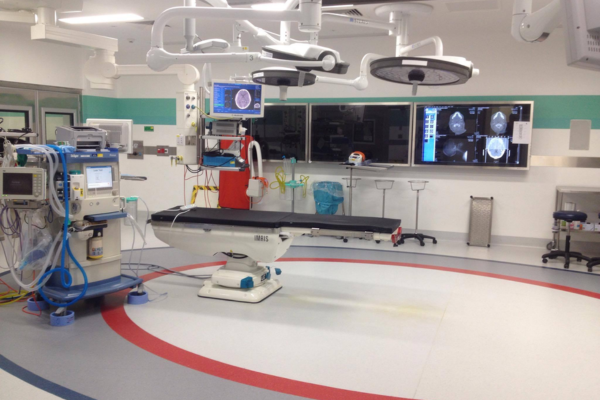
Fundamentals of Interventional Radiology
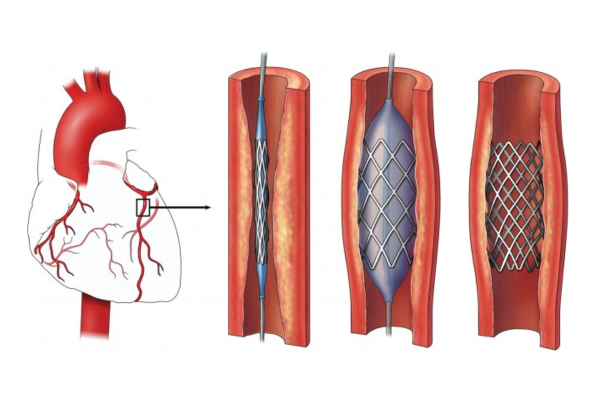
Vascular Interventions
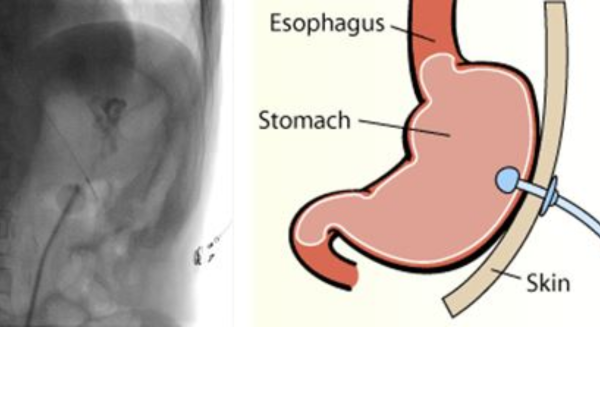
Non-vascular Interventions
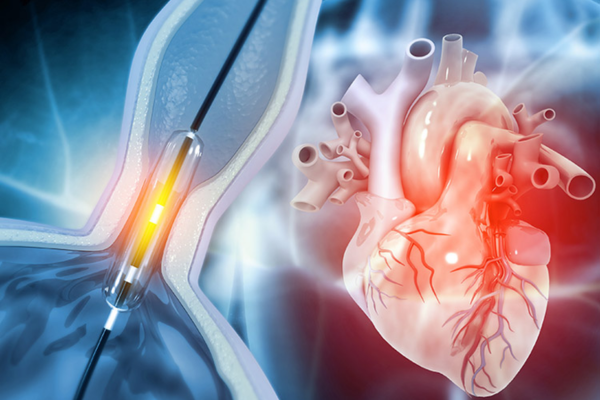
Advanced Interventional Techniques
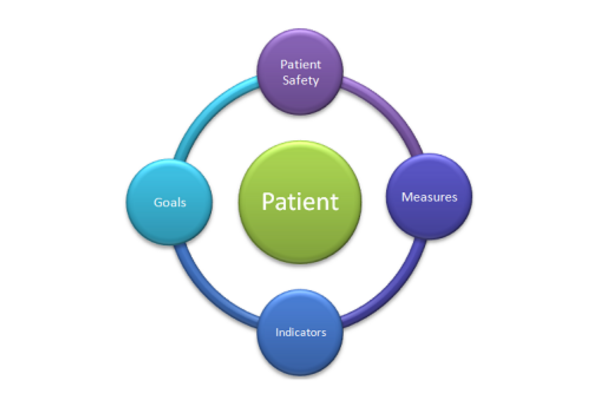
Patient Management and Safety

Research and Innovation
Key Features
- Attending /Non-Attending Classes
- Free Study Material with recorded lectures
- Best Faculties (Super Specialists) of India
4. Library Access & Question & Answer Session
5. 1 Year of Mentorship
6. Updated Curriculum
Course Curriculum
- Overview of image-guided interventions (CT, MRI, Ultrasound, Fluoroscopy)
- Fundamentals of vascular access and catheterization
- Ethical considerations in IR
- Radiation safety and protocols
- Be able to understand the scope of interventional radiology in contemporary medicine.
- Be able to develop skills in performing fundamental interventional radiology procedures.
- Be able to develop skills in patient safety measures.
- Endovenous therapies: varicose vein therapy and sclerotherapy
- Carotid artery interventions: angioplasty and stenting
- Renal artery stenosis therapy
- Endovenous laser therapy (EVLT)
- Hemodialysis access and maintenance: AV fistula, grafts, dialysis catheters
- Perform diagnostic and therapeutic angiography.
- Master the use of advanced endovenous techniques.
- Manage the complications of vascular interventions.
- Tumor ablation methods (Radiofrequency ablation (RFA), Microwave ablation (MWA))
- Trans-arterial chemo-embolization (TACE)
- Percutaneous ethanol injection and cryoablation
- Image-guided thermal ablation for primary and metastatic tumors
- Palliative care – Cancer pain and metastasis
- Perform percutaneous tumor biopsies and ablation procedures.
- Understand and apply advanced oncology procedures.
- Acquire skills in treating complicated oncology cases with IR procedures.
- Gastrostomy Tube Placement and Management
- Portal Vein Interventions and Management of Portal Hypertension
- Measurement of Hepatic Venous Pressure Gradient
- Management of Gastrointestinal Bleeding (Embolization Techniques)
- Endovenous Techniques for Varices
- Master different types of interventional procedures related to the biliary and gastrointestinal systems.
- Master the complications of liver disease managed by IR.
- Master techniques related to bleeding and drainage procedures.
- Acute stroke management (thrombectomy, thrombolysis)
- Carotid stenting and endovascular treatment of aneurysms
- Spinal interventions (vertebroplasty, kyphoplasty)
- Management of intracranial aneurysms and arteriovenous malformations (AVMs)
- Endovascular procedures for stroke and vascular malformations.
- Treatment of central nervous system pathologies using advanced neurointerventional techniques.
- Clinical decision-making
- Pediatric Biliary Interventions and Catheter Placement
- Interventional Management of Congenital Anomalies
- Pediatric Tumor Biopsy and Ablation Techniques
- Safety Protocols in Pediatric IR Procedures
- Apply IR Techniques Specific to Pediatric Patients.
- Demonstrate Proficiency in the Management of Congenital and Acquired Pediatric Pathologies.
- Implement Pediatric-Specific Safety and Sedation Protocols.
- Interventional management of Liver and Lung Metastases
- Transcatheter arterial chemo-embolization (TACE) and Radioembolization (Y-90)
- Endovenous treatment of varicose veins (Laser and Radiofrequency)
- Methods in Embolization Therapy for Liver and Renal Cell Tumors
- Acquire advanced knowledge in the field of oncological interventional techniques.
- Acquire clinical skills in the management of benign and malignant tumors.
- Management of Blunt & Penetrating Trauma Using IR
- Life-Saving Interventions: Embolization of Active Hemorrhage
- Interventions in Pelvic Trauma & Splenic Artery Embolization
- Thoracic Trauma & IR’s Role in Airway & Vascular Damage
- Master Trauma Protocols & Rapid Interventions in Trauma Patients
- Develop skills in the management of bleeding in trauma patients using IR techniques.
- Work effectively in a multi-disciplinary team in the context of acute trauma.
- Data Analysis and Presentation Techniques
- Writing for Publication in Journals
- Evidence-Based Medicine in IR
- Preparing Research Proposals and Grants for IR Research
- Understand the principles of clinical research in the field of interventional radiology.
- Develop skills in writing and presenting scientific papers.
- Make a contribution towards the academic advancement of the IR field through research initiatives.
- Multidisciplinary Team Leadership and Communication
- Legal and Regulatory Issues in Interventional Radiology
- Patient Advocacy and Counseling in IR
- Future of IR: Artificial Intelligence, Robotics, and New Developments
- Ability to lead multidisciplinary teams in practice.
- Ability to manage the ethical, legal, and practical issues involved in IR practice.
- Ability to position oneself as a future leader in IR departments and academia.
- Complex Endovascular Interventions: Thoracic and abdominal aortic aneurysm repair, iliac artery disease, and visceral artery stenting.
- Advanced Vascular Access Techniques: Complex catheter placement, transjugular liver biopsy, and central venous access.
- Stent Grafting and Stent Placement: Stenosis, dissections, and aneurysms in the periphery, renal, and cerebral circulation.
- Emerging Technologies in Endovascular Therapy: Robotic-assisted endovascular therapy, bioresorbable stents, and the role of AI in endovascular therapy.
- Case-based Learning: In-depth case analysis of complex endovascular procedures with a focus on case planning and post-procedure care.
- Improve your skills in performing complex endovascular procedures to treat various vascular diseases.
- Master the skills to perform stenting and grafting procedures to treat various vascular diseases.
- Improve your knowledge to use various technologies to perform endovascular therapy to treat various diseases.
- Improve your problem-solving and decision-making capabilities to effectively manage critical cases.
Our Accrediation Partners

Fill Form Our Team Will Contact Soon
Choose medicalglobalacademy as your trusted partner for medical education and elevate your expertise to new heights.
Frequently Asked Questions
Doctors with a radiology background, such as MD Radiology, DNB Radiology, DMRD, or related postgraduate radiology training, can apply for the Fellowship in Interventional Radiology. The programme is suitable for doctors who want focused learning in image-guided procedures, vascular access, angiography, embolization techniques, tumor ablation, and minimally invasive patient care used in modern interventional radiology practice.
Doctors learn important areas of interventional radiology, including CT-guided procedures, MRI and ultrasound-guided interventions, fluoroscopy-based techniques, vascular interventions, angiography, catheter-based procedures, tumor ablation, embolization, trauma interventions, and radiation safety. The programme also focuses on patient selection, multidisciplinary case understanding, procedure planning, image-guided biopsies, and clinical decision-making involved in minimally invasive treatment.
Yes, the Fellowship in Interventional Radiology at Medical Global Academy includes hybrid learning with clinical attachment support. Doctors receive structured academic training along with clinical exposure in hospitals or clinics depending on programme availability. This helps doctors understand real interventional workflows, dialysis access procedures, GI bleed embolization concepts, patient evaluation, and practical radiology-based decision-making in clinical settings.
The Fellowship in Interventional Radiology is a 12-month structured programme designed for doctors who want advanced learning in minimally invasive and image-guided treatment approaches. The course includes recorded lectures, mentorship, study material, case-based discussions, academic guidance, and clinically focused learning support while helping doctors continue their professional growth in radiology practice.
The Fellowship in Interventional Radiology can help doctors improve their understanding of minimally invasive, image-guided procedures and advanced interventional patient care. The programme supports career growth in multispecialty hospitals, trauma centres, cancer hospitals, diagnostic imaging centres, academic settings, and interventional radiology practice. It also helps doctors build stronger confidence in vascular interventions, liver tumor embolization procedures, oncological interventions, neurointerventional support, and emergency trauma embolization concepts.
Which Post-MBBS Course Format Is Right for You?
Answer three quick questions and we'll match you to the format that fits your goals — Certificate, PG Diploma, or Fellowship.