
FELLOWSHIP IN ADDICTION MEDICINE
Explore the Fellowship in Addiction Medicine with our practical-based Postgraduate Diploma Program. Designed for medical professionals seeking to excel in diagnostics, this course offers clinical training, expert mentorship, and advanced knowledge to effectively address addiction and related disorders.
Batch starts on
Jan to Dec/ May to June
Course Duration
12 Months
Learning Format
Online Mode
Flexible payment
financing options available
Program overview
MGA Medical Global Academy provides a Fellowship in Addiction Medicine for healthcare practitioners seeking advanced knowledge in the diagnosis, treatment and long-term management of substance use and behavioral addiction disorders. This clinical programme covers addiction neurobiology, detoxification approaches, psychosocial interventions and evidence-based methods for supporting recovery. The programme includes theoretical learning across alcohol dependence, opioid addiction, tobacco use disorder, behavioral addictions, trauma-related addiction disorders and co-occurring psychiatric conditions. Key topics include pharmacological interventions, motivational interviewing, cognitive behavioural therapy (CBT), trauma-informed care, harm reduction and multidisciplinary rehabilitation approaches. Participants develop knowledge of addiction assessment, withdrawal management, overdose response, relapse prevention, counselling techniques and integrated treatment planning. The fellowship also explores emerging areas including the neuroscience of addiction, psychedelic-assisted therapy, neuroplasticity, bioelectronic medicine and technology-assisted addiction care. The programme is designed to support compassionate, patient-centred addiction treatment and better recovery outcomes.
What Skills You Will Gain
- In-depth knowledge of addiction medicine, substance use disorders and behavioral addictions
- Understanding of neurobiology, brain reward systems and the neuroscience of addiction and recovery
- Knowledge of assessment, diagnosis and screening of mental health disorders using tools such as DSM-5, ICD-10, AUDIT, DAST and CAGE
- Understanding of pharmacological treatment approaches for alcohol, opioid, nicotine and multiple-substance dependence
- Knowledge of withdrawal management, overdose response and relapse prevention strategies
- Familiarity with psychosocial approaches including CBT, motivational interviewing, trauma-informed care, family therapy and group therapy
- Knowledge of psychiatric and psychological rehabilitation models and multidisciplinary rehabilitation teams
- Understanding of addiction-related care for adolescents, older adults, pregnant women and individuals involved with the justice system
- Understanding of harm reduction, telemedicine and community-based addiction support
- Knowledge of emerging approaches such as psychedelic, neurostimulation and bioelectronic therapies
- Development of addiction medicine research and evidence-based practice knowledge
- Leadership, communication, advocacy and patient counselling skills for addiction care settings
Career Outcomes After the Fellowship
Upon completion of this fellowship, physicians can build advanced knowledge in addiction medicine and explore opportunities across addiction treatment and mental healthcare services.
- Develop focused expertise in Addiction Medicine and Substance Use Disorder Management
- Explore opportunities in de-addiction centres, psychiatric hospitals, rehabilitation centres and community health services
- Develop knowledge of evidence-based addiction treatment and multidisciplinary recovery care
- Support patient recovery through compassionate and individualized addiction care approaches
- Explore opportunities in mental health services, behavioral therapy programmes and rehabilitation medicine
- Develop professional expertise in addiction assessment, detoxification and recovery support
- Participate in public health initiatives, harm reduction programmes and addiction awareness campaigns
- Explore opportunities in academic teaching, clinical research and healthcare leadership
- Stay updated with developments in addiction science, addiction pharmacology and recovery technologies
- Continue professional development in the growing field of addiction and mental healthcare
What you'll learn

Introduction to Addiction Medicine

Assessment and Diagnosis

Treatment Modalities

Special Populations
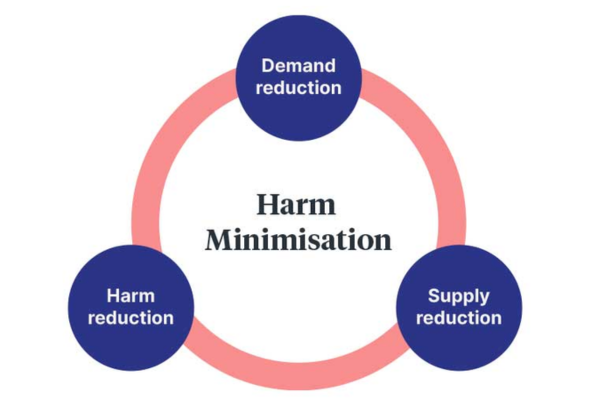
Harm Reduction Strategies

Ethics and Legal Aspects
Key Features
- Attending /Non-Attending Classes
- Free Study Material with recorded lectures
- Best Faculties (Super Specialists) of India
4. Library Access & Question & Answer Session
5. 1 Year of Mentorship
6. Updated Curriculum
Course Curriculum
- Addiction: Introduction, definition of addiction, addiction as a disease, and attitudes to addiction.
- Pathology of Addiction: the physical origins of addiction, neurology and addiction.
- Social Aspects of Addiction: Social implications of addiction, the social context of addiction.
- Legal Problems and Ethics: Addiction treatment implications to the law, patient rights issues.
- Substance Use Disorders: Epidemiology: The prevalence rate, risk factors, and demographic trends.
- Public Health Approaches: primary, secondary and tertiary prevention approaches.
- Health Policy and Advocacy: International, national and local approaches, comprising harm reduction approaches.
- Addiction and Co – morbid Conditions: Addiction and mental disorders, chronic conditions and public health impacts.
- General History and Diagnostic tools of the patient: Diagnostic tests including DSM-5, ICD-10, screening tests (AUDIT, DAST, CAGE).
- Criteria for Diagnoses and Differential Diagnoses: Understanding of diagnostic criteria of substance-related disorders.
- Interviewing Techniques: Techniques of effective communication and rapport-building.
- Case Scenarios and Role Playing: Application of diagnostic tools in real life situations using case scenarios.
- Treatments of Alcohol Use Disorder: Disulfiram, Acamprosate, Naltrexone, and New Pharmacological Agents.
- Treatments of Opioid Use Disorder: Methadone, Buprenorphine, Naloxone, and New Therapies.
- Tobacco/Nicotine Use Disorder Treatments: Nicotine Replacement Therapy, Varenicline, Bupropion.
- Multidrug/Multimodal Therapy Treatments: Therapy used to treat patients who are addicted to multiple substances.
- Withdrawal & Overdose Management: Clinical practice of managing withdrawal and overdosing disorders.
- Cognitive Behavioral Therapy (CBT): CBT in the management of addictions, therapeutic methods, and case studies.
- Motivational Interviewing (MI): This is the development of internal motivation to change in addicted clients.
- Contingency Management and Behavioral Therapies: Reward based therapies in the treatment of addictions.
- Family Therapy and Group Therapy: The inclusion of family involvement in treatment and the application of group therapy.
- Trauma-Informed Care: Trauma and addiction, and how to implement trauma-informed care.
- Models of Collaborative Care: Engaging psychiatrists, psychologists, social workers, and other health care professionals.
- Concurrent Disorders: A treatment plan is offered to individuals who have addiction issues as well as mental conditions like depression, anxiety, and PTSD.
- Community Support: Involving social services, self-help groups, and recovery programs.
- Case Management in Addiction Treatment: Developing customized treatment strategies, monitoring their performance, and adjusting it.
- Addictions in Adolescents and Young Adults: Prevention methods and treatment interventions to address young people.
- Pregnancy and Addiction: Addiction treatment among pregnant women, harm reduction, and newborns born to substance-taking mothers.
- Addictions in the Older Patients: The substance use disorder of the elderly patient and treatments of the same.
- Addiction Treatment: Culturally sensitive treatment approaches to addictions.
- Addiction In Criminal Justice Populations: Drug abuse treatment of offenders in the criminal justice environment.
- New Developments in Addictions Medicine: New advances in drug therapy, psychotherapy, and holistic approaches.
- Research Design of Addictions: Research designs applied in addictions research like experimental research design and descriptive research design.
- Ethics in Addictions Research: Ethics in addictions research and dealing with problems such as informed consent of the subjects.
- Data Analysis and Interpretation Data Analysis and Interpretation Data analysis and interpretation of data acquired in the process of conducting addictions research.
- Addiction Medicine Leadership: This course will teach you how to be a leader who can facilitate positive change in healthcare policy and systems.
- Advocacy and Community Engagement: Promoting addiction treatment, prevention and harm reduction.
- Education & Mentoring: Educating fellow colleagues and training medical students on addiction medicine.
- Professional Wellness/Stress Management in Health Care Professionals: It helps to prevent burnout and deal with stress.
- Rotation Clinical Experience: Clinical rotation in addiction treatment facilities and community outreach programs.
- Supervised Clinical Training: Fellows will take care of patients under the supervision of experienced addiction professionals.
- Capstone Project: The Fellows will create and implement an academic project in the field of addiction medicine.
- Final Evaluation and Presentation: Fellows will present their Capstone Project to their instructors and colleagues, and be constructively criticized.
- Addiction Neurobiology: Research into the brain circuits that participate in the processes of addiction (dopamine system, glutamate, GABA system, etc.).
- Recovery Brain Plasticity: What recovery involves at the cellular level – how brain plasticity helps to ensure abstinence in drugs.
- Reward Pathways in Addictions: Research into the structural and biochemical alterations that addiction causes on the brain.
- Pharmacogenetics in Addictions: Research of the genetics of the predisposition to addictions and treatment outcomes.Pharmacological Treatment Innovations: New pharmacological treatment for addiction (i.e., kratom, psychedelic drugs like psilocybin, new GABAergic treatment).
- Psychedelic Psychotherapy: Psychedelic therapies (i.e., MDMA, psilocybin, ketamine) as an intervention to treat addiction disorders, depression, and post-traumatic stress disorder.
- Cannabis/Cannabinoids: Medical cannabis and cannabinoids applied in the treatment of opioid and alcohol use syndrome.
- Bioelectronic Medicine: Neurostimulation, which is one of the types of bioelectronic medicine, is used to treat addiction.
- Gene Therapies: Gene based treatment of addiction disorders.
- Addiction and Trauma: The role played by trauma in the development and continuation of addiction problems, such as adverse childhood experiences (ACEs).
- Post-Traumatic Stress Disorder (PTSD): Diagnosis of the issue, different strategies of its treatment, and the correlation between PTSD and substance abuse disorders.
- Trauma-Informed Approach: Major concepts considered when making treatment facilities trauma-sensitive.
- Therapy Interventions in the Treatment of Trauma and Addiction: Therapies, including EMDR (Eye Movement Desensitization and Reprocessing) and DBT (Dialectical Behavioral Therapy).
- Resilience building: The measures to make patients psychologically resilient after traumatic events.
- Harm Reduction Principles: What is harm reduction, harm reduction policies and strategies, and what actions can be implemented to reduce negative outcomes of people using substances.
- Needle exchange Programs and Supervised Consumption Rooms: The contribution of supervised consumption rooms and needle exchange services.
- The Strategies of Reducing Alcohol Abuse: Moderation Management, Reduced-Risk Drinking, and Sober Social Support.
- Non-Traditional Therapeutic Approaches: Introduction of other treatment methods including art, yoga, meditation, and equine-assisted therapy.
- Technology-Assisted Harm Reduction: Use of mobile applications, online support groups, and telemedicine.
Fill Form Our Team Will Contact Soon
Choose medicalglobalacademy as your trusted partner for medical education and elevate your expertise to new heights.
Frequently Asked Questions
To apply, visit the course page of your interest and click on the ‘Apply Now’ button. Follow the instructions to complete your application. You may need to submit relevant documents and a resume.
Yes, all our courses are accredited by recognized medical and educational institutions. Details of accreditation can be found on each course page.
Yes, we offer a variety of online courses to provide flexibility for our students. Check the course descriptions for information on whether a course is available online.
You can contact our support team via email at support@medicalglobalacademy.com or call us at [+919310027474]. Our support team is available Monday to Friday from 9 AM to 6 PM.
Which Post-MBBS Course Format Is Right for You?
Answer three quick questions and we'll match you to the format that fits your goals — Certificate, PG Diploma, or Fellowship.