
FELLOWSHIP IN THORACIC ONCOLOGY
MGA’s Fellowship in Thoracic Oncology is a 12-month advanced online program for doctors with 4+ years of clinical experience. Build expert-level proficiency in lung cancer, esophageal cancer, mediastinal tumors, and pleural malignancies — covering bronchoscopy, EBUS, PET-CT interpretation, VATS, molecular diagnostics, immunotherapy, and precision oncology — through live evening classes, 100% recorded lectures, and mentorship from India’s leading thoracic oncologists.
About the Programme
MGA's Fellowship in Thoracic Oncology is a 12-month advanced subspecialty online fellowship for doctors with a minimum of 4 years of clinical experience who want to build expert-level expertise in the diagnosis, treatment, and multidisciplinary management of thoracic cancers — lung cancer, esophageal cancer, mediastinal tumors, and pleural malignancies. This is one of the fastest-evolving areas in oncology — with rapid advances in molecular diagnostics, immunotherapy, AI-assisted imaging, and minimally invasive surgical techniques — and this thoracic oncology fellowship India is built to keep you at the forefront of it all.
The online fellowship in thoracic oncology curriculum spans 11+ modules — covering advanced thoracic diagnostics, bronchoscopy, EBUS, PET-CT interpretation, VATS, molecular oncology, precision medicine, immunotherapy, radiation oncology, tumor board participation, AI in thoracic imaging, and clinical research methodology. This fellowship combines evidence-based academic learning with expert faculty guidance from India's leading thoracic oncologists, free study materials, e-library access, CPD certification, and one year of structured mentorship — making it one of the most comprehensive lung cancer fellowship India programs available for working doctors.
"Fellows develop the clinical confidence to independently manage complex thoracic cancer cases — from bronchoscopy and molecular staging through surgical resection, immunotherapy, and multidisciplinary tumor board leadership — across India's leading cancer and thoracic surgery centres."
- MBBS Graduates (4+ yrs experience)
- MD / MS Physicians
- Pulmonologists
- Surgical Oncologists
- NMC-Qualified Doctors
Skills You Will Gain from This Thoracic Oncology Fellowship
Six core clinical competencies covering the complete spectrum of thoracic oncology practice in this online fellowship in thoracic oncology India.
Career Outcomes After This Thoracic Oncology Fellowship
Graduates of MGA's Fellowship in Thoracic Oncology advance into specialist roles across India's leading cancer hospitals, thoracic surgery centres, and academic institutions.
Fellowship in Thoracic Oncology — Key Features
Everything MGA provides in this online thoracic oncology fellowship India
Accreditation & Recognition
What you'll learn
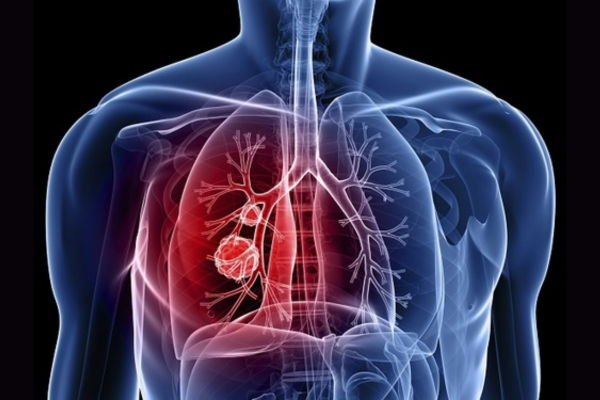
Foundations of Thoracic Oncology

Diagnostic Evaluation

Treatment Modalities

Complications and Survivorship

Research and Innovation

Professional Development and Leadership
Key Features
- Attending /Non-Attending Classes
- Clinical Training in Nearest Hospital/Clinics.
- Free Study Material with recorded lectures
- Best Faculties (Super Specialists) of India
5. Library Access & Question & Answer Session
6. NAAC A+ University
7. 1 Year of Mentorship
8. Updated Curriculum
Course Curriculum
- Tumour biology of thoracic malignancies (lung, oesophagus, mediastinum, pleura)
- Epidemiology, risk-factors, screening & prevention (including smoking, environmental exposures)
- Anatomy, physiology and pathology of thoracic organs & mediastinum
- TNM staging and classification systems specific to thoracic tumours
- Principles of multidisciplinary oncology care: role of medical oncology, radiation oncology, thoracic surgery, pulmonology, pathology, radiology
- Introduction to tumour biology, molecular drivers, and immune micro-environment
- Ethical, legal and patient-communication aspects in oncology practice
- Imaging modalities: CT chest, PET-CT, MRI, endobronchial ultrasound (EBUS), mediastinoscopy, thoracoscopy
- Bronchoscopy & endoscopic techniques: rigid, flexible, guided biopsies
- Pathology: histology of thoracic tumours, immunohistochemistry, molecular diagnostics (EGFR, ALK, ROS1, PD-L1, next-gen sequencing)
- Liquid biopsy & circulating tumour-DNA in thoracic oncology
- Pulmonary function testing, cardiopulmonary reserve assessment, mediastinal involvement evaluation
- Pre-operative assessment, anaesthetic risk evaluation, and multidisciplinary tumour board participation
- Clinical staging, functional staging, nutritional assessment & pre-habilitation
- Surgical management: thoracotomy, video-assisted thoracoscopic surgery (VATS), robotic thoracic surgery, lobectomy, pneumonectomy, segmentectomy, mediastinal mass removal; peri-operative care
- Radiation therapy: principle of thoracic irradiation, SABR/SBRT for early lung cancer, conformal & intensity-modulated RT, role in oesophageal cancer, prophylactic cranial irradiation for small-cell lung cancer
- Medical oncology: chemotherapy regimens in lung & oesophageal cancers, targeted therapies (EGFR, ALK, ROS1, BRAF, etc), immunotherapy (checkpoint inhibitors), combination therapies, management of adverse-effects
- Combined modality therapy: neoadjuvant and adjuvant therapy, concurrent chemoradiation for locally advanced disease, salvage treatments
- Interventional pulmonology & minimally-invasive techniques: stenting, debulking, pleurodesis, endobronchial therapies
- Palliative and supportive treatments: management of malignant pleural effusion, airway obstruction, bone metastases, pain control
- Fundamentals of cancer genomics and molecular pathways in thoracic malignancies
- Key molecular targets and their inhibitors (EGFR, ALK, ROS1, KRAS, MET, RET, NTRK, HER2)
- Comprehensive genomic profiling (CGP) and next-generation sequencing (NGS) interpretation
- Role of liquid biopsy in early detection, minimal residual disease (MRD), and treatment monitoring
- Mechanisms of resistance to targeted therapy and strategies to overcome them
- Translational research: integrating lab findings into clinical decision-making
- Personalized therapy algorithms and biomarker-driven treatment planning
- Immunobiology of thoracic cancers and tumor microenvironment
- Immune checkpoint inhibitors: PD-1, PD-L1, CTLA-4 pathways
- CAR-T cell therapy and novel immunotherapy combinations
- Tumor vaccines, oncolytic viruses, and cellular therapy approaches
- Biomarkers for immunotherapy response and toxicity prediction
- Managing immune-related adverse events (irAEs): practical approach for pulmonologists and oncologists
- Future trends: bispecific antibodies, tumor-infiltrating lymphocytes (TILs), and adoptive immunotherapy
- Advanced thoracic imaging: HRCT, PET-CT, MRI for lung and mediastinal tumors
- Radiomics and AI applications in diagnosis and treatment planning
- Image-guided biopsy and localization techniques
- 3D printing and virtual simulation in surgical and radiotherapy planning
- Role of interventional radiology: radiofrequency ablation, cryoablation, microwave ablation, embolization
- Quantitative imaging biomarkers and radiogenomic correlations
- Imaging in response assessment and disease surveillance
- Weekly multidisciplinary case discussions: thoracic surgery, medical oncology, radiation oncology, pathology, radiology, and palliative care
- Complex and rare case reviews (thymoma, mesothelioma, neuroendocrine tumors)
- Communication and teamwork in the tumor board setting
- Decision-making for borderline-resectable and oligometastatic disease
- Evidence-based protocol development and adaptation to local resources
- Clinical documentation, reporting standards, and presentation skills for academic boards
- Evaluation through mock tumor board participation and case write-ups
- Global cancer burden and disparities in thoracic oncology care
- Implementation of national and international guidelines (NCCN, ESMO, ASCO, IASLC)
- Leadership and mentorship skills in multidisciplinary oncology practice
- Building thoracic oncology programs in low- and middle-income settings
- Policy, economics, and cost-effectiveness of cancer care delivery
- Advocacy for tobacco control, air-pollution mitigation, and lung cancer screening
- Fellowship wrap-up: reflective learning, feedback, viva-voce examination, and final certification
- Advanced VATS (Video-Assisted Thoracoscopic Surgery) and Robotic-Assisted Thoracic Surgery (RATS) approaches
- Indications and techniques for segmentectomy, sleeve lobectomy, bronchoplastic and carinal resections
- Enhanced recovery after thoracic surgery (ERAS) protocols
- Intraoperative navigation systems, fluorescence imaging, and sentinel node mapping
- Management of intraoperative complications and conversion strategies
- Hybrid OR concepts and integration of imaging during surgery
- Case simulation sessions using virtual and augmented reality for skill refinement
- Principles of radiation physics and radiobiology applied to thoracic tumours
- Image-guided radiotherapy (IGRT), adaptive RT, and motion management strategies
- SBRT/SABR for early-stage NSCLC and oligometastatic disease
- Proton therapy, heavy ion therapy, and dosimetric comparisons
- Proton therapy, heavy ion therapy, and dosimetric comparisons
- Brachytherapy applications for endobronchial and esophageal cancers
- Managing radiotherapy toxicities — pneumonitis, fibrosis, cardiac toxicity
- Emerging techniques: FLASH radiotherapy, radiogenomics, and combined modality protocols
- Fundamentals of clinical trial design: Phase I–IV, endpoints, randomization, blinding
- Regulatory and ethical aspects of trial conduct (ICMR, GCP, FDA, EMA frameworks)
- Building and managing thoracic oncology databases and registries
- AI, big data analytics, and machine learning in early detection and prognosis prediction
- Predictive modelling for treatment response and toxicity
- Digital pathology, automated imaging analytics, and workflow integration
- Fellows develop a mini-data project using anonymized thoracic cancer datasets
Our Accrediation Partners



Fill Form Our Team Will Contact Soon
Choose medicalglobalacademy as your trusted partner for medical education and elevate your expertise to new heights.
Frequently Asked Questions
To apply, visit the course page of your interest and click on the ‘Apply Now’ button. Follow the instructions to complete your application. You may need to submit relevant documents and a resume.
Yes, all our courses are accredited by recognized medical and educational institutions. Details of accreditation can be found on each course page.
Yes, we offer a variety of online courses to provide flexibility for our students. Check the course descriptions for information on whether a course is available online.
You can contact our support team via email at support@medicalglobalacademy.com or call us at [+919310027474]. Our support team is available Monday to Friday from 9 AM to 6 PM.
Which Post-MBBS Course Format Is Right for You?
Answer three quick questions and we'll match you to the format that fits your goals — Certificate, PG Diploma, or Fellowship.