
ROBOTIC SURGERY FELLOWSHIP
The Robotic Surgery Fellowship provides structured online training in robotic-assisted surgery through academic modules, case-based learning and expert mentorship. The programme introduces participants to robotic systems, surgical instruments and operative workflows, helping them understand the role of robotics in modern minimally invasive surgery. It is designed for surgeons and trainees seeking to develop advanced knowledge of robotic-assisted surgical practice.
Batch starts on
Jan to Dec/ May to June
Course Duration
12 Months
Learning Formate
Oline Mode
Flexible payment
financing options available
Robotic Surgery Fellowship – Program Overview
MGA Medical Global Academy offers a clinically focused Robotic Surgery Fellowship for surgeons interested in developing expertise in technology-driven and precision-focused surgical approaches. This advanced programme focuses on improving surgical accuracy and proficiency in robotic-assisted techniques while supporting better patient outcomes. The fellowship combines theoretical learning with structured academic guidance in robotic surgery, enabling fellows to develop knowledge of complex procedures using advanced robotic surgical systems. The programme covers key stages of robotic surgery workflows, including patient evaluation, surgical planning, console skills and post-surgical care. It also explores robotic surgery applications in gynaecology and other surgical disciplines, along with emerging developments in robotic cancer surgery, helping surgeons stay updated with the evolving needs of modern surgical practice and patient care.
What You Gain from This Fellowship
- Thorough knowledge of robotic surgical systems, instruments and fundamental principles
- Understanding of robotic surgery applications across various specialties
- Knowledge of patient evaluation, pre-operative assessment and post-operative management
- Online mentorship with experienced robotic surgeons and clinical experts
- Development of minimally invasive and precision-focused surgical knowledge
How This Fellowship Transforms Your Practice
This robotic surgery fellowship is designed to expand your surgical knowledge and support the development of advanced clinical expertise:
- Develop greater knowledge of complex robotic surgical procedures and precision-focused techniques
- Strengthen clinical expertise through exposure to next-generation surgical technologies
- Expand your understanding of advanced robotic surgical approaches
- Broaden your surgical knowledge across minimally invasive procedures and modern patient-care approaches
- Progress from conventional surgical approaches toward technology-driven and advanced robotic surgery practice
What you'll learn

Introduction to Robotic Surgery
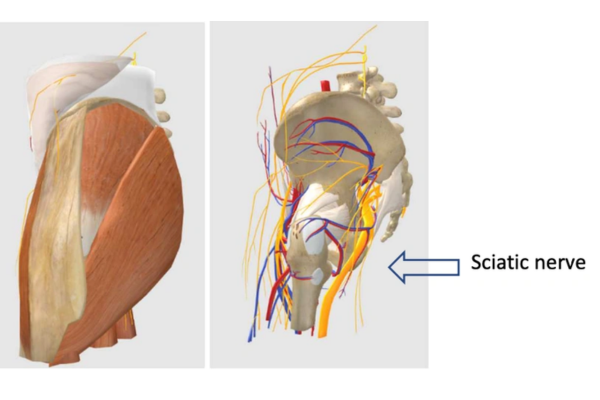
Surgical Anatomy and Techniques
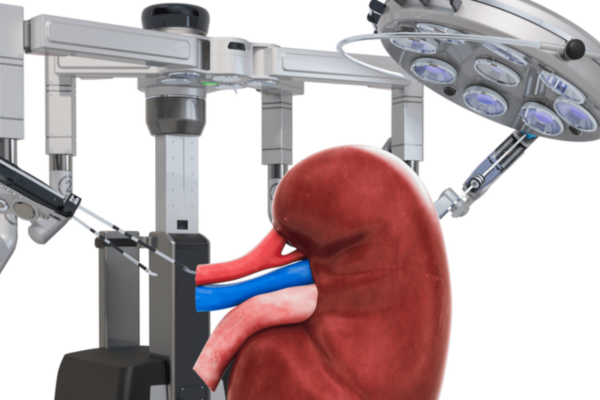
Urology in Robotic Surgery
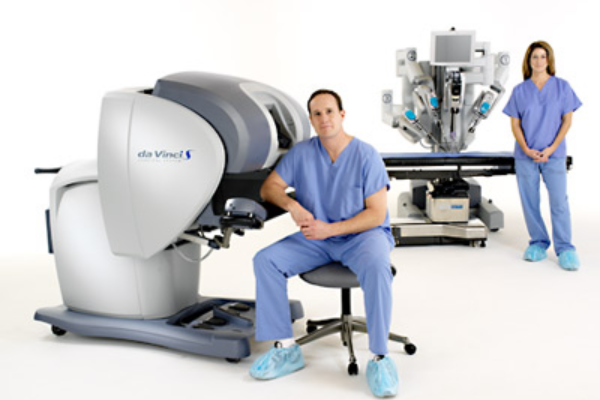
Gynecology in Robotic Surgery
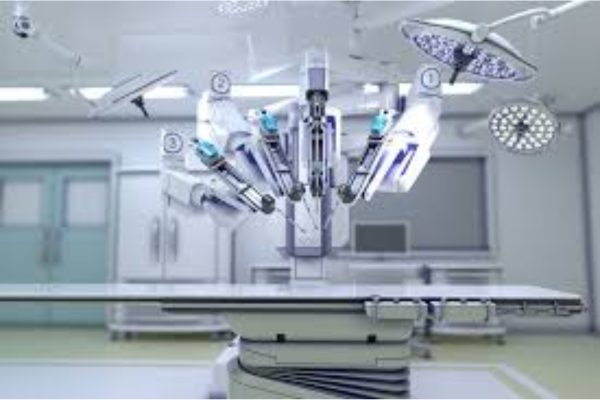
General Surgery in Robot Surgery
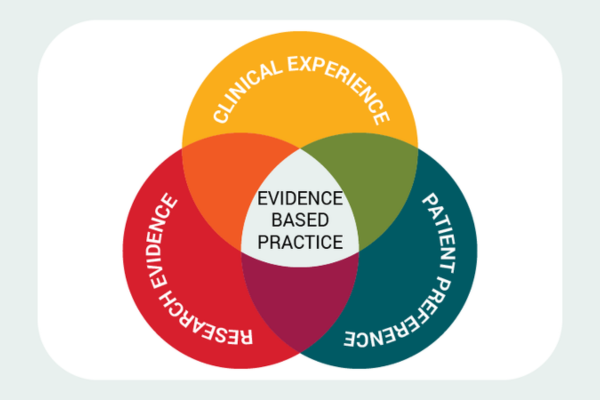
Research and Evidence-Based Practice
Key Features
- Attending /Non-Attending Classes
- Free Study Material with recorded lectures
- Best Faculties (Super Specialists) of India
4. Library Access & Question & Answer Session
5. 1 Year of Mentorship
6. Updated Curriculum
Course Curriculum
- Introduction to Robotic Surgery: History, development and the status of robotic systems in surgery.
- Basics of Robotic Systems: A knowledge on what robotic platforms (e.g. da Vinci, Hugo and other robotic systems) constitute.
- Major Strengths and Weaknesses: Minimally invasive surgery, accuracy, shortened recovery period, and difficulties.
- Ethics and Safety Rules: Patient selection, informed consent, safety, risk management.
- Simulation Introduction: Virtual training and simple robotic training.
- Minimally Invasive Surgery in General Surgery: Laparoscopic and robotic techniques of surgery.
- Introduction to Robotics Surgical Skills: The handling of the instruments, manipulation of tissue, and suture in a robotic setting.
- Surgery: There are general surgery operations such as cholecystectomy, appendectomy, hernia repair, and colectomy.
- Robotic Sutureing and Knotting: Sutureing, knots and tissue closure techniques are done using robots.
- Simulation Training: Learning the ropes with simulation systems.
- Prostatectomy and Nephrectomy: Robotic assisted prostate and kidney surgery procedures.
- Robotic Reconstructive Urology: Urinary diversion, bladder reconstruction and anastomosis.
- Kidney Transplantation: Robotic kidney transplant technologies and developments.
- Robotic Cystectomy and Bladder Surgery: State of the art robotic technology in cystectomy, and in reconstructive bladder surgery.
- Practical Training: Mastering the urological robotic surgeries through simulation and live training.
- Robotic Hysterectomy: Methods in robotic assisted total and subtotal hysterectomy.
- Endometriosis and Ovarian Cystectomy: The use of robotics in both the treatment of endometriosis and cystectomies.
- Pelvic Organ Prolapse and Vaginal Reconstruction: A robot-assisted surgery of prolapse and reconstructive procedure.
- Fertility-Sparing Robotic Surgery: The methods of robotic myomectomy and other fertility-preserving surgeries.
- Live Operation: Viewing master gynecologic robotic surgeries.
- Robotic Lobectomy and Pneumonectomy: Surgical methods of lung cancer and other diseases of the thoracic.
- Robotic Surgery in cardiology: Minimally invasive coronary artery bypass, valve repair and other heart surgery operations.
- Esophagetomy and Mediastinal tumors: esophageal surgery with robots.
- Post-surgery: Post-operative recovery techniques in thoracic and cardiothoracic robotic surgery.
- Live Case Consultations: Under examination complex thoracic robotic surgeries and outcome results.
- Difficulties in Pediatric Robotic Surgery: Robotic techniques to the pediatric population.
- Common Pediatric Robotic Procedures: Pediatric general surgery, colorectal surgery, and pediatric urology Robotic-assisted surgery.
- Ethical issues: Informed consent and decision-making in children.
- Practical Pediatric Robotic Surgery: Pediatric robotic simulators and live training.
- Robotic Colorectal Surgery Techniques: Robotic assisted resections, anastomosis and rectal surgery.
- The Oncology in Colorectal Surgery: Robotics in the Management of Colorectal cancers.
- Pelvic Reconstruction: Robotic methods of pelvic floor repair, and low anterior resection.
- Postoperative Care and Complications: Recovery of robotic surgery, complications and outcomes.
- Microsurgical Robotic Techniques: Robotic surgery Free flaps and tissue transplantation.
- Aesthetic Robotic Surgery: The new processes of robotic-assisted breast reconstruction, and shape modification.
- Burns and Scar Reconstruction: Robotic surgery in the treatment and management of scar in burns.
- Reconstructive Trauma Surgery: Robotics reconstructive trauma and emergency surgery.
- Robotic Technologies in the Future: The evolution of robotics systems, AI systems and AR in surgery.
- Robotics in Augmented Surgery: Future perspective of robot assistance and machine learning augmented reality.
- The use of robotic tele-surgery in underserved and remote locations: Robotic Surgery in Remote Areas.
- Introduction to Robotic-Assisted Neurosurgery: The application of robotics in the surgeons of the spinal nerve, the cranial nerve, and peripheral nerve.
- Spinal Surgery: Robot-assisted spinal fusion, decompression, and vertebral tumor spinal surgery.
- Brain Surgery: Robotic remedies of brain tumor resection, deep brain stimulation, and functional neurosurgery.
- Less Invasive Techniques: Keyhole surgery of the head and robotic-assisted stereotactic surgery.
- Robotic Guidance Systems: Neurosurgery incorporates the idea of robotics with real time imaging (CT, MRI, and fluoroscopy).
- Microsurgical Robotic Techniques: vascular, nerve and ophthalmic surgery.
- Ophthalmic Robotic Surgery: Surgery of the eye Robotic-assisted surgery in cataract surgery, retinal surgery, and glaucoma.
- Precision Surgery in Cancer: Robotic guidance on complicated resections of tumors and intraoperative molecular diagnosis.
- Advanced Microsurgery in Reconstructive Surgery: Robotic assisted microsurgical procedures of free tissue transfers and nerve repair.
- Surgical Precision and AI: The role of AI and robotics in improving precision, better outcomes and reducing human error.
- Difficulties in Geriatric Surgery: Physiological changes in old age and its effects on robotic surgery in geriatric patients.
- Robotic Surgery in the Geriatric Conditions: Robot-assisted surgery in prostate cancer, colorectal cancer, and spinal deformities.
- Frailty Assessment and Surgical Risk: Frailty and high-risk elderly patients Preoperative assessment of frailty and high-risk elderly patients before robotic surgery.
- Minimally Invasive Robotic Surgery of Chronic Diseases: Treatment of cardiovascular, pulmonary and digestive diseases with robotic techniques on the elderly.
- Moral Concerns surrounding large-scale robot surgery in the elderly: Consent, decision making and post-surgery life quality.
- Liver Resection and Transplantation: Indications of robotic liver transplant and patient management Robotic liver resection.
- Gallbladder and Bile Duct Surgeries: Bile duct reconstructions and complex biliary surgery.
- Pancreatic Surgery: Robotic surgery of pancreaticoduodenectomy (Whipple procedure), distal pancreatectomy, and pancreatic resections.
- Robotic Surgery Hepatic Oncology: Methods of robotic hepatic tumor/ metastasis/ liver ablation.
- Difficulties and Advances: The issues of overcoming technical problems and discussing the current development of robotic hepatobiliary surgery.
- Robotics in Trauma Surgery: Robotic assistance in trauma cases, such as internal hemorrhage control.
- Emergency Robotic Surgery: The management of complex life threatening cases such as bowel perforations, trauma repair and repair of large vessels using robotic systems.
- Robotic Surgery in Military/ Combat Trauma: The uses of robotic surgery in field hospitals and remote trauma care, telesurgery and telepresence.
- Post Traumatic Rehabilitation and Robotic Surgery: The application of robotic surgery in combination with state-of-the-art rehabilitation in traumas.
Fill Form Our Team Will Contact Soon
Choose medicalglobalacademy as your trusted partner for medical education and elevate your expertise to new heights.
Frequently Asked Questions
To apply, visit the course page of your interest and click on the ‘Apply Now’ button. Follow the instructions to complete your application. You may need to submit relevant documents and a resume.
Yes, all our courses are accredited by recognized medical and educational institutions. Details of accreditation can be found on each course page.
Yes, we offer a variety of online courses to provide flexibility for our students. Check the course descriptions for information on whether a course is available online.
You can contact our support team via email at support@medicalglobalacademy.com or call us at [+919310027474]. Our support team is available Monday to Friday from 9 AM to 6 PM.
Which Post-MBBS Course Format Is Right for You?
Answer three quick questions and we'll match you to the format that fits your goals — Certificate, PG Diploma, or Fellowship.