
FELLOWSHIP IN NEURO ONCOLOGY
Advance your expertise in brain and spinal cord cancer care with MGA’s Fellowship in Neuro Oncology. This 12-month programme covers gliomas, meningiomas, medulloblastomas and CNS metastases through online training, structured learning and expert mentorship. Develop knowledge in neuroimaging, neuropathology, molecular diagnostics, stereotactic radiosurgery, immunotherapy and precision oncology while strengthening your clinical decision-making.
About the Programme
MGA's Fellowship in Neuro Oncology is a 12-month advanced multidisciplinary online fellowship for doctors who want to specialise in the diagnosis, treatment, and management of primary and metastatic brain and spinal cord tumors — gliomas, meningiomas, medulloblastomas, and CNS metastases. This neuro oncology fellowship brings together neurosurgery, neuroimaging, neuropathology, radiation oncology, and medical oncology into one practical, integrated approach — mirroring the real clinical environment where diagnosis, tumor profiling, treatment, and follow-up are fully interconnected.
The online neuro oncology fellowship curriculum spans 20+ modules — covering advanced neuroimaging, neuropathology, molecular diagnostics, awake craniotomy principles, stereotactic radiosurgery, immunotherapy, AI-assisted radiomics, precision oncology, pediatric neuro-oncology, palliative care, and neurogenetics. This fellowship combines evidence-based academic learning with expert faculty guidance from India's leading neuro-oncologists, neurosurgeons, and radiation oncology specialists, free study materials, e-library access, CPD certification, and one year of structured mentorship — making it one of the most comprehensive neuro oncology fellowship programs available for working doctors across India.
"This Fellowship in Neuro Oncology represents a shift from general neurology or oncology practice to providing specialised, precise care — expert-level management of complex brain and spinal tumors using sophisticated, multidisciplinary technology in a patient-centred manner."
- MBBS Graduates
- MD / MS Physicians
- Neurologists
- Neurosurgeons
- NMC-Qualified Doctors
Skills You Will Gain from This Neuro Oncology Fellowship
Six core clinical competencies covering the complete spectrum of neuro-oncology practice in this online fellowship in neuro oncology India.
Career Outcomes After This Neuro Oncology Fellowship
Graduates of MGA's Fellowship in Neuro Oncology advance into specialist roles across India's leading tertiary hospitals, cancer centres, and academic institutions.
Fellowship in Neuro Oncology — Key Features
Everything MGA provides in this online neuro oncology fellowship India
Accreditation & Recognition
What you'll learn
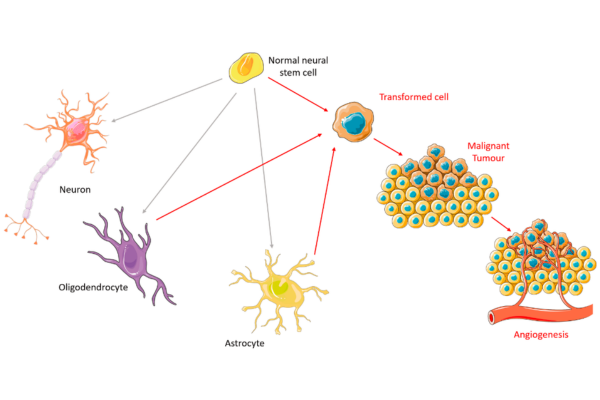
Introduction to Neuro-Oncology
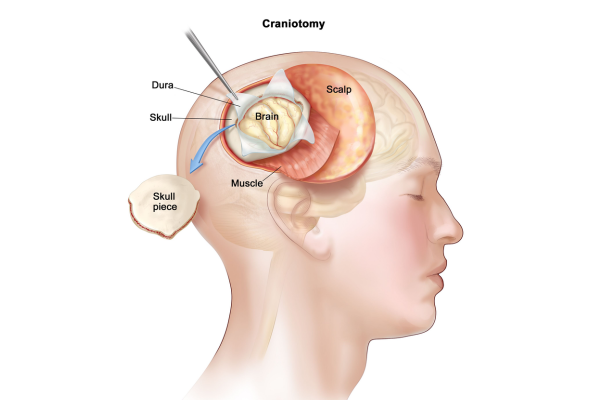
Clinical Management of Brain Tumors

Neuro-Oncology Research and Clinical Trials
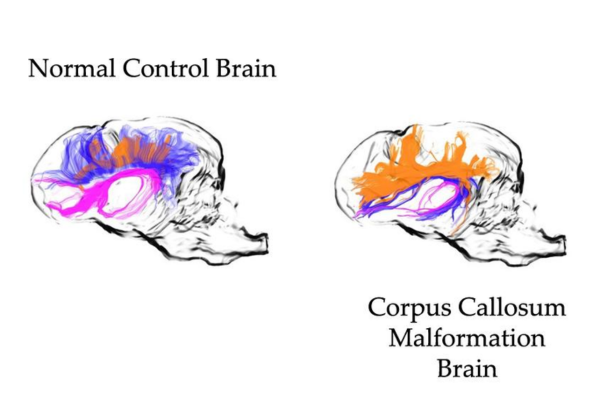
Advanced Neuroimaging Techniques
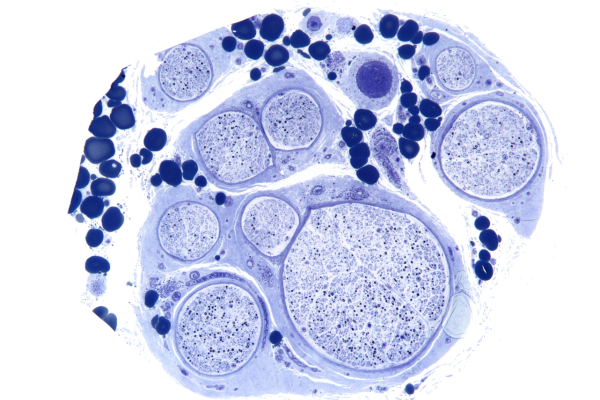
Neuropathology and Molecular Diagnostics

Palliative Care and Symptom Management
Key Features
- Attending /Non-Attending Classes
- Free Study Material with recorded lectures
- Best Faculties (Super Specialists) of India
4. Library Access & Question & Answer Session
5. 1 Year of Mentorship
6. Updated Curriculum
Course Curriculum
- A Brief History of Neuro-Oncology
- Central Nervous System (CNS) Anatomy and Physiology
- Brain and Spinal Tumors Classification (WHO 2021)
- Genetics of CNS Tumors
- Basics of Neuroimmunology and Tumor Microenvironment
- Neuroimaging (MRI, MRS, fMRI, PET, CT)
- Neuro-pathology: Histological and Molecular Diagnostics
- Cerebral Spinal Fluid (CSF) analysis and Liquid Biopsy in CNS Tumors
- Neurocognitive Assessment and Functional Mapping
- Tumor Grading and Staging
- Principles of Neurosurgical Oncology
- Pre-operative Planning and Navigation
- Awake Craniotomy and Intra-operative Monitoring
- Skull Base Tumor Approaches
- Postoperative Management and Complications
- Chemotherapy and Targeted Treatment
- Stereotactic Radiosurgery (SRS, IMRT, Proton Therapy)
- Side Effect and Toxicity Management
- Drug Delivery and Blood-Brain Barrier
- Immunotherapy and New Therapies
- Frequent Tumors of the CNS in Children (Medulloblastoma, Ependymoma, etc.)
- Pediatric Tumors and Genetic Syndromes
- Treatment Strategies in Children
- Neurodevelopmental Considerations and Rehabilitation
- Long-Term Follow-up and Survivorship
- Symptom Management in Advanced Disease
- Palliative Radiotherapy and Chemotherapy
- Psychological and Cognitive Support
- Neurorehabilitation Techniques
- Palliative Care and Ethics
- CNS Tumors Involving the Hypothalamic-Pituitary Axis
- Assessment and Treatment of Hormonal Abnormalities
- Paraneoplastic Neurological Syndromes with CNS Malignancies
- Endocrine Sequelae Post-Therapy
- Endocrine Care in Neuro-Oncology
- Genetic Counseling and Testing in Neuro-Oncology
- Hereditary Tumor Syndromes (e.g., NF1/NF2, Li-Fraumeni, VHL)
- Next-Generation Sequencing and Genomic Profiling
- CRISPR, Gene Therapy and Neuro-Oncology
- Ethical Considerations for Genetic Data
- Lung, Breast, Melanoma and GI Metastases to the Brain
- Leptomeningeal Database: Diagnosis and Management
- Stereotactic Radiosurgery for Metastatic Disease
- Targeted Therapies and Systemic Agents
- Survival Prediction Models
- Roles of Neuro-Oncology Nursing Specialists
- Coordinating Care Across Disciplines
- Patient Education and Advocacy
- Supportive Care Pathways
- Reducing Burnout in Oncology Staff
- Barriers to Diagnosis and Care
- Affordable Imaging and Treatment
- Neuro-Oncology and Mobile Health/Telemedicine
- Establishing Tumor Registries and Outreach Services
- Policy and Advocacy for Neuro-Oncology Awareness
- Neuro-Oncology Quality Indicators
- Risk Assessment and Clinical Audit Tools
- Operative Safety and Infection Control
- Tumor Registry and Documentation Standards
- Implementing Patient-Centered Protocols
- Radiomics and Radiogenomics Applications
- Functional and Connectome Imaging
- Tumor Segmentation and Diagnosis with Machine Learning
- AI-Powered Prognostication Tools
- Augmented and Virtual Reality for Surgical Simulation
- Immune Evasion by Tumors in the CNS
- Checkpoint Inhibitors and CAR-T Cell Therapy
- Immunotherapy for Glioblastoma and Meningioma
- Immunologic Monitoring and Biomarker Development
- Combination Therapies and Resistance Mechanisms
- Tumor-Associated Vascular Malformations (AVMs, Hemangioblastomas)
- Stroke Risk in Cancer Patients
- Vascular Complications of Therapy
- Neurovascular Imaging Techniques
- Surgical and Endovascular Interventions
- Pharmacokinetics and Drug Delivery to CNS Tumors
- Approaches to Break the Blood-Brain Barrier
- Pharmacogenomics and Personalized Treatment Plans
- Drug Repositioning in Neuro-Oncology
- Toxicity Management and Supportive Care Drugs
- Legal and Informed Consent in Neuro-Oncology
- Disability and Social Support Systems
- Cultural Considerations in End-of-Life Conversations
- Neuro-Oncology Practice Differences Worldwide
- Health Education and Awareness Campaigns
- Electronic Health Records and Clinical Decision Support
- Combining Imaging, Genomic, and Clinical Notes
- Creating and Evaluating Tumor Registries
- Data Privacy, Security, and Ethics
- Real-World Evidence and Outcomes Research
- Neuropsychological and Psychosocial Effects of CNS Tumors
- Adaptive and Rehabilitative Strategies
- Survivorship Care Plans and Risk-Based Follow-up
- Surveillance for Recurrence and New Tumors
- Patient Stories and Quality of Life Measures
- Next Generation Medtech and Neurosurgical Instruments
- Creating Startups in Digital Neuro-Oncology
- Working with Biomedical Engineers
- Engaging Investors in Research and Innovations
- Regulatory Pathways and Intellectual Property
Fill Form Our Team Will Contact Soon
Choose medicalglobalacademy as your trusted partner for medical education and elevate your expertise to new heights.
Frequently Asked Questions
To apply, visit the course page of your interest and click on the ‘Apply Now’ button. Follow the instructions to complete your application. You may need to submit relevant documents and a resume.
Yes, all our courses are accredited by recognized medical and educational institutions. Details of accreditation can be found on each course page.
Yes, we offer a variety of online courses to provide flexibility for our students. Check the course descriptions for information on whether a course is available online.
You can contact our support team via email at support@medicalglobalacademy.com or call us at [+919310027474]. Our support team is available Monday to Friday from 9 AM to 6 PM.
Which Post-MBBS Course Format Is Right for You?
Answer three quick questions and we'll match you to the format that fits your goals — Certificate, PG Diploma, or Fellowship.