
FELLOWSHIP IN MINIMAL ACCESS SURGERY
Discover the world of fellowship in minimal access surgery with a practice-oriented postgraduate diploma program. Ideal for healthcare professionals seeking diagnostic skill excellence, this course offers clinical training and expert mentorship.
Batch starts on
Jan to Dec/ May to June
Course Duration
12 Months
Learning Format
Online Mode
Flexible payment
financing options available
Program overveiw
MGA Medical Global Academy’s Fellowship in Minimal Access Surgery is an advanced programme designed to enhance the expertise of surgeons and MS professionals in minimally invasive surgical approaches. This structured 12-month fellowship combines theoretical learning with comprehensive coverage of laparoscopic, endoscopic and robotic-assisted surgery. The programme focuses on surgical accuracy, patient safety, peri-operative management and patient recovery, while introducing learners to modern surgical technologies and evidence-based surgical practices. Fellows explore gastrointestinal, gynaecological, urological, hepatobiliary, colorectal, spine and robotic-assisted minimal access surgery, supporting their continued development in modern surgical practice.
Skills You Will Gain
- Understanding of laparoscopic surgical techniques, positioning, trocar placement, CO2 insufflation and operating room ergonomics
- Knowledge of robotic surgery procedures across gastrointestinal, gynaecological, urological, colorectal and cardiac surgery
- Understanding of tissue dissection, intracorporeal suturing, stapling, vessel sealing and haemostasis techniques
- Knowledge of managing surgical complications such as bleeding, bowel injury, gas embolism and conversion to open surgery
- Understanding of modern technologies including robotic systems, laser-assisted surgery, surgical navigation and minimally invasive spine surgery
- Knowledge of peri-operative care, infection control, post-operative recovery and patient safety management
- Understanding of research methodology, evidence-based surgical practice, medical ethics, leadership and interdisciplinary collaboration in minimal access surgery
Career Outcomes After the Fellowship
- Develop professional expertise in Minimal Access Surgery, including laparoscopic and robotic surgical approaches
- Explore opportunities in multispecialty hospitals, surgical centres, laparoscopic units and minimally invasive surgery centres
- Pursue opportunities across gastrointestinal, hepatobiliary, gynaecological, urological, colorectal, bariatric and robotic surgery
- Support better patient outcomes through minimally invasive surgical approaches and appropriate recovery planning
- Contribute to teaching, clinical research and medical innovation initiatives
- Collaborate with surgical and critical care teams in advanced patient care
- Explore emerging technologies including robotic surgery, AI-assisted surgery, endoscopic surgery and laser-assisted surgery
- Continue professional development in advanced surgical practice, evidence-based surgery and minimally invasive healthcare delivery
What you'll learn
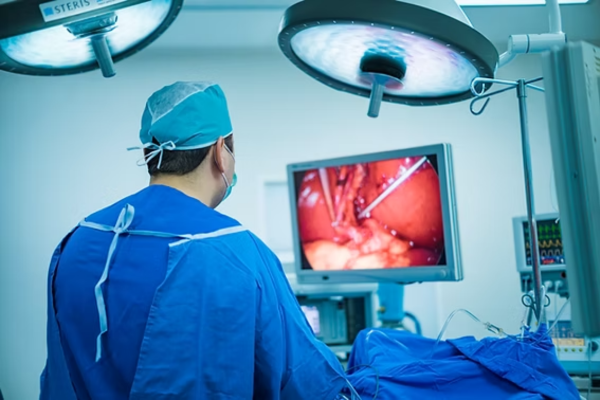
Introduction to Minimal Access Surgery
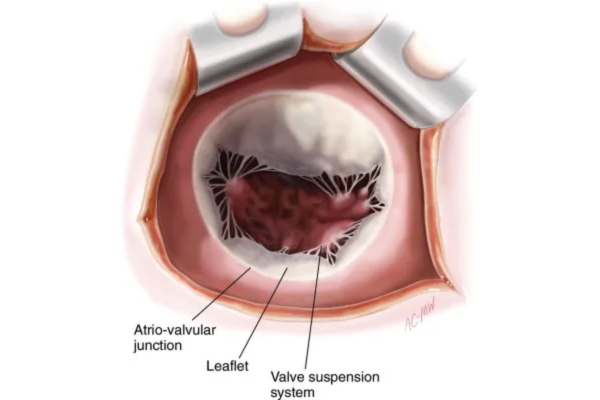
Surgical Anatomy and Physiology
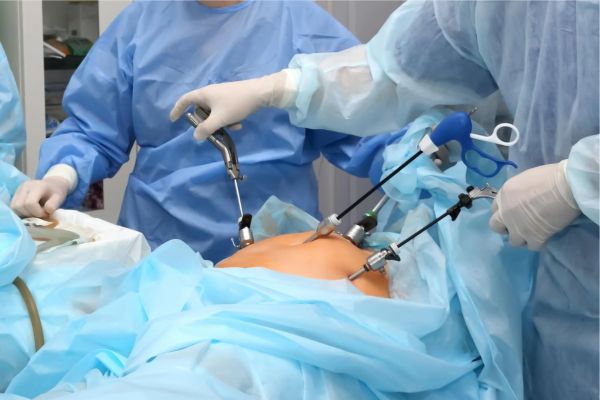
Laparoscopic Techniques
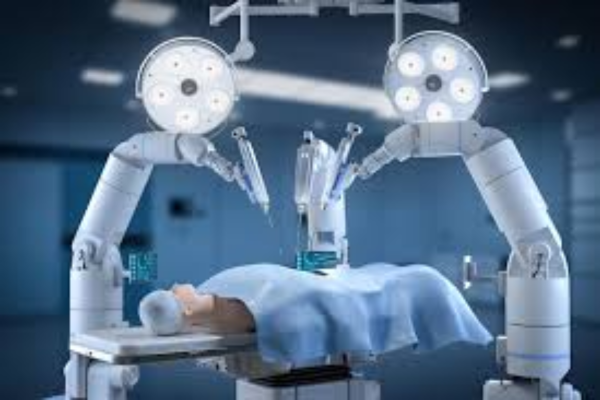
Robotic Surgery
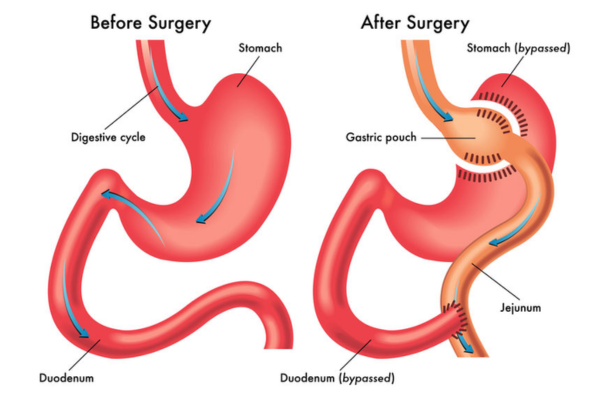
Bariatric Surgery
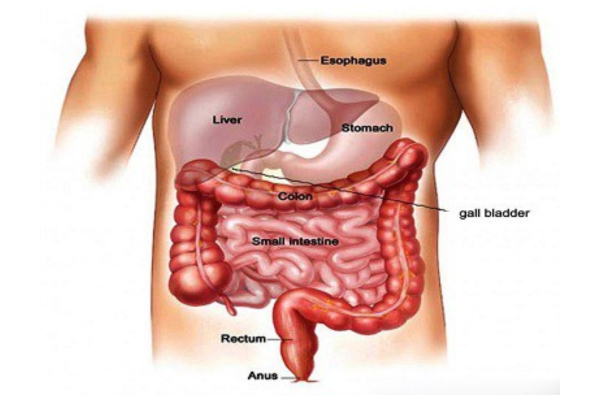
Gastrointestinal Surgery
Key Features
- Attending /Non-Attending Classes
- Free Study Material with recorded lectures
- Best Faculties (Super Specialists) of India
4. Library Access & Question & Answer Session
5. 1 Year of Mentorship
6. Updated Curriculum
Course Curriculum
- Minimal access surgery: history and evolution.
- Advantages and disadvantages of MAS.
- Principles: Indications, contraindications and patient selection.
- Equipment and instruments used in MAS
- Patient positioning and precautions.
- Laparoscopic camera systems, and optics.
- Principles of tissue manipulation and sewing skills.
- Introduction to laparoscopy: Ports, CO2 insufflation, and ergonomics.
- Simple laparoscopy: Cholecystectomy (removal of the gallbladder), appendectomy.
- Manipulation of tools: Laparoscopic needle driver, graspers, and scissors.
- Relevant surgical anatomy of laparoscopic surgery.
- Simple knot-tying and suture.
- Perioperative management: Preoperative management, anesthesia, and postoperative management.
- Innovative laparoscopic procedures: Colectomy, hernia repair (inguinal, ventral), bariatric surgery.
- Laparoscopic gastrointestinal surgery complex processes.
- Tissue dissection and vessel sealing principles and hemostasis.
- Suture and stapling of the laparoscopic operation.
- Advanced skills: Single-incision laparoscopic surgery (SILS) and robotic-assisted surgery
- Management of laparoscopic complications
- Partial nephrectomy and laparoscopic nephrectomy.
- Stone surgery and laparoscopic pyeloplasty.
- Urologic robot surgery.
- Laparoscopy Urological anatomy.
- Less invasive prostate surgery.
- Treatment of typical urological complications.
- Laparoscopic hysterectomy: Methods, indications and patient selection.
- Ovarian cystectomy, myomectomy and tubal surgery.
- surgery on endometriosis and intra-pelvic adhesions.
- Robotic-assisted gynecological surgery
- Complications in laparoscopic gynecology.
- Laparoscopic colonic and rectal resections.
- Laparoscopic liver resection and laparoscopic cholecystectomy.
- Hepatobiliary surgery: Principles and techniques.
- Management of gastrointestinal bleeding through endoscopic and laparoscopic means
- Gastrointestinal complications of MAS and their treatment.
- Laparoscopic esophageal surgery
- The fundamentals of robotic surgery: Pros and cons.
- Laparoscopic surgery using robots.
- Robotization of instrumentation and system.
- Urological, gynecological and colorectal surgery uses.
- Robotic surgery in cancer surgery.
- Ergonomic and patient positioning in robotic surgery.
- Endoscopic retrograde cholangiopancreatography (ERCP).
- Gastrointestinal surgery- Endoscopic ultrasound (EUS).
- Endoscopic hybrid and laparoscopic.
- Diagnostic laparoscopy and staging of malignancies.
- Endoscopic treatment of gastrointestinal and biliary diseases.
- Typical problems with laparoscopic surgery (e.g., bleeding, bowel injury, gas embolism)
- Postoperative care and recovery
- The treatment of surgical site infection in minimal access procedures.
- Complication prevention strategies: Surgical checklists, monitoring of patients.
- Emergency operations in MAS (e.g., conversion to open surgery)
- Ethical issues in minimal access surgery
- Present trends and advances in MAS.
- Clinical research and evidence-based medicine in MAS.
- How to write and publish in medical journals.
- Further education of medicine and career in MAS.
- Surgical and interdisciplinary leadership skills.
- Robot-assisted coronary artery bypass grafting (CABG).
- Mitral valve repair and replacement through robots.
- Robotic atrial septal defect (ASD) repair and other defect repairs of the heart.
- Robotically assisted minimal invasive heart valve surgeries.
- Robotic-assisted A-fibrillation surgery (e.g., atrial fibrillation ablation)
- Robotic technologies in cardiac surgery.
- Robotic cardiac surgery intraoperative imaging and echocardiography.
- Percutaneous lumbar discectomy and minimally invasive lumbar fusion.
- Minimally invasive spinal deformity repair (e.g. scoliosis, kyphosis)
- Spinal tumor resection and biopsy using minimally invasive techniques
- Endoscopic procedures in cases of stenosis of the spine and disc herniations.
- Spinal surgery Robotic navigation and guidance.
- Breakthroughs in MAS spinal instrumentation and prosthetics.
- Management of complications in spine MAS
- Rectal cancer Transanal total mesorectal excision (TAMIS).
- TAMIS in the treatment of rectal polyps and early rectal cancers.
- High-tech transanal surgery of benign colorectal diseases.
- In TAMIS procedures, perioperative care and complications.
- Transanal surgery robotic assistance in rectal surgery.
- Integration of TAMIS and laparoscopic surgery, as well as robotic surgery, in complex cases.
- Endoscopic discectomy and decompression for lumbar and cervical spine
- Endoscopic fusion spinal surgery.
- Endoscopic surgery of herniated discs and stenosis, which are minimally invasive.
- Spinal arthrodesis via endoscopic techniques
- Endoscopic spine surgery imaging and navigation.
- Treatment of spinal deformities with least invasive techniques.
- Endoscopic spine surgeries and postoperative care and rehabilitation.
- Laser technology concepts in surgery.
- Applications of lasers in urology: Lithotripsy, prostate surgery, and bladder surgery.
- Laser applications in gynecological procedures: Myomectomy, ablation of endometriosis.
- Applications of laser in gastrointestinal surgeries: Biliary surgery, cancer surgery.
- Laparoscopic colorectal and pelvic surgery with the help of lasers.
- Laser systems innovations in robotic and minimally invasive surgery.
- Laser surgery complications and precautions.
Our Accrediation Partners



Fill Form Our Team Will Contact Soon
Choose medicalglobalacademy as your trusted partner for medical education and elevate your expertise to new heights.
Frequently Asked Questions
To apply, visit the course page of your interest and click on the ‘Apply Now’ button. Follow the instructions to complete your application. You may need to submit relevant documents and a resume.
Yes, all our courses are accredited by recognized medical and educational institutions. Details of accreditation can be found on each course page.
Yes, we offer a variety of online courses to provide flexibility for our students. Check the course descriptions for information on whether a course is available online.
You can contact our support team via email at support@medicalglobalacademy.com or call us at [+919310027474]. Our support team is available Monday to Friday from 9 AM to 6 PM.
Which Post-MBBS Course Format Is Right for You?
Answer three quick questions and we'll match you to the format that fits your goals — Certificate, PG Diploma, or Fellowship.