
FELLOWSHIP IN BREAST SURGICAL ONCOLOGY
Advance your expertise in breast cancer surgery with MGA’s Fellowship in Breast Surgical Oncology. This 12-month programme covers lumpectomy, mastectomy, sentinel lymph node biopsy, oncoplastic reconstruction and advanced breast imaging through online training, structured learning and expert mentorship. Strengthen your knowledge and clinical decision-making in modern breast surgical oncology.
About the Programme
MGA's Fellowship in Breast Surgical Oncology is a 12-month advanced online fellowship for doctors with a minimum of 4 years of clinical experience who want to build specialist-level expertise in breast cancer surgery and multidisciplinary oncology care. This breast surgery fellowship goes well beyond standard surgical training — covering the complete breast cancer care pathway from early detection and imaging interpretation to lumpectomy, mastectomy, sentinel lymph node biopsy, oncoplastic reconstruction, and systemic therapy integration.
The fellowship in breast surgery India curriculum spans 18+ modules — covering advanced surgical techniques, imaging-guided surgery, oncoplastic and reconstructive procedures, tumor board participation, genetic risk management, precision medicine, and palliative care. This online breast surgical oncology fellowship combines evidence-based academic learning with expert faculty guidance from India's leading breast oncology surgeons, free study materials, e-library access, CPD certification, and one year of structured mentorship — making it one of the most comprehensive breast surgery fellowship programs available for working doctors across India.
"Fellows transition from surgical practitioners to holistic breast oncology clinicians — leading multidisciplinary tumor boards, designing treatment protocols, and delivering specialist-level breast cancer care across India's leading cancer centres."
- MBBS Graduates (4+ yrs experience)
- MS Surgery / Surgical Oncology
- MD / MS Physicians
- General Surgeons
- NMC-Qualified Doctors
Skills You Will Gain from This Breast Surgical Oncology Fellowship
Six core clinical competencies covering the full breast surgical oncology spectrum of this online fellowship in breast surgery India.
Career Outcomes After This Breast Surgical Oncology Fellowship
Graduates of MGA's Fellowship in Breast Surgical Oncology advance into specialist roles across India's leading cancer hospitals, breast care units, and academic institutions.
Fellowship in Breast Surgical Oncology — Key Features
Everything MGA provides in this online breast surgery fellowship India
Accreditation & Recognition
What you'll learn

Introduction to Breast Surgical Oncology
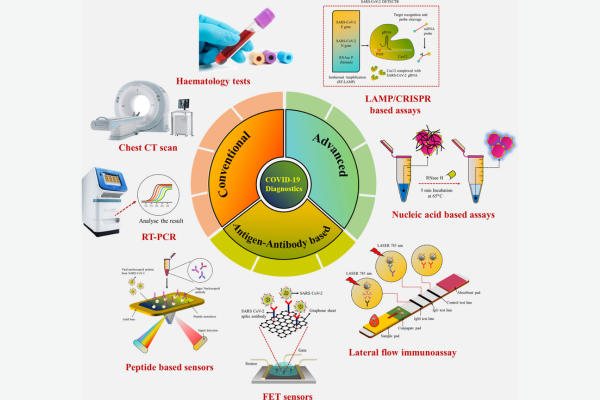
Diagnostic Techniques
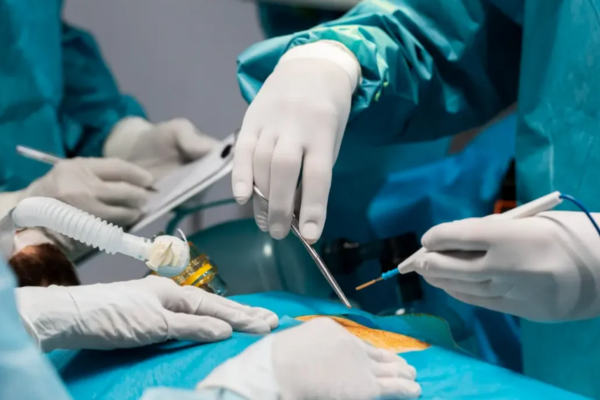
Surgical Techniques and Procedures
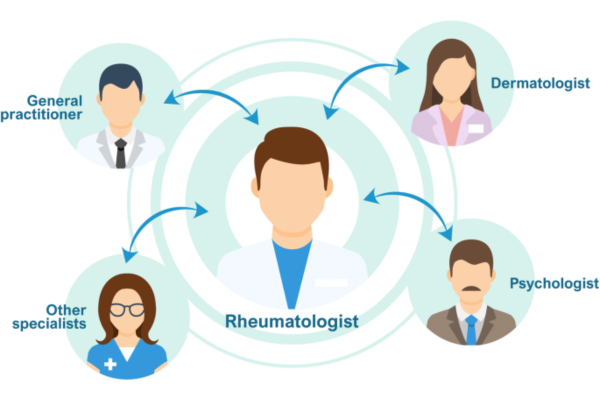
Multidisciplinary Management

Advanced Treatment Options
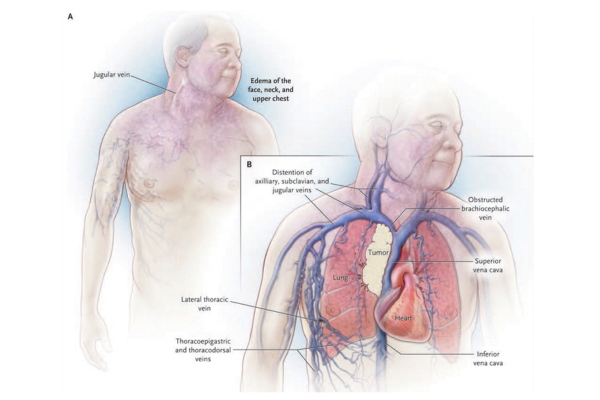
Oncological Emergencies and Complications (Month 7)
Key Features
- Attending /Non-Attending Classes
- Free Study Material with recorded lectures
- Best Faculties (Super Specialists) of India
4. Library Access & Question & Answer Session
5. 1 Year of Mentorship
6. Updated Curriculum
Course Curriculum
- Fundamentals of breast cancer biology and genetics
- Principles of breast surgery
- Principles of oncological surgery and cancer staging
- Evaluation and work-up of the patient
- Radiology in breast cancer work-up
- Surgery for early-stage breast cancer
- Lumpectomy and mastectomy techniques
- Sentinel lymph node biopsy (SLNB)
- Axillary lymph node dissection (ALND)
- Oncoplastic surgery: aesthetic and reshaping surgery
- Breast reconstruction after mastectomy
- Keyhole breast surgery
- Robotic surgery for breast cancer
- Working with oncologists, radiologists, pathologists and reconstructive surgeons
- Importance of chemotherapy, radiotherapy and hormonal treatment
- Treatment of high-risk breast cancer patients
- Tumor board and case presentations
- Psychosocial issues in breast cancer care
- Recent advances in breast cancer genomics and precision medicine
- New developments in neoadjuvant and adjuvant treatments
- Targeted therapies in surgical oncology
- Immunotherapy and personalised medicine in breast cancer
- Performing and publishing breast cancer research
- Translational breast surgical research
- Treatment of complications (infection, hematoma, lymphedema)
- Postoperative pain control in breast surgery
- Physiotherapy after surgery
- Surveillance and follow-up for recurrence
- Psychosocial support and counselling
- Complex breast reconstruction (autologous and implants)
- Breast reconstruction for complications and aesthetics
- Locally advanced breast cancer
- Surgical management of recurrence and metastatic breast cancer
- Psychology of breast reconstruction
- Aesthetics and breast cancer surgery
- Advanced breast imaging technologies (MRI, PET-CT, ultrasound)
- Use of molecular imaging in surgery
- Liquid biopsy and genetic testing for diagnosis and therapy
- Impact of breast density on screening
- Artificial intelligence and digital pathology for breast cancer
- Global inequalities in breast cancer treatment
- Ethical issues in breast cancer surgery and care
- Cultural aspects of breast cancer care
- Addressing the psychological effects of breast cancer in different cultures
- Education and advocacy for breast cancer awareness
- Strategies to address disparities in breast cancer care
- In-depth discussion of oncoplastic breast conservation
- Cosmetic results with breast-conserving surgery
- Correcting post-surgical breast asymmetry
- Achieving cosmetic outcomes without compromising oncological outcomes
- Improving patient outcomes and satisfaction after surgery
- Using intraoperative imaging during oncoplastic surgery
- Understanding the pathophysiology and diagnosis of lymphedema
- The role of lymphatic mapping in surgery
- Surgical options for axillary lymph nodes and lymphedema prevention
- Conservative management and rehabilitation for lymphedema
- Treatment with lymphatic microsurgery and vascularized lymph node transfer
- Multidisciplinary approaches to lymphedema care
- Hereditary breast cancers (BRCA1, BRCA2, other mutations)
- Incorporating genetic counseling and testing in surgery
- Approaches for high-risk patients with genetic mutations
- Prophylactic surgeries and risk reduction strategies
- Family history of breast cancer and genetic syndromes other than BRCA
- Genetic testing for breast cancer: ethical considerations
- Surgery in the treatment of triple-negative breast cancer (TNBC)
- How to treat Her2-positive breast cancer
- Combining systemic treatment (chemotherapy, targeted therapies, immunotherapy) with surgery
- Pre- and post-surgery treatment for aggressive cancer types
- Surgical strategies guided by genetic and molecular predictors
- Collaborative care of aggressive cancers by multidisciplinary teams
- Palliative care for advanced breast cancer
- Role of surgery in palliative care: when, why and how
- Managing pain, symptoms and improving quality of life in metastatic breast cancer
- Addressing end of life: prognosis and treatment options
- Psychosocial support for patients and families
- Ethical issues in end-of-life care for breast cancer
- Use of MRI and functional imaging in breast cancer surgeries
- 3D imaging for tumour delineation and margin evaluation
- Use of contrast-enhanced ultrasound and elastography
- Tomosynthesis and surgery
- Imaging for guidance during breast cancer surgery
- New imaging in detecting occult or multifocal disease
- Breast cancer’s psychological effects on the patient
- Body image and coping strategies in surgical options
- Support groups, therapy and psychological support
- Managing emotions and enhancing well-being
- Continued psychological care for survivors
- Personalising patient education and communication
- Developing quality assurance programs for breast surgery
- Measuring outcomes: determining the success rate and complications of surgery
- Collecting data, auditing and measuring outcomes in breast surgery
- Reducing complications and error in surgery
- Best practices in breast cancer surgery
- Use of patient-reported outcomes (PROs) in practice
- Overcoming barriers to breast cancer diagnosis and treatment in resource-poor environments
- Surgical management in low-resource settings
- Breast cancer awareness and public health programs
- Approaches to address global breast cancer inequalities
- Partnerships with global organisations to combat breast cancer
- Creating a sustainable model for breast cancer care globally
- The use of new technologies in breast cancer surgery (robotic, artificial intelligence, etc.)
- Innovations in minimally invasive breast surgery (endoscopic, laparoscopic surgery)
- How personalized medicine is guiding surgery
- The role of immunotherapy in breast cancer and its impact on surgery
- The potential of nanotechnology in breast cancer care
- What the future holds for breast cancer screening, detection and surgery
Our Accrediation Partners



Fill Form Our Team Will Contact Soon
Choose medicalglobalacademy as your trusted partner for medical education and elevate your expertise to new heights.
Frequently Asked Questions
To apply, visit the course page of your interest and click on the ‘Apply Now’ button. Follow the instructions to complete your application. You may need to submit relevant documents and a resume.
Yes, all our courses are accredited by recognized medical and educational institutions. Details of accreditation can be found on each course page.
Yes, we offer a variety of online courses to provide flexibility for our students. Check the course descriptions for information on whether a course is available online.
You can contact our support team via email at support@medicalglobalacademy.com or call us at [+919310027474]. Our support team is available Monday to Friday from 9 AM to 6 PM.
Which Post-MBBS Course Format Is Right for You?
Answer three quick questions and we'll match you to the format that fits your goals — Certificate, PG Diploma, or Fellowship.