
FELLOWSHIP IN DERMATOLOGY
Advance your expertise with the Fellowship in Dermatology at Medical Global Academy (MGA). Designed for medical professionals, this clinically focused fellowship provides comprehensive training in medical dermatology, cosmetic dermatology, and dermatologic procedures. Through evidence-based learning, structured clinical exposure, expert mentorship, LMS access, CPD certification, and one year of academic support, participants develop the clinical confidence to diagnose, manage, and treat a wide range of skin, hair, and nail disorders while expanding their expertise in modern dermatology practice.
- MD and above Qualifications
- MBBS ( 4 to 5 year experience required )
Batch starts on
Jan to Dec/ May to June
Course Duration
12 Months
Multimodal Program
Hybrid Mode & Clinical Attachment
Flexible payment
financing options available
Fellowship in Dermatology Programme Overview
Skin diseases are among the most frequently encountered conditions in clinical practice, and the demand for qualified dermatology professionals continues to grow with the increasing need for medical, cosmetic, and procedural skin care. Successfully managing dermatological conditions requires more than recognizing skin lesions—it requires accurate diagnosis, evidence-based treatment planning, procedural expertise, and an understanding of emerging therapies.
The Fellowship in Dermatology at Medical Global Academy (MGA) is designed to help doctors build advanced clinical expertise across the full spectrum of dermatology. The program provides comprehensive training in diagnosing and managing common as well as complex skin, hair, nail, and pigmentary disorders while strengthening clinical decision-making and patient-centered care.
The curriculum combines structured academic learning with clinical exposure in medical dermatology, cosmetic dermatology, dermatosurgery, dermatopathology, dermoscopy, laser procedures, aesthetic dermatology, hair restoration, and minimally invasive skin treatments. Participants also gain knowledge of inflammatory skin diseases, autoimmune disorders, pediatric dermatology, geriatric dermatology, cutaneous oncology, and evidence-based therapeutic approaches used in modern dermatology practice.
Beyond disease management, the program focuses on helping participants develop practical clinical judgment, improve patient consultation skills, understand procedural planning, and manage complications safely. Equal emphasis is placed on ethical practice, current clinical guidelines, multidisciplinary care, and continuous professional development, preparing participants to confidently integrate dermatology into everyday clinical practice.
Participants also benefit from LMS-based learning, CPD certification, and one year of expert mentorship, providing continuous academic support while keeping them updated with the latest advances in dermatology and aesthetic medicine.
Clinical Skills You’ll Develop During the Dermatology Fellowship
Throughout the Dermatology Fellowship, participants strengthen their expertise in:
- Clinical diagnosis and management of common and complex skin, hair, and nail disorders.
- Dermoscopy, skin biopsy interpretation, and dermatopathology for accurate diagnosis.
- Management of acne, eczema, psoriasis, rosacea, vitiligo, pigmentary disorders, and autoimmune skin diseases.
- Principles of Dermatosurgery Fellowship procedures, including scar revision, skin lesion management, and minor dermatologic surgery.
- Cosmetic dermatology procedures such as botulinum toxin therapy, dermal fillers, PRP, chemical peels, microneedling, laser treatments, and skin rejuvenation.
- Hair restoration therapies and modern approaches to scalp disorders.
- Recognition and management of melanoma, non-melanoma skin cancers, and precancerous lesions.
- Patient consultation, individualized treatment planning, complication prevention, and ethical dermatology practice.
- Evidence-based dermatology, research methodology, and emerging therapeutic innovations.
Career Opportunities After the Fellowship in Dermatology
Completing the Fellowship in Dermatology prepares medical professionals for rewarding careers across clinical dermatology, cosmetic dermatology fellowship practice, and procedural skin care. As patient demand for specialized dermatology services continues to increase, the fellowship helps doctors expand both their clinical capabilities and career opportunities.
After completing the program, participants may explore opportunities in:
- Dermatology departments of multispecialty hospitals.
- Cosmetic dermatology and aesthetic medicine clinics.
- Skin, laser, and hair restoration centers.
- Private dermatology practice.
- Dermatologic surgery and procedural dermatology clinics.
- Academic institutions and medical education.
- Clinical research and evidence-based dermatology programs.
- Multidisciplinary teams working alongside plastic surgeons, oncologists, rheumatologists, and aesthetic physicians.
Whether you are looking for a Fellowship in Dermatology after MBBS, planning to pursue an International Dermatology Fellowship in the future, or aiming to strengthen your expertise in Cosmetic Dermatology, this program provides the clinical knowledge, procedural understanding, and professional confidence needed to build a successful career in one of the fastest-growing medical specialties.
Why Choose Medical Global Academy for a Fellowship in Dermatology?
Choosing the right Fellowship in Dermatology is about more than earning an additional qualification—it’s about developing the clinical confidence to diagnose complex skin conditions, perform dermatologic procedures safely, and provide evidence-based care that improves patient outcomes.
At Medical Global Academy (MGA), the fellowship is designed to help doctors bridge the gap between theoretical knowledge and real-world dermatology practice. The curriculum emphasizes structured learning, clinical reasoning, patient assessment, and procedural planning, enabling participants to confidently manage both medical and cosmetic dermatology cases.
What Makes MGA Different?
- Comprehensive curriculum covering medical, cosmetic, and procedural dermatology.
- Evidence-based learning aligned with current dermatology guidelines.
- Structured clinical exposure focused on diagnosis and treatment planning.
- Expert faculty guidance and one year of academic mentorship.
- LMS access with recorded lectures and updated study materials.
- CPD certification supporting continuous professional development.
- Strong emphasis on patient safety, ethical practice, and personalized dermatological care.
Whether you want to strengthen your existing clinical practice, expand into Cosmetic Dermatology, or pursue one of the leading Dermatology Fellowship programs, Medical Global Academy provides the knowledge, clinical perspective, and ongoing support needed to build long-term success in modern dermatology.
What you'll learn
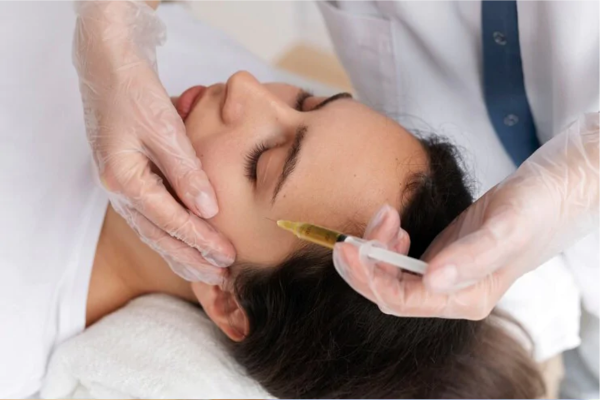
Unveiling the Skin Canvas
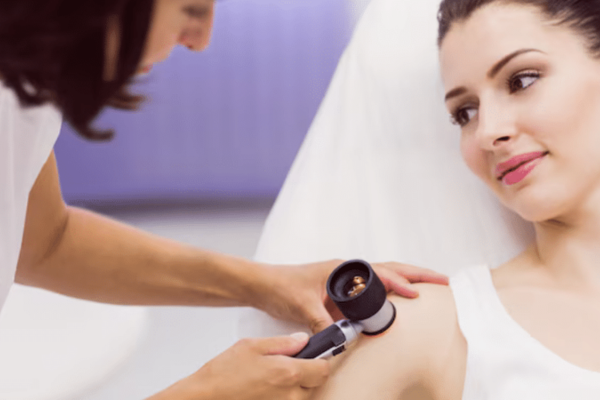
Deciphering Dermatological Dilemmas

Patterns and Pathways

Emergencies and Beyond
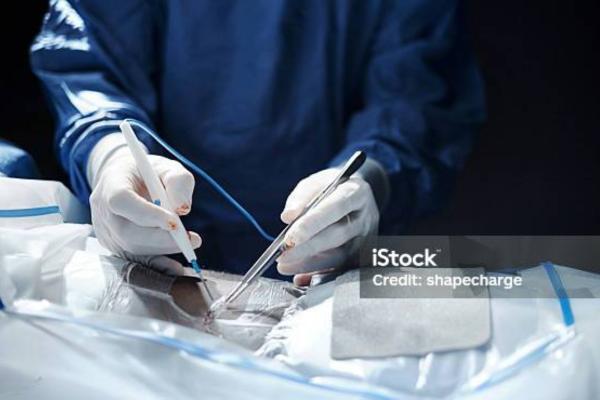
Tools of the Trade
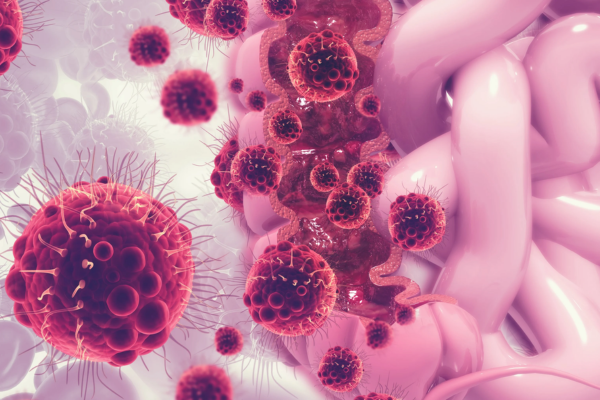
Tumultuous Tumors
Key Features
- Attending /Non-Attending Classes
- Clinical Training in Nearest Hospital/Clinics.
- Free Study Material with recorded lectures
- Best Faculties (Super Specialists) of India
5. Library Access & Question & Answer Session
6. NAAC A+ University
7. 1 Year of Mentorship
8. Updated Curriculum
Course Curriculum
- Clinical Diagnosis and Workup: Common and uncommon dermatologic diseases.
- Dermatoscopy: New methods of skin cancer early detection using dermatoscopic instruments.
- Histopathology and Dermatopathology: Intensive analysis of skin biopsy, immunohistochemistry, and molecular analysis.
- Teledermatology: Digital health and remote diagnosis in dermatology: best practice.
- Genetic Testing: Genetic testing in rare dermatologic disease.
- Mohs Micrographic Surgery: High-tech methods of removing skin cancer with minimum tissue damage.
- Laser Treatments: Fractional laser treatment Overview of laser in dermatology (fractional, CO2, pulsed dye lasers)
- Cosmetic Dermatologic Surgery: Non-invasive cosmetic surgeries of the face (Botox, dermal fillers, PRP)
- Scar Revision: Future Strategies of hypertrophic scarring, keloids, and post-surgical healing.
- Dermatologic Emergencies: Dermatologic emergencies [surgical] management.
- Psoriasis and Eczema: Best practices in the management and biologic therapies.
- Autoimmune Skin Disorders: Systemic Lupus erythematosus, dermatomyositis and vasculitis.
- Cutaneous Lymphomas:Diagnosis, staging, and treatment of cutaneous T-cell lymphoma.
- Pigmentary Disorders: Vitiligo, melasma, and other hyperpigmentation disorders
- Acne Vulgaris and Rosacea: Advanced therapy, systemic treatment, and new treatment.
- Hidradenitis Suppurativa: Multidisciplinary approach to the management of this chronic inflammatory skin disease.
- Routine Pediatric Dermatology: Eczema, impetigo, and atopic dermatitis.
- Genodermatoses: Epidermolysis bullosa and ichthyosis are genetic skin diseases in children.
- Neonatal Dermatology: Neonatal acne, dermatologic manifestations of systemic disease, birthmarks.
- Pediatric Dermatology: Dermatologic Manifestations of Systemic Conditions Rheumatic Disease, Metabolic Disease, and Genetic Syndrome.
- Laser Therapy in Pediatrics: Laser treatment of children, safe and effective.
- Skin Cancer Epidemiology and Prevention: Melanoma, basal cell carcinoma and squamous cell carcinoma.
- Innovative Melanoma Management: Immunotherapy, targeted therapy and surgery.
- Non-Melanoma Skin Cancer: Prevention, surveillance and current treatment recommendations.
- Cutaneous Metastases: Syndrome and treatment of systemic cancer cutaneous involvement.
- Sentinel Lymph Node Biopsy: Surgical indications and procedures of cutaneous oncology.
- Aesthetic Rejuvenation: Complex botox, Dermal fillers, and PDO thread lifts.
- Hair Restoration: PRP injections, scalp micropigmentation and hair transplant.
- Chemical Peels and Microneedling: Indications, procedures and patient selection.
- Improved Skin Resurfacing: CO2 laser, Radiofrequency and PRP micro needling.
- Patient Safety and Ethics: Dealing with patient expectations, informed consent, and ethics in cosmetic surgery.
- Dermatologic Research principles: data analysis, statistics interpretation and study design.
- Dermatology Advances: New drugs, gene editing, and Stem cell therapy.
- Dermatology Clinical Trials: Guide to regulations and clinical trials.
- Publication Ethics: Dermatologic research, such as peer reviewed journal writing and publication.
- Research Methodology: Systematic Reviews, meta-analysis and evidence based dermatology.
- Dermatology in Pregnancy: Safe Pregnancy and the Skin.
- Geriatric Dermatology: Skin alterations, treatment problems and management of chronic skin diseases.
- Skin Care in HIV, cancer and transplant patients: Dermatological problems of Immunocompromised patients.
- Ethnically diverse population: dermatology Dermatology: Ethnicity and skin management: addressing the skin and its diversity.
- Global dermatology: Tropical dermatology, neglected tropical diseases, and dermatologic care of underserved communities.
- Practice Management: Practice development and management, billing, coding, and patient circulation.
- Dermatology Leadership: Building leadership skills, mentoring and leadership in a dermatology team.
- Quality Improvement: Clinical pathway implementation and patient outcomes.
- In Dermatology Telemedicine: Theazinerman et al. (2019) inquire in the context of specialization in dermatology.
- Ethics and Legal Issues in Dermatology: Malpractice, informed consent and professional conduct.
- Immunodermatology: The pathogenesis of skin autoimmune diseases, pemphigus, pemphigoid, and bullous diseases.
- Cytokines and Immune Pathways: The contribution of cytokines in skin inflammation, allergy and hypersensitivity reactions.
- Biologic Therapies in Dermatology: The use of biologic in the treatment of psoriasis, atopic dermatitis, and chronic urticaria.
- Cutaneous T-cell Lymphoma (CTCL): pathophysiology, diagnosis, and therapy with immunotherapies.
- Immunosuppressive Therapy: The best practices in the immunosuppressive therapy management in dermatology.
- Pharmacodynamics and Pharmacokinetics: Pharmacodynamics and Pharmacokinetics of drugs with respect to dermatology.
- Topical Therapies: Innovations, improved topical drug delivery, and delivery systems.
- Systemic therapies: Oral and Biologic medicines in the treatment of dermatology.
- Emerging Drug Therapies: Next generation: Gene therapy, small molecule inhibitor and gene therapy in dermatology.
- Adverse Drug Reactions: Diagnosing and treating drug-induced skin reactions, such as cutaneous adverse events of systemic drugs.
- Mechanisms of Skin aging: Cellular and molecular mechanisms of skin aging, including collagen degradation and oxidative stress.
- Dermatologic Conditions in aged persons: treatment of xerosis, actinic keratosis, basal cell carcinoma, and other prevalent diseases.
- Skin Diseases of Old Age: Skin disease in old age, seborrheic keratosis, senile purpura, aging and systemic diseases.
- Preventive Dermatology Aging Skin: How to stay healthier in your skin, sun protection, skin care, and advanced anti-aging treatments.
Geriatric Dermatologic Surgery: Use of Botox, fillers and lasers in older patients in non-invasive procedures.
Our Accrediation Partners

How to Apply
Fill the form our consult team will contact you soon
Choose medicalglobalacademy as your trusted partner for medical education and elevate your expertise to new heights.
Frequently Asked Questions
Doctors with an MBBS degree or higher medical qualification can apply for the Fellowship in Dermatology at Medical Global Academy. This programme is suitable for doctors who want to improve their understanding of clinical dermatology, skin disorders, hair conditions, nail diseases, and aesthetic dermatology while continuing their regular clinical practice and OPD patient care.
Doctors learn important dermatology concepts such as skin disease diagnosis, acne management, pigmentation disorders, fungal infections, eczema, psoriasis, hair fall assessment, nail disorders, and cosmetic dermatology basics. The programme also helps doctors improve differential diagnosis, treatment planning, OPD-based skin assessment, and clinical decision-making through case-based learning and structured academic sessions.
The Fellowship in Dermatology focuses on structured academic learning, clinical understanding, and case-based discussions. Where available, clinical observation and practical exposure can help doctors understand skin examination, dermatosis evaluation, dermoscopy basics, acne scar assessment, and common dermatology procedures more confidently. Doctors should check the latest course structure before admission to understand the current training format.
Yes, the programme is suitable for working doctors because it supports flexible learning through live classes, recorded sessions, guided study material, and structured academic support. Doctors can continue their medical practice while improving their understanding of common skin, hair, nail, and aesthetic concerns regularly seen in dermatology OPD and routine patient consultations.
No, a Fellowship in Dermatology does not replace MD or DNB Dermatology. It is a focused clinical learning programme designed to help doctors improve their understanding of dermatology, aesthetic care, chronic skin disease management, and patient counselling in routine practice. The fellowship can support skill development and clinical confidence, but it should not be considered equivalent to a postgraduate dermatology degree.