
FELLOWSHIP IN NEONATOLOGY
Discover the world of neonatology fellowship with a practice-oriented postgraduate diploma program. Ideal for healthcare professionals seeking diagnostic excellence, this course offers clinical training and expert mentorship.
Batch starts on
Jan to Dec/ May to June
Course Duration
12 Months
Multimodal Program
Hybrid Mode & Clinical Attachment
Flexible payment
financing options available
Program overview
The Fellowship in Neonatology by MGA Medical Global Academy is a practice-based post-graduation course, aimed at health care practitioners who wish to gain advanced knowledge and expertise in neonatal intensive care management and neonatal care. The program offers extensive clinical experience in the care and management of premature infants, neonatal resuscitation, respiratory support, neonatal nutrition, congenital anomalies, neurodevelopmental evaluation and management of complex neonatal disorders. Participants develop the skills to work in NICUs and acquire evidence-based knowledge on neonatal cardiology, neurology, endocrinology, pulmonology, infectious diseases, hematology and neonatal surgical care. The fellowship is also focused on compassionate family centered care, a multidisciplinary approach, ethical practice and research-focused learning in the field of neonatology.
Skills You Will Gain
Good knowledge of neonatal physiology and transition from fetal to neonatal life, and principles of neonatal intensive care.
Neonatal resuscitation, neonatal intensive care unit, ventilatory support, and strategies for respiratory care.
Experience in managing a high-risk population of extremely low birth weight (ELBW) infants with and without the complications of NEC, BPD, IVH and ROP.
Understanding of neonatal nutrition, including breastfeeding support, enteral nutrition, parenteral nutrition and metabolic nutrition.
Neonatal cardiology training with congenital heart disease management, Introduction to neonatal echocardiography principles, arrhythmia training and training in cardiovascular emergencies.
Knowledge of neonatal neurology including neonatal seizures, HIE, stroke management, neuroimaging and neurodevelopmental monitoring.
Understands the genetic, metabolic, endocrine, hematological, dermatologic and infectious diseases of infants at birth.
Skills in neonatal surgical care, post-surgical management, neonatal transport and multidisciplinary neonatal coordination.
Knowledge of neonatal pain assessment, palliative care and communicating with families with care.
A knowledge of pulmonary hypertension, neonatal respiratory disorders and the use of advanced respiratory support techniques.
Understanding of antibiotic stewardship, neonatal immunology and treatment of infections in high-risk neonates.
Advancement of skills in clinical decision making, patient safety, research, teamwork and evidence-based neonatal care skills.
Career Outcomes After the Fellowship
Develop a specialized career in Neonatology and newborn intensive care management.
Prepares you for roles in NICUs, neonatal departments, and pediatric healthcare centers.
Develop skills in the management of premature infants, neonatal emergencies and high-risk newborn care.
Increase the confidence level of the clinician in understanding basic diagnostic tools, respiratory care and critical care interventions.
Support and assist in achieving better outcomes for newborns with knowledgeable and caring newborn care practices
Discuss opportunities in neonatal transport services, neonatal endocrinology, neonatal pulmonary, and neonatal neurology, as well as neonatal cardiology.
Engage in neonatal research, academic teaching, quality improvement initiatives and healthcare leadership.
Collaborate with multi-disciplinary neonatal care teams, such as pediatricians, surgeons, nurses, respiratory therapists, etc.
Keep abreast of new developments in neonatal intensive care, neonatal imaging, respiratory care and newborn screening technologies
Enhance your own professional growth and leadership skills in neonatal care.
What you'll learn
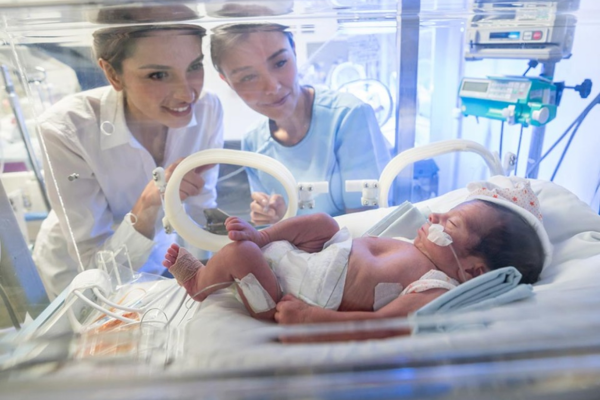
Basic Sciences Neonatology

General Neonatology

FETAL MEDICINE
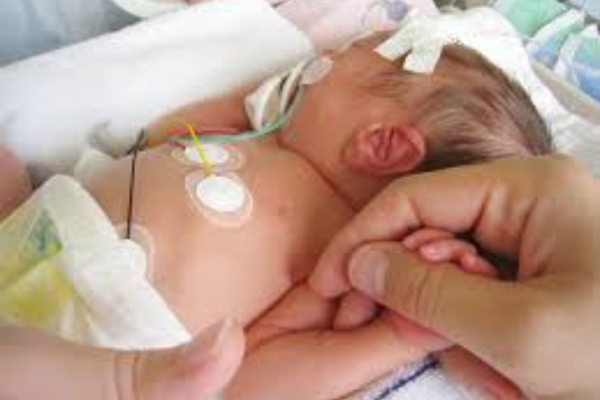
SYSTEMIC NEONATOLOGY
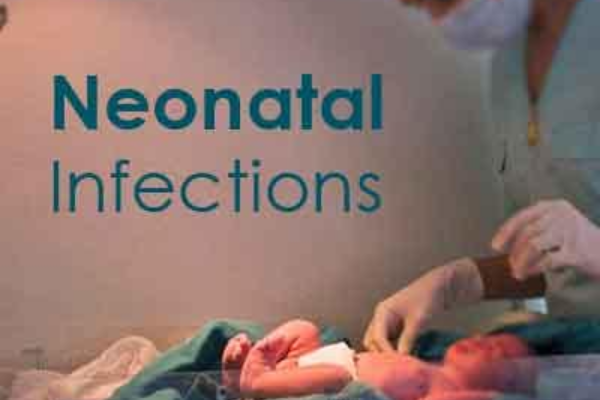
Neonatal Infections
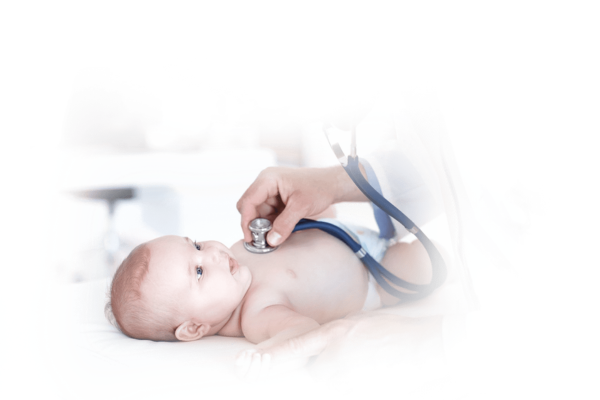
Community Neonatology
Key Features
- Attending /Non-Attending Classes
- Clinical Training in Nearest Hospital/Clinics.
- Free Study Material with recorded lectures
- Best Faculties (Super Specialists) of India
5. Library Access & Question & Answer Session
6. NAAC A+ University
7. 1 Year of Mentorship
8. Updated Curriculum
Course Curriculum
- Introduction to Neonatal Medicine: History, scope and development of neonatology.
- Neonatal Physiology: The physiology of fetal and neonatal transitions, respiratory, cardiovascular, and thermoregulation.
- Neonatal Resuscitation: Basic and advanced neonatal resuscitation protocols (NRP, Advanced NRP).
- Ethical and Legal Issues: Consent, critical neonatal care decision-making, and ethical issues.
- NICU Workflow and Organization: Overview of NICU organization, staffing, and management.
- Monitoring and Diagnostic Tools: Monitors, imaging, and laboratory tests in neonatal care.
- Ventilatory Support and Respiratory Care: Neonatal respiratory distress syndrome (RDS), non-invasive ventilation (NIV), and mechanical ventilation.
- Infection Control and antibiotic Stewardship: planning neonatal infection prevention and management with emphasis on neonatal sepsis, meningitis, and pneumonia.
- Preterm Birth Pathophysiology: Pathophysiology of preterm labor, prevention and risk factors.
- Treatment of Extremely Low Birth Weight (ELBW) Infants: Feeding, fluid therapy and body weight surveillance.
- Preterm Neonatal Complications: Bronchopulmonary dysplasia (BPD), intraventricular hemorrhage (IVH), retinopathy of prematurity (ROP) and necrotizing enterocolitis (NEC).
- Neurodevelopmental Follow-up: Evaluating long-term outcomes, neurodevelopmental monitoring and interventions.
- Neonatal Nutrition Principles: Macronutrient and micronutrient in neonates.
- Breastfeeding and Lactation Support: The benefits of human milk, how to establish lactation, and addressing feeding difficulties.
- Parenteral and Enteral Nutrition: interventions in the provision of adequate nutrition to preterm and term infants who have feeding problems.
- Growth and Metabolic Disorders: Interventions to correct neonatal catch-up growth and metabolic anomalies.
- Congenital Heart Defects: Diagnosis and treatment of typical congenital heart diseases in newborns (e.g., tetralogy of Fallot, transposition of the great arteries, coarctation of the aorta).
- Neonatal Cardiac Monitoring: Echocardiography, electrocardiogram (ECG) and other diagnostic methods.
- Neonatal Arrhythmias and Cardiovascular Emergencies: The treatment of arrhythmias, shock, and congenital heart failure in children.
- Cardiovascular Pharmacology: Pharmacologic agents that are frequently used in neonatal cardiology, inotropes and vasopressors.
- Neonatal Brain Development: Neuroanatomy, brain maturation, and neuroplasticity during neonatal development.
- Neonatal Seizures: diagnosis, classification, and management of neonatal seizures.
- Neuroimaging Neonatology: The application of cranial ultrasound, MRI and CT in the evaluation of neurological disorders in the neonatal population.
- Neonatal Stroke and Hypoxic-Ischemic Encephalopathy (HIE): Diagnostic practice and therapeutic measures, such as neuroprotective practice and therapeutic hypothermia.
- Typical Neonatal Genetic Diseases: Inborn errors of metabolism, cystic fibrosis and chromosomal abnormalities.
- Newborn Screening: The guidelines on screening of metabolic and genetic disorders in newborns.
- Genetic Syndrome Management: Personalized care of genetic disorders such as Down syndrome, Prader Willi syndrome and others.
- Ethical and Counseling Aspects: Family genetic counseling, prenatal and postnatal diagnosis, and ethical issues in genetic testing.
- Neonatal Surgical Conditions: Introduction to typical neonatal surgical emergencies (e.g., Hirschsprung disease, congenital diaphragmatic hernia, gastroschisis).
- Neonatal Anesthesia and Pain Management: An anesthetic and analgesia techniques in the newborn infant, including methods of sedation.
- Postoperative Care in Neonates: The management of surgical recovery, prevention of complications and maximization of outcomes.
- Cooperation with Pediatric Surgeons: Neonatal surgery interdisciplinary care and decision-making.
- Neonatal Hormonal Regulation: An overview of thyroid, adrenal, and pituitary functions in neonates.
- Neonatal Endocrine system Disorders: Hypoglycemia, adrenal insufficiency, Hypothyroidism, and Hyperthyroidism.
- Neonatal Endocrine Emergency Management: Management of typical endocrine emergencies during the neonatal period.
- Principles Neonatal Transport: Safe transfer guidelines of critically ill neonates, including stabilizing practices.
- Transport Equipment and Techniques: Developed monitoring and equipment in neonatal transport.
- Multidisciplinary Team Roles: Co-ordination with transport teams, neonatologists, nurses and paramedics.
- Post-Transport Care and Follow-up: Care of neonates after transport to NICU, such as continuous care and interventions.
- Pain Physiology in Neonates: Neurodevelopment and physiology of pain perception and mechanisms during neonates.
- Pain Assessment Tools: validated neonatal pain scales, such as behavioral and physiological measures of pain.
- Pharmacological Pain management: opioids, local anesthetics, and other pain relief drugs in the neonate.
- Palliative and End-of-Life Care: Compassionate care in neonates with terminal illness, communication with families, and pain management in end-of-life care with short life expectancy.
- Blood Disorders in the Neonate: Treatment of disorders such as neonatal anemia, neonatal jaundice, neonatal thrombocytopenia, and neonatal coagulopathy.
- Neonatal Blood Transfusion: Indications, type of blood products and transfusion procedures in neonatal patients.
- Neonatal Thrombosis and Bleeding: Treatment of thrombotic disorders such as pulmonary embolism, deep vein thrombosis and neonatal hemorrhage.
- Inherited Coagulation Disorders: Diagnosis and treatment of hemophilia, vitamin K deficiencies, and other inherited bleeding disorders.
- Typical Neonatal Skin Diseases: Acne neonatorum, neonatal rashes, erythema toxicum, and other skin diseases.
- Neonatal Infection: Treatment of fungal, bacterial, and viral infections such as candidiasis, staphylococcal, and neonatal herpes simplex infection.
- Skin Care: Preterm and Low-Birth-Weight Infants: Special attention to fragile skin, skin breakdown prevention, and barrier protection.
- Genodermatoses: Recognition and treatment of congenital skin diseases in newborns, e.g. epidermolysis bullosa and ichthyosis.
- Chronic Respiratory Conditions: Bronchopulmonary dysplasia (BPD), neonatal asthma and post-extubation stridor.
- Respiratory Support Strategies High-flow nasal cannula (HFNC), nasal continuous positive airway pressure (nCPAP) and mechanical ventilation strategies in neonatal pulmonary diseases.
- Pulmonary Hypertension in Neonates: Diagnosis and management of persistent pulmonary hypertension of the newborn (PPHN), pharmacologic and non-pharmacologic management.
- Acute Respiratory Conditions: Knowledge and practice of conditions like neonatal pneumonia, respiratory syncytial virus (RSV) infection, and acute respiratory distress syndrome (ARDS).
- Typical Neonatal Infections: Sepsis, meningitis, pneumonia, and skin infections, all of which are bacterial, viral, and fungal.
- Neonatal Immunology: Immune system in neonatal infections, specifically, innate immunity and passive immunity through maternal antibodies.
- Antibiotic Stewardship: Reasonable use of antibiotics in neonates, resistance prevention, and pharmacopharmacodynamics/pharmacodynamics of antibiotics in neonates.
- Infections in High-Risk Neonates: Special considerations in the management of infections in preterm babies, infants with congenital anomalies, or infants with invasive devices.
Our Accrediation Partners



Fill Form Our Team Will Contact Soon
Choose medicalglobalacademy as your trusted partner for medical education and elevate your expertise to new heights.
Frequently Asked Questions
To apply, visit the course page of your interest and click on the ‘Apply Now’ button. Follow the instructions to complete your application. You may need to submit relevant documents and a resume.
Yes, all our courses are accredited by recognized medical and educational institutions. Details of accreditation can be found on each course page.
Yes, we offer a variety of online courses to provide flexibility for our students. Check the course descriptions for information on whether a course is available online.
You can contact our support team via email at support@medicalglobalacademy.com or call us at [+919310027474]. Our support team is available Monday to Friday from 9 AM to 6 PM.