
FELLOWSHIP IN CLINICAL NEUROLOGY
Explore the Fellowship in Clinical Neurology, a specialized Postgraduate Diploma program designed for medical professionals aiming to excel in neurological diagnostics and patient care. This practical-based course offers clinical training, expert mentorship, and in-depth knowledge of neurological disorders, equipping participants with the skills needed for accurate diagnosis and effective treatment. Join us to enhance your expertise in clinical neurology and advance your medical career with cutting-edge learning and real-world experience.
Batch starts on
Jan to Dec/ May to June
Course Duration
12 Months
Multimodal Program
Hybrid Mode & Clinical Attachment
Flexible payment
financing options available
Program overview
MGA Medical Global Academy’s Fellowship in Clinical Neurology is a high level clinical training program for health care professionals who are interested in developing a deeper understanding of neurological diagnosis, treatment, and patient care. The programme covers all aspects of neurological anatomy, neurodegenerative disorders, stroke, epilepsy, neuromuscular disorders, neuroimmunology, neurocritical care, paediatric neurology, sleep disorders, neurogenetics, and pain. The participants will receive the clinical experience of neurological examination skills, interpretation of neuroimages, EEG interpretation, neuropharmacology, and advanced diagnostic evaluation techniques that are applied in modern clinical neurology. The fellowship also emphasizes multidisciplinary neurological care, rehabilitation strategies, research methodology and novel therapies such as biologics, gene therapy, and personalized neurology. Learners are equipped with good clinical reasoning and management skills which are vital for evidence-based neurological care through case-based discussions, supervised clinical practice and mentorship from experienced neurologists. The curriculum covers accurate diagnosis, ethical practice and cutting edge treatments in neurology, and it meets current international standards.
What Skills You Will Gain
Knowledge of basic neurological anatomy, physiology, neuropharmacology and basic neurological assessment techniques.
Diagnosis and management skills for common and complex neurological conditions such as stroke, epilepsy, dementia, Parkinson’s disease and ALS.
Neurological examination, clinical history taking, neurological documentation and clinical decision making skills.
Clinical experience with the interpretation of neuroimaging, EEG, nerve conduction studies and Electromyography (EMG).
Proficiency in the management of movement disorders, cognitive neurological disorders and neurodegenerative diseases.
Knowledge of acute stroke care, thrombolysis, thrombectomy, strategies for preventing cerebrovascular disease and rehabilitation strategies.
Experience with epilepsy management, seizure classification, treatment with antiepileptics and interpretation of EEG.
Understanding of autoimmune neurology, MS, neuroimmunology and biologic treatment modalities.
Collaborate with neurologists, neurosurgeons, psychiatrists, rehabilitation specialists, intensivists, and multidisciplinary neuroscience teams.
Pediatric neurology, neurodevelopmental disorders, neurogenetics, sleep medicine and chronic neurological pain management.
Knowledge of genetic neurological diseases, personalized medicine, pharmacogenomics and new gene therapies in neurology.
Improved communication, collaborative working across the disciplines, ethical neurological practice, and patient focused neurological care skills.
Career Outcomes After the Fellowship
At the end of this fellowship, medical practitioners have the opportunity to enhance their skills and career prospects in the neurology and neurosciences field.
Build up a specialist understanding and knowledge of clinical neurology and advanced techniques for diagnosing neurological conditions.
Provide service work in neurology departments, multispecialty hospitals, stroke units, neurocritical care units, rehabilitation units and academic units.
Improve capacity in neurological examination, neuro-imaging interpretation, epilepsy management and stroke management.
Enhance treatment outcomes based on evidence-based neurological diagnosis, rehabilitation and chronic management.
Increase access to neurocritical care, neuroimmunology, neurorehabilitation and movement disorder clinics.
Develop professional competency in the evaluation and management of neurological conditions.
Work with neurologists, neurosurgeons, psychiatrists, rehabilitation specialists, intensivists and multi-disciplinary neuroscience teams.
Improve academic teaching, neurological research, clinical studies and leadership in healthcare careers.
Keep abreast of the latest developments in Neurology, including breakthroughs in imaging and diagnostics, biologics, and the use of AI.Get up to date with emerging advances in Neuroimaging, biologics, neurogenetics, diagnostics using AI, and new neurological treatments.
Expand the professional development of the fast-changing field of clinical neurology and neurosciences.
What you'll learn
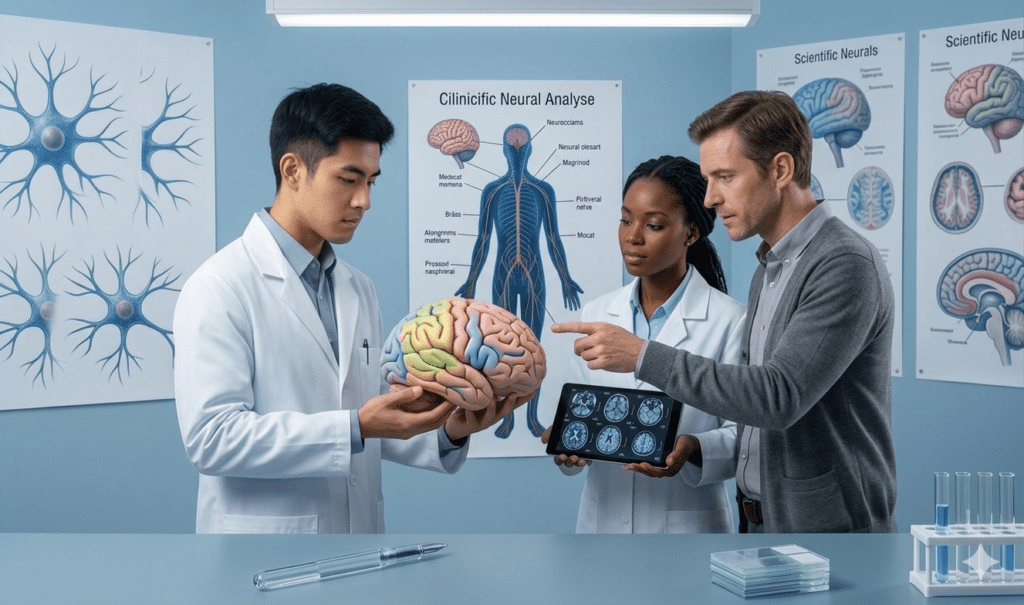
Foundations of Clinical Neurology
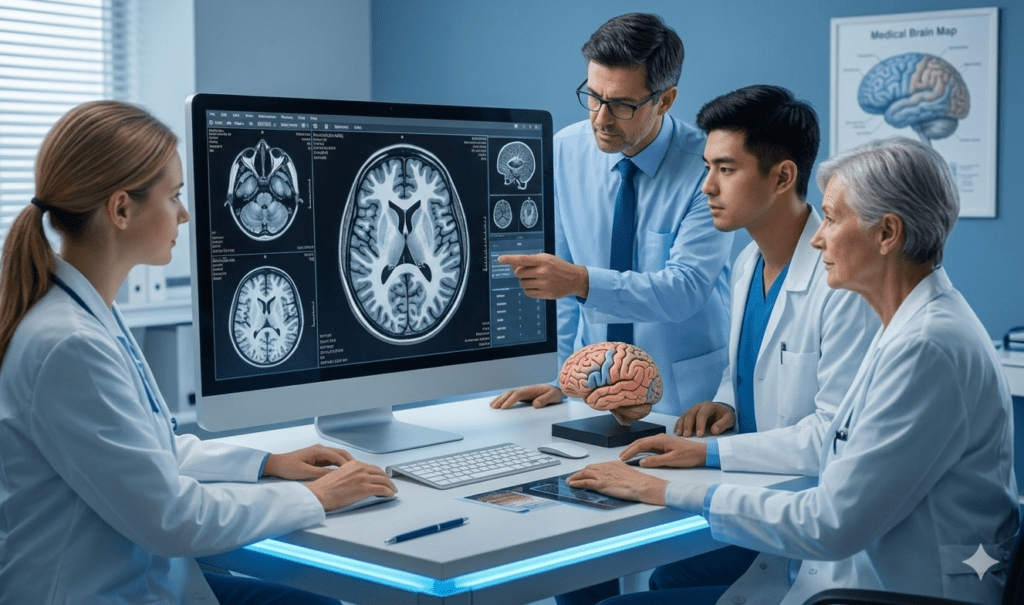
Advanced Neurological Disorders
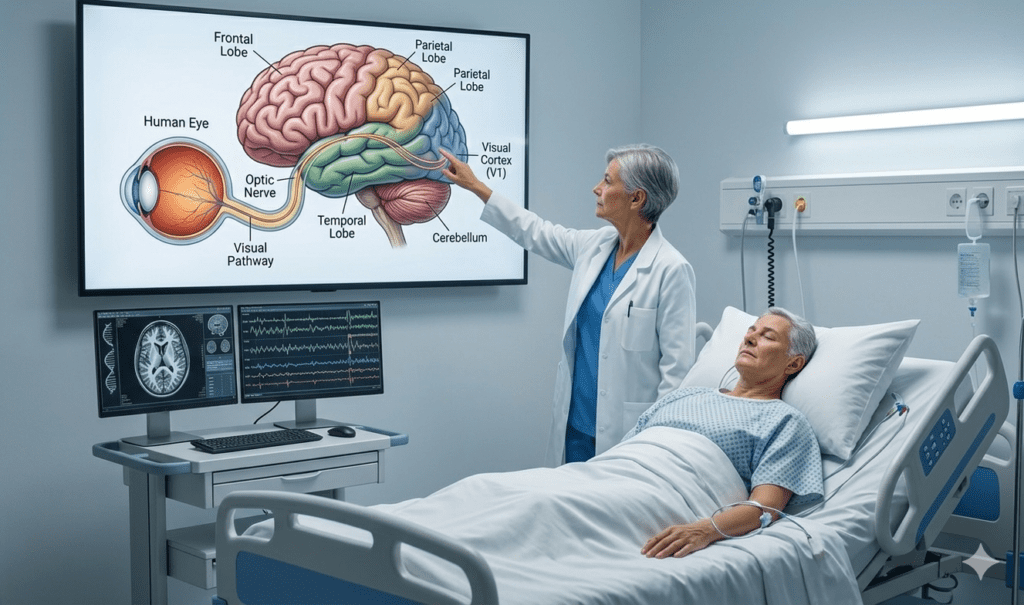
Neurocritical Care and Emergency Neurology
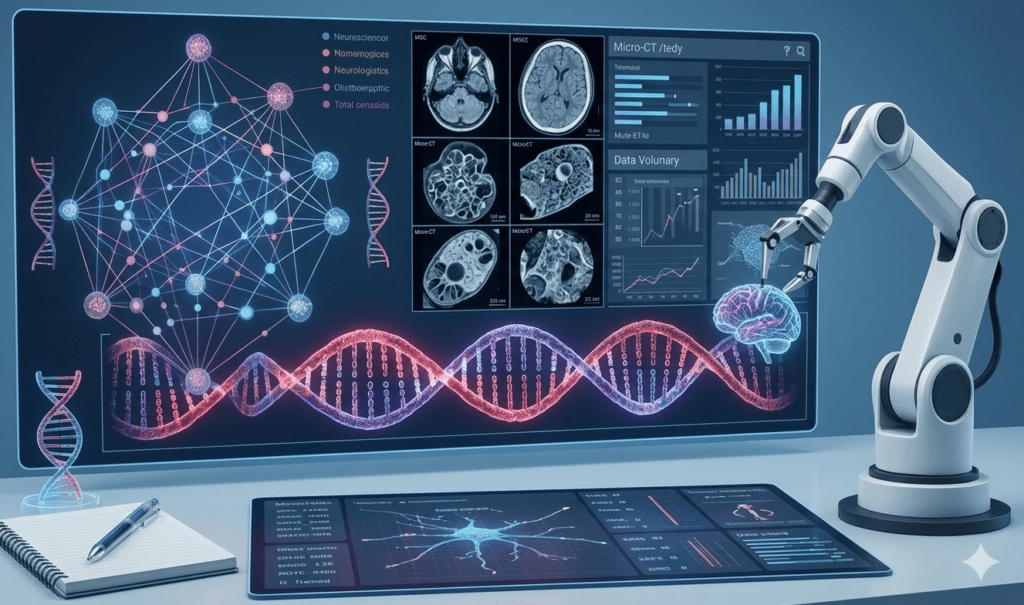
Research and Subspecialty Electives
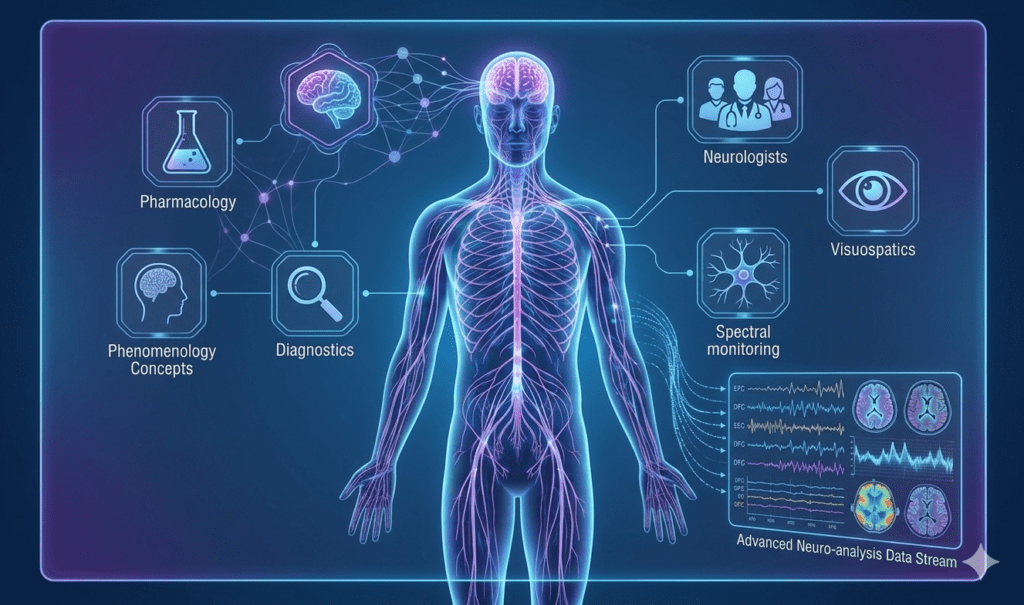
Integration and Comprehensive Review
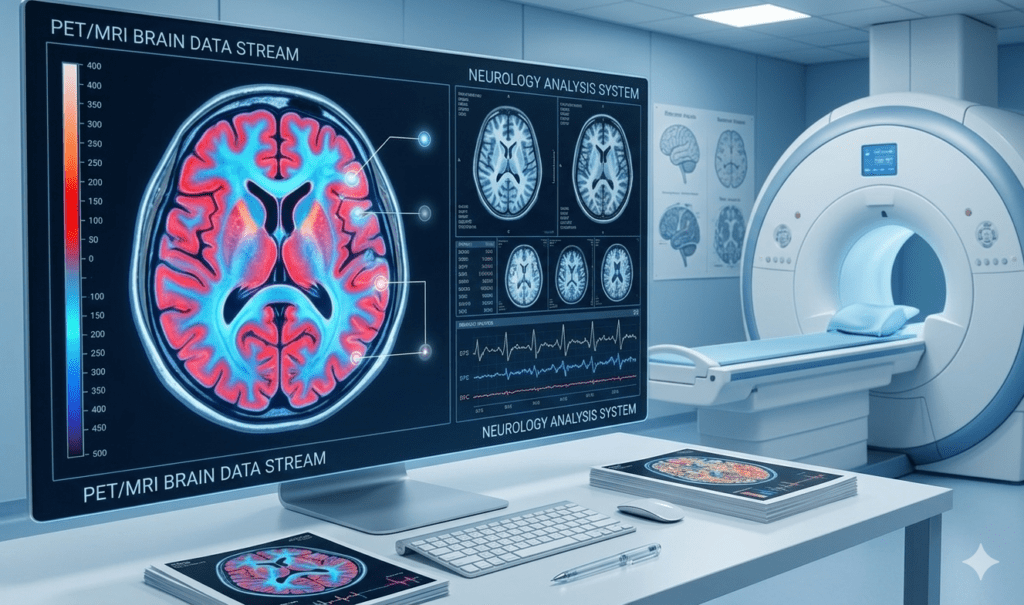
Advanced Neuroimaging and Neurophysiology
Key Features
- Attending /Non-Attending Classes
- Clinical Training in Nearest Hospital/Clinics.
- Free Study Material with recorded lectures
- Best Faculties (Super Specialists) of India
5. Library Access & Question & Answer Session
6. NAAC A+ University
7. 1 Year of Mentorship
8. Updated Curriculum
Course Curriculum
- Overview of Neurological Anatomy and Physiology
- Patient History-Taking and Examination Techniques
- Principles of Basic Neurological Diagnosis: Neurological Imaging, EEG, and Basic Neurological Tests
- Neurological Patient Assessment Scales and Tools
- Introduction to Neurological Conditions: Headache, Dizziness, and Weakness
- Principles of Neurological Pharmacology
- Principles of Neurological Documentation and Medical Ethics
- Patient Communication and Shared Decision-Making in Neurology
- Parkinson’s disease and other movement disorders
- Alzheimer’s disease and other dementias
- Amyotrophic lateral sclerosis (ALS)
- Pathophysiology, genetics, and biomarkers in neurodegenerative diseases
- Pharmacological and non-pharmacological interventions
- Palliative care in neurodegenerative diseases
- Multidisciplinary management and rehabilitation
- Clinical trials and research in neurodegeneration
- Acute management of stroke (ischemic and hemorrhagic strokes)
- Techniques used in the process of thrombolysis and thrombectomy
- Prevention of stroke
- Rehabilitation and recovery after the occurrence of stroke
- Cognitive and emotional effects of stroke
- Role of neuroimaging in the diagnosis of stroke
- Transient ischemic attacks
- Prevention and treatment of transient ischemic attacks
- Research in the field of stroke and cerebrovascular diseases
- Types and classification of seizures
- Diagnosis and management of epilepsy syndromes
- Antiepileptic drugs (AEDs): pharmacodynamics and pharmacokinetics
- Epilepsy surgery and alternative therapies
- Neurological aspects of status epilepticus
- Seizures in special populations: children, elderly, pregnancy
- Electroencephalogram (EEG) interpretation
- Cutting-edge research in epilepsy treatment and gene therapy
- Peripheral Neuropathy and Myopathy
- Guillain-Barre syndrome and other autoimmune neuromuscular disorders
- Muscular Dystrophy: Diagnosis and Treatment
- Motor neuron disorders, which include ALS
- Electromyography and nerve conduction studies
- Rare neuromuscular disorders: Myasthenia Gravis, Lambert-Eaton syndrome
- Genetic tests and molecular therapy in neuromuscular disorders
- Multidisciplinary care and rehabilitation strategies
- Multiple Sclerosis: Diagnosis, Classification, and Staging
- Immunologic Basis of Autoimmune Neurological Diseases
- Disease-Modifying Therapies and Biologics
- Acute Attacks and Relapsing-Remitting MS
- Neuromyelitis Optica and Other Autoimmune Syndromes
- Dealing with Progressive MS
- Neuroimmunology and Emerging Therapies
- Research and Clinical Trials in Autoimmune Neurology
- Neurocritical care: principles and practice
- Traumatic brain injury (TBI) and spinal cord injury management
- Intracranial hemorrhage: management and surgical interventions
- Neurological emergencies: status epilepticus, stroke, brain herniation
- Monitoring in critical care: ICP, EEG, cerebral perfusion pressure
- Neurosurgical procedures and post-operative care
- Multidisciplinary team work in ICU
- Emerging therapies in neurocritical care
- Traumatic brain injury (TBI) and spinal cord
- Common pediatric neurological disorders such as epilepsy, cerebral palsy, and neurogenetic disorders
- Pediatric headache syndromes and neurogenetics
- Neurodevelopmental disorders such as Autism, ADHD, and Neurobehavioral disorders
- Pediatric stroke and its management
- Pediatric neuroimaging: MRI, PET, and functional imaging
- Genetics and inherited neurological disorders in children
- Pediatric neurology case-based learning and clinical presentations
- Pathogenesis and mechanisms of neuroinflammation
- Inflammatory demyelinating diseases: Multiple sclerosis, transverse myelitis
- Neuroimmune interactions and autoimmune disorders of the CNS
- Neuroimmunological diseases of the peripheral nervous system (e.g., Guillain-Barré syndrome)
- Therapeutic strategies in autoimmune neurological diseases (immunosuppressants, monoclonal antibodies)
- CNS inflammation in infections (e.g., HIV-associated neurocognitive disorders)
- Diagnostic techniques in neuroimmunology
- Emerging therapies and clinical trials in neuroimmunology
- Understanding the Neurobiology of Pain
- Chronic Pain Syndromes in Neurology
- Acute and Refractory Pain Management in Neurological Patients
- Pharmacologic Management of Pain: Opioids, Anticonvulsants, and Antidepressants
- Interventional Pain Management: Nerve Blocks, Spinal Cord Stimulations, and Intrathecal Drug Infusions
- Multidisciplinary Approach to Pain Management
- Pain Management in Cancer and Neurological Disease
- Ethics in Pain Management and Opioid Use
- Physiology and pathology of sleep
- Sleep disorders in neurological patients: Insomnia, sleep apnea, narcolepsy, parasomnias
- Neurological implications of sleep disruption (e.g., epilepsy, neurodegenerative diseases)
- Clinical diagnosis of sleep disorders: Polysomnography, actigraphy, home sleep tests
- Management of sleep disorders: Pharmacologic and behavioral therapies
- The relationship between sleep and neurological diseases (stroke, MS, Alzheimer’s)
- Neurophysiological studies in sleep medicine
- Research and emerging treatments in sleep medicine
- Principles of genetic inheritance in neurological diseases
- Genetic testing and counseling in neurological diseases
- Neurogenetic diseases: Huntington’s disease, spinocerebellar ataxias, neurofibromatoses
- Rare genetic neurological diseases: mitochondrial diseases, leukodystrophies
- Genetic screening and presymptomatic testing
- Genomics and CRISPR in the practice of neurology
- The role of epigenetics and the environment in neurodegenerative diseases
- The future of personalized medicine in neurology: pharmacogenomics and gene therapy
- The relationship between the nervous and endocrine systems
- Pituitary disorders, including hypopituitarism and pituitary tumors, with their neurological consequences
- Hormonal influences in neurological diseases, including thyroid disease and adrenal insufficiency
- Hypothalamic and autonomic dysfunction
- Neurological consequences of menopause and hormonal changes related to the reproductive cycle
- Endocrine-related causes of seizures and movement disorders
- Methods for diagnosing neuroendocrine disorders
- Treatment approaches to hormonal dysfunction with neurological consequences
- Basic principles of Neuropharmacology and Pharmacokinetics
- Drug Development and Regulatory Process in Neurology
- Pharmacological Treatments in Neurodegenerative Diseases such as Parkinson’s, Alzheimer’s, etc.
- Pharmacological Treatments in Neurodegenerative Diseases such as Parkinson’s, Alzheimer’s, etc.
- Novel Biologics and Gene Therapies in Neurological Disorders
- Pharmacogenetics in Neurology: Personalized Drug Therapies Based on Genetic Profiling
- Emerging Therapies in Stroke, MS, and Other Neurological Disorders
- Clinical Trials and Drug Safety Monitoring
- Cerebral Venous Sinus Thrombosis and Other Venous Disorders
- Arteriovenous Malformations and Cerebral Aneurysms
- Intracranial Hypertension and Hydrocephalus
- Vascular Dementia: Diagnosis, Prevention, and Management
- Non-Stroke-Related Vascular Disorders of the CNS
- Diagnosis and Management of Spinal Cord Vascular Disorders
- Advanced Neurovascular Imaging: MR Angiography, CT Angiography, DSA
- Interventional Approaches in
Our Accrediation Partners

Fill Form Our Team Will Contact Soon
Choose medicalglobalacademy as your trusted partner for medical education and elevate your expertise to new heights.
Frequently Asked Questions
To apply, visit the course page of your interest and click on the ‘Apply Now’ button. Follow the instructions to complete your application. You may need to submit relevant documents and a resume.
Yes, all our courses are accredited by recognized medical and educational institutions. Details of accreditation can be found on each course page.
Yes, we offer a variety of online courses to provide flexibility for our students. Check the course descriptions for information on whether a course is available online.
You can contact our support team via email at support@medicalglobalacademy.com or call us at [+919310027474]. Our support team is available Monday to Friday from 9 AM to 6 PM.