
PG DIPLOMA IN RHEUMATOLOGY
Discover the world of PG diplomas in rheumatology with our clinical graduate degree program. Our courses are ideal for healthcare professionals who want to distinguish themselves in diagnostic imaging, providing practical training and professional instructions.
Batch starts on
Jan to Dec/ May to June
Course Duration
12 Months
Multimodal Program
Hybrid Mode & Clinical Attachment
Flexible payment
financing options available
PG Diploma in Rheumatology
The PG Diploma in Rheumatology that MGA Medical Global Academy offers is a structured course that is aimed at imparting healthcare professionals with in-depth knowledge and clinical understanding of rheumatic and autoimmune diseases. The main areas of focus in this program include inflammatory arthritis, connective tissue diseases, autoimmune conditions, and degenerative joint disorders. It is created to assist the participants to comprehend the mechanisms of disease, clinical presentation and evidence-based management techniques in the real world clinical contexts. The program equips professionals with the confidence to handle routine and complicated rheumatologic disorders.
Outcome of the Program
Having taken this program, you should know how to:
Manage and diagnose autoimmune and rheumatic disorders.
Assess patients who complain of joint pain, inflammation, and systemic symptoms.
Interpret laboratory tests e.g. autoantibodies and inflammatory markers.
Diagnose using imaging methods such as X-ray, MRI, and ultrasound.
Establish treatment regimens of conditions such as rheumatoid arthritis, lupus and gout.
Administer contemporary treatment such as DMARDs and biologic agents.
Treat chronic pain and progression of the disease in the long term.
Provide ethical and patient-centered care.
Career Opportunities
At the end of the program, you will be able to:
Hospital work in the field of rheumatologic and autoimmune diseases.
Experience at arthritis and pain management facilities.
Begin or increase your own clinical practice.
Practice in multidisciplinary healthcare facilities.
Contribute to chronic disease management programs
Continue to specialize in rheumatology.
Engage in research and academic work in the clinic.
The MGA Medical Global Academy, the PG Diploma in Rheumatology assists in developing robust clinical understanding, enhances diagnostic quality, and augments the decisional skill in dealing with rheumatic diseases. It equips medical personnel to achieve the increased demand of specialized care in the autoimmune and musculoskeletal disorders and secure better patient outcomes in the current clinical practice.
What you'll learn
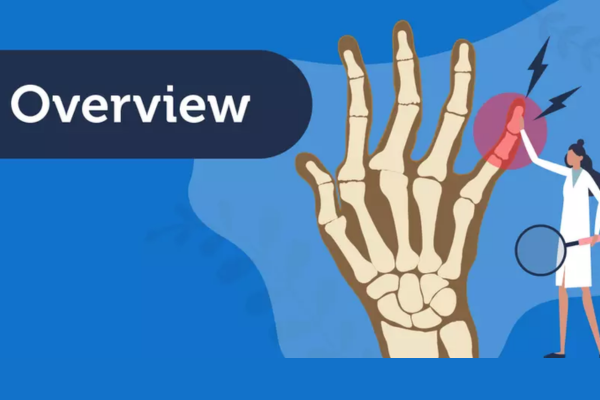
Overview of Rheumatology
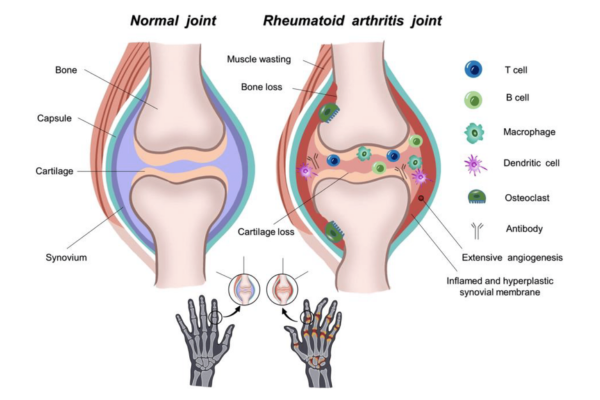
Pattern Reconstruction in Rheumatology

Examination of Joints (On Demand of Doctors)

GALS Workshop
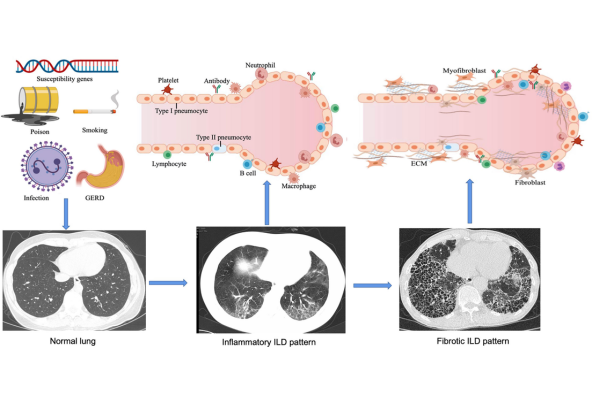
Investigation for CTD

ANA
Key Features
1. Attending /Non-Attending Classes
2. Clinical Training in Nearest Hospital/Clinics.
3. Free Study Material with recorded lectures
4. Best Faculties (Super Specialists) of India
5. Library Access & Question & Answer Session
6. NAAC A+ University
7. 1 Year of Mentorship
8. Updated Curriculum
Course Curriculum
- Overview of Rheumatology: Introduction to rheumatic diseases, their impact on healthcare, and the role of a rheumatologist.
- Pathophysiology of Rheumatic Diseases: Understanding inflammation, autoimmunity, and the genetic and environmental factors influencing disease.
- Clinical Examination and Rheumatologic Assessment: Basics of patient history-taking, physical examination, and identifying red flags.
- Introduction to Imaging Techniques: X-rays, MRI, and ultrasound in diagnosing musculoskeletal conditions.
- Systemic Lupus Erythematosus (SLE): Clinical features, diagnostics, and treatment protocols.
- Rheumatoid Arthritis (RA): Pathogenesis, early diagnosis, and modern therapeutic approaches.
- Scleroderma (Systemic Sclerosis): Subtypes, organ involvement, and management strategies.
- Polymyositis and Dermatomyositis: Diagnosis, clinical features, and management.
- Vasculitis: Types of vasculitis (e.g., Giant Cell Arteritis, ANCA-associated vasculitis), clinical presentation, and treatment strategies.
- Rheumatoid Arthritis (RA): A deeper dive into pathophysiology, biomarkers, treatment regimens, and advances in RA care.
- Psoriatic Arthritis (PsA): Pathophysiology, clinical features, treatment options, and disease-modifying therapies.
- Ankylosing Spondylitis (AS): Diagnostic criteria, imaging techniques (e.g., MRI and X-rays), and management with biologics.
- Reactive Arthritis: Pathogenesis, triggers, clinical manifestations, and treatment approaches.
- Gout and Pseudogout: Diagnosis (uric acid crystals, imaging), management, and prevention strategies.
- Pathophysiology of Osteoarthritis: Joint degeneration, inflammatory markers, and disease progression.
- Management of Osteoarthritis: Conservative management (exercise, weight management), pharmacologic treatments, and surgical options.
- Other Degenerative Joint Diseases: Hip and knee osteoarthritis, and their management in elderly and high-risk populations.
- Advanced Imaging in Osteoarthritis: Role of MRI, CT, and ultrasound in diagnosis and progression tracking.
- Juvenile Idiopathic Arthritis (JIA): Types, diagnostic criteria, and treatment strategies.
- Rheumatic Fever: Etiology, prevention, and management of acute rheumatic fever.
- Pediatric Lupus and Vasculitis: Pediatric autoimmune diseases, clinical presentation, and specialized treatments.
- Other Pediatric Rheumatologic Disorders: Myositis, Kawasaki disease, and vasculitis in children.
- Laboratory Tests in Rheumatology: Autoantibodies (ANA, anti-dsDNA, RF, ACPA), cytokine profiling, and biomarkers.
- Genetic Factors in Rheumatic Diseases: Gene-environment interactions in autoimmune diseases.
- Imaging in Rheumatology: Advanced musculoskeletal ultrasound, MRI techniques, and role of PET scans in inflammation and disease monitoring.
- Biopsy Techniques: Muscle and synovial biopsies in diagnostic practice.
- Nonsteroidal Anti-inflammatory Drugs (NSAIDs): Mechanism of action, side effects, and clinical use.
- Disease-Modifying Anti-Rheumatic Drugs (DMARDs): Traditional DMARDs (methotrexate, leflunomide), and biologic DMARDs (TNF inhibitors, IL-6 inhibitors).
- Biologics and Targeted Therapies: Role of JAK inhibitors, biologic agents in RA, AS, PsA, and SLE.
- Steroid Therapy in Rheumatology: Indications, side effects, and steroid-sparing strategies.
- Pain Management: Addressing chronic pain in rheumatology, opioid-sparing strategies, and alternative therapies.
- Surgical Options in Rheumatology: Indications for joint replacement (e.g., knee, hip), synovectomy, and tendon repair.
- Orthopedic Rehabilitation: Physical therapy, occupational therapy, and post-operative care.
- Advanced Joint Imaging for Pre-surgical Planning: Role of imaging in joint replacement surgery.
- Rheumatologic Diseases in Pregnancy: Management of SLE, RA, and other conditions during pregnancy and post-partum.
- Aging and Rheumatology: Common rheumatic diseases in the elderly, frailty considerations, and tailored therapies.
- Rheumatology and Metabolic Syndrome: Link between inflammatory arthritis, diabetes, and cardiovascular disease.
- Immunocompromised Patients: Managing rheumatic diseases in patients with HIV, cancer, or on immunosuppressive therapy.
- Innovations in Rheumatologic Care: New biologic therapies, personalized medicine, and the future of disease-modifying drugs.
- Gene Therapy and Rheumatology: Exploration of gene-based treatments and stem cell therapies for inflammatory diseases.
- Artificial Intelligence in Rheumatology: AI in diagnostics, predicting disease progression, and personalized treatment plans.
- Ethical Considerations and the Future of Rheumatology: Personalized care, patient-centered approaches, and addressing health disparities.
- Case-based Learning: Diagnosis and management of complex cases in autoimmune and inflammatory diseases.
- Patient Management Plans: Creating comprehensive management strategies for chronic rheumatic conditions.
- Ethical and Legal Aspects in Rheumatology: Consent, confidentiality, and the role of rheumatologists in multidisciplinary teams.
- Critical Appraisal of Rheumatology Literature: Understanding clinical trials, systematic reviews, and meta-analyses.
- Clinical Research Methodology: Designing and conducting studies in rheumatology.
- Evidence-Based Practice: Implementing the latest research findings into daily clinical practice.
- Future Research Directions: Emerging areas in rheumatology research and their clinical implications.
- Introduction to Musculoskeletal Ultrasound (MSUS): Basics of ultrasound physics, techniques, and indications in rheumatology.
- MSUS for Inflammatory Arthritis: Evaluating synovitis, joint effusion, and tenosynovitis in diseases like RA, PsA, and juvenile arthritis.
- MSUS in Gout and Pseudogout: Detection of urate crystals, chondrocalcinosis, and early signs of crystal-induced arthritis.
- Ultrasound-Guided Injections: Techniques for performing accurate joint, tendon, and bursa injections.
- Advanced Applications of MSUS: Role of ultrasound in early diagnosis, monitoring disease progression, and guiding interventions.
- Diet and Inflammation: Understanding the relationship between diet (e.g., Mediterranean diet, gluten-free diets) and inflammatory diseases like RA and SLE.
- Supplements in Rheumatology: The role of omega-3 fatty acids, vitamin D, and calcium supplementation in inflammatory conditions.
- Exercise and Physical Therapy: Evidence-based strategies for improving joint function and mobility in arthritis and musculoskeletal disorders.
- Psychosocial Factors and Rheumatology: Addressing the role of stress, depression, and mental health in the management of chronic rheumatic diseases.
- Weight Management: Impact of obesity on joint health and inflammation, strategies for weight reduction in patients with osteoarthritis and RA.
- Pediatric Rheumatologic Assessment: Unique aspects of diagnosing autoimmune diseases in children.
- Complex Pediatric Cases: Multisystem autoimmune diseases such as systemic juvenile idiopathic arthritis (sJIA), pediatric SLE, and vasculitis.
- Rare Pediatric Rheumatic Conditions: Diagnosis and management of conditions like hemophagocytic lymphohistiocytosis (HLH) and chronic recurrent multifocal osteomyelitis (CRMO).
- Transitioning Pediatric to Adult Care: Managing patients with pediatric-onset rheumatic diseases as they transition to adult care.
- Long-Term Care and Follow-Up in Pediatric Rheumatology: Monitoring for complications and growth/development issues in children with chronic autoimmune conditions.
- Immunopathogenesis of Rheumatic Diseases: In-depth exploration of the immune system’s role in diseases like RA, SLE, and vasculitis.
- T-cell and B-cell Dynamics in Autoimmune Disease: Cellular and molecular mechanisms underlying autoimmunity and disease progression.
- Immune Modulation in Treatment: Use of immunosuppressants, biologics, and new immunetargeted therapies.
- Innate Immunity and Inflammation: The role of macrophages, neutrophils, and the inflammasome in inflammatory diseases.
- Immunotherapy and Vaccination in Autoimmune Diseases: Risks and benefits of vaccines and immunotherapy in patients with autoimmune diseases.
Our Accrediation Partners


Fill Form Our Team Will Contact Soon
Choose medicalglobalacademy as your trusted partner for medical education and elevate your expertise to new heights.
Frequently Asked Questions
To apply, visit the course page of your interest and click on the ‘Apply Now’ button. Follow the instructions to complete your application. You may need to submit relevant documents and a resume.
Yes, all our courses are accredited by recognized medical and educational institutions. Details of accreditation can be found on each course page.
Yes, we offer a variety of online courses to provide flexibility for our students. Check the course descriptions for information on whether a course is available online.
You can contact our support team via email at support@medicalglobalacademy.com or call us at [+919310027474]. Our support team is available Monday to Friday from 9 AM to 6 PM.
Which Post-MBBS Course Format Is Right for You?
Answer three quick questions and we'll match you to the format that fits your goals — Certificate, PG Diploma, or Fellowship.