
PG DIPLOMA IN PATHOLOGY
Discover the world of PG diplomas in pathology with our clinical graduate course diploma program. Our courses are ideal for medical professionals who are diagnosed diagnostically and provide practical training and professional instructions.
About the Programme
MGA Medical Global Academy PG in Obstetrics and Gynaecology is a high level and all-encompassing program, which is oriented to health workers who wish to specialize in the health of women. The course aims to build good clinical practice in dealing with pregnancy, gynecological diseases, reproductive health, and surgical care. The program is based on a combination of theoretical and practical training in the field, focusing on such key areas as maternal-fetal medicine, gynecological procedures, infertility management, and pelvic health. The patient interaction, learning through cases and supervised clinical practice provides participants with a real world exposure. This pg equips professionals to confidently manage routine and complex cases in practice and assume senior roles in the practice of obstetrics and gynaecology.
"The PG Diploma & Fellowship in Obstetrics and Gynaecology will enable you to become a confident, skilled healthcare professional possessing strong clinical expertise, practical exposure, and the capability to handle critical care patients effectively in contemporary healthcare environments."
Skills You'll Master
Programme Curriculum
CPD & Training Council · Mind Power University
Batch starts on
Jan to Dec/ May to June
Course Duration
12 Months
Multimodal Program
Hybrid Mode & Clinical Attachment
Flexible payment
financing options available
PG Diploma in Pathology
The MGA Medical Global Academy has a 9-month program, the PG Diploma in Pathology, which is an advanced and all-inclusive course that is targeted at healthcare practitioners interested in acquiring skills in diagnostic pathology and laboratory medicine. The course is interested in the mechanisms of diseases, diagnostic methods, and the importance of pathology in clinical decision-making. The major areas of this program include histopathology, hematology, microbiology, clinical biochemistry and molecular pathology. It integrates solid theoretical understanding with practical exposure in the laboratory, which will enable the participants to analyze patient samples, interpret diagnostic tests, and learn about diseases on the cellular and molecular basis. This diploma is focused on evidence-based practice and advanced diagnostic technologies, which allows graduates to effectively work in clinical laboratories, hospitals, and research institutions and make an effective contribution to patient care and disease management.
Outcome of the Program
At the end of the course you will be able to:
Know cellular and molecular mechanisms of disease.
Interpret and analyze laboratory studies correctly.
Conduct and aid in diagnostic tests in pathology labs.
Determine hematological, microbiological and histopathological deviations.
Use contemporary diagnostic methods such as molecular pathology.
Practice high-quality laboratories and safety measures.
Facilitate clinical decision-making using quality diagnostic reporting.
Offer patient-centered and ethical laboratory practices.
Career Opportunities
By the conclusion of the program, you are able to:
Job in diagnostic labs and pathology laboratories.
Become a pathology professional in hospitals.
Clinical research and laboratory-based jobs.
Help in diagnosis and reporting of disease in health facilities.
Develop or grow your own practice of diagnosing.
Continue to become more specialized in pathology and laboratory medicine.
The PG Diploma in Pathology can make you an efficient diagnostic practitioner with good analytical skills, laboratory skills, and the ability to play a role in contemporary healthcare by performing accurate diagnosis and research of diseases.
What you'll learn
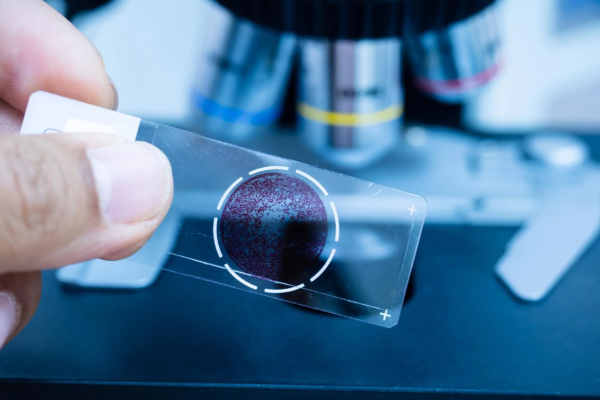
Introduction to Pathology
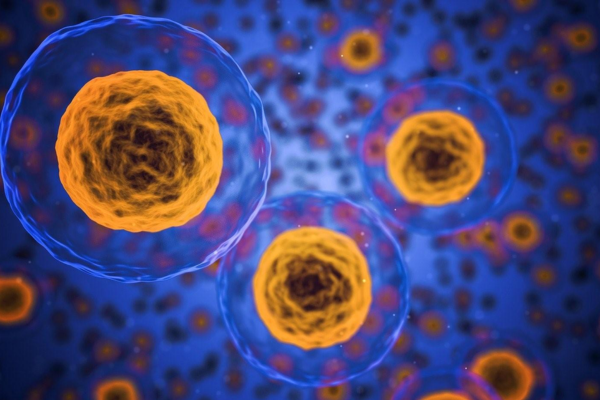
Cellular and Molecular Pathology
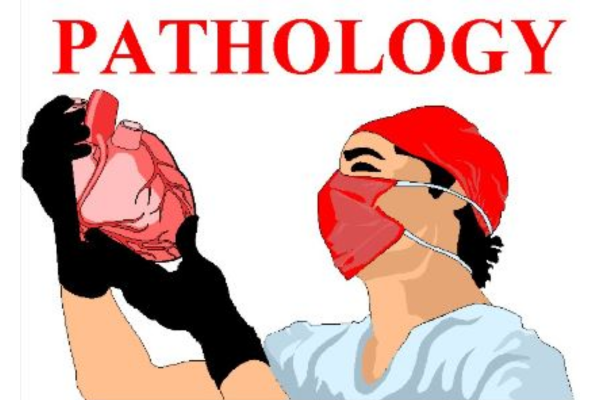
Systemic Pathology

Special Topics in Pathology
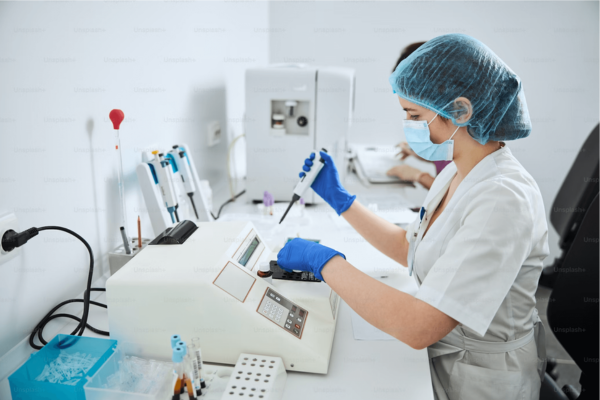
Diagnostic Pathology
Emerging Trends and Future Directions
Key Features
1. Attending /Non-Attending Classes
2. Clinical Training in Nearest Hospital/Clinics.
3. Free Study Material with recorded lectures
4. Best Faculties (Super Specialists) of India
5. Library Access & Question & Answer Session
6. NAAC A+ University
7. 1 Year of Mentorship
8. Updated Curriculum
Course Curriculum
- Introduction and significance of pathology in healthcare.
- Simple notions: Etiology, pathogenesis, and molecular mechanisms.
- Classification of diseases: Acute vs. Chronic, Inflammatory vs. Neoplastic
- Key concepts in histology, cytology, and clinical pathology
- Pathology in clinical diagnosis.
- Injury and adaptation of cells.
- Inflammation: Acute and chronic processes of inflammation.
- Wound healing and tissue repair.
- Pathophysiology of immunity and infection.
- Hemodynamic problems: Edema, thrombosis, embolism and shock.
- Growth disorders: Hyperplasia, metaplasia, dysplasia, and neoplasia.
- Cardiovascular system pathology: Atherosclerosis, heart infarction, heart failure.
- Respiratory system: Chronic obstructive lung disease, asthma, pulmonary embolism.
- Renal pathology: Glomerulonephritis, acute kidney disease, chronic renal disease.
- Gastrointestinal system: Hepatitis, cirrhosis, peptic ulcers, colorectal cancer.
- Endocrine diseases: diabetes mellitus, thyroid diseases, adrenal insufficiency.
- Hematology: Anemia, leukemias, lymphoma, coagulation disorders.
- Pathology of blood vessels: Vasculitis, aortic aneurysms, peripheral arterial disease
- Pathophysiology of blood coagulation, thrombosis, and bleeding disorders.
- Background on the methods of molecular pathology.
- Genetic basis of disease: Genetic disorders, inheritance patterns and mutations.
- Diagnostic techniques: PCR, next-generation sequencing, microarrays.
- Molecular oncology: Molecular markers, oncogenes, and tumor suppressor genes in cancer.
- Individualized medicine and gene therapy.
- Diagnostic tools in the laboratory: Microscopy, immunohistochemistry, PCR, flow cytometry.
- Pathology Blood and urine studies: Method and interpretation.
- Diagnostic cytopathology Pap smear, Fine Needle Aspiration (FNA) and liquid biopsy.
- The importance of pathology in the diagnosis and staging of cancer.
- Laboratory management and quality control.
- Diseases of the bone marrow and peripheral blood.
- Blood cancers: Leukemias, lymphoma, multiple myeloma.
- Coagulation disorders: Hemophilia, thrombophilia.
- Red blood cell diseases: Anemia, sickle cell disease, thalassemia.
- Platelet diseases: Thrombocytopenia, idiopathic thrombocytopenic purpura (ITP).
- Anatomy and physiology of the nervous system.
- Pathological processes in the CNS: Infections, trauma, stroke, neurodegeneration
- Brain tumors and neoplasms: Gliomas, meningiomas, metastases.
- Neurodegenerative diseases: Alzheimer, Parkinson, Huntington disease.
- Neuropathies and spinal cord diseases are inherited.
- The importance of forensic pathology in the investigation of death.
- Methods and processes of autopsy.
- Cause of death: Natural, accidental, homicide, suicide.
- Changes and interpretation post-mortem.
- Forensic pathology: legal considerations.
- Pathophysiology of common infectious diseases: Bacterial, viral, fungal and parasitic infections.
- Pathogenesis mechanisms of infection: Host-pathogen interactions.
- Immune response to infections: Innate vs. adaptive immunity.
- Diagnosis of infectious diseases: Serology, PCR, culture techniques.
- Emerging infectious diseases: Zoonoses, antimicrobial resistance, and global health issues.
- Pathology of infectious diseases Case studies.
- Pathology of atherosclerosis, hypertension, and ischemic heart disease
- Mechanisms and pathways of myocardial infarction, heart failure, and arrhythmias.
- Heart diseases and their causes.
- Valvular heart disease and CHD.
- Vascular diseases: An aneurysm, thrombosis and vasculitis.
- Recent developments in cardiovascular diagnostic technologies: Echocardiography, MRI, and cardiac biomarkers.
- Pathology of chronic respiratory diseases: COPD, asthma, pulmonary fibrosis.
- Infectious pulmonary diseases: Tuberculosis, pneumonia, fungi.
- Lung cancer: Classification, pathology, and molecular markers.
- Interstitial lung diseases: Idiopathic pulmonary fibrosis, sarcoidosis.
- Pathophysiology of pulmonary vascular diseases: Pulmonary hypertension.
- Diagnostic techniques Bronchoscopy, biopsy, imaging, pulmonary function tests.
- Pathology of the liver: Hepatitis, cirrhosis, liver cancer (HCC)
- Pancreatic diseases: Acute pancreatitis, chronic pancreatitis, pancreatic cancer.
- Gastrointestinal cancers: Esophageal, gastric, colorectal, pancreatic cancers.
- Inflammatory bowel diseases: Crohn disease, ulcerative colitis.
- Functional disorders of the GI tract: Irritable bowel syndrome, celiac disease.
- Hepatobiliary imaging and hepatobiliary pathology of liver transplantation.
- Structure and function of the skin
- Typical inflammatory skin diseases: Eczema, psoriasis, lupus.
- Benign and malignant skin tumor: Melanoma, basal cell carcinoma, squamous cell carcinoma.
- Pathology of skin infections: Fungal, bacterial and viral infections.
- Cutaneous lymphoma and its subtypes.
- Diagnostic methods of the dermatology process: Skin biopsy, histopathological examination, and molecular diagnostics.
- Pediatric diseases: Pathology Genetic, metabolic and congenital diseases.
- Children cancers: Leukemias, lymphomas, brain tumors.
- Pathology of neonatal and infant: Prematurity, birth defects, infections.
- Gastrointestinal, respiratory and cardiac pathology in children.
- Childhood genetic syndromes and development disorders.
- Pediatric pathology diagnostic problems and case studies.
- Cancer biology Hallmarks of cancer, tumor suppressors and oncogenes.
- Cancer molecular genetics: Mutations, epigenetics, and tumor microenvironment.
- Staging, grading, and prognostication of cancer by use of molecular markers.
- Biomarkers in cancer: Diagnosis and treatment.
- Individualized cancer treatment and immunotherapy.
- Oncology Liquid biopsy and molecular pathology.
- Mechanisms of organ transplantation: Immunology, rejection, and graft survival.
- Pathology of solid organ transplant rejection: Kidney, liver, heart, and lung
- Post-transplant lymphoblastic leukemia-disorder (PTLD)
- Infections in transplant recipients: Opportunistic infections and their treatment.
- Graft vs. host disease (GVHD) histopathology.
- Pathology and preservation of donor organs.
- Kidney, urinary tract pathology: Glomerular diseases, nephrotic syndrome, renal cell carcinoma.
- Pathology of the urinary bladder Cystitis, urothelial carcinoma.
- Prostate pathology: Benign prostatic hyperplasia, prostate cancer.
- Pathology of male reproductive organs: Testicular cancer, epididymitis, varicocele.
- Complications and renal transplantation.
- Diagnostic methods in uropathology: Urine cytology, biopsy, and molecular diagnostics.
Our Accrediation Partners



Fill Form Our Team Will Contact Soon
Choose medicalglobalacademy as your trusted partner for medical education and elevate your expertise to new heights.
Frequently Asked Questions
To apply, visit the course page of your interest and click on the ‘Apply Now’ button. Follow the instructions to complete your application. You may need to submit relevant documents and a resume.
Yes, all our courses are accredited by recognized medical and educational institutions. Details of accreditation can be found on each course page.
Yes, we offer a variety of online courses to provide flexibility for our students. Check the course descriptions for information on whether a course is available online.
You can contact our support team via email at support@indianmedicalcourse.com or call us at [+91 9289868050]. Our support team is available Monday to Friday from 9 AM to 6 PM.
Which Post-MBBS Course Format Is Right for You?
Answer three quick questions and we'll match you to the format that fits your goals — Certificate, PG Diploma, or Fellowship.