
PG DIPLOMA IN INFERTILITY MANAGEMENT
Batch starts on
Jan to Dec/ May to June
Course Duration
12 Months
Multimodal Program
Hybrid Mode & Clinical Attachment
Flexible payment
financing options available
PG Diploma in Infertility Management
The PG Diploma in Infertility Management at Medical Global Academy is a 12-month, university-awarded programme for eligible medical graduates who want rigorous, current training in the diagnosis and management of infertility — and who need to build it around an active clinical practice.
Infertility affects a significant proportion of couples seeking care, and the presentations arriving in OPD are increasingly complex. Hormonal abnormalities, ovulatory disorders, tubal pathology, uterine structural problems, male factor causes, and unexplained infertility regularly overlap. Managing them well requires a structured foundation in reproductive physiology, a confident approach to investigation, a working knowledge of assisted reproductive technologies, and the counselling skills to guide patients through decisions that are rarely straightforward.
This programme is built around that clinical reality. It begins with the fundamentals — reproductive anatomy and physiology, the epidemiology of infertility, and the ethical and legal framework governing reproductive medicine in India, including the ART (Regulation) Act and the Surrogacy (Regulation) Act. From there, it progresses through structured clinical evaluation of both partners, hormonal assessment, ovarian reserve testing, imaging, and the diagnostic pathways that lead to a management decision.
The core treatment modules cover ovulation induction and its monitoring, the pharmacology of gonadotropins and GnRH analogues, management of PCOS and endometriosis in the fertility context, and the step-by-step approach to assisted reproduction — IUI, IVF, ICSI, oocyte retrieval, embryo culture and grading, vitrification, and cryopreservation. Male infertility receives dedicated attention: semen analysis interpretation, hormonal and genetic evaluation, surgical sperm retrieval options, and the integration of male factor management into ART planning.
Advanced modules address fertility preservation, reproductive immunology, recurrent implantation failure, recurrent pregnancy loss, and the emerging role of preimplantation genetic testing. The curriculum closes with lifestyle medicine in infertility — nutrition, weight, stress and environmental factors — and a research methodology module that equips participants to read, appraise and apply the infertility literature critically.
Teaching is case-based throughout. Each module moves from clinical presentation to investigation, to decision, to management — the same pathway a patient travels in a fertility consultation. Live sessions run in the evening after routine OPD hours, every class is recorded, and participants have access to structured study material for each module. A full year of academic mentorship follows programme completion.
This is a PG Diploma, not a Fellowship. It is the structured entry route into reproductive medicine for eligible medical graduates. Doctors who complete this programme and subsequently accumulate the experience required may progress to the Fellowship in Infertility Management for advanced study.
Outcome of the Programme
On completion of the PG Diploma in Infertility Management, participants will be able to:
- Take a structured fertility history from both partners and design a logical, cost-conscious investigative plan.
- Interpret hormonal profiles — FSH, LH, AMH, prolactin, testosterone, thyroid function — in the context of ovulatory disorders and ovarian reserve assessment.
- Perform and report transvaginal ultrasound findings relevant to infertility, including antral follicle count, follicular tracking and uterine assessment, within their scope of practice and applicable regulations.
- Analyse semen analysis reports against current WHO reference values, identify the category of male factor abnormality, and outline the next investigative step.
- Develop a structured, evidence-based management plan for couples presenting with ovulatory dysfunction, tubal factor disease, endometriosis, uterine pathology, male factor infertility and unexplained infertility.
- Explain ovulation induction protocols, including the selection of first- and second-line agents, monitoring parameters, trigger criteria and luteal support rationale.
- Recognise, prevent and outline stepwise management for ovarian hyperstimulation syndrome.
- Describe the principles and procedural sequence of IUI, IVF, ICSI, embryo transfer, vitrification and cryopreservation, and counsel patients on indications, expected outcomes and realistic success rates.
- Apply the legal framework of the ART (Regulation) Act and Surrogacy (Regulation) Act to clinical decisions involving donor gametes, surrogacy and record-keeping obligations.
- Provide empathetic, evidence-informed counselling to couples through diagnosis, treatment decisions, cycle failures, recurrent pregnancy loss and fertility preservation.
- Critically evaluate infertility research, identify methodological strengths and limitations, and apply guideline recommendations from bodies such as ESHRE and ASRM to individual patient scenarios.
What you'll learn

Overview of infertility
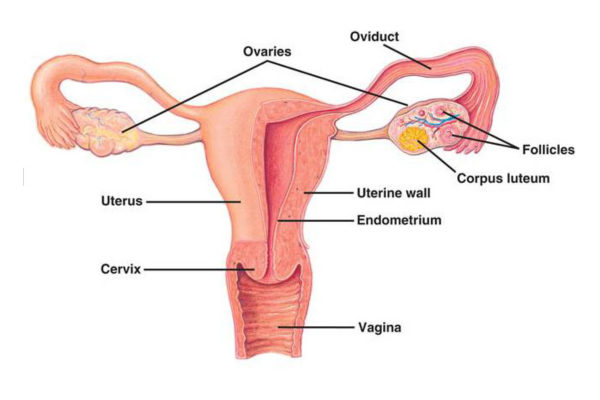
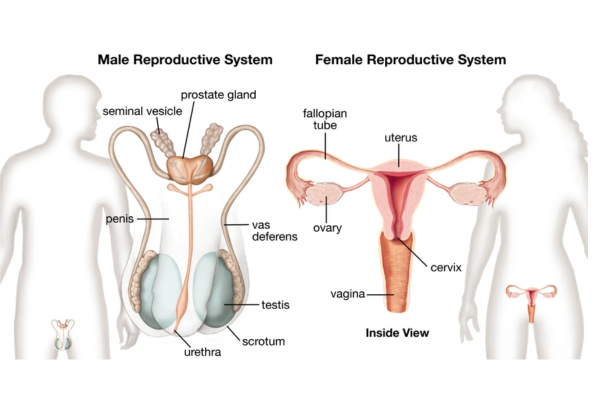
Anatomy and physiology of Male and female reproduction
Development of the Reproductive Tract

Infertility counseling

Factors affecting fertility
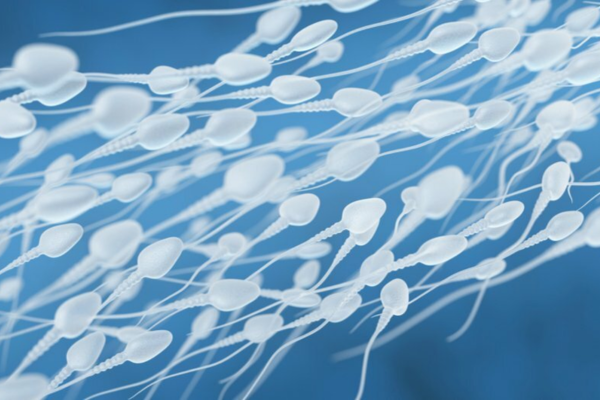
Sperm dysfunction and Abnormalities
Key Features
- Evening live classes scheduled after OPD hours — no career interruption
- Every session recorded and available throughout the programme
- 15-module curriculum devoted entirely to infertility and reproductive medicine
- Case-based teaching structured around real fertility consultation pathways
- Content aligned with ESHRE, ASRM and Indian ART regulatory frameworks
- Structured study material for every module
- Academic mentorship for one full year after completion
- Flexible payment — instalment options available at 0% interest
- Clear progression route to the Fellowship in Infertility Management
Course Curriculum
- Basics of human reproduction and the reproductive system
- Epidemiology and causes of infertility
- Female reproductive physiology and disorders
- Male infertility and common causes
- Role of lifestyle factors in infertility (nutrition, stress, environmental factors)
- Ethical issues in infertility and assisted reproduction
- Legal frameworks and regulations in infertility treatments
- Psychological aspects of infertility
- Detailed history taking and patient counseling
- Initial investigations and diagnostic workup for male and female infertility
- Semen analysis and male factor infertility diagnostics
- Ovarian reserve testing and endocrine evaluation for women
- Hysterosalpingography (HSG) and laparoscopy for tubal evaluation
- Diagnostic imaging techniques in infertility management (ultrasound, hysteroscopy, etc.)
- Genetic screening and its role in infertility diagnosis
- Preparing the patient for fertility treatments
- Overview of ART and its applications
- Intrauterine insemination (IUI) – procedures, indications, and success rates
- In-vitro fertilization (IVF) – fundamentals, indications, and techniques
- Intracytoplasmic sperm injection (ICSI) – procedure and indications
- Egg retrieval and embryo transfer procedures
- Oocyte and sperm cryopreservation (freezing and thawing)
- Oocyte and sperm cryopreservation (freezing and thawing)
- Challenges and success rates in ART
- Hormonal physiology in infertility treatment
- Ovulation induction protocols (oral medications, injectable gonadotropins)
- Monitoring ovulation induction (ultrasound, blood tests, etc.)
- Role of GnRH analogs and antagonists
- Managing polycystic ovarian syndrome (PCOS) in infertility
- Ovarian hyperstimulation syndrome (OHSS) prevention and management
- Progesterone supplementation and luteal phase support
- Advances in ovulation induction protocols
- Role of embryology in ART and assisted reproduction
- Laboratory techniques in IVF and ICSI
- Embryo culture, grading, and selection
- Cryopreservation of gametes and embryos
- Preimplantation genetic testing (PGT) – screening and diagnosis of genetic disorders
- Handling and storage of gametes and embryos
- Ethical considerations in embryo research and genetic screening
- Quality control in ART laboratories
- Endoscopic procedures in infertility (laparoscopy, hysteroscopy)
- Uterine and fallopian tube reconstruction techniques
- Treatment options for male infertility (surgical sperm retrieval, varicocele treatment)
- Use of donor gametes (egg/sperm donation) in ART
- Surrogacy: types, legal aspects, and ethical issues
- Gestational carriers vs. traditional surrogacy
- Post-treatment care and follow-up in ART cycles
- Dealing with recurrent implantation failure and unexplained infertility
- Risk factors for ART pregnancies (multiple gestation, preeclampsia, gestational diabetes)
- Management of high-risk ART pregnancies
- Early pregnancy complications (ectopic pregnancy, miscarriage)
- Monitoring fetal well-being in ART pregnancies
- Psychological and emotional care for patients undergoing ART
- Ethical dilemmas in high-risk ART pregnancies
- Managing complications in cryopreservation and gamete storage
- Post-treatment counseling for ART patients
- Recent advances in genetic research and infertility treatment
- The role of artificial intelligence in reproductive medicine
- Gene editing and CRISPR technology in infertility
- Stem cell therapy and its potential in fertility preservation
- Global trends in infertility treatment and patient access
- Emerging treatments: mitochondrial replacement therapy, bioengineered organs, etc.
- Advances in non-invasive fertility testing (e.g., blood and urine markers)
- The future of infertility management: challenges and opportunities
- Clinical training in ART procedures, including IUI, IVF, and ICSI
- Observational experience in fertility clinics and ART laboratories
- Analysis and discussion of real-life infertility cases
- Developing patient management plans and treatment protocols
- Managing complex infertility cases (recurrent IVF failure, male infertility, unexplained infertility)
- Patient counseling for different infertility treatment options
- Preparing case presentations and discussing treatment outcomes
- Assessing and managing emotional and psychological aspects of infertility treatment
- Introduction to research methodology in reproductive medicine
- Conducting systematic reviews and meta-analyses
- Research ethics in infertility studies
- Designing and evaluating clinical trials in ART
- Statistical analysis and interpretation of infertility data
- Writing research papers and case reports
- Applying evidence-based practices in infertility management
- Preparing for ongoing professional development and learning
- Understanding male reproductive physiology
- Male infertility diagnosis: semen analysis, sperm function tests, genetic screening
- Hormonal evaluation in male infertility
- Surgical approaches to male infertility (varicocele repair, microTESE, testicular biopsy)
- Medical treatment options for male infertility (hormonal therapy, antioxidants)
- Advances in sperm retrieval techniques
- Male factor infertility in ART: ICSI, sperm cryopreservation
- Psychosocial impact of male infertility on patients and partners
- Pathophysiology of female infertility
- Ovulatory disorders: anovulation, luteal phase defects, PCOS, hyperprolactinemia
- Tubal factors: diagnosis and surgical management (adhesions, tubal occlusion)
- Endometriosis and its role in infertility
- Uterine factors: fibroids, polyps, adhesions, congenital abnormalities
- Ovarian reserve assessment: AMH, FSH, ultrasound markers
- Medical and surgical treatment options for female infertility
- Advances in female infertility management and technologies
- Principles and indications for fertility preservation
- Cryopreservation of oocytes, sperm, and embryos
- Fertility preservation in cancer patients
- Ovarian tissue freezing and transplantation
- Egg banking: ethical and legal considerations
- Social egg freezing and its ethical implications
- Advances in vitrification and cryopreservation technologies
- Managing fertility preservation in young patients (e.g., adolescents, trans individuals)
- The role of the immune system in reproduction
- Immunological causes of infertility: antiphospholipid syndrome, alloimmunity, endometrial immune dysfunction
- Autoimmune disorders and their impact on fertility
- Immune testing in infertility (e.g., NK cell activity, anti-sperm antibodies)
- Immunotherapy in infertility treatment (e.g., IVIG, corticosteroids)
- Managing recurrent pregnancy loss and implantation failure
- The role of immune modulation in ART cycles
- The impact of diet, exercise, and weight on fertility
- Obesity and infertility: pathophysiology, prevention, and management
- The effects of smoking, alcohol, and drugs on fertility
- Stress management and its role in reproductive health
- Environmental toxins and their impact on fertility
- Fertility-enhancing lifestyle changes
- Psychological well-being and coping mechanisms for infertility patients
- Integrating lifestyle medicine into infertility treatment plans
Our Accrediation Partners



Fill Form Our Team Will Contact Soon
Choose medicalglobalacademy as your trusted partner for medical education and elevate your expertise to new heights.
Frequently Asked Questions
To apply, visit the course page of your interest and click on the ‘Apply Now’ button. Follow the instructions to complete your application. You may need to submit relevant documents and a resume.
Yes, all our courses are accredited by recognized medical and educational institutions. Details of accreditation can be found on each course page.
Yes, we offer a variety of online courses to provide flexibility for our students. Check the course descriptions for information on whether a course is available online.
You can contact our support team via email at support@medicalglobalacademy.com or call us at [+919310027474]. Our support team is available Monday to Friday from 9 AM to 6 PM.
Which Post-MBBS Course Format Is Right for You?
Answer three quick questions and we'll match you to the format that fits your goals — Certificate, PG Diploma, or Fellowship.