
CERTIFICATE IN INTERNAL MEDICINE
With our Certificate program, learn about the field of CERTIFICATE IN INTERNAL MEDICINE. Our course provides practical instruction and knowledgeable mentoring, making it ideal for medical professionals who are keen to succeed in diagnostics.
Batch starts on
Jan to Dec/ May to June
Course Duration
12 Months
Multimodal Program
Online Mode
Flexible payment
financing options available
Certificate in Internal Medicine
The Certificate in Internal Medicine offered by MGA Medical Global Academy is a comprehensive course designed to provide healthcare professionals with a thorough understanding of adult patient care and important clinical concepts. Internal medicine deals with the prevention, diagnosis and treatment of adult diseases, especially multi-system and complex conditions. This course covers key areas of medicine including cardiology, endocrinology, respiratory medicine, gastroenterology, infectious diseases and more. It focuses on a holistic and patient-centred approach, helping learners understand chronic condition management, diagnostic investigations and effective patient care across different healthcare environments.
Outcome
After completing this program, participants will be able to:
- Understand the principles of internal medicine and management of adult diseases
- Carry out thorough clinical evaluations, including history taking and physical examination
- Diagnose and manage common and complex conditions such as diabetes, hypertension, cardiovascular and respiratory diseases
- Interpret laboratory tests, imaging and ECG investigations
- Apply a holistic approach to patients with multiple comorbidities
- Implement evidence-based treatment protocols and clinical guidelines
- Manage acute medical conditions and understand when to refer patients to other professionals
- Provide patient-centred care focused on long-term disease management and prevention
Career Opportunities
This certification can support the following career pathways in medicine and healthcare:
- Team Leader – Internal Medicine Practitioner / Medical Officer
- Primary Care Physician (PCP) or General Physician (GP)
- Clinical roles within Medicine Departments in healthcare settings
- Specialist roles focused on chronic disease management
- Associate roles in Clinical Research and Internal Medicine
- Healthcare roles in Clinics, Hospitals and Multispecialty Centers
Due to the increasing occurrence of chronic diseases and the growing need for comprehensive healthcare for adults, there is demand for healthcare professionals with knowledge of internal medicine across hospitals, clinics and primary care settings.
What you'll learn

Introduction to Internal Medicine

Clinical Skills and Patient Assessment

Cardiovascular Medicine

Respiratory Medicine
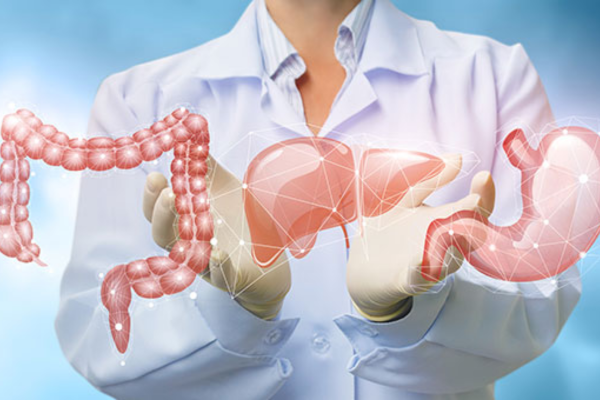
Gastroenterology
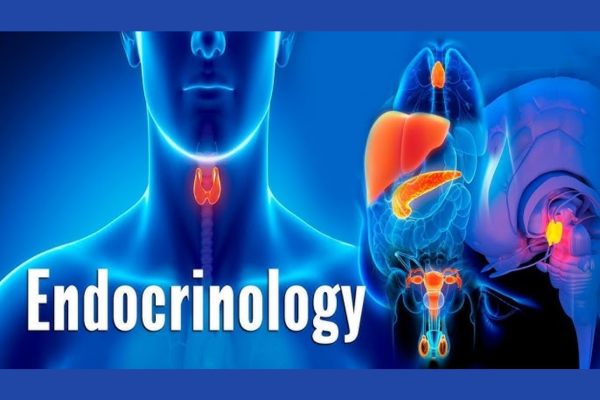
Endocrinology
Key Features
1. Attending /Non-Attending Classes
2. Free Study Material with recorded lectures
3. Best Faculties (Super Specialists) of India
4. Library Access & Question & Answer Session
5. 1 Year of Mentorship
6. Updated Curriculum
Course Curriculum
- Overview of Internal Medicine and its Importance
- Role and Responsibilities of an Internist
- Basic Medical Terminology and Concepts
- Clinical Examination Skills: History Taking, Physical Examination
- Patient-Centered Care and Communication Skills
- Review of Human Physiology
- Cellular and Tissue Functions in Health and Disease
- Pathophysiology of Common Diseases
- Understanding the Mechanisms of Disease Progression
- Disease Classification and Diagnosis
- Diagnostic Imaging Techniques (X-ray, CT, MRI, Ultrasound)
- Laboratory Tests: Blood, Urine, and Other Body Fluids
- EKG Interpretation and Cardiac Diagnostics
- Pulmonary Function Tests
- Biopsy and Endoscopy Techniques
- Coronary Artery Disease and Myocardial Infarction
- Hypertension: Diagnosis and Management
- Heart Failure: Pathophysiology, Symptoms, and Treatment
- Arrhythmias: Diagnosis and Management
- Valvular Heart Disease
- Acute and Chronic Venous Diseases
- Acute and Chronic Respiratory Infections
- Chronic Obstructive Pulmonary Disease (COPD)
- Asthma and Allergic Respiratory Diseases
- Interstitial Lung Diseases
- Pulmonary Hypertension
- Respiratory Failure and Mechanical Ventilation
- Diabetes Mellitus: Types, Diagnosis, and Management
- Thyroid Disorders: Hypothyroidism, Hyperthyroidism, and Goiter
- Disorders of Adrenal Glands: Addison’s and Cushing’s Syndrome
- Pituitary Gland Disorders
- Osteoporosis and Bone Metabolism Disorders
- Disorders of the Upper GI Tract: GERD, Peptic Ulcers, etc.
- Inflammatory Bowel Disease (IBD)
- Liver Disease: Hepatitis, Cirrhosis, Fatty Liver Disease
- Pancreatic Disorders: Pancreatitis, Cancer, etc.
- Gallbladder Disease and Cholestasis
- Nutritional Disorders and Management
- Acute and Chronic Kidney Disease
- Nephrotic and Nephritic Syndrome
- Urinary Tract Infections (UTIs)
- Electrolyte Imbalances and Fluid Management
- Dialysis and Renal Transplantation
- Anemia: Types, Diagnosis, and Management
- Leukemia, Lymphoma, and Myeloma
- Coagulation Disorders and Bleeding Diatheses
- Solid Tumors and Cancer Management
- Palliative Care and End-of-Life Care in Oncology
- Principles of Infection Control and Prevention
- Common Bacterial, Viral, Fungal, and Parasitic Infections
- Tuberculosis and Other Respiratory Infections
- Sepsis: Diagnosis and Management
- HIV/AIDS and Immunocompromised Patients
- Vaccination and Preventative Medicine
- Systemic Lupus Erythematosus (SLE)
- Rheumatoid Arthritis and Other Inflammatory Disorders
- Gout and Crystal-Induced Arthropathies
- Scleroderma, Vasculitis, and Connective Tissue Diseases
- Immunosuppressive Therapy and Its Risks
- Stroke: Types, Diagnosis, and Acute Management
- Epilepsy and Seizure Disorders
- Headache Disorders: Migraine, Tension, Cluster
- Dementia and Alzheimer’s Disease
- Neuromuscular Disorders: Myasthenia Gravis, Guillain-Barré
- Parkinson’s Disease and Movement Disorders
- Common Dermatological Conditions
- Skin Infections and Tumors
- Autoimmune Skin Diseases
- Skin Manifestations of Systemic Illnesses
- Management of Wounds and Ulcers
- Aging and Age-Related Diseases
- Polypharmacy and Medication Management
- Cognitive Impairment in the Elderly
- Falls, Frailty, and Mobility Issues
- End-of-Life Care and Advance Directives
- Case-Based Learning and Problem-Solving
- Multidisciplinary Team Work in Internal Medicine
- Clinical Decision-Making and Patient Management
- Medical Ethics and Legal Issues
- Patient Safety and Quality Improvement
- Clinical Skills: Blood Pressure Measurement, Venipuncture, and Suturing
- Precision Medicine and Genomics in Internal Medicine
- Innovations in Diagnostic Tools and Therapies
- Emerging Infectious Diseases and Global Health Challenges
- Critical Care and ICU Management
- Palliative Care and Chronic Disease Management
- Menstrual and Reproductive Health Disorders
- Hormonal Imbalances and Disorders
- Pregnancy and Its Complications
- Osteoporosis and Bone Health in Women
- Cardiovascular Health in Women
- Managing Menopause and Perimenopause
- Recognizing Psychiatric Disorders in Medical Settings
- Depression and Anxiety Disorders
- Bipolar Disorder and Schizophrenia
- Substance Use Disorders
- Management of Psychiatric Emergencies
- Psychosomatic Disorders: The Connection Between Mind and Body
Fill Form Our Team Will Contact Soon
Choose medicalglobalacademy as your trusted partner for medical education and elevate your expertise to new heights.
Frequently Asked Questions
To apply, visit the course page of your interest and click on the ‘Apply Now’ button. Follow the instructions to complete your application. You may need to submit relevant documents and a resume.
Yes, all our courses are accredited by recognized medical and educational institutions. Details of accreditation can be found on each course page.
Yes, we offer a variety of online courses to provide flexibility for our students. Check the course descriptions for information on whether a course is available online.
You can contact our support team via email at support@medicalglobalacademy.com or call us at [+919310027474]. Our support team is available Monday to Friday from 9 AM to 6 PM.
Which Post-MBBS Course Format Is Right for You?
Answer three quick questions and we'll match you to the format that fits your goals — Certificate, PG Diploma, or Fellowship.