
CERTIFICATE IN DIABETOLOGY
Explore the Certificate in Diabetology at Medical Global Academy (MGA), designed for medical professionals seeking advanced knowledge in diabetes care and diagnostics. Through online training, clinical training and expert mentorship, strengthen your understanding of diabetes assessment, management and patient care.
Batch starts on
Jan to Dec/ May to June
Course Duration
12 Months
Learning Format
Online Mode
Flexible payment
financing options available
Certificate in Diabetology
The Certificate in Diabetology from Medical Global Academy is a specialised programme that equips healthcare professionals with in-depth knowledge and practical skills in the diagnosis, treatment, and management of diabetes mellitus and its complications. Diabetology is an exciting field of medicine and its principles aim to deliver better patient results through evidence-based medicine, new monitoring technologies and multi-disciplinary care approaches. This programme teaches the basics of endocrinology as well as the latest in diabetes management including insulin therapy, continuous glucose monitoring (CGM), lifestyle changes and prevention strategies. Participants will learn to manage type 1 diabetes, type 2 diabetes, gestational diabetes, metabolic syndrome and diabetes-related complications such as neuropathy, nephropathy, retinopathy and cardiovascular disease. This programme focuses on the application of content, case-based learning and the latest international guidelines, preparing healthcare professionals to provide patient-centred diabetes care in clinics, community-based health services and specialised diabetes services.
Outcomes
After completing this programme, participants will be able to:
- Demonstrate an understanding of the pathophysiology, classification and progression of Diabetes Mellitus.
- Provide diagnosis and management of type 1 diabetes, type 2 diabetes and gestational diabetes based on evidence.
- Interpret and use diagnostic tools, including HbA1c, CGM, OGTT and insulin resistance markers.
- Implement individualised treatment plans such as insulin therapy, oral antidiabetic medication and lifestyle interventions.
- Recognise and address short-term and long-term diabetes complications.
- Utilise nutrition counselling, weight management and exercise strategies in diabetes care.
- Apply modern diabetes technology such as insulin pumps, telemedicine and mobile health applications.
- Manage diabetes in special patient groups such as children, pregnant women and elderly patients.
- Offer preventive care and patient education to help reduce long-term diabetes-related complications.
- Provide multi-disciplinary, patient-focused diabetes care across diverse healthcare settings.
Career Opportunities
This qualification provides a variety of career prospects across the field of diabetology and metabolic healthcare, including:
- Diabetology Practitioner
- Diabetes Educator and Lifestyle Management Specialist
- Endocrinology Department Healthcare Professional
- Diabetes Care Coordinator
- Research Associate — Diabetes and Endocrinology
- Diabetes Technology and CGM Support Specialist
- Medical Adviser in Pharmaceutical and Diabetes Device Companies
- Aesthetic and Wellness Centre Professional
- Independent Practitioner in Specialised Diabetes Services
- Professional roles in Diabetes Clinics, Wellness Centres and Research Institutes
What you'll learn
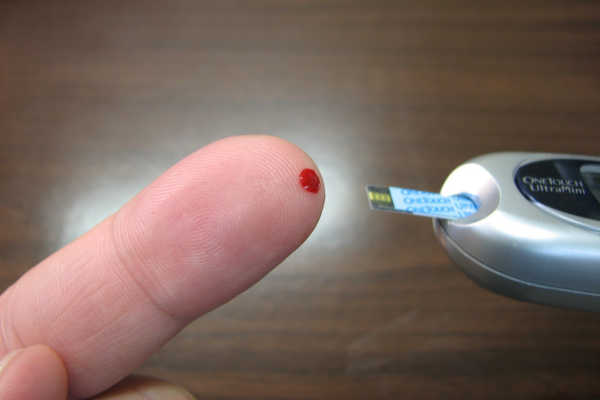
Introduction to Diabetes
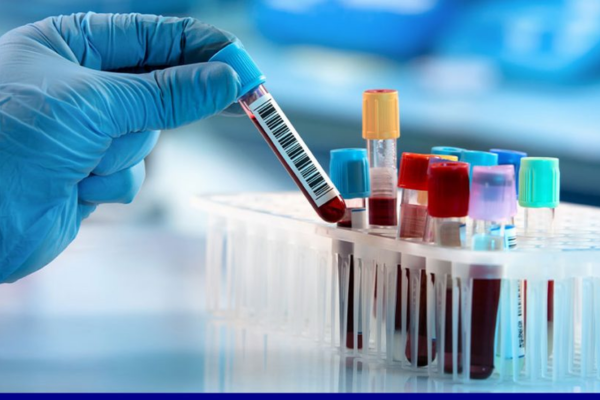
Diagnosis and Screening

Management and Treatment
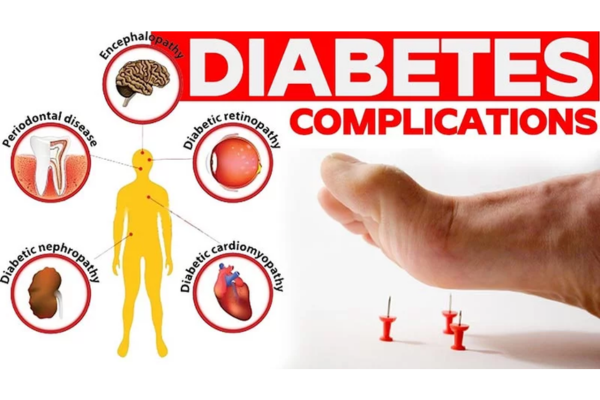
Complications of Diabetes

Patient Education and Support
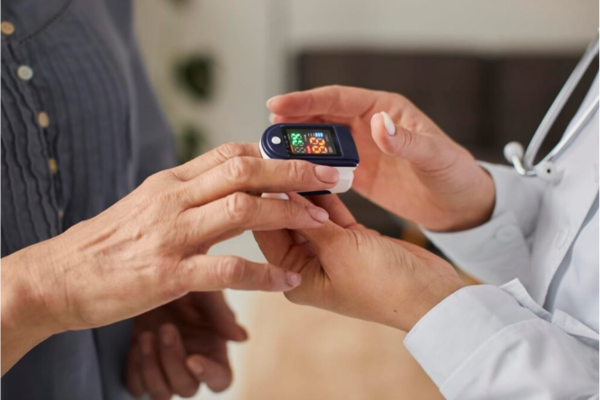
Advanced Topics in Diabetology
Key Features
1. Attending /Non-Attending Classes
2. Free Study Material with recorded lectures
3. Best Faculties (Super Specialists) of India
4. Library Access & Question & Answer Session
5. 1 Year of Mentorship
6. Updated Curriculum
Course Curriculum
- Anatomy and Physiology of the Endocrine System
- Overview of Diabetes Mellitus (Type 1, Type 2, Gestational Diabetes)
- Insulin Pathways and Resistance Mechanisms
- Risk Factors for Diabetes Development
- Global Epidemiology and Public Health Impact
- Clinical Presentation and Symptoms of Diabetes
- Diagnostic Criteria (Fasting Plasma Glucose, Oral Glucose Tolerance Test, HbA1c)
- Early Detection and Screening Protocols
- Differential Diagnosis of Diabetes
- Role of Biomarkers in Diagnosis (e.g., C-peptide, Insulin Resistance Markers)
- Insulin Therapy: Types, Administration, and Dosing Strategies
- Oral Antidiabetic Medications (Metformin, Sulfonylureas, SGLT-2 Inhibitors, GLP-1 Agonists)
- Newer Agents in Diabetes Management (DPP-4 Inhibitors, GIP Receptor Agonists, etc.)
- Insulin Resistance and Treatment Optimization
- Special Considerations: Pediatrics, Elderly, Pregnancy (Gestational Diabetes Management)
- Nutritional Management: Carbohydrate Counting, Glycemic Index, and Diet Plans
- Role of Physical Activity in Diabetes Management
- Weight Management and Obesity
- Patient Education and Diabetes Self-Management
- Psychological Support: Coping with Chronic Disease
- Continuous Glucose Monitoring (CGM): Benefits, Interpretation, and Integration
- Insulin Pumps and Closed-loop Systems
- Diabetes Mobile Apps and Telemedicine
- Artificial Pancreas Systems
- Future Trends in Diabetes Technology
- Diabetic Retinopathy and Preventive Strategies
- Diabetic Neuropathy and Foot Care
- Diabetic Nephropathy and Renal Protection
- Cardiovascular Disease and Diabetes
- Role of Multidisciplinary Teams in Diabetes Management
- Screening and Management of Diabetic Ketoacidosis (DKA) and Hyperosmolar Hyperglycemic State (HHS)
- Pediatric Diabetes: Type 1 Diabetes Management in Children and Adolescents
- Diabetes in Pregnancy: Gestational Diabetes and its Management
- Diabetes in the Elderly: Challenges and Treatment Strategies
- Diabetes and Co-morbid Conditions in Special Populations
- Primary and Secondary Prevention of Diabetes
- Public Health Approaches: Screening, Education, and Community Programs
- Global Diabetes Management Guidelines and Policies
- Collaboration between Healthcare Providers, Governments, and NGOs
- Cost-Effective Management and Access to Diabetes Care
- Advanced Insulin Delivery Systems: Insulin Pens, Pumps, and Smart Devices
- Insulin Sensitizers and Insulin Resistance: Mechanisms and Interventions
- Tight Glycemic Control in High-Risk Populations (e.g., Elderly, Pregnant Women)
- Insulin Adjustments for Inpatient Care
- Overcoming Barriers to Insulin Adherence
- The Role of the Gut Microbiome in Metabolic Health
- Dysbiosis and Its Impact on Diabetes Pathogenesis
- Probiotics, Prebiotics, and Dietary Interventions
- Microbiome-Based Therapies for Diabetes Prevention
- Research and Clinical Applications of Gut Health in Diabetes Management
- Diagnosis and Early Intervention in Pediatric Diabetes
- Psychological and Emotional Aspects of Pediatric Diabetes Management
- Insulin Pumps and Continuous Glucose Monitoring in Children
- Diabetes Transitioning: From Pediatric to Adult Care
- Long-Term Outcomes and Risk of Complications in Children with Diabetes
- Pathophysiology of Diabetes and Cardiovascular Disease
- Risk Assessment Tools for Diabetic Cardiovascular Risk
- Management of Hypertension and Dyslipidemia in Diabetic Patients
- Antiplatelet Therapy and Statins in Diabetes
- Emerging Therapies for Cardiovascular Protection in Diabetes
Fill Form Our Team Will Contact Soon
Choose medicalglobalacademy as your trusted partner for medical education and elevate your expertise to new heights.
Frequently Asked Questions
To apply, visit the course page of your interest and click on the ‘Apply Now’ button. Follow the instructions to complete your application. You may need to submit relevant documents and a resume.
Yes, all our courses are accredited by recognized medical and educational institutions. Details of accreditation can be found on each course page.
Yes, we offer a variety of online courses to provide flexibility for our students. Check the course descriptions for information on whether a course is available online.
You can contact our support team via email at support@medicalglobalacademy.com or call us at [+919310027474]. Our support team is available Monday to Friday from 9 AM to 6 PM.
Which Post-MBBS Course Format Is Right for You?
Answer three quick questions and we'll match you to the format that fits your goals — Certificate, PG Diploma, or Fellowship.