
CERTIFICATE IN INFECTION AND PREVENTION CONTROL
With our Certificate program, learn about the field of CERTIFICATE IN INFECTION AND PREVENTION CONTROL. Our course provides practical instruction and knowledgeable mentoring, making it ideal for medical professionals who are keen to succeed in diagnostics.
Batch starts on
Jan to Dec/ May to June
Course Duration
12 Months
Learning Formate
Online Mode
Flexible payment
financing options available
Certificate in Infection Control and Prevention
The MGA Medical Global Academy Certificate in Infection Control and Prevention is a professional programme designed to provide healthcare workers with essential knowledge and skills for preventing and managing infections across clinical and community healthcare environments. The course covers evidence-based infection prevention measures including sterilization, disinfection, antimicrobial stewardship and outbreak management. Key areas include hand hygiene, personal protective equipment (PPE), prevention of healthcare-associated infections (HAIs) and infection control practices. Through theoretical learning and case-based scenarios, participants develop the knowledge required to reduce infection risks, support patient safety and contribute to safer healthcare environments.
Outcome
On completion of this program, participants will be able to:
- Understand the principles of infection prevention and control (IPC) and their application in healthcare facilities
- Apply standard and transmission-based precautions to reduce infection risks
- Demonstrate appropriate use of PPE, hand hygiene and sterilization practices
- Identify, monitor and manage healthcare-associated infections (HAIs) and outbreaks
- Apply antimicrobial stewardship principles to help reduce antimicrobial resistance (AMR)
- Understand biomedical waste management and environmental hygiene practices
- Support occupational health measures that protect healthcare workers and promote patient safety
- Use surveillance methods and digital technologies to monitor and report infections
Career Opportunities
This certification can support career opportunities across infection control and public health, including:
- Infection Control Nurse / Infection Prevention Specialist
- Hospital Infection Control Officer
- Quality and Patient Safety Executive
- Public Health Professional specializing in Infection Prevention
- Clinical Safety and Risk Management Officer
- Infection Control Trainer / Educator
- Roles within NGOs, healthcare organizations and international health agencies
As global awareness of infection prevention continues to grow, there is increasing demand for healthcare professionals with knowledge of infection prevention and control across hospitals, healthcare organizations, public health programmes and community healthcare settings.
What you'll learn

Fundamentals of Infection Control
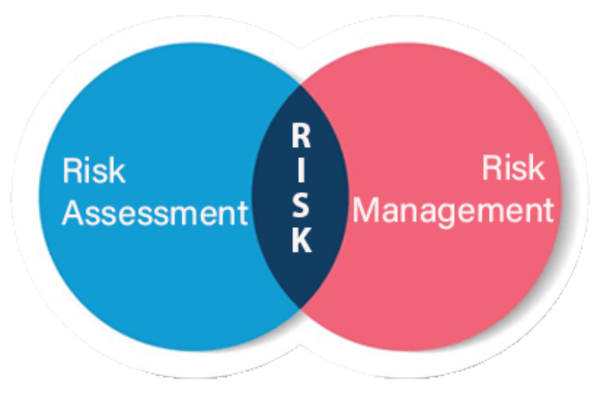
Risk Assessment and Management

Infection Control Protocols and Practices

Sterilization and Disinfection

Infection Control in Healthcare Settings

Education and Training
Key Features
1. Attending /Non-Attending Classes
2. Free Study Material with recorded lectures
3. Best Faculties (Super Specialists) of India
4. Library Access & Question & Answer Session
5. 1 Year of Mentorship
6. Updated Curriculum
Course Curriculum
- Introduction to Infection Prevention and Control (IPC)
- History and Evolution of Infection Control
- Chain of Infection: Agent, Host, Environment
- Standard and Transmission-Based Precautions
- Basic Microbiology and Pathogen Types (Bacteria, Viruses, Fungi, Parasites)
- Antimicrobial Resistance (AMR) and Emerging Pathogens
- Infection Risk in Healthcare Settings
- Environmental Sources of Infection
- WHO “5 Moments for Hand Hygiene”
- Types of Hand Hygiene: Soap vs. Alcohol-Based Rub
- Correct Use of PPE (Gloves, Gowns, Masks, Face Shields, Respirators)
- Donning and Doffing Procedures
- Principles of Cleaning, Disinfection, and Sterilization
- High- , Intermediate- , and Low-Level Disinfection
- Sterile Processing of Medical Equipment
- Cleaning Protocols for Patient Care Areas and Isolation Rooms
- Aseptic Technique in Wound Care and Invasive Procedures
- Central Line-Associated Bloodstream Infections (CLABSI)
- Catheter-Associated Urinary Tract Infections (CAUTI)
- Surgical Site Infections (SSI)
- Healthcare-Associated Infection (HAI) Surveillance Systems
- Identifying and Responding to Outbreaks
- Isolation and Quarantine Procedures
- Contact Tracing and Reporting Protocols
- Rational Use of Antibiotics
- Preventing AMR in Healthcare Settings
- Strategies for Implementing Stewardship Programs
- Global Action Plans and Local Policy
- Infection Prevention in Long-Term Care and Outpatient Clinics
- Dental, Dialysis, and Emergency Settings
- Neonatal and Intensive Care Units (NICU & ICU)
- Infection Control during Disasters and Pandemics
- Needlestick Injuries and Post-Exposure Prophylaxis (PEP)
- Vaccination of Healthcare Workers
- Mental Health and Burnout in IPC Staff
- Creating a Safety Culture in Healthcare
- Classification of Medical Waste (Infectious, Sharps, Hazardous, General)
- Waste Segregation, Labeling, and Color Coding Systems
- Transportation, Storage, and Disposal Procedures
- Compliance with Local and International Regulations (e.g., WHO, OSHA)
- Biosafety Levels (BSL-1 to BSL-4)
- Laboratory-Acquired Infections (LAIs)
- Specimen Collection, Handling, and Transport
- Decontamination and Spill Response Procedures
- IPC for Community Health Workers and Home Care Providers
- Patient and Family Education in Infection Control
- Home Isolation and Palliative Care Infection Risks
- Safe Management of Home Medical Equipment
- Surveillance and Preparedness for Emerging Diseases (e.g., COVID-19, Ebola, Avian Influenza)
- Zoonotic and Vector-Borne Infections
- Climate Change and Its Impact on Infectious Disease Patterns
- Global Response Frameworks: WHO IHR, CDC, ECDC
- Behavior Change Models (Health Belief Model, COM-B, etc.)
- Strategies to Improve Compliance with IPC Protocols
- Communication Techniques for IPC Training
- Addressing Misinformation and Cultural Beliefs
- Electronic Surveillance Systems for HAIs
- Telehealth and Remote IPC Monitoring
- Artificial Intelligence and Predictive Analytics in Infection Control
- Using Mobile Apps for Hand Hygiene Compliance
- Patient Rights and Confidentiality During Outbreaks
- Ethical Decision-Making in Infection Management
- Legal Responsibilities of Healthcare Workers and Institutions
- Regulatory Compliance and Accreditation (e.g., JCI, ISO, DOH)
- IPC Challenges in Oncology and Transplant Units
- Protecting HIV/AIDS and Immunosuppressed Patients
- Protective Isolation and Reverse Barrier Nursing
- Managing Opportunistic Infections
- WASH Standards in Clinical Settings
- Safe Water Supply, Treatment, and Storage
- Sanitation Infrastructure and Drainage Systems
- Role of WASH in Outbreak Prevention and Control
Fill Form Our Team Will Contact Soon
Choose medicalglobalacademy as your trusted partner for medical education and elevate your expertise to new heights.
Frequently Asked Questions
To apply, visit the course page of your interest and click on the ‘Apply Now’ button. Follow the instructions to complete your application. You may need to submit relevant documents and a resume.
Yes, all our courses are accredited by recognized medical and educational institutions. Details of accreditation can be found on each course page.
Yes, we offer a variety of online courses to provide flexibility for our students. Check the course descriptions for information on whether a course is available online.
You can contact our support team via email at support@medicalglobalacademy.com or call us at [+919310027474]. Our support team is available Monday to Friday from 9 AM to 6 PM.
Which Post-MBBS Course Format Is Right for You?
Answer three quick questions and we'll match you to the format that fits your goals — Certificate, PG Diploma, or Fellowship.