
CERTIFICATE IN PEDIATRICS
Explore the world of the Certificate in Pediatrics through our practical-based program. Tailored for medical professionals aiming to excel in diagnostics, this course offers deep knowledge and expert guidance to enhance your skills and knowledge in pediatric care.
Batch starts on
Jan to Dec/ May to June
Course Duration
12 Months
Multimodal Program
Hybrid Mode & Clinical Attachment
Flexible payment
financing options available
Certificate in Pediatrics
The Certificate in Pediatrics from MGA Medical Global Academy is a specialized course that allows the healthcare professional to acquire in-depth knowledge and skills of child care. Pediatrics specializes in the healthcare of children, adolescents, and babies, taking into account their particular physiological, development and emotional needs. This course offers a solid foundation in pediatrics including growth and development, immunisation, nutrition, and the management and diagnosis of common and complex childhood diseases. It combines theory with clinical experience, allowing the participants to gain insights into pediatrics, including infections, congenital diseases, developmental delays, and chronic diseases. The course focuses on evidence-based practice and child-centered care, equipping students to provide high-quality healthcare to children in a variety of settings.
Outcome
By the end of this program, participants will be able to:
Know the physical growth and development of children, and the differences between children and adults in their physiology.
Take and conduct effective history-taking and clinical examinations in children
Identify and treat common childhood diseases and infections
Measure growth parameters and look for developmental delays.
Adopt vaccination programmes and preventive child health policies
Handle child emergencies such as respiratory distress, dehydration and shock.
Implement evidence-based treatment modalities for children in practice.
Implement a comprehensive approach to children’s health and well-being that is family-driven
Career Opportunities
This qualification provides opportunities for careers in paediatric/children’s health and social care, such as:
To practice Pediatric Medicine as an Assistant / Practitioner.
Child Health Specialist (Primary Care Settings)
Pediatric Emergency Care Provider
Infant and child care worker.
Children’s and Women’s Health Care and Hospitals: Clinical Roles.
Healthcare Professional in Child Health and Health Promotion Clinics
There are several opportunities for studying Nursing that are available in the NGOS, Community Health Programs and Public Health Initiatives.
As children’s health and the prevention of childhood illnesses and conditions gain greater priority, pediatric workers are in high demand within hospitals, clinics and the community health care sector.
What you'll learn

Introduction to Pediatrics

Pediatric Nutrition
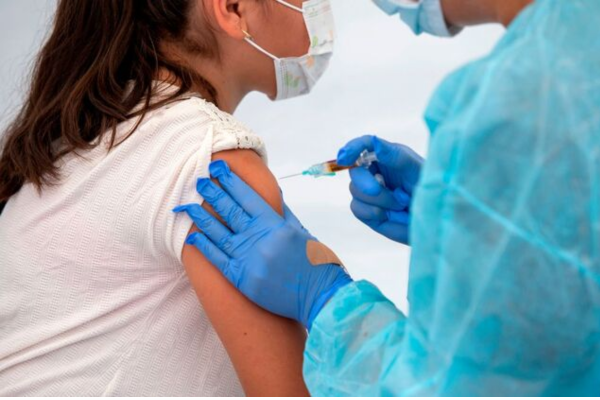
Immunization and Preventive Health
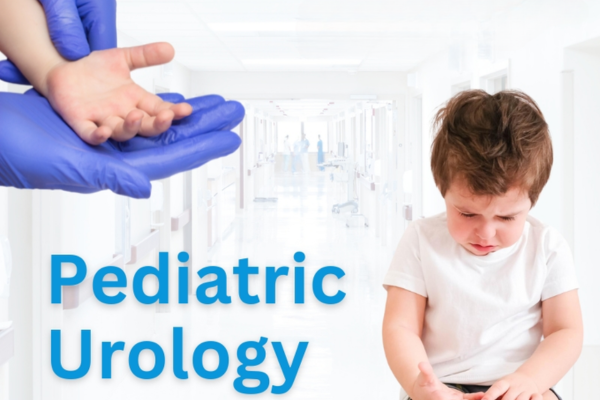
Common Pediatric Conditions

Pediatric Emergencies

Chronic Pediatric Diseases
Key Features
1. Attending /Non-Attending Classes
2. Clinical Training in Nearest Hospital/Clinics.
3. Free Study Material with recorded lectures
4. Best Faculties (Super Specialists) of India
5. Library Access & Question & Answer Session
6. NAAC A+ University
7. 1 Year of Mentorship
8. Updated Curriculum
Course Curriculum
- Overview of Pediatric Medicine: History, evolution, and scope.
- Pediatric Growth and Development: Stages of growth, milestones, and developmental assessments.
- Legal and Ethical Issues in Pediatrics: Child rights, informed consent, confidentiality, and ethical decision-making.
- Child Health Systems: Pediatric healthcare delivery models, public health strategies, and global health perspectives.
- Comparative Anatomy: Differences between adult and pediatric anatomy.
- Pediatric Physiology: Cardiovascular, respiratory, renal, and gastrointestinal systems in children.
- Neurodevelopmental Physiology: Central nervous system development in childhood.
- Immune System and Pediatric Infections: Pediatric immune responses and common childhood infections.
- Nutritional Requirements of Children: Breastfeeding, infant formulas, and dietary needs in childhood.
- Malnutrition and Its Impact on Growth: Identification, treatment, and prevention of malnutrition.
- Growth Disorders: Stunting, wasting, and obesity in children.
- Nutritional Disorders: Iron deficiency anemia, rickets, and vitamin deficiencies.
- Common Pediatric Infections: Viral, bacterial, and parasitic infections in children.
- Acute Conditions: Respiratory infections, gastroenteritis, dehydration, and fever management.
- Chronic Conditions: Asthma, diabetes, epilepsy, and cystic fibrosis.
- Genetic and Congenital Disorders: Down syndrome, congenital heart defects, and metabolic disorders.
- Vaccination Schedules: National and global vaccination recommendations.
- Immunization Challenges: Vaccine hesitancy, safety, and logistics.
- Preventive Pediatric Healthcare: Screening for growth, developmental delays, hearing, vision, and mental health.
- Injury Prevention and Child Safety: Road safety, burns, falls, and poisoning prevention.
- Emergency Pediatric Care: First aid, triage, and resuscitation techniques.
- Pediatric Trauma: Management of head injuries, fractures, and soft tissue injuries.
- Pediatric Shock: Hypovolemic, cardiogenic, and septic shock in children.
- Neonatal Intensive Care: Management of premature infants, respiratory distress, and neonatal infections.
- Drug Dosing in Children: Age-based drug dosing, pharmacokinetics, and pharmacodynamics.
- Common Pediatric Medications: Antibiotics, antipyretics, and pain management in children.
- Adverse Drug Reactions: Identifying and managing drug allergies and side effects.
- Pediatric Anesthesia: Considerations for safe anesthetic practices in children.
- Endocrine Development in Children: Puberty, growth hormone, and thyroid function.
- Common Pediatric Endocrine Disorders: Diabetes mellitus, hypothyroidism, and adrenal insufficiency.
- Metabolic Disorders: Inborn errors of metabolism, phenylketonuria, and mitochondrial diseases.
- Obesity and Insulin Resistance: Impact of obesity on childhood health and management strategies.
- Neurological Development: Brain growth, cognitive function, and motor milestones.
- Neurodevelopmental Disorders: Autism spectrum disorder, ADHD, learning disabilities.
- Seizure Disorders: Epilepsy in children, status epilepticus, and management.
- Neurogenetic Disorders: Fragile X syndrome, Rett syndrome, and cerebral palsy.
- Congenital Heart Diseases: Common congenital heart defects, diagnosis, and management.
- Cardiac Murmurs: Assessment, differential diagnosis, and treatment.
- Pediatric Respiratory Disorders: Asthma, pneumonia, bronchitis, and cystic fibrosis.
- Pediatric Sleep Disorders: Sleep apnea, insomnia, and other pediatric sleep concerns.
- Pediatric Hematology: Anemia, thalassemia, sickle cell disease, and bleeding disorders.
- Pediatric Cancer: Common cancers in childhood (leukemia, lymphoma, neuroblastoma) and treatment strategies.
- Bone Marrow Transplantation: Indications, procedure, and post-transplant care.
- Palliative Care in Pediatric Oncology: End-of-life care, pain management, and family support.
- Childhood Psychiatric Disorders: Anxiety, depression, and conduct disorders.
- Psychosocial Factors: Impact of family, school, and societal factors on mental health.
- Behavioral Interventions: Cognitive-behavioral therapy (CBT) and other therapeutic techniques.
- Child and Adolescent Substance Abuse: Prevention, diagnosis, and treatment of substance use disorders.
- Common Pediatric Surgical Procedures: Hernias, appendectomies, and circumcisions.
- Pediatric Urology: Hypospadias, cryptorchidism, and renal anomalies.
- Pediatric Orthopedic Disorders: Scoliosis, hip dysplasia, and fractures.
- Neonatal Surgery: Surgery for congenital malformations, biliary atresia, and Hirschsprung’s disease.
- Physical Therapy for Children: Management of musculoskeletal injuries and disorders.
- Speech and Language Therapy: Diagnosis and treatment of speech delays and disorders.
- Occupational Therapy: Helping children with developmental or physical challenges to function independently.
- Neurorehabilitation: Post-stroke and post-trauma recovery for pediatric patients.
- Current Research in Pediatrics: Overview of cutting-edge research in pediatric care, vaccines, and disease prevention.
- Telemedicine in Pediatrics: Virtual healthcare delivery and its applications in pediatric care.
- Global Pediatric Health Issues: Addressing health disparities, malnutrition, and infectious diseases worldwide.
- Future of Pediatric Medicine: Advances in genomics, personalized medicine, and regenerative therapies.
- Common Pediatric Skin Conditions: Eczema, acne, psoriasis, and diaper dermatitis.
- Infectious Dermatological Conditions: Impetigo, chickenpox, fungal infections, and scabies.
- Skin Rashes and Allergies: Differential diagnosis of rashes, urticaria, and allergic reactions.
- Pediatric Dermatologic Emergencies: Bullous diseases, severe rashes, and toxic epidermal necrolysis (TEN).
- Pediatric Vision Development: Visual acuity, amblyopia, and strabismus.
- Common Pediatric Eye Disorders: Conjunctivitis, retinopathy of prematurity, and cataracts.
- Ear, Nose, and Throat Disorders: Otitis media, sinusitis, tonsillitis, and hearing loss.
- Pediatric Hearing Screening: Early identification of hearing impairment and treatment options.
- Types of Pain in Children: Acute, chronic, and procedural pain.
- Assessment of Pain in Children: Tools for evaluating pain in infants and non-verbal children.
- Pharmacological Pain Relief: Pain management medications, including analgesics, opioids, and local anesthetics.
- Non-Pharmacological Pain Relief: Distraction techniques, hypnosis, and physical therapies for pain management.
Our Accrediation Partners


Fill Form Our Team Will Contact Soon
Choose medicalglobalacademy as your trusted partner for medical education and elevate your expertise to new heights.
Frequently Asked Questions
To apply, visit the course page of your interest and click on the ‘Apply Now’ button. Follow the instructions to complete your application. You may need to submit relevant documents and a resume.
Yes, all our courses are accredited by recognized medical and educational institutions. Details of accreditation can be found on each course page.
Yes, we offer a variety of online courses to provide flexibility for our students. Check the course descriptions for information on whether a course is available online.
You can contact our support team via email at support@medicalglobalacademy.com or call us at [+919310027474]. Our support team is available Monday to Friday from 9 AM to 6 PM.