
CERTIFICATE IN RESEARCH METHODOLOGY
Discover the world of CERTIFICATE IN RESEARCH METHODOLOGY
with our practical-based Certificate program. Perfect for medical professionals eager to excel in diagnostic, our course offers clinical training and expert guidance.
Batch starts on
Jan to Dec/ May to June
Course Duration
12 Months
Multimodal Program
Online Mode & Clinical Attachment
Flexible payment
financing options available
Certificate in Research Methodology
The Certificate in Research Methodology is an organized course that is aimed at equipping healthcare professionals and students with a solid background in scientific research and evidence-based practice. The skills to design, conduct, and interpret research are necessary in the modern healthcare environment that is data-driven with the aim of improving clinical outcomes and advancing medical knowledge. The program that MGA (Medical Global Academy) provides, deals with the basic concepts of research such as study design, hypothesis formulation, data collection methods, biostatistics, literature review and ethical considerations. It integrates theoretical knowledge with practice, so members can know the whole research process starting with generating an idea until publishing. The course is recommended to medical professionals, students, and academicians, who wish to develop research skills, become contributors to scientific research, or enrich their academic and clinical careers.
Outcome
After successful accomplishment of the program, learners will:
Establish a good comprehension of research design, research methodology as well as scientific research.
Understand how to construct research questions, hypotheses and study objectives.
Learn how to perform a literature review and develop a research gap.
Know qualitative, quantitative, and mixed-method research methods.
Learn simple to complex information on biostatistics and data analysis.
Know how to gather, store and analyze research data efficiently.
Use ethical standards and regulations in research practice.
Learn about the process of writing manuscripts, publication, and peer-review.
Develop skills to critically analyze medical literature and research results.
On the whole, the program will enable learners to possess the competencies needed to engage in quality research and add to evidence-based healthcare.
Career Opportunities
Upon the completion of the Certificate in Research Methodology, the professionals will be able to pursue numerous academic, research-oriented positions, which include:
Clinical Research Associate (CRA)
Research Assistant / Research Coordinator.
Medical Research Analyst
Academic Researcher
Public Health Research Professional.
Clinical Data Analyst
Healthcare Consultant (Research & Evidence-Based Practice)
The skills required in research are greatly appreciated in hospitals, academic institutions, pharmaceutical companies and even in the organizations that assist in promoting health. This certification improves career opportunities, as it opens career opportunities both in the clinical practice and research fields, making the professionals more competitive in the changing healthcare environment.
What you'll learn

Introduction to Research Methodology
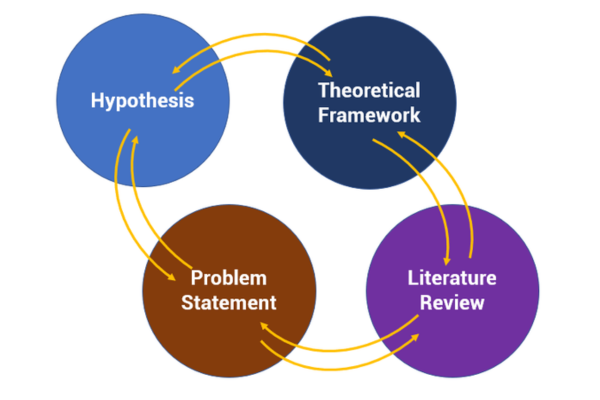
Literature Review and Hypothesis Formulation
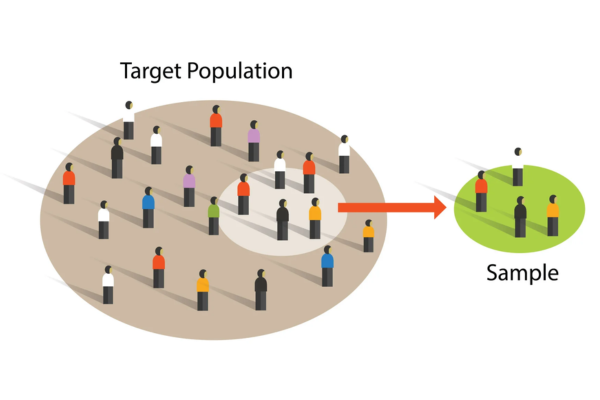
Research Design and Sampling Techniques
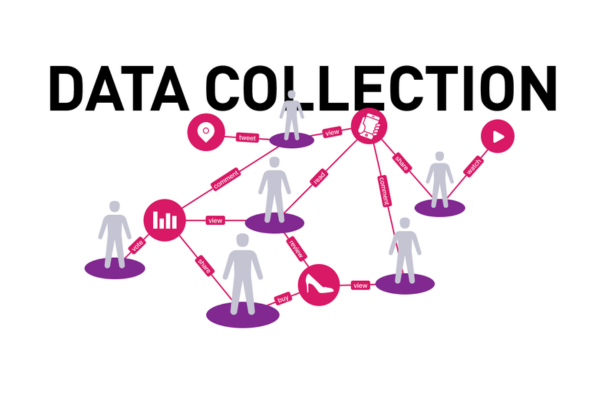
Data Collection Methods and Tools

Data Management and Analysis
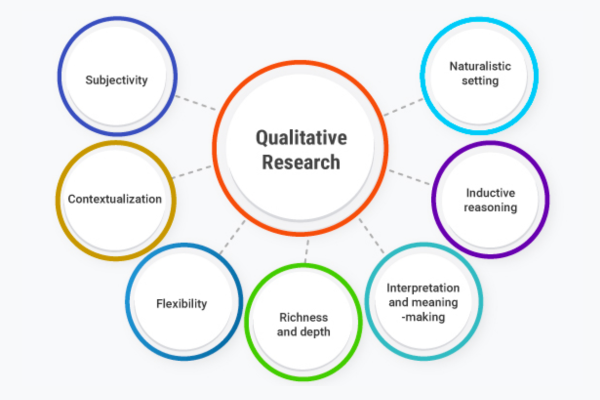
Qualitative Research Techniques
Key Features
1. Attending /Non-Attending Classes
2. Free Study Material with recorded lectures
3. Best Faculties (Super Specialists) of India
4. Library Access & Question & Answer Session
5. 1 Year of Mentorship
6. Updated Curriculum
Course Curriculum
- Definition and importance of research in healthcare
- Types of research: Basic, applied, clinical, translational
- Characteristics of good research
- Formulating research questions and objectives
- Research ethics and integrity
- Importance of literature review in research
- Searching scholarly databases (PubMed, Scopus, etc.)
- Identifying research gaps
- Framing a research problem and hypothesis
- Referencing tools (Zotero, Mendeley)
- Qualitative vs. Quantitative research
- Experimental, observational, cross-sectional, and cohort studies
- Sampling techniques and sample size calculation
- Validity and reliability of research tools
- Study protocol development
- Tools and techniques for data collection (questionnaires, interviews, surveys)
- Primary vs. secondary data
- Basics of biostatistics
- Data analysis using software (SPSS, R, Excel)
- Interpretation of findings
- Informed consent and confidentiality
- Institutional Review Board (IRB) process
- Ethical issues in human and animal research
- International ethical guidelines (ICH-GCP, Declaration of Helsinki)
- Descriptive vs. inferential statistics
- Parametric and non-parametric tests
- Confidence intervals and p-values
- Correlation, regression, and ANOVA
- Statistical software applications (SPSS, R, STATA)
- Difference between narrative and systematic reviews
- Protocol development for systematic reviews
- PRISMA guidelines and flowcharts
- Introduction to meta-analysis and forest plots
- Risk of bias assessment (e.g., Cochrane tools)
- Grounded theory, phenomenology, ethnography
- Conducting interviews and focus group discussions
- Thematic analysis and coding
- Trustworthiness in qualitative research
- Use of NVivo or other qualitative analysis tools
- Identifying funding sources (NIH, WHO, local bodies)
- Elements of a grant proposal
- Budgeting and justification
- Proposal review process
- Tips for successful grant applications
- Choosing the right journal
- Manuscript submission process
- Understanding editorial workflows
- Responding to peer reviewers
- Open access vs. traditional journals
- Setting timelines and milestones
- Team roles and collaboration in research
- Record keeping and documentation
- Managing resources and research assistants
- Risk mitigation and troubleshooting
- Principles of epidemiology in research
- Measures of disease frequency (incidence, prevalence)
- Measures of association (odds ratio, relative risk)
- Outbreak investigation and surveillance
- Use of epidemiological tools in public health
- Basics of health informatics and electronic health records (EHR)
- Data collection tools and platforms (REDCap, ODK, KoBoToolbox)
- Data storage, security, and confidentiality
- Structured vs. unstructured data
- Big data in healthcare research
- Bridging the gap between research and real-world practice
- Dissemination and implementation (D&I) frameworks
- Evaluating the impact of research on health systems
- Stakeholder engagement in research
- Translating findings into policy and practice
- Role of AI and machine learning in medical research
- Mobile health (mHealth) and telemedicine research
- Use of wearable tech and remote monitoring tools
- Research in digital health interventions
- Challenges and opportunities in tech-enabled studies
- Building research networks and consortia
- Cross-border ethics and legal considerations
- Multinational trials and data harmonization
- Global health priorities and collaborative funding
- Cultural competence in research
- Building a research portfolio/CV
- Mentorship and networking in academia
- Becoming a principal investigator (PI)
- Academic publishing as a career path
- Leadership skills for managing research teams
- Ethical and methodological considerations in pediatric research
- Research involving pregnant women and the elderly
- Vulnerable populations: prisoners, refugees, cognitively impaired
- Culturally sensitive research practices
- Community-based participatory research (CBPR)
- Health systems frameworks and policy cycles
- Research for health policy development
- Cost-effectiveness and economic evaluation in health research
- Stakeholder and decision-maker engagement
- Knowledge translation to policy
- Copyrights, patents, and intellectual property rights (IPR)
- Authorship criteria and publication ethics (ICMJE guidelines)
- Data ownership and access policies
- Legal aspects of clinical trials and patient data
- Handling misconduct and retraction
- Climate change and health research methods
- Environmental exposure assessment
- Planetary health and One Health approach
- Researching global infectious disease outbreaks
- Cross-sector collaboration in global health
Fill Form Our Team Will Contact Soon
Choose medicalglobalacademy as your trusted partner for medical education and elevate your expertise to new heights.
Frequently Asked Questions
To apply, visit the course page of your interest and click on the ‘Apply Now’ button. Follow the instructions to complete your application. You may need to submit relevant documents and a resume.
Yes, all our courses are accredited by recognized medical and educational institutions. Details of accreditation can be found on each course page.
Yes, we offer a variety of online courses to provide flexibility for our students. Check the course descriptions for information on whether a course is available online.
You can contact our support team via email at support@medicalglobalacademy.com or call us at [+919310027474]. Our support team is available Monday to Friday from 9 AM to 6 PM.
Which Post-MBBS Course Format Is Right for You?
Answer three quick questions and we'll match you to the format that fits your goals — Certificate, PG Diploma, or Fellowship.