
FELLOWSHIP IN CARDIOTHORACIC SURGERY
A Fellowship in Cardiothoracic Surgery is designed for doctors who want to build advanced expertise in cardiac and thoracic surgical care. The program combines clinical training, expert mentorship, and evidence-based learning to help medical professionals strengthen their surgical skills and confidence.
Batch starts on
Jan to Dec/ May to June
Course Duration
12 Months
Multimodal Program
Hybrid Mode & Clinical Attachment
Flexible payment
financing options available
Fellowship in Cardiothoracic Surgery: Program Overview
The Fellowship in Cardiothoracic Surgery offered by MGA Medical Global Academy is a post-graduate course aimed at the development of advanced skills in surgical procedures in the cardiothoracic and non-cardiothoracic fields, of medical professionals who want to grow their expertise in practice. The program integrates clinical exposure, clinical training, a multi-disciplinary approach, and research-focused education to equip participants with the skills needed to meet today’s demands in cardiothoracic surgery. Fellows acquire broad expertise in adult cardiac surgery, thoracic surgery, pediatric cardiothoracic surgery, cardiac transplantation, minimally invasive and robotic-assisted surgery, vascular surgery, pulmonary hypertension management, advanced cardiac imaging, neurocognitive care, mechanical circulatory support and end-of-life surgical care. Teamwork, ethical practice, surgical leadership, patient management and the application of novel technologies to the care of cardiothoracic surgical patients are also highlighted aspects of the fellowship.
Skills You Will Gain
Good knowledge of the anatomy of heart, lungs, chest wall and the principle of cardiothoracic surgery
Skills in Pre-op evaluation, Emergency management, imaging interpretation, patient management.
Understanding the surgical steps, peri-operative management, and assistance protocols for CABG, valve surgery, aortic surgery and heart failure surgery
Orientation and observational exposure to minimally invasive and robotic-assisted techniques
Understanding of Thoracic surgical procedures such as lung cancer surgery, oesophageal surgery, mediastinal tumour resection and pleural disease management.
Post medical and surgical learning for pediatric cardiac thoracic surgery, congenital cardiac surgery repair, neonatal surgery and post neonatal pediatric surgery care.
Familiar with heart transplantation, VADs, ECMO, immunosuppression and long-term care of transplants.
Understanding in vascular surgical procedures such as endovascular surgery, carotid surgery and hybrid surgical technique
Advanced cardiac imaging, 3D surgical planning, echocardiography and transesophageal echocardiography (TEE) skills.
Understanding of the care of the neurocognitive patient, stroke prevention, stroke rehabilitation and post-stroke neurological evaluation.
Training in clinical research, translational research, biomaterials, prosthetics and data-driven surgical decision making.
Develop leadership, crisis management, ethical decision making, communication, mentorship and multi disciplinary team working skills.
Awareness of palliative surgery, symptom management and supportive care in advanced cardiothoracic conditions.
Career Outcomes After the Fellowship
Develop a niche career in the field of Cardiothoracic Surgery and advanced surgical patient care
A wide range of opportunities in cardiac surgery units, thoracic surgery departments, transplant centres and multispecialty hospitals.
Improve clinical certainty when dealing with complex cardiac, thoracic and vascular surgical issues.
Join multi-disciplinary teams for the care of complex patients with cardiac or thoracic disease.
Support better patient outcomes through evidence-based surgical care and innovative technologies
Discuss career opportunities in cardiac thoracic surgery, cardiac transplantation and mechanical circulatory support services.
Engage in surgical research, academic teaching, innovation programs and healthcare leadership.
Keep abreast of advances in robotic surgery, advanced imaging, biomaterials and translational surgical research.
Support the development of professionals in the developing discipline of cardiothoracic and cardiovascular surgical sciences
What you'll learn

Introduction to Cardiothoracic Surgery
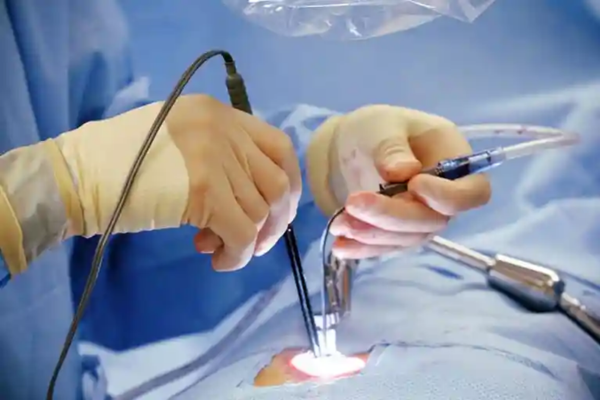
Cardiac Surgery
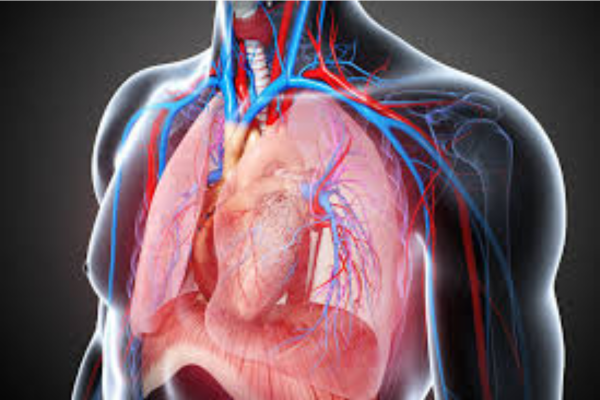
Thoracic Surgery

Surgical Techniques and Instrumentation

Critical Care and Postoperative Management

Advanced Cardiac Surgery
Key Features
- Attending /Non-Attending Classes
- Clinical Training in Nearest Hospital/Clinics.
- Free Study Material with recorded lectures
- Best Faculties (Super Specialists) of India
5. Library Access & Question & Answer Session
6. NAAC A+ University
7. 1 Year of Mentorship
8. Updated Curriculum
Course Curriculum
- Anatomy of the Heart, Lungs, and Chest Wall
- Basic Surgical Principles in Cardiothoracic Surgery
- Preoperative Evaluation and Patient Management
- Imaging Techniques (CT, MRI, Angiography, Echocardiography)
- Emergency Management of Cardiothoracic Conditions
- Simulation Training: Basic Thoracic and Cardiovascular Procedures
- Coronary Artery Bypass Grafting (CABG)
- Aortic Surgery (Dissection, Aneurysms, Valve Replacement)
- Valvular Surgery (Mitral, Aortic, Tricuspid, Pulmonary)
- Minimally Invasive Cardiac Surgery (Robot-Assisted, Endoscopic Techniques)
- Heart Failure Surgery (Ventricular Assist Devices, Transplantation)
- Postoperative Care: Intensive Monitoring and Recovery Protocols
- Research and Emerging Technologies in Cardiac Surgery
- Lung Cancer Surgery (Lobectomy, Pneumonectomy, VATS)
- Esophageal Surgery (Esophagectomy, Anti-Reflux Procedures)
- Mediastinal Tumor Resection
- Minimally Invasive Thoracic Surgery (VATS, Robotic Techniques)
- Pleural Diseases and Pleurisy
- Management of Tracheal and Bronchial Pathologies
- Perioperative Care and Complication Management
- Congenital Heart Disease: Surgical Approaches and Repairs
- Neonatal and Infant Cardiothoracic Procedures
- Neonatal and Infant Cardiothoracic Procedures
- Fetal Cardiac Surgery and Intervention
- Postoperative Management of Pediatric Cardiothoracic Patients
- Surgical Innovations in Pediatric Cardiothoracic Care
- Heart Transplantation: Indications, Procedure, and Follow-Up
- Heart Transplantation: Indications, Procedure, and Follow-Up
- Post-Transplant Immunosuppression and Complications
- Long-Term Care and Rejection Monitoring
- Transplantation Ethics and Organ Procurement
- Multidisciplinary Team Management in Transplant Care
- Robotic-Assisted Heart Surgery
- Endoscopic Techniques in Thoracic Surgery
- Transcatheter Aortic Valve Replacement (TAVR)
- Percutaneous Coronary Intervention (PCI) and Hybrid Procedures
- Advanced Endovascular Techniques in Cardiothoracic Surgery
- Simulation Labs for Robotic and Minimally Invasive Procedures
- Current Trends in Cardiothoracic Surgical Research
- Innovations in Heart and Lung Surgery
- Clinical Trials and Translational Research
- Biomaterials and Prosthetics in Cardiothoracic Surgery
- Data-Driven Decision-Making in Surgery
- Ethical Issues in Surgical Research
- Leadership Skills in Cardiothoracic Surgery
- Communication with Multidisciplinary Teams
- Ethical Dilemmas in Cardiothoracic Surgery
- Crisis Management in Surgical Settings
- Mentorship and Teaching in Academic Surgery
- Legal and Medicolegal Issues in Cardiothoracic Surgery
- Endovascular Surgery for Aortic Diseases
- Carotid Artery Disease and Surgery
- Peripheral Vascular Disease in Cardiac Patients
- Venous Disease and Surgical Approaches
- Venous Disease and Surgical Approaches
- Hybrid Surgery: Combining Endovascular and Open Techniques
- Pathophysiology of Pulmonary Hypertension
- Medical Management and Pharmacotherapy
- Surgical Management: Pulmonary Endarterectomy and Transplantation
- Right Heart Failure: Surgical and Medical Interventions
- Pulmonary Arterial Hypertension (PAH) and Cardiac Resynchronization Therapy
- Postoperative Care and Long-Term Follow-Up of Pulmonary Hypertension Patients
- Cardiac CT and MRI: Advanced Imaging Techniques
- Three-Dimensional (3D) Imaging and Surgical Planning
- Echocardiography in Surgical Planning
- Transesophageal Echocardiography (TEE) and Its Role in Surgery
- Quantifying Coronary and Valvular Disease Using Imaging
- Integration of Imaging in Minimally Invasive and Robotic Surgery
- Neurocognitive Dysfunction After Cardiac Surgery
- Stroke Prevention in Cardiac and Thoracic Surgery
- Cerebral Protection Techniques During Cardiac Surgery
- Neuropsychological Assessment in Postoperative Care
- Rehabilitation and Recovery of Cognitive Function
- Patient and Family Education for Neurological Outcomes
- Introduction to Robotic Surgery Systems (Da Vinci, etc.)
- Robotic Lobectomy and Other Thoracic Procedures
- Robotic Mitral Valve Repair and Aortic Valve Surgery
- Minimally Invasive Robotic Coronary Bypass Surgery (CABG)
- Challenges and Limitations of Robotic Surgery in Complex Cases
- Training and Simulation in Robotic Techniques
- Robotic Surgery in Pediatric Cardiothoracic Surgery
- Advanced Heart Failure Diagnosis and Management
- Ventricular Assist Devices (VADs): Indications, Insertion, and Management
- ECMO in Critical Cardiac and Pulmonary Failure
- ECMO in Critical Cardiac and Pulmonary Failure
- Post-Operative Management of VAD and Transplant Patients
- Long-Term Care for Heart Failure and MCS Patients
- Ethical Considerations and Quality of Life in Advanced Heart Failure
- Palliative Surgery for Inoperable Conditions
- Ethical Considerations in End-of-Life Decisions
- Communication with Families in Terminal Cases
- Symptom Management: Pain, Dyspnea, and Other Symptoms
- Integrating Palliative Care into Cardiothoracic Practice
- Supportive Care for Cardiothoracic Surgery Patients with Limited Prognosis
Our Accrediation Partners



Fill Form Our Team Will Contact Soon
Choose medicalglobalacademy as your trusted partner for medical education and elevate your expertise to new heights.
Frequently Asked Questions
To apply, visit the course page of your interest and click on the ‘Apply Now’ button. Follow the instructions to complete your application. You may need to submit relevant documents and a resume.
Yes, all our courses are accredited by recognized medical and educational institutions. Details of accreditation can be found on each course page.
Yes, we offer a variety of online courses to provide flexibility for our students. Check the course descriptions for information on whether a course is available online.
You can contact our support team via email at support@medicalglobalacademy.com or call us at [+919310027474]. Our support team is available Monday to Friday from 9 AM to 6 PM.