
FELLOWSHIP IN FACIAL AESTHETIC & COSMETOLOGY
Build advanced expertise in Facial Aesthetic procedures with the Fellowship in Facial Aesthetic & Cosmetology at Medical Global Academy (MGA). Designed for medical professionals, this clinically focused fellowship provides comprehensive training in facial rejuvenation, aesthetic medicine, and non-surgical cosmetic procedures. Through evidence-based learning, structured clinical exposure, expert mentorship, LMS access, CPD certification, and one year of academic support, participants develop the clinical confidence to assess facial concerns, plan personalized treatments, and deliver safe, natural-looking aesthetic outcomes.
Batch starts on
Jan to Dec/ May to June
Course Duration
12 Months
Learning Format
Online Mode
Flexible payment
financing options available
Facial Aesthetic Fellowship Program Overview
The demand for Facial Aesthetic treatments continues to grow as patients increasingly seek minimally invasive procedures that enhance facial harmony while preserving natural expressions. Modern aesthetic practice requires much more than technical skills—it demands a thorough understanding of facial anatomy, patient assessment, treatment planning, and evidence-based clinical decision-making.
The Fellowship in Facial Aesthetic & Cosmetology at Medical Global Academy (MGA) is designed to help medical professionals develop specialized expertise in facial aesthetics and modern cosmetic medicine. The program provides a comprehensive understanding of facial aging, skin health, aesthetic assessment, and contemporary non-surgical facial rejuvenation techniques, enabling participants to deliver safe, personalized, and clinically appropriate treatments.
The curriculum combines structured academic learning with clinical exposure across key areas of aesthetic medicine, including facial anatomy, botulinum toxin therapy, dermal fillers, chemical peels, laser procedures, PRP therapy, microneedling, thread lifts, hair restoration, skin rejuvenation, and regenerative aesthetic treatments. Equal emphasis is placed on patient consultation, treatment planning, complication management, and ethical aesthetic practice, helping participants build confidence in delivering high-quality patient care.
Participants also benefit from LMS-based learning, CPD certification, and one year of expert mentorship, providing continuous academic support and professional guidance while keeping pace with evolving techniques in aesthetic medicine.
Clinical Skills You’ll Develop in Facial Aesthetic Medicine
Throughout the fellowship, participants strengthen their expertise in:
- Facial anatomy, facial proportions, and age-related anatomical changes.
- Comprehensive facial assessment and individualized treatment planning.
- Botulinum toxin applications for facial rejuvenation and therapeutic indications.
- Dermal filler techniques for facial contouring, volumization, and profile enhancement.
- Skin rejuvenation using chemical peels, microneedling, PRP, and laser-based procedures.
- Hair restoration therapies, scalp rejuvenation, and regenerative aesthetic treatments.
- Non-surgical facial lifting and facial sculpting techniques.
- Management of pigmentation, acne scars, skin laxity, and other aesthetic skin concerns.
- Patient consultation, expectation management, complication prevention, and ethical clinical practice.
- Evidence-based decision-making using modern aesthetic technologies and treatment protocols.
Career Opportunities After the Fellowship in Aesthetic Medicine & Surgery
Completing the Fellowship in Aesthetic Medicine & Surgery prepares medical professionals to expand their expertise in one of the fastest-growing areas of healthcare. The program supports career development across cosmetic, dermatology, and aesthetic medicine settings while strengthening the clinical skills needed to deliver modern facial aesthetic treatments.
Career opportunities include:
- Aesthetic medicine and cosmetic clinics.
- Dermatology and skin care centers.
- Facial rejuvenation and anti-aging practices.
- Wellness and medical aesthetic centers.
- Private aesthetic practice and cosmetic consultation.
- Multidisciplinary clinics offering non-surgical facial procedures.
- Collaboration with dermatologists, plastic surgeons, and cosmetic physicians.
- Continuing education, advanced aesthetic training, and professional development in facial aesthetics.
Why Choose Medical Global Academy for a Fellowship in Facial Aesthetic?
Building a successful career in Facial Aesthetic medicine requires more than learning individual cosmetic procedures. It requires the ability to understand facial anatomy, evaluate patient concerns, create personalized treatment plans, and perform evidence-based aesthetic procedures with safety and precision.
At Medical Global Academy (MGA), the fellowship is designed to help doctors bridge the gap between theoretical knowledge and clinical practice. The curriculum focuses on developing clinical judgment, patient consultation skills, and confidence in modern aesthetic medicine, enabling participants to integrate facial aesthetic procedures into everyday practice.
What Makes MGA Different?
- Comprehensive curriculum covering modern Facial Aesthetic and cosmetology procedures.
- Evidence-based learning aligned with current aesthetic medicine practices.
- Structured clinical exposure focused on patient assessment and treatment planning.
- Expert faculty guidance and one year of professional mentorship.
- LMS access with updated learning resources and recorded sessions.
- CPD certification supporting continuous professional development.
- Strong focus on patient safety, ethical practice, and natural aesthetic outcomes.
Whether you want to expand your existing practice or establish yourself in the field of Facial Aesthetic, Medical Global Academy provides the clinical knowledge, academic support, and professional guidance needed to build long-term success in aesthetic medicine.
What you'll learn

Advanced Anatomy and Aesthetic Principles
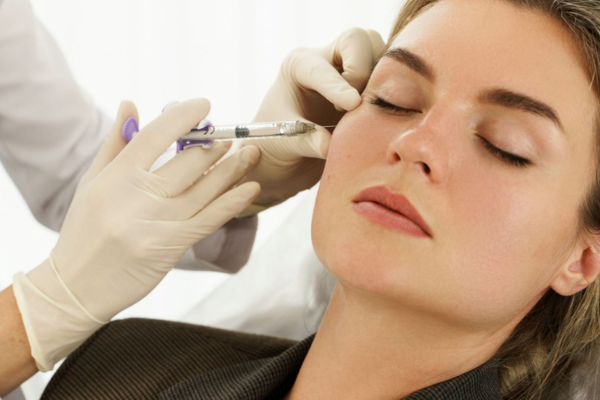
Cutting-Edge Injectables and Fillers
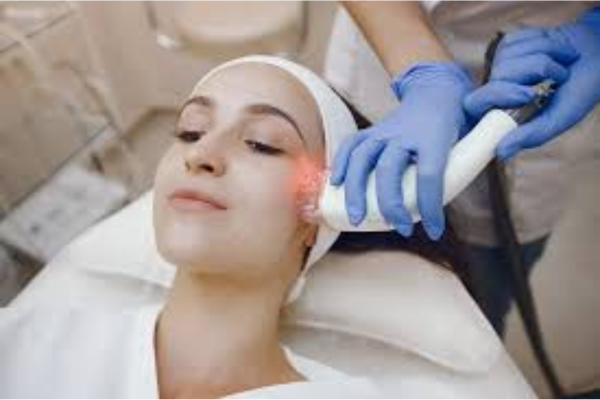
High-Tech Skin Rejuvenation and Resurfacing

Advanced Regenerative Medicine and Aesthetics
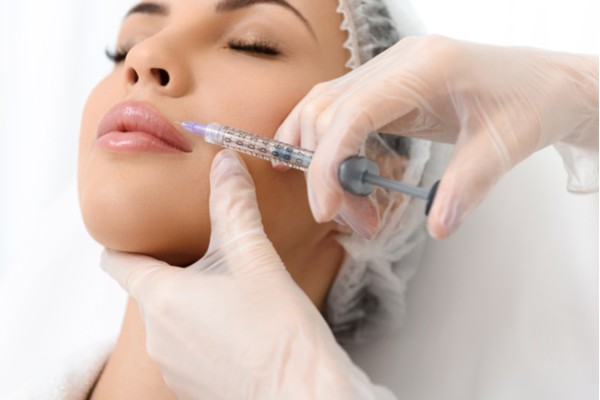
Sophisticated Cosmetic Dermatology and Surgical Integrations
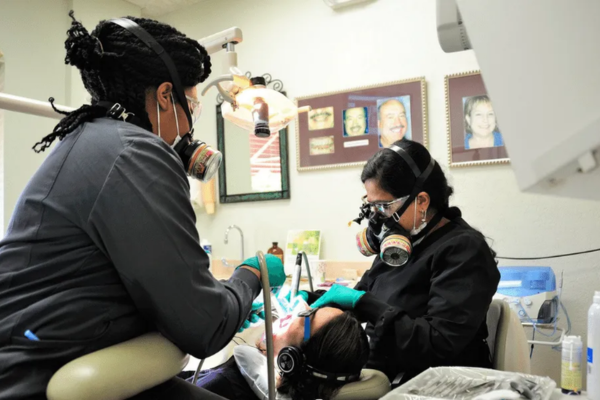
Advanced Patient Management and Safety Protocols
Key Features
- Attending /Non-Attending Classes
- Free Study Material with recorded lectures
- Best Faculties (Super Specialists) of India
4. Library Access & Question & Answer Session
5. 1 Year of Mentorship
6. Updated Curriculum
Course Curriculum
- History and evolution of facial aesthetics.
- Slim and popular tendencies in face beauty.
- Professionalism and ethics in aesthetic treatments.
- Superficial and subcutaneous anatomy of the face.
- Aesthetically-relevant muscles, nerves, and blood vessels.
- Age-related facial changes
- Skin structure and types.
- Mechanism of action, signs and contraindications.
- Techniques for wrinkle treatment (frown lines, crow’s feet, forehead lines)
- Therapeutic uses of Botox (e.g., bruxism, migraines)
- Assessment of patients, pre- and post-treatment.
- Types of fillers (Hyaluronic Acid, Calcium Hydroxylapatite, Poly-L-Lactic Acid, etc.)
- Facial volumization, wrinkle reduction, and contouring indications.
- Safety and methods of injection.
- Filler treatments complications and management.
- Types of chemical peels (superficial, medium, deep)
- Indications for skin resurfacing (hyperpigmentation, acne scars, wrinkles)
- Techniques of application, downtime and aftercare.
- Mechanism, indications, and benefits.
- Advanced techniques for collagen induction therapy
- Microneedling + PRP (Platelet-Rich Plasma).
- Laser technologies: CO2, Fraxel, Q-Switch, etc.
- Laser to resurface, pigment, and remove scars on the skin.
- Safety measures, skin evaluation of the patient, and after-care.
- Lifting techniques and types of threads.
- Facial lifting and contouring using PDO threads
- Signs and symptoms, patient choice and follow-up.
- Sophisticated filler products used in facial sculpting.
- Jawline, chin, cheek, and temple enhancement techniques.
- Treatment tailored to individual anatomy.
- Clues to non-surgical nose-shaping.
- Methods of correction of nasal asymmetry and improvement.
- Individualized skincare plans in relation to skin types.
- Aesthetic treatments combined with medical-grade skincare products.
- Combining medical grade skincare products and aesthetic treatments.
- PRP harvesting and PRP injecting techniques.
- Using PRP with other interventions (microneedling, dermal fillers)
- Evidence and patient identification.
- No-surgical methods of reducing acne scars.
- Using chemical peels and microneedling with laser resurfacing.
- Follow-up care to achieve the best results.
- Knowing patient needs and expectations.
- Controlling actual results and avoiding discontent.
- Developing trust and relationship with patients.
- Facial aesthetics and body image, which are psychological factors.
- Recognizing and treating patients with unrealistic expectations (e.g., Body Dysmorphia)
- Facial aesthetics: ethical considerations.
- Using Botox, dermal fillers, lasers, and threads as synergies.
- Customizing the therapies to various skin types and aging issues.
- Best practice on advanced combination protocols.
- Innovations in facial appearance (e.g. bio-stimulatory treatments, stem cells)
- Future technologies: Ultrasound, radiofrequency, cryotherapy, and more
- Artificial intelligence and machine learning in aesthetics.
- Vascular complications (e.g. vascular occlusion)
- Bruising, swelling, infection control, and adverse reactions.
- Therapy of complications due to fillers (e.g., nodules, migration)
- Sanitization and hygiene measures.
- Aesthetic clinic sterilization and hygiene.
- Rules of aesthetics treatments.
- Documented informed consent and documentation.
- Malpractices and insurances.
- Platelet-Rich Plasma (PRP) in hair regeneration.
- Mesotherapy and stem cell therapy of hair.
- Patient selection, technique and indications of hair restoration.
- PRP + other hair loss therapies (e.g., Low-Level Laser Therapy).
- Micro needling devices to promote hair growth.
- Management of androgenetic alopecia.
- Adjunct treatments: Growth factors and topical therapy.
- Satisfaction of patients and control of expectations.
- Habit modifications and promoting long-term hair well-being.
- Using dermal fillers and lasers to treat aging hands
- Hand care and hand treatment.
- Clues, complications and consequences.
- Neck lines, sagging, wrinkles Non-surgery Neck lines, sagging, wrinkles Non-surgical treatment of the neck line, sagging and wrinkling.
- Combination therapies: Botox, fillers, lasers, and radiofrequency.
- Skin tightening and contouring techniques.
- Injections that dissolve fat (e.g., Kybella).
- Radiofrequency tightening of the skin on the body.
- Cryolipolysis (CoolSculpting) and other non-invasive fat reduction treatments
- Assessment and treatment planning of patients.
- Pharmacodynamics and pharmacokinetics of injectables and skin care products.
- How to handle side effects of aesthetic surgeries.
- Local anesthesia and analgesics.
- Treating chronic patients (e.g. diabetes, hypertension, autoimmune diseases).
- Interactions of botulinum toxin and dermal fillers with drugs.
- Knowledge of patient medication history and its applicability to aesthetic treatments.
- Retinoids, growth factors, antioxidants and peptides.
- Cosmeceuticals vs. pharmaceuticals: Making a distinction between effective treatments.
- Important collagen-making and skin-rejuvenating nutrients (Vitamin C, Zinc, Omega-3s)
- Nutritional interventions of acne treatment and pigmentation.
- The contribution of antioxidants and anti-inflammatory foods to the skin.
- The effect of smoking, alcohol, sleep and stress on facial aesthetics.
- Lifestyle changes in order to improve aesthetic outcomes.
- Long-term skin health education of patients.
- Anti-aging supplements (e.g., collagen peptides, biotin) which are supported by evidence.
- The value of probiotics and gut health to skin appearance.
- Popular skin supplements: risks and benefits.
Fill Form Our Team Will Contact Soon
Choose medicalglobalacademy as your trusted partner for medical education and elevate your expertise to new heights.
Frequently Asked Questions
To apply, visit the course page of your interest and click on the ‘Apply Now’ button. Follow the instructions to complete your application. You may need to submit relevant documents and a resume.
Yes, all our courses are accredited by recognized medical and educational institutions. Details of accreditation can be found on each course page.
Yes, we offer a variety of online courses to provide flexibility for our students. Check the course descriptions for information on whether a course is available online.
You can contact our support team via email at support@medicalglobalacademy.com or call us at [+919310027474]. Our support team is available Monday to Friday from 9 AM to 6 PM.
Which Post-MBBS Course Format Is Right for You?
Answer three quick questions and we'll match you to the format that fits your goals — Certificate, PG Diploma, or Fellowship.