
FELLOWSHIP IN DERMATOPATHOLOGY
Advance your expertise in skin pathology with the Fellowship in Dermatopathology at Medical Global Academy (MGA). Designed for medical professionals, this clinically focused fellowship provides comprehensive training in the diagnosis and interpretation of dermatological diseases through clinicopathological correlation. Through evidence-based learning, structured clinical exposure, expert faculty guidance, LMS access, CPD certification, and one year of mentorship, participants develop the knowledge and diagnostic confidence required to accurately evaluate complex skin disorders and support high-quality patient care.
Batch starts on
Jan to Dec/ May to June
Course Duration
12 Months
Multimodal Program
Hybrid Mode & Clinical Attachment
Flexible payment
financing options available
Fellowship in Dermatopathology Overview
The MGA Medical Global Academy Fellowship in Dermatopathology is dedicated to enhancing this essential skill through the training of doctors to make clear and precise microscopic interpretations of skin diseases. The course aims to build the skills to interpret histopathological features in the context of clinical history and physical examination, so you can not only describe what you see, but also arrive at a diagnosis. The curriculum encompasses a broad range of skin diseases, such as inflammatory dermatoses, infections, autoimmune bullous diseases and skin cancers. The fellowship approach is not to confine learning to mere academic concepts, but to provide you with the tools to think diagnostically, enabling you to tackle challenging situations with a systematic, evidence-based approach.
How the Training Translates into Practice
Education is centred around diagnostic processes. You learn to interpret biopsy specimens in the same context as they are encountered in practice, by integrating morphology, clinical history and differential diagnoses.
In the course, you gain skills in:
Recognising inflammatory, infectious and neoplastic changes of skin biopsies
Recognising common and complex skin tumors, such as melanoma and non-melanoma skin cancers
Using immunohistochemistry (IHC) and special stains for routine and difficult cases
Enhancing the clinicopathological correlation to guide therapy
Using digital pathology and structured reporting methods
This means what you learn is not only relevant, but immediately transferable into clinical practice.
Impact on Your Clinical Profile
And as your diagnostic skills develop, so does your confidence. You can handle more cases without external confirmation, minimising referrals.
For dermatologists, this translates into improved care and outcomes.
For pathologists, it provides a niche subspecialty with a steady workflow.
In the long term, this results in:
Increased diagnostic accuracy and reporting accuracy
Greater referrals for dermatopathology consultation
Improved teamwork with dermatologists and oncologists
Increased consultation income
Professional Scope After the Fellowship
This fellowship enables you to expand your role in clinical practice to one that is more focused and valuable.
You can:
Collaborate with dermatology clinics, pathology labs and cancer hospitals
Develop expertise in dermatopathology reporting and consultancies
Work in multidisciplinary tumor boards and complex case consultations
Engage in teaching and research in skin pathology
What you'll learn
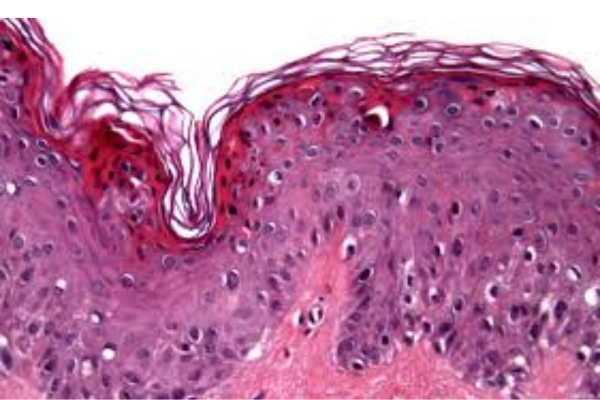
Introduction to Dermatopathology
Histopathological Techniques
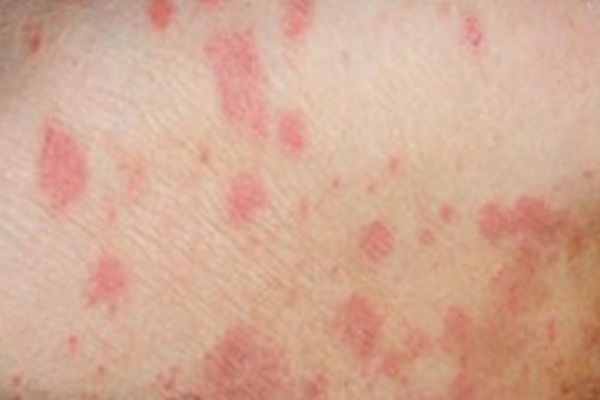
Inflammatory Skin Disorders

Neoplastic Skin Disorders
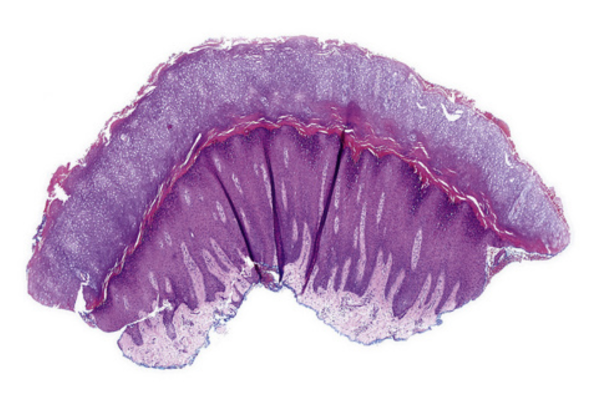
Specialized Dermatopathology
Diagnostic Challenges and Advances
Key Features
- Attending /Non-Attending Classes
- Clinical Training in Nearest Hospital/Clinics.
- Free Study Material with recorded lectures
- Best Faculties (Super Specialists) of India
5. Library Access & Question & Answer Session
6. NAAC A+ University
7. 1 Year of Mentorship
8. Updated Curriculum
Course Curriculum
- Skin anatomy and histology overview
- Basic pathology techniques and stains (H&E, special stains)
- Principles of dermatopathology diagnostic approaches
- Histopathological features of common dermatologic diseases
- Review of common benign and inflammatory skin conditions (e.g., eczema, psoriasis, benign neoplasms)
- Introduction to immunohistochemistry (IHC) in dermatopathology
- Acute vs. chronic inflammation
- Psoriasis and psoriasiform dermatitis
- Eczematous dermatitis (contact dermatitis, atopic dermatitis, seborrheic dermatitis)
- Cutaneous lupus erythematosus (CLE) and other autoimmune diseases
- Lichenoid dermatoses (Lichen planus, drug-induced lichenoid eruptions)
- Vasculitis and inflammatory vascular diseases
- Inflammatory dermatoses associated with systemic diseases
- Role of direct immunofluorescence (DIF) in diagnosis
- Bacterial infections: Leprosy, cutaneous tuberculosis, actinomycosis
- Viral infections: Herpes simplex virus, varicella-zoster virus, human papillomavirus (HPV), molluscum contagiosum
- Fungal infections: Dermatophytosis, candidiasis, histoplasmosis, sporotrichosis
- Parasitic infections: Scabies, leishmaniasis, filariasis
- Diagnostic techniques for infectious skin diseases (cultures, PCR, IHC)
- Antimicrobial resistance in dermatological infections
- Overview of skin cancer biology
- Benign tumors: Nevi, seborrheic keratosis, epidermal inclusion cysts
- Malignant tumors: Basal cell carcinoma (BCC), squamous cell carcinoma (SCC), melanoma
- Merkel cell carcinoma and rare skin malignancies (e.g., cutaneous lymphoma, sarcoma)
- Soft tissue tumors in the skin (e.g., dermatofibroma, lipoma)
- Prognostic and predictive markers in melanoma
- Mohs micrographic surgery pathology and indications
- Melanocytic lesions: Diagnosis of melanoma vs. benign nevi (Use of IHC markers)
- Congenital nevi and other birthmarks
- Pediatric inflammatory dermatoses: Diaper dermatitis, atopic dermatitis, urticaria
- Genetic disorders with cutaneous manifestations (e.g., neurofibromatosis, epidermolysis bullosa)
- Pediatric cutaneous infections (e.g., impetigo, varicella, hand-foot-mouth disease)
- Pediatric tumors: Rhabdomyosarcoma, hemangioma, and juvenile melanomas
- Skin manifestations of systemic diseases in children (e.g., Kawasaki disease, juvenile lupus erythematosus)
- Benign pigmented lesions: Nevus, lentigo, seborrheic keratosis
- Early melanoma detection: Microscopic features and diagnostic criteria
- Melanoma subtypes and histopathologic features
- The role of IHC markers in melanoma diagnosis (S100, HMB-45, Melan-A)
- The role of IHC markers in melanoma diagnosis (S100, HMB-45, Melan-A)
- Molecular markers and genetic testing in melanoma
- Sentinel lymph node biopsy in melanoma management
- Challenges in the diagnosis of difficult melanocytic lesions
- Introduction to vasculitis: Small vessel vs. large vessel involvement
- Histopathological features of different types of vasculitis (e.g., leukocytoclastic vasculitis, systemic lupus erythematosus)
- Drug-induced and idiopathic vasculitis
- Cutaneous manifestations of autoimmune diseases (e.g., systemic lupus erythematosus, dermatomyositis, scleroderma)
- Dermal-epidermal junction changes in autoimmune diseases
- Skin manifestations of systemic autoimmune conditions
- Role of DIF and other special tests in diagnosis
- Molecular diagnostic techniques in dermatopathology (PCR, FISH, NGS)
- Genetic analysis of cutaneous malignancies and their implications for targeted therapy
- Digital pathology: Use of whole slide imaging (WSI) and telepathology
- Artificial intelligence in dermatopathology: Current and future applications
- Advances in immunohistochemistry and multiplex assays
- Role of next-generation sequencing (NGS) in dermatologic tumors
- Case-based learning with digital platforms
- Clinical-pathological correlation: Approaching complex cases
- Role of dermatopathology in therapeutic decision-making
- Multidisciplinary approach to skin cancer management (dermatology, pathology, surgery, oncology)
- Use of dermoscopy and other diagnostic tools in correlation with histopathology
- Presenting complex cases: How to communicate findings effectively to clinicians
- Overview of primary cutaneous lymphomas (e.g., Mycosis fungoides, Sezary syndrome)
- Diagnosis of cutaneous T-cell lymphoma (CTCL) and B-cell lymphomas
- Immunohistochemical markers in lymphoma diagnosis
- Pathologic staging of cutaneous lymphomas
- Skin involvement in systemic hematologic disorders (e.g., leukemias, lymphoma)
- Lymphoproliferative disorders vs. benign inflammatory processes
- Molecular diagnostics and cytogenetic evaluation in cutaneous lymphomas
- Treatment strategies for cutaneous lymphomas and management of recurrences
- Scleroderma and localized scleroderma: Histopathological features and diagnostic pitfalls
- Morphea and eosinophilic fasciitis
- Pathology of systemic sclerosis and its cutaneous manifestations
- Fibrosing skin diseases associated with infections (e.g., chronic sclerosing granulomas)
- Role of molecular markers in sclerotic disorders
- Diagnostic imaging techniques in fibrosing diseases
- Clinical management of fibrosing and sclerotic skin conditions
- Hair follicle anatomy and normal histology
- Telogen effluvium vs. anagen effluvium
- Alopecia areata: Histopathological features and diagnostic criteria
- Androgenetic alopecia and its differentiation from other causes of hair loss
- Scalp biopsies: Technique and interpretation
- Cicatricial (scarring) alopecia: Lichen planopilaris, discoid lupus erythematosus, and others
- Dermatopathology of fungal infections of the scalp (e.g., tinea capitis)
- Disorders of the sebaceous glands and their relation to hair loss
Our Accrediation Partners


Fill Form Our Team Will Contact Soon
Choose medicalglobalacademy as your trusted partner for medical education and elevate your expertise to new heights.
Frequently Asked Questions
To apply, visit the course page of your interest and click on the ‘Apply Now’ button. Follow the instructions to complete your application. You may need to submit relevant documents and a resume.
Yes, all our courses are accredited by recognized medical and educational institutions. Details of accreditation can be found on each course page.
Yes, we offer a variety of online courses to provide flexibility for our students. Check the course descriptions for information on whether a course is available online.
You can contact our support team via email at support@medicalglobalacademy.com or call us at [+919310027474]. Our support team is available Monday to Friday from 9 AM to 6 PM.