
FELLOWSHIP IN ENDOSCOPY
Advance your clinical expertise with a Fellowship in Endoscopy. This practice-focused program combines structured learning, hands-on endoscopic training, and expert mentorship to help doctors develop confidence in diagnosing and managing gastrointestinal disorders using modern endoscopic techniques.
Batch starts on
Jan to Dec/ May to June
Course Duration
12 Months
Multimodal Program
Hybrid Mode & Clinical Attachment
Flexible payment
financing options available
Program overview
Fellowship in Endoscopy offered by MGA Medical Global Academy is an advanced postgraduate fellowship for medical professionals who wish to acquire skills in gastrointestinal, endoscopic procedures. It involves a mixture of theory, clinical exposure, and hands-on endoscopic training to impart all aspects of endoscopic diagnosis and therapy. Educators and participants acquire skills in upper and lower GI endoscopy, bariatric endoscopy, paediatric endoscopy, hepatology-related endoscopy and oncology related management. The fellowship also emphasizes on patient safety, infection control, multi-disciplinary teamwork, novel imaging modalities, robotic-assisted endoscopy, artificial intelligence utilization, and evidence-based practice in endoscopy.
Skills You Will Gain
- Good knowledge and understanding of the anatomy, physiology, equipment handling, sterilization and infection control procedures of the endoscope.
Endoscopic skills (esophagogastroduodenoscopy (EGD), colonoscopy, sigmoidoscopy, gastrointestinal bleeding management)
Experience in therapeutic endoscopy (polypectomy, stenting, dilation procedures, EMR and ESD)
Observational exposure and structural understanding of complex techniques like ERCP and EUS
Advanced imaging technologies like narrow band imaging (NBI), chromoendoscopy, OCT and confocal laser endomicroscopy (CLE)
Understanding of Robotic assisted endoscopy, artificial intelligence, augmented reality, virtual endoscopy, and navigation systems.
Endoscopic skills in therapy of obesity, GERD, inflammatory bowel disease, pancreatic diseases, biliary disorders and hepatology diseases
Awareness of endoscopic oncology procedures such as tumour staging, biopsy, palliation and interventions for cancer.
Pediatric Endoscopy and management of congenital, respiratory and gastrointestinal diseases in children.
Understanding of complications during endoscopy and how to manage them, quality assurance, multidisciplinary discussions, and patient safety.
The development of clinical research, scientific writing, data analysis, communication and evidence based practice skills.
Career Outcomes After the Fellowship
Enhance your clinical practice with advanced proficiency in diagnostic and therapeutic GI endoscopy
Opportunities: gastroenterology departments, multispecialty hospitals, endoscopy centres, and academic institutions.
Develop skills in minimally invasive endoscopic diagnosis and therapy
Improve patient outcomes with innovative and patient-centred endoscopy service.
Discuss interventional endoscopy, bariatric endoscopy, hepatology, oncology and pediatric endoscopy services.
Work in clinical research, innovation, academic teaching, and multi-disciplinary healthcare teams
Keep abreast of new developments in robotic-assisted endoscopy, artificial intelligence and other state-of-the-art endoscopic technologies.
Support the development of professionals in a rapidly changing minimally invasive endoscopic medicine.
What you'll learn

Upper GI Endoscopy: Basics and Technique Esophagus

Anatomy, Histology and Developmental anomalies
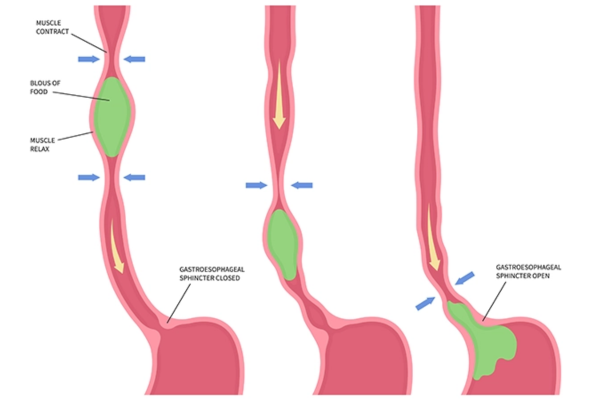
Esophageal Motility Disorders
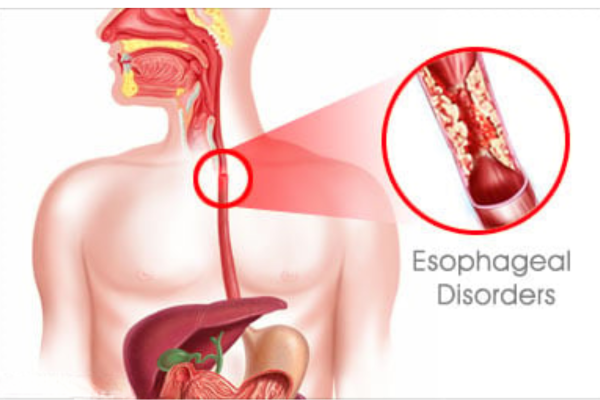
Esophageal Disorders Caused by Medications
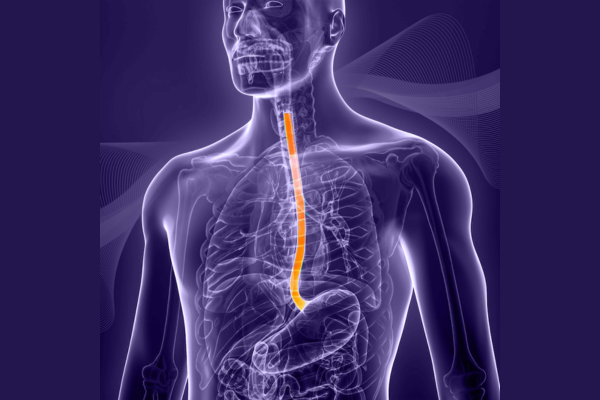
Trauma and Infection Benign Esophageal Stricture
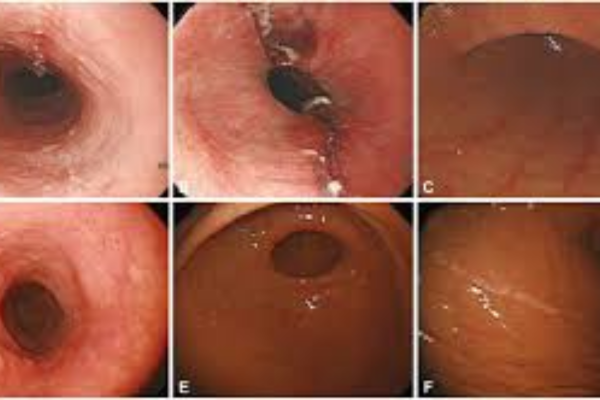
Corrosive injury Gastroesophageal Reflux Disease
Key Features
- Attending /Non-Attending Classes
- Clinical Training in Nearest Hospital/Clinics.
- Free Study Material with recorded lectures
- Best Faculties (Super Specialists) of India
5. Library Access & Question & Answer Session
6. NAAC A+ University
7. 1 Year of Mentorship
8. Updated Curriculum
Course Curriculum
- History of Endoscopy and Development of Techniques.
- Anatomy and Physiology Relating to Endoscopy.
- Some Fundamentals of Endoscopic Procedures.
- Introduction to Endoscopy Equipment and Instruments.
- Sterilization and Infection Control Procedures.
- Ethical Issues and Patient Consent.
- Esophagogastroduodenoscopy (EGD): Indications, Techniques, and Interpretation.
- Colonoscopy: Instructions, Procedures, and Regulations.
- Flexible Sigmoidoscopy and Screening.
- Endoscopic Treatment of GI Bleeding.
- Endoscopic ultrasound (EUS): Technique and Clinical Applications.
- GI Therapeutic Endoscopy: Polypectomy, stent placement, dilation of strictures.
- New Methods: Capsule Endoscopy and Enteroscopy.
- Endoscopic Resection Techniques: EMR, ESD and the use of Advanced Techniques.
- Bariatric Surgery Complications Endoscopy.
- Endoscopic Therapy Inflammatory Bowel Disease (IBD)
- GI Malignancies that are managed using Endoscopy.
- Novelty in the Gastrointestinal Endoscopy: robotic-assisted steps and integration of AI.
- Bronchoscopy: Signs, Methods, and Results.
- Bronchoscopy: Flexible vs. Rigid.
- Endobronchial Ultrasound (EBUS) to Mediastinal Stage.
- Flexible Bronchoscopy Diagnosis of Pulmonary Disease.
- Therapeutic Bronchoscopy: Stenting, Debulking, and Removal of Foreign Body.
- New Respiratory Endoscopy Innovations: Robotic Bronchoscopy and Navigation.
- Cystoscopy: Technique, Indications, and Interpretation.
- Ureteroscopy: Indications and Techniques of Removal of Stones.
- Endoscopy in Lowering the management of Upper Urinary Tumors.
- Endoscopic Urological Surgery: Laser Lithotripsy, Stents insertion, and Biopsy.
- New Methods in Urological Endoscopy: New Imaging and Robotics.
- High-Definition Imaging and Narrow Band Imaging (NBI)
- Fluorescence and Chromoendoscopy to Detect Cancer early.
- Confocal Laser Endomicroscopy (CLE) and its Clinical uses.
- Endoscopic Optical Coherence Tomography (OCT).
- Artificial Intelligence in Endoscopy Image Recognition, Diagnosis, and Future Trends.
- The Endoscopy Robot: Principles and Applications.
- Endoscopic Retrograde Cholangiopancreatography (ERCP): Techniques and Indication.
- Endoscopic Pancreatic and Biliary Diseases Treatment.
- Endoscopic Submucosal Dissection (ESD), Endoscopic Mucosal Resection (EMR).
- Endoscopic Stenting: Indications and Techniques.
- Endoscopy Laser and Radiofrequency Ablation.
- Management of Obesity through endoscopy: Bariatric Endoscopy.
- Complex Cases Combinations Endoscopic-Surgical.
- Multidisciplinary Case Discussions: Gastrointestinal, Respiratory, Urological and Oncological Cases.
- Endoscopic Surgery: cancer.
- Management and Prevention of Complications in Endoscopy.
- Endoscopy Patient Safety and Quality Assurance.
- Clinical Research Principles of Endoscopy.
- Endoscopic Procedures Study Design and Methodology and Data Analysis.
- Composing Scientific papers and making research presentations.
- Recent and Future Developments in Endoscopic Technologies.
- International Research Opportunities.
- Supervised Clinical Rotations: Practical Work with Real-Life Cases.
- Special consideration of endoscopy in High-Risk Patients.
- Endoscopic Complications: Diagnosis, Treatment, and Prevention.
- Mentors and Supervisors Feedback and Performance Evaluation.
- Certification and Board Exam Prep.
- Pediatric endoscopy of the Gastrointestinal tract: Methods and Special considerations.
- Endoscopy in the management of Airways and respiratory tracts in children.
- Urological Disorders in pediatric patients by endoscopic methods.
- Foreign Body Ingestion and Aspiration in Children.
- Management of Congenital and Acquired GI Anomalies Endoscopically.
- Prevention and Management of Pediatric Endoscopic Complications.
- Endoscopic Bariatric Surgery: Gastric Balloon, Endoscopic Sleeve Gastroplasty (ESG), and others.
- Endoscopic Treatment of Obesity-Associated Co-morbidities (Diabetes, Hypertension, etc.)
- Endoscopic Gastric Stimulation and the role it plays in weight reduction.
- Minimally Invasive GIT Disorders.
- Endoscopy Therapy of Gastroesophageal Reflux Disease (GERD) and Achalasia.
- Endoscopic weight loss: new research and techniques.
- Endoscopic Assessment of Chronic hepatitis and cirrhosis.
- Treatment of Esophageal Varices: Banding and Sclerotherapy.
- Endoscopic Ultrasound (EUS) Hepatic and Biliary Diseases.
- Diagnosis and Management of Hepatic Malignancies Endoscopically.
- Transjugular Intrahepatic Portosystemic Shunt (TIPS): Indications and Techniques.
- Endoscopic Post-Transplant Management and Liver Transplantation.
- Endoscopic Ultrasound (EUS) principles.
- Fine needle Aspiration (FNA) and Biopsy EUS-Guided.
- Endoscopic Ultrasound Pancreatic and Biliary Pathologies: Diagnostic and Therapeutic.
- Endobronchial Ultrasound (EBUS): Diagnostic and Staging Lung Cancer.
- EUS and EBUS in the Staging of Lymph Nodes and the Mediastinal Diseases.
- Combination of EUS and EBUS with Other Imaging modalities in providing Comprehensive Diagnosis.
- Artificial intelligence and machine learning are emerging technologies in endoscopy.
- AR in Endoscopy: The Present and Future.
- Robotic Endoscopy: Benefits, Shortcomings, and Application in Clinical Practice.
- Wearable Endoscopic Devices and Capsule Endoscopy.
- Endoscopic Navigation Systems: Better Accuracy and Less Risk.
- Endoscopy 3D Imaging: Innovations and Clinical Implementation.
- Virtual Endoscopy and Telemedicine: Increasing Care Access.
- Endoscopic Assessment and Biopsy of Infectious Diseases.
- Endoscopy in HIV-Related Gastrointestinal Complications Diagnosis.
- GI and respiratory tract Tuberculosis Endoscopy.
- Endoscopic treatment of fungal infections of the airways and the digestive system.
- Endoscopic Complications Endoscopic complications are infrequent, and their management is quite complex in immunocompromised patients.
- Infectious Diseases, Emerging: Endoscopic Care Protocols.
- Endoscopic Assessment and Staging of GI Malignancies.
- Endoscopic Treatment of Colorectal Cancer: Polypectomy, Stenting and Palliation.
- Endoscopic Ultrasound (EUS) Tumor Staging and Biopsy.
- Endoscopic Diagnosis, Staging and Palliation of Lung Cancer.
- Endoscopic Complications of Cancer Treatment (Radiation and ChemotherapyRelated) Management.
- Endoscopic Palliative Care: Stenting, Debulking, and Symptom Management in Cancer.
- The Endoscope in the Treatment of Acute Pancreatitis: Diagnosis and Drainage.
- Endoscopic Assessment and Treatment of inflammatory bowel disorders (IBD): Crohn and ulcerative colitis.
- Endoscopic Chronic Gastroesophageal Reflux Disease (GERD).
- Processing of Chronic Gastritis and Peptic ulcers Endoscopically.
- Endoscopic Complications in IBD patients: Management.
- New Horizons in the management of endoscopic inflammatory diseases.
Our Accrediation Partners



Fill Form Our Team Will Contact Soon
Choose medicalglobalacademy as your trusted partner for medical education and elevate your expertise to new heights.
Frequently Asked Questions
To apply, visit the course page of your interest and click on the ‘Apply Now’ button. Follow the instructions to complete your application. You may need to submit relevant documents and a resume.
Yes, all our courses are accredited by recognized medical and educational institutions. Details of accreditation can be found on each course page.
Yes, we offer a variety of online courses to provide flexibility for our students. Check the course descriptions for information on whether a course is available online.
You can contact our support team via email at support@medicalglobalacademy.com or call us at [+919310027474]. Our support team is available Monday to Friday from 9 AM to 6 PM.