
FETAL MEDICINE FELLOWSHIP
Build advanced expertise in prenatal diagnosis, fetal health assessment, and high-risk pregnancy management with MGA’s Fellowship in Fetal Medicine — a 12-month CPD-accredited online fetal medicine fellowship covering fetal ultrasound, fetal echocardiography, prenatal screening, fetal anomalies, and maternal-fetal medicine. Expert faculty, LMS access, and one year of mentorship for doctors across India.
About the Programme
MGA's Fellowship in Fetal Medicine is a 12-month CPD-accredited online fetal medicine fellowship designed for doctors and healthcare professionals seeking in-depth expertise in prenatal diagnosis, fetal health assessment, and high-risk pregnancy management. As one of the most comprehensive fetal medicine courses in India available fully online, this program covers the diagnosis and management of fetal conditions using modern imaging, prenatal screening, and maternal-fetal care — delivered through LMS-based learning, live sessions, and 100% recorded lectures.
This fellowship in fetal medicine in India is structured for doctors interested in prenatal diagnostics, fetal imaging, fetal anomaly assessment, and multidisciplinary pregnancy care. Across 17 curriculum modules, participants develop expertise in fetal ultrasound, fetal echocardiography, fetal screening, Doppler studies, invasive procedures (amniocentesis, CVS), maternal-fetal medicine, and fetal neurodevelopmental assessment. The online fetal medicine fellowship includes expert faculty guidance, case-based learning, free study materials, LMS access, CPD certification, and one year of structured mentorship — making this one of the most accessible and clinically focused fetal medicine fellowship programs available for working doctors across India.
"This program is designed to improve the clinical knowledge and practice of fetal medicine among healthcare providers — equipping participants to deliver confident, evidence-based prenatal care in a wide range of maternal-fetal healthcare settings across India."
- MBBS Graduates
- MD / MS Physicians
- Obstetricians & Gynaecologists
- General Physicians
- NMC-Qualified Doctors
Skills You Will Gain from This Fetal Medicine Fellowship
Six core clinical competencies covering the full diagnostic, procedural, and maternal-fetal medicine spectrum of this online fetal medicine fellowship in India.
Career Opportunities After This Fetal Medicine Fellowship
Graduates of MGA's fellowship in fetal medicine in India are positioned for specialist roles across prenatal diagnostic centres, maternal-fetal medicine units, maternity hospitals, and academic obstetric institutions nationwide.
Fetal Medicine Fellowship — Key Features
Everything MGA provides in this online fetal medicine fellowship
Accreditation & Recognition
What you'll learn

Introduction to Advanced Fetal Medicine

Advanced Ultrasound Techniques

Fetal Anomalies and Diagnostic Approaches
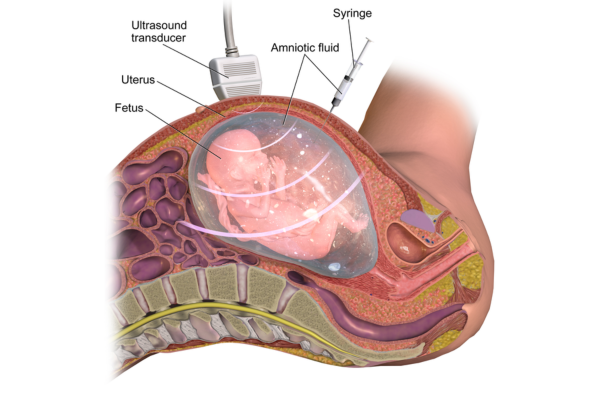
Invasive Fetal Procedures
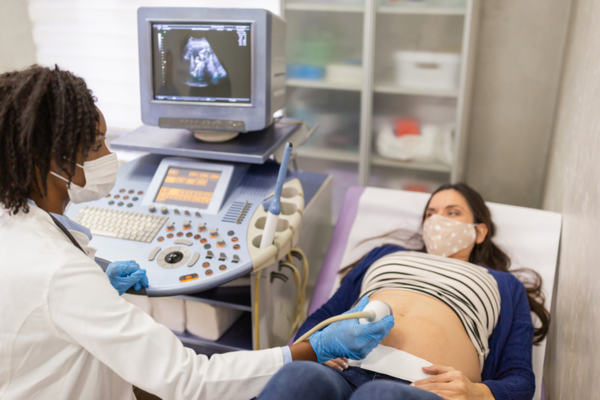
Maternal-Fetal Medicine
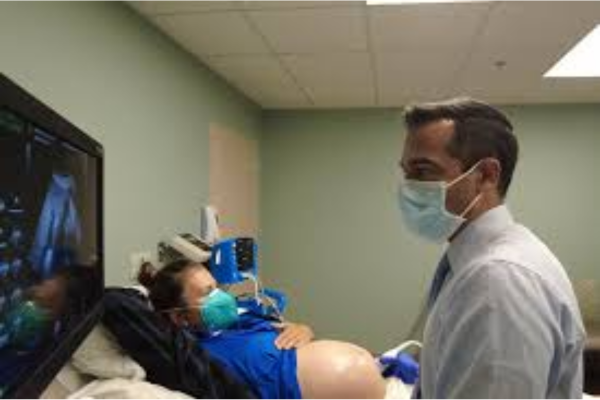
Fetal Cardiology
Key Features
- Attending /Non-Attending Classes
- Free Study Material with recorded lectures
- Best Faculties (Super Specialists) of India
4. Library Access & Question & Answer Session
5. 1 Year of Mentorship
6. Updated Curriculum
Course Curriculum
- Introduction to fetal medicine and the role of fetal medicine in contemporary obstetrics.
- Maternal-fetal physiology: Placental development and fetal growth.
- Pregnancy and embryology At an early age.
- Mothers’ adjustments in pregnancy.
- Development and organogenesis of fetuses.
- Prenatal screening, genetic counseling introduction.
- Guidelines on ultrasound in obstetrics and gynecology.
- Fetal growth and biometry.
- Use of Doppler ultrasound in measuring the well-being of the fetus.
- Ultrasound imaging in fetal abnormalities 3D/4D.
- Application of ultrasound in chromosomal abnormalities screening.
- Practical fetal ultrasound imaging.
- Assessment of the index, placenta, and umbilical cord of the amniotic fluid.
- Aneuploidy first- and second-trimester screening.
- Non-invasive prenatal testing (NIPT) and its usage in clinical practice.
- Combined screening measures.
- The ultrasound indicators of Down syndrome, trisomy 18 and others.
- Invasive diagnostic tests: amniocentesis, CVS and fetal blood sampling.
- Genetic counseling and communication with patients.
- Prestation and gestational diabetes management.
- Hypertensive disorders during pregnancy: preeclampsia, eclampsia and the HELLP syndrome.
- Fetal growth restriction (FGR) and intrauterine growth restriction (IUGR).
- Several pregnancies: diagnosis and treatment.
- Premature labor and its prevention.
- Antenatal corticosteroid treatment.
- The importance of fetal monitoring of high-risk pregnancies.
- Typical fetal malformations: neural tube defects, heart, gastrointestinal and kidney defects.
- Heart disease, congenital, and fetal diagnosis.
- Surgery on the fetus: signs, methods, and results.
- The intrauterine fetal transfusion and other treatment methods.
- Post fetal surgery neonatal care.
- Fetal anomalies and fetal interventions, ethical issues.
- Fetal blood sampling and cordocentesis.
- Intrauterine treatments: laser treatment, fetal blood transfusion, and shunts.
- Amniocentesis and chorionic villus sampling (CVS): signs, dangers, and methods.
- Fetal well being invasive monitoring.
- Application of fetal monitoring and biophysical profiles.
- Fetal medicine ethical dilemmas.
- The rights of the fetus against the right of the mother.
- Complex fetal conditions Decision-making.
- Genetic counseling and informed consent.
- Both legal and fetal issues of prenatal diagnosis and fetal interventions.
- Prenatal testing cultural and societal implications.
- Fetal management in teenagers and mature age.
- Pregnancy management in immunologically-based diseases.
- Pregnancy among women with chronic health conditions (e.g., kidney disease, cancer, etc.).
- Fetal medicine in the management of pregnancy among obese women.
- Prenatal health in low-resource countries.
- Recent trends in the development of fetal medicine.
- Prenatal genomics and molecular diagnostics.
- New technology in fetus monitoring and therapy.
- Case studies and methodology of research.
- Research papers and clinical cases presentation.
- It is writing and publishing research in fetal medicine.
- Fetal echocardiography principles and its applicability in prenatal diagnosis.
- Prenatal screening of the first and second trimester of congenital heart disease.
- Recognizing and diagnosing typical congenital heart defects (e.g. septal defects, outflow tract anomalies).
- State-of-the-art approaches to fetal echocardiography, such as 3D.
- Management guidelines on diagnosed fetal heart defects.
- Cooperation with pediatric cardiologists in the planning of postnatal care.
- The discussion and interpretation of fetal echocardiograms.
- Development and major neuroanatomy of the fetal brain.
- Detecting and diagnosing neural developmental anomalies of the fetus (e.g., hydrocephalus, neural tube defects, and brain malformations)
- Fetal neurology Neuroimaging: advanced ultrasound and MRI.
- Testing of fetal brain damage and effects of prenatal diseases (e.g., Zika virus, TORCH).
- Family neurodevelopmental outcome counseling.
- Neurodevelopmental disorders in fetus and neonate Multidisciplinary management.
- Common infectious diseases in pregnancy (e.g., toxoplasmosis, rubella, syphilis, CMV, Zika virus) Overview.
- Maternity screening of maternal infections.
- The solution of infections during pregnancy: diagnosis, treatment, and management.
- Long-term consequences and implications of maternal infections to fetal development.
- Fetal infections: intrauterine treatment.
- Infection therapy and counseling of infected patients with possible fetal consequences.
- Mothers medical conditions and their pregnancy effects (e.g. cardiovascular disease, renal disease, autoimmune conditions).
- The care of the pregnant woman who has comorbidities and complicated medical history.
- Obstetric crises: hemorrhage, eclampsia, and sepsis.
- Old age in mothers: risks and management.
- Pre-pregnancy management of high-risk pregnancy.
- Educating patients about risks and complication management of pregnancies.
- The principles of perinatal palliative care and its application to fetus health.
- Families counseling on fatal or life-limiting fetal diagnosis cases.
- Ethical issues in perennial decision-making.
- Stillbirth and neonatal loss management.
- Coordination of care with the neonatal, pediatric and bereavement counselor.
- Ethical planning of end-of-life care (advanced directives, delivery method choice).
- Empathic families in challenging circumstances
- Education in high technology like fetoscopic surgery, fetal shunting and laser therapy.
- Complex cases like twin-to-twin transfusion syndrome (TTTS), hydrops fetalis and placenta accreta.
- Fetal MRI and the emerging application in the diagnosis of complex anomalies.
- Surgery in fetal interventions and its risks/benefits.
- Fetal gene therapy innovation and stem cell therapies.
- Practical education and demonstration of complex interventions.
- The health problems in the world regarding maternal and fetal care.
- Low- and middle-income countries Maternal-fetal medicine problems and solutions.
- Prenatal care in resource-limited environments: ultrasound access, screening programs and public health interventions.
- Mother-fetal outcomes and health disparities in various populations.
- The prevention of maternal and neonatal mortality.
- Fetal medicine and maternal health projects in collaboration with international organizations.
- Prenatal diagnosis effects on families; psychological.
- Patient counseling in the case of high-risk pregnancy and fetal abnormality.
- Social and cultural aspects during the management of the pregnant women.
- Offering assistance to patients who have pregnancy loss or adverse fetal diagnoses.
- Making tricky choices on whether to keep the pregnancy or not.
- Working with social workers and mental health practitioners in fetal medicine care.
Fill Form Our Team Will Contact Soon
Choose medicalglobalacademy as your trusted partner for medical education and elevate your expertise to new heights.
Frequently Asked Questions
The Fellowship in Fetal Medicine is suitable for doctors who want to improve their understanding of fetal health, prenatal diagnosis, fetal ultrasound, and high-risk pregnancy care. It is especially useful for doctors who want more confidence in interpreting fetal scan findings, identifying fetal abnormalities, and handling pregnancy-related complications during routine antenatal practice.
The Fellowship in Fetal Medicine at Medical Global Academy is a 12-month programme designed for structured and flexible medical learning. The course supports working doctors through live sessions, recorded lectures, case discussions, study material, and guided academic learning throughout the programme.
Yes, the programme includes practical-oriented clinical learning through mentorship, case discussions, and clinical exposure support. Doctors learn important areas such as fetal ultrasound assessment, Doppler studies, fetal biometry, prenatal screening, anomaly scan understanding, and evaluation of high-risk pregnancies through clinically focused training sessions.
Doctors learn fetal growth assessment, prenatal screening methods, fetal ultrasound basics, Doppler interpretation, fetal abnormalities, maternal conditions affecting pregnancy, and pregnancy risk assessment. The programme also focuses on case-based learning to help doctors improve clinical reasoning and decision-making during antenatal assessment, pregnancy follow-up, and prenatal patient care.
The Fellowship in Fetal Medicine can help doctors improve their understanding of fetal assessment, prenatal monitoring, and pregnancy-related complications. It is useful for doctors working in women’s health, maternity care, ultrasound practice, prenatal care, and high-risk pregnancy settings where accurate fetal evaluation and timely clinical decision-making are important.
Which Post-MBBS Course Format Is Right for You?
Answer three quick questions and we'll match you to the format that fits your goals — Certificate, PG Diploma, or Fellowship.