
FELLOWSHIP IN GASTROENTEROLOGY
Advance your expertise in digestive and liver care with MGA’s Fellowship in Gastroenterology. This 12-month programme covers hepatology, inflammatory bowel disease, GI oncology, pancreatobiliary disorders and advanced endoscopy through online training, clinical training, structured learning and expert mentorship. Strengthen your knowledge, clinical decision-making and expertise in modern gastroenterology.
About the Programme
MGA's Fellowship in Gastroenterology is a 12-month advanced online fellowship for doctors who want to build deep expertise in digestive diseases, hepatology, endoscopic procedures, and gastrointestinal diagnostics. As a comprehensive fellowship in gastroenterology in India, the curriculum combines evidence-based learning, clinical case exposure, advanced endoscopic training, and expert mentorship to sharpen diagnostic accuracy and patient management — delivered entirely through LMS-based online learning, live evening sessions, and 100% recorded lectures.
The online fellowship in gastroenterology curriculum spans 11+ modules — covering inflammatory bowel disease, hepatology and liver diseases, GI oncology, pancreatobiliary disorders, motility disorders, advanced therapeutic endoscopy, pediatric gastroenterology, geriatric GI care, nutritional gastroenterology, and advanced GI imaging. This gastroenterology fellowship India combines evidence-based academic learning with expert faculty guidance from India's leading gastroenterologists and hepatology specialists, free study materials, e-library access, CPD certification, and one year of structured mentorship — making it one of the most comprehensive gastroenterology fellowship programs available for working doctors across India.
"Fellows completing this fellowship in gastroenterology India gain the clinical depth to independently manage complex digestive disorders — from hepatology and GI oncology to advanced therapeutic endoscopy — within multidisciplinary care teams."
- MBBS Graduates
- MD / MS Physicians
- General Physicians
- General Surgeons
- NMC-Qualified Doctors
Skills You Will Gain from This Fellowship in Gastroenterology
Six core clinical competencies covering the complete spectrum of digestive disease and hepatology practice in this online gastroenterology fellowship India.
Career Outcomes After This Fellowship in Gastroenterology
Graduates of MGA's gastroenterology fellowship in India advance into specialist roles across hospitals, GI clinics, and academic institutions nationwide.
Fellowship in Gastroenterology — Key Features
Everything MGA provides in this online gastroenterology fellowship India
Accreditation & Recognition
What you'll learn
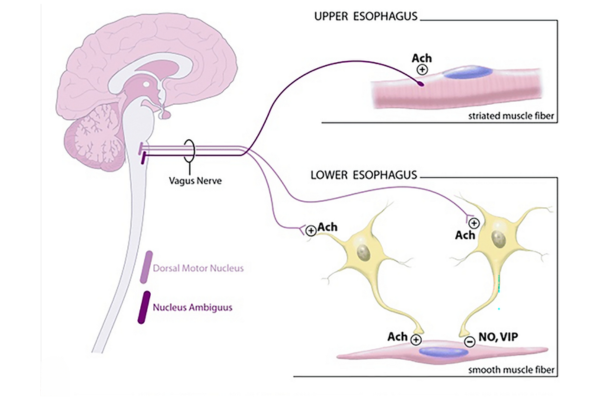
Esophageal motor function
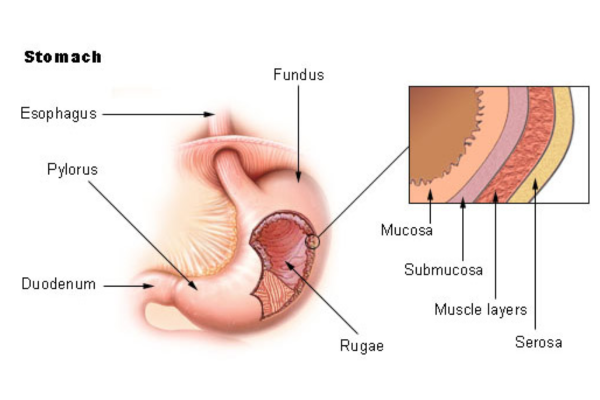
Gastric secretion
Carbohydrate assimilation
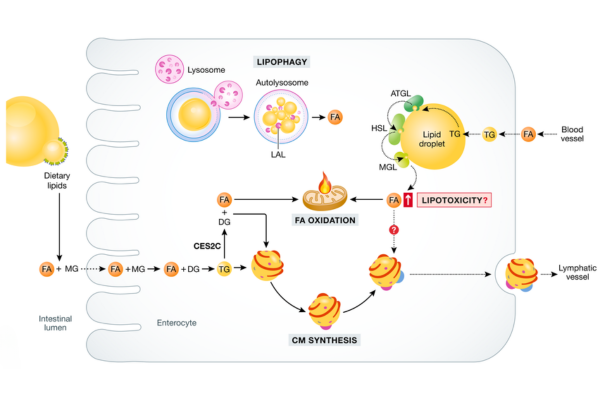
Intestinal lipid absorption
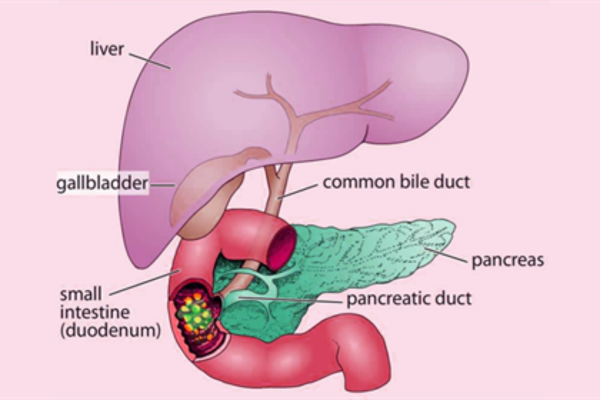
Protein digestion and assimilation
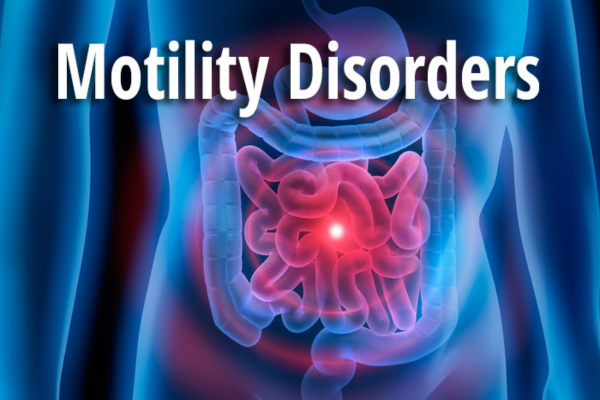
Motility disorders of theesophagus
Key Features
- Attending /Non-Attending Classes
- Free Study Material with recorded lectures
- Best Faculties (Super Specialists) of India
4. Library Access & Question & Answer Session
5. 1 Year of Mentorship
6. Updated Curriculum
Course Curriculum
- Physiology and anatomy of the gastrointestinal (GI) system.
- Molecular and cellular pathways in GI diseases.
- Simple diagnostic methods: History taking, physical examination, laboratory tests.
- Learning about gastrointestinal motility and secretory functions.
- Learn physiological and anatomical pathophysiology of GI disorders.
- Carry out thorough patient examinations and draw up the differential diagnosis.
- Introduction to the principles of evidence-based medicine in GI practice.
- Endoscopy procedures: Upper GI endoscopy, colonoscopy and special procedures.
- Capsule endoscopy and enteroscopy using two balls.
- Gastroenterology imaging modalities: ultrasound, CT, MRI, and fluoroscopy.
- Biopsy methods and histopathology.
- Advances in molecular diagnostics in GI diseases
- Expertise in conducting and reading endoscopic procedures.
- Knowledge of how to use imaging and diagnostic technologies properly.
- Biopsy and histopathological report interpretation.
- The anatomy and functioning of the liver.
- Hepatitis: Diagnosis, treatment and treatment progress.
- Fatty liver disease: Non-alcoholic and alcoholic steatohepatitis (NASH/ASH)
- Cirrhosis: Pathophysiology, complications (portal hypertension, variceal bleeding), and treatment.
- Hepatocellular carcinoma (HCC) and liver transplantation.
- Thorough knowledge of liver diseases and management.
- Skills in chronic liver disease and complications of cirrhosis management.
- Use the knowledge in diagnosing and treatment of hepatocellular carcinoma.
- Pathophysiology and immunology of IBD (Crohn disease and ulcerative colitis)
- Symptoms and diagnosis.
- Pharmacologic treatment: Biologics, immunosuppressants, and corticosteroids.
- Surgery and care of complications (fistulas, strictures, etc.).
- Nutrition role in the management of IBD.
- Gain professional skills in the treatment of IBD.
- Knowledge of the new biologic treatment and the clinical guidelines.
- Recognize and treat typical complications of IBD.
- Colorectal cancer: Screening, early detection and treatment.
- Gastric and esophageal cancer: Diagnosis, staging, and treatment options.
- Pancreatic cancer: Early detection, surgical and non-surgical treatment modalities
- GI cancer innovations: Treatment with chemotherapy, immunotherapy, and targeted therapies.
- Skilled in diagnosis, staging and treatment planning of GI cancers.
- Knowledge of the multidisciplinary approach to GI oncology, such as the use of surgery, chemotherapy, and immunotherapy.
- Knowledgeable of recent research and treatment paradigm in GI malignancies.
- Functional GI disorders pathophysiology: IBS, dyspepsia, and functional constipation.
- Gastroesophageal reflux disease (GERD): Diagnosis, treatment and complications.
- GI motility disorders: Achalasia, gastroparesis, and others.
- The role of endoscopic and manometric studies in the diagnosis of motility disorders.
- Skills to diagnose and treat functional and motility disorders.
- Use non-pharmacologic therapy (dietary changes, lifestyle changes) to treat GERD and IBS.
- Apply greater diagnostic power in the management of functional GI disease.
- Advanced therapeutic endoscopy: Polypectomy, EMR (Endoscopic Mucosal Resection), ESD (Endoscopic Submucosal Dissection)
- Endoscopic ultrasound (EUS): Methods, indications and clinical use.
- GI bleeding: Endoscopic control of bleeding and stenting.
- Balloon angioplasty, stent placement and management of strictures.
- Endoscopic surgery of the biliary and pancreatic diseases.
- Skill in undertaking complex endoscopic tasks.
- Skills in the treatment of GI bleeding and biliary-pancreatic diseases with the help of endoscopic procedures.
- Ability to carry out and interpret endoscopic ultrasound studies.
- Diagnosis, treatment, complications of acute and chronic pancreatitis.
- Cholecystitis and Gallstones: Diagnostic measures and surgical/medical treatment.
- Pancreatic ductal adenocarcinoma: Diagnosis, grading and treatment.
- Endoscopic therapy of biliary obstruction and pancreatic diseases.
- Clinical experience in the management of pancreatobiliary diseases.
- Use endoscopic methods to treat the biliary and pancreatic ducts.
- Work out an integrated strategy of treatment of pancreatitis and pancreatic cancer.
- Gastrointestinal diseases in children: Characteristics and manifestations.
- Pediatric inflammatory bowel disease (IBD): Diagnosis, management and growth considerations.
- Celiac disease, gastroesophageal reflux (GER), and other typical pediatric GI diseases.
- Pediatric liver diseases: Hepatitis, metabolic liver disease, and biliary atresia.
- Nutrition and growth in children with GI.
- Gain skills in diagnosis and treatment of pediatric gastrointestinal diseases.
- Know how difficult it is to treat children with chronic GI diseases.
- Get practical experience on pediatric endoscopy and diagnosis.
- Effects of aging and its impact on the gastrointestinal system.
- GI disorders in elderly: Constipation, diverticular diseases, and GI malignancies.
- Nutrition and frailty among geriatric GI patients.
- Polypharmacy and its effects on gastrointestinal functioning.
- Endoscopy screening amongst the elderly.
- Individualize gastroenterology care to older patients.
- Devise multi-morbidity and polypharmacy management strategies among elderly GI patients.
- Learn about the importance of nutrition and preventive medicine in geriatric gastroenterology.
- State-of-the-art imaging modalities: MRI, CT, PET scans and contrast-enhanced imaging.
- Imaging in the diagnosis of inflammatory bowel disease, malignancies, and liver diseases.
- Radiologic intervention methods: percutaneous biopsies, drainage surgeries, and stenting.
- Imaging use in GI bleeding, pancreatic diseases and GI motility.
- Interdisciplinary work with radiologists and surgeons.
- Learn to interpret advanced imaging in gastroenterology.
- Work well with radiologists and other multidisciplinary teams.
- Recognize imaging clues and guidelines to complicated GI diseases.
- Nutrition evaluation and treatment during gastrointestinal diseases.
- Parenteral and enteral nutrition in acute and chronic GI disorders.
- Dietary role in inflammatory bowel disease, celiac disease and malabsorptive syndromes.
- Nutritional therapy liver disease, pancreatitis, and GI malignancies.
- Gut metabolic and nutrition disorders (short bowel syndrome, metabolic syndrome, etc.)
- Design an overall strategy for nutritional therapy in GI patients.
- Know how to personalize nutrition interventions in chronic GI diseases and liver diseases.
- Apply an understanding of metabolism and nutrition support to clinical practice.
Fill Form Our Team Will Contact Soon
Choose medicalglobalacademy as your trusted partner for medical education and elevate your expertise to new heights.
Frequently Asked Questions
To apply, visit the course page of your interest and click on the ‘Apply Now’ button. Follow the instructions to complete your application. You may need to submit relevant documents and a resume.
Yes, all our courses are accredited by recognized medical and educational institutions. Details of accreditation can be found on each course page.
Yes, we offer a variety of online courses to provide flexibility for our students. Check the course descriptions for information on whether a course is available online.
You can contact our support team via email at support@medicalglobalacademy.com or call us at [+919310027474]. Our support team is available Monday to Friday from 9 AM to 6 PM.
Which Post-MBBS Course Format Is Right for You?
Answer three quick questions and we'll match you to the format that fits your goals — Certificate, PG Diploma, or Fellowship.