
FELLOWSHIP IN HEAD AND NECK SURGICAL ONCOLOGY
Advance your expertise in head and neck cancer care with MGA’s Fellowship in Head and Neck Surgical Oncology. This 12-month programme covers oral, laryngeal, nasopharyngeal, hypopharyngeal and thyroid cancers through online training, structured learning and expert mentorship. Develop knowledge in oncological surgery, neck dissection, reconstruction, endoscopic techniques, molecular oncology and multidisciplinary cancer care.
About the Programme
MGA's Fellowship in Head and Neck Surgical Oncology is a 12-month advanced subspecialty online fellowship for doctors with a minimum of 4 years of clinical experience who want to build expert-level surgical expertise in the management of head and neck cancers — oral cavity, laryngeal, nasopharyngeal, hypopharyngeal, thyroid, and paranasal sinus malignancies. This is one of the most anatomically demanding areas in surgical oncology, requiring precision in oncological resection, neck dissection, microvascular reconstruction, and functional rehabilitation — and this fellowship is built to give you mastery across all of it.
The online fellowship in head and neck surgical oncology curriculum spans 11+ modules — covering oncological resection techniques, lymph node dissection, microvascular and reconstructive surgery, robotic and endoscopic approaches, molecular oncology, precision medicine, HPV-related cancer biology, multidisciplinary tumor board management, palliative care, and pediatric head and neck oncology. This fellowship combines evidence-based academic learning with expert faculty guidance from India's leading head and neck oncology surgeons, free study materials, e-library access, CPD certification, and one year of structured mentorship — making it one of the most comprehensive head and neck surgical oncology fellowship programs available for working doctors across India.
"Fellows develop the surgical confidence to independently manage complex head and neck cancer cases — from biopsy and staging through oncological resection, microvascular reconstruction, robotic surgery, and multidisciplinary tumor board leadership — across India's leading cancer and ENT surgical centres."
- MBBS Graduates (4+ yrs experience)
- MS Surgery / ENT
- MDS (Oral & Maxillofacial)
- Surgical Oncologists
- NMC-Qualified Doctors
Skills You Will Gain from This Head & Neck Surgical Oncology Fellowship
Six core surgical and clinical competencies covering the complete spectrum of head and neck oncology practice in this online fellowship.
Career Outcomes After This Head & Neck Surgical Oncology Fellowship
Graduates of MGA's Fellowship in Head and Neck Surgical Oncology advance into specialist roles across India's leading cancer hospitals, ENT oncology centres, and academic institutions.
Fellowship in Head & Neck Surgical Oncology — Key Features
Everything MGA provides in this online head and neck surgical oncology fellowship
Accreditation & Recognition
What you'll learn
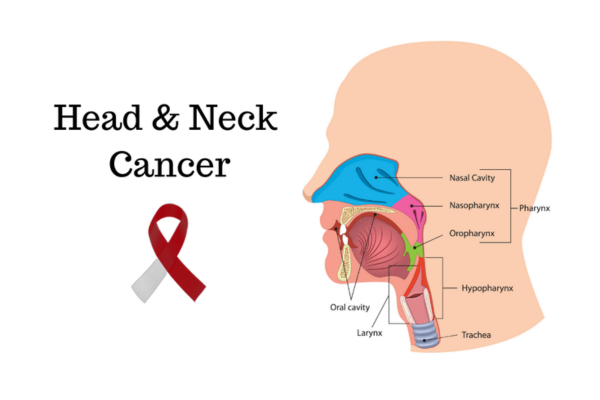
Foundations of Head and Neck Oncology
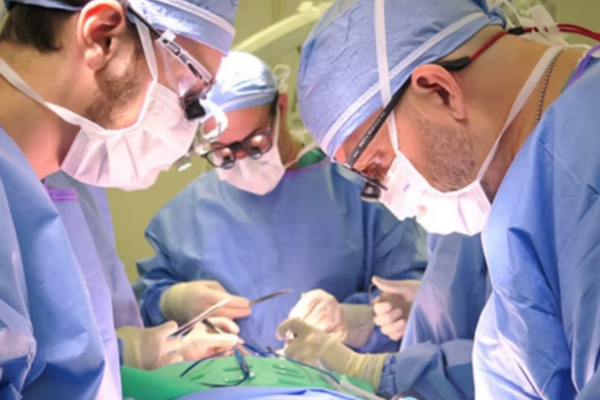
Surgical Techniques in Head and Neck Oncology
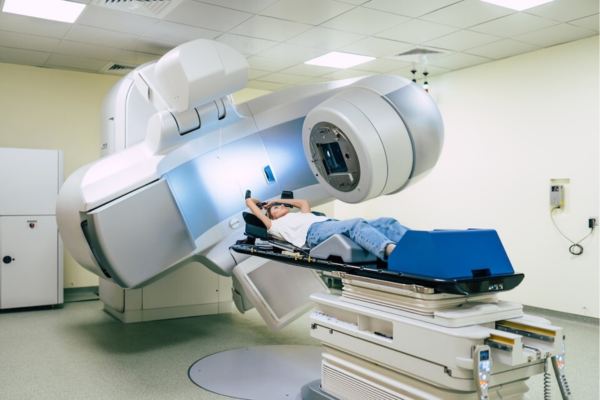
Radiation Oncology and Chemotherapy in Head and Neck Cancers
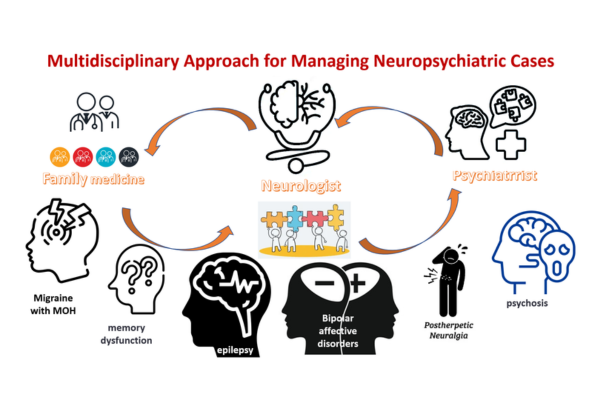
Multidisciplinary Management and Supportive Care

Research, Ethics, and Teaching in Oncology

Clinical Rotations and Practical Exposure
Key Features
- Attending /Non-Attending Classes
- Free Study Material with recorded lectures
- Best Faculties (Super Specialists) of India
4. Library Access & Question & Answer Session
5. 1 Year of Mentorship
6. Updated Curriculum
Course Curriculum
- Introduction to the head and neck oncology team and interdisciplinary approach.
- Discussion of pathophysiology, staging, and clinical presentation of head and neck cancers.
- Presentation of the diagnostic and imaging modalities (CT, MRI, PET-CT, biopsy techniques).
- General principles of surgery, such as margins, lymphatic drainage, and tumor biology.
- General anatomy of head and neck.
- Summary of TNM staging system.
- Multidisciplinary team tasks (surgeons, radiologists, pathologists, oncologists).
- Simple surgical skills: Incision, flap, and tissue manipulation.
- Knowledge of oncological resection of oral cavity, oropharynx, hypopharynx, larynx, nasopharynx and paranasal sinuses cancers.
- Use of wide local excision principles and functional preservation.
- Methods of dealing with problematic resections (e.g., involvement of the base of the skull, cervical spine involvement).
- Removal of mouth and oropharyngeal tumors.
- Surgery of the larynx and hypopharynx.
- Malignancies of the nose, sinus and nasopharynx.
- Multifocal skull base and infratemporal fossa resections.
- Treatment of perineural invasion, vascularity, and bone resections.
- Surgical procedures with complex tumor resections.
- Use of surgical navigation and intraoperative imaging.
- Thorough learning and performance of detailed neck dissections (levels I-V).
- Selective neck dissection using tumor site and lymphatic drainage.
- Location and protection of the essential structures (e.g., nerves, blood vessels).
- Knowledge about recurrence patterns of the neck, and the effect of neck dissection on prognosis.
- Signs of radical vs. selective neck resection.
- Techniques in lymphatic mapping and sentinel node biopsy.
- Neck recurrent disease.
- The value of frozen section and intraoperative pathology in neck surgery.
- Neck dissection courses, cadavers dissections and live operations.
- Art in the reconstruction procedures after oncological resections.
- Knowledge of soft tissue and bony reconstruction.
- Use of free tissue transfer, flap (microvascular, regional, local) and grafts.
- Maximization of functional and aesthetics in head and neck reconstructions.
- Flap design and choice principles.
- Microvascular surgery and blood vessels transfer (free fibula, radial forearm flaps).
- Mandibular defects bone grafting and reconstruction.
- Functional outcomes: Pre- and post-reconstruction functional restoration of swallowing, speech, and breathing.
- Aesthetic reconstructions of the faces.
- Live case and cadaveric simulated surgery.
- Practice of microvascular suturing and free flap anastomosis.
- Introduction to head and neck oncology, minimally invasive techniques.
- Expertise in endoscopic methods of resection of tumours in hard to reach locations.
- Practical exposure to head and neck cancer resections using robots.
- Naresopharyngeal and laryngeal tumors, endoscopic resection.
- Surgery Robotic-assisted procedures in head and neck surgery.
- Advantages and disadvantages of less invasive methods.
- Aftercare and possible complications of minimally invasive procedures.
- Simulation models of robotic surgery.
- Endoscopic techniques of dissection and resection of the nasopharynx and larynx.
- Combination of surgery, radiation therapy and chemotherapy to treat head and neck cancer.
- Recognizing those patients who would need adjuvant therapy (radiotherapy/chemotherapy).
- Treating radiation therapy complications, which include xerostomia and osteoradionecrosis.
- Postoperative adjuvant therapy and preoperative optimization.
- Neoadjuvant therapy and induction chemotherapy.
- Treatment of radiation induced toxicities and follow-up.
- Nutrition and speech/swallowing therapy after treatment.
- Involvement in tumor boards, conversations about complex cases with the multidisciplinary team.
- Practical training on dealing with complications and side effects of adjuvant therapy.
- Exposure to latest technologies in head and neck cancer.
- Artificial intelligence (AI) applications in surgery and diagnosis.
- Knowledge of the potential of personalized medicine and molecular targeted therapies.
- Artificial intelligence and machine learning in tumor imaging and surgery.
- Intraoperative imaging, augmented reality, and robotic assistance innovations.
- The importance of next-generation sequencing and targeted therapies in head and neck cancer.
- Immunotherapy and the changing roles of immuno-oncology in head and neck cancers.
- Case studies Precision medicine and molecular tumor profiling.
- Practical experience with AI-driven diagnostic systems and robots.
- Training to become a self-sufficient clinician and academic leader.
- Practice in how to do high-impact research, writing scientific articles, and speaking at international conferences.
- Acquisition of leadership and teaching skills in academics.
- Head and neck oncology Research methodology and biostatistics.
- Composing and publication of papers in academia; speaking at conferences.
- Surgical team leadership, junior resident mentoring, and fellows.
- Head and neck oncology surgery: Innovations in surgery: Trends and future directions.
- Presentation and peer review of research projects.
- Mentorship and leadership training.
- Knowledge of the concepts of palliative care with advanced head and neck cancers.
- Symptom management skills such as pain management, dysphagia management and airway obstruction management.
- Ethics in end of life care, such as interaction with patients and families.
- Palliative care principles: The management of pain, dysphagia management. Tracheostomy management.
- Treatment of complications of the advanced disease: Hemorrhage, airway obstruction.
- Importance of hospice care and multidisciplinary palliative teams.
- The ethical decision-making in terminally ill head and neck cancer.
- Patient/family psychological support.
- Palliative care interventions case studies.
- Role-playing activities on how to convey bad news and end-of-life conversations.
- Detailed knowledge of the genetic and molecular mechanisms of head and neck tumours.
- Molecular profiling and genetic testing in treatment decisions.
- Role of genetic counseling and precision medicine in head and neck oncology.
- Pathways and genetic mutations in head and neck cancer (e.g., EGFR, HPV-related cancers).
- Biomarkers and their use in prognosis and treatment planning.
- The future of personalized treatment and molecular targeted therapies.
- Genomic sequencing and its translation to clinical practice.
- Ethical factors and genetic counseling.
- Genetic test and molecular profile interpretation workshops.
- Oncologists and genetic counselor panel discussion on precision medicine.
- Knowledge of the special features of head and neck cancers in children.
- Knowledge of pediatric-related surgical techniques and factors.
- Cooperative care by pediatric oncologists, radiologists, and speech pathologists.
- Epidemiology and biology of tumors of the head and neck in children.
- Surgical plans of children with malignant or congenital tumors.
- Reconstructive surgery in children.
- Childhood cancer treatment such as rhabdomyosarcoma, neuroblastoma and thyroid cancer in children.
- Radiotherapy and chemotherapy problems, specific to the pediatric population.
- Discussions of pediatric head and neck tumors based on a case.
- Practical simulation of pediatric surgery.
- Emphasize functional rehabilitation after head and neck surgery, speech and swallowing.
- Cooperation with speech-language pathologists to maximize functional results.
- Post-cancer rehabilitation of long-term disabilities.
- Rehabilitation of speech, swallowing and voice after surgery.
- Methods of rehabilitation of speech following laryngectomy (e.g., voice prostheses, esophageal speech).
- Swallowing rehabilitation therapy, such as feeding tubes and other techniques.
- Use of prosthetics for oral cavity defects and restoration of facial aesthetics.
- Management of trismus, xerostomia, and other functional impairments.
- Workshops with speech therapists for voice restoration techniques.
- Simulated swallowing exercises and rehabilitation protocols.
Fill Form Our Team Will Contact Soon
Choose medicalglobalacademy as your trusted partner for medical education and elevate your expertise to new heights.
Frequently Asked Questions
To apply, visit the course page of your interest and click on the ‘Apply Now’ button. Follow the instructions to complete your application. You may need to submit relevant documents and a resume.
Yes, all our courses are accredited by recognized medical and educational institutions. Details of accreditation can be found on each course page.
Yes, we offer a variety of online courses to provide flexibility for our students. Check the course descriptions for information on whether a course is available online.
You can contact our support team via email at support@medicalglobalacademy.com or call us at [+919310027474]. Our support team is available Monday to Friday from 9 AM to 6 PM.
Which Post-MBBS Course Format Is Right for You?
Answer three quick questions and we'll match you to the format that fits your goals — Certificate, PG Diploma, or Fellowship.