
FELLOWSHIP IN HEAD & NECK SURGERY
Explore the Fellowship in Head & Neck Surgery at Medical Global Academy (MGA), designed for medical professionals seeking advanced knowledge in head and neck surgical care. Learn diagnostic imaging, surgical techniques and patient management through structured learning and expert guidance. Build the knowledge and confidence to advance your practice in this specialized field.
Batch starts on
Jan to Dec/ May to June
Course Duration
12 Months
Learing formate
Online mode
Flexible payment
financing options available
Program overview
The Fellowship in Head & Neck Surgery offered by Medical Global Academy is a comprehensive post-graduate education programme for doctors aiming to acquire in-depth understanding of diagnostic imaging, surgical techniques, and comprehensive management of head and neck diseases. The programme includes academic education, intensive professional exposure, practical surgical education and research-based learning with deep knowledge of head and neck oncology, reconstructive surgery, minimally invasive surgeries, observation and theoretical understanding of robotic platforms, skull base surgery, airway surgery and non-oncological head and neck disorders. Participants learn from seasoned surgeons and experts, and receive practical experience in cutting-edge diagnostic methods, cutting-edge surgical procedures, rehabilitation and patient-centred care.
Skills You Will Gain
- Thorough knowledge of head and neck anatomy, oncology principles and the management of cancer in a multidisciplinary setting.
- Familiarity with diagnostic imaging modalities such as CT, MRI, PET scan, ultrasound and functional imaging for surgical planning.
- Specialised education in oral, oropharyngeal, laryngeal, thyroid and parathyroid cancer surgery.
- Exposure to reconstructive surgical education including flap harvesting, free tissue transfer, prosthetic reconstruction and speech and swallowing rehabilitation.
- Familiarity with minimally invasive, robotic-assisted, endoscopic, transoral and laser surgery procedures.
- Knowledge of non-oncological head and neck conditions such as salivary gland diseases, facial trauma, congenital anomalies, dysphagia and surgery for sleep apnea.
- Endoscopic surgery of the skull base, sinonasal surgery and advanced techniques of airway reconstruction.
- Knowledge of the surgical management of paediatric and geriatric head and neck surgeries and relevant age-specific considerations.
- Exposure to emerging technologies like AI and telemedicine, intraoperative navigation and 3D imaging technologies in surgical practice.
- Understanding of palliative care, psychosocial counselling, nutrition support and rehabilitation for head and neck patients.
- Education in research methodology, evidence-based practice, data analysis and scientific publication.
- Development of ethical decision making, communication, leadership, professionalism and multidisciplinary teamwork skills.
Career Outcomes After the Fellowship
- Develop a specialised career in Head & Neck Surgery and advanced surgical patient care.
- Career options in oncology centres, multispecialty surgical centres, academic medical centres and specialty surgical departments.
- Utilise advanced surgical techniques and multidisciplinary approaches to contribute to enhanced patient outcomes.
- Pursue career prospects in reconstructive surgery, airway surgery, paediatric head and neck surgery and facial nerve surgery.
- Engage in professional research, innovation programmes, academic teaching and leadership for healthcare.
- Collaborate with multidisciplinary teams including oncologists, radiologists, rehabilitation specialists, speech therapists and pathologists.
- Stay current with advances in AI for diagnostics, robot-assisted surgery, virtual surgical simulation and innovative imaging techniques.
- Enhance professional development in the field of head and neck surgery.
What you'll learn
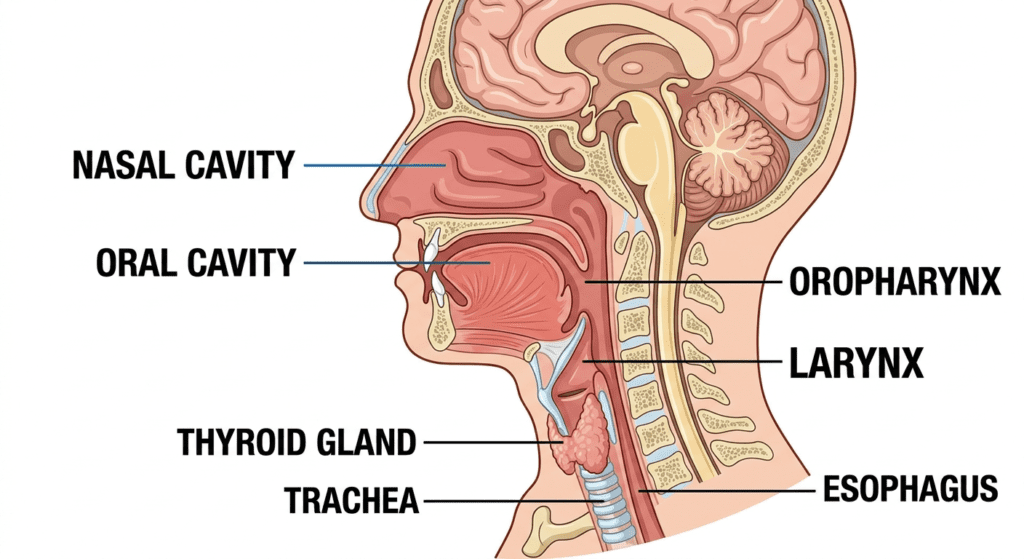
Head and Neck Anatomy
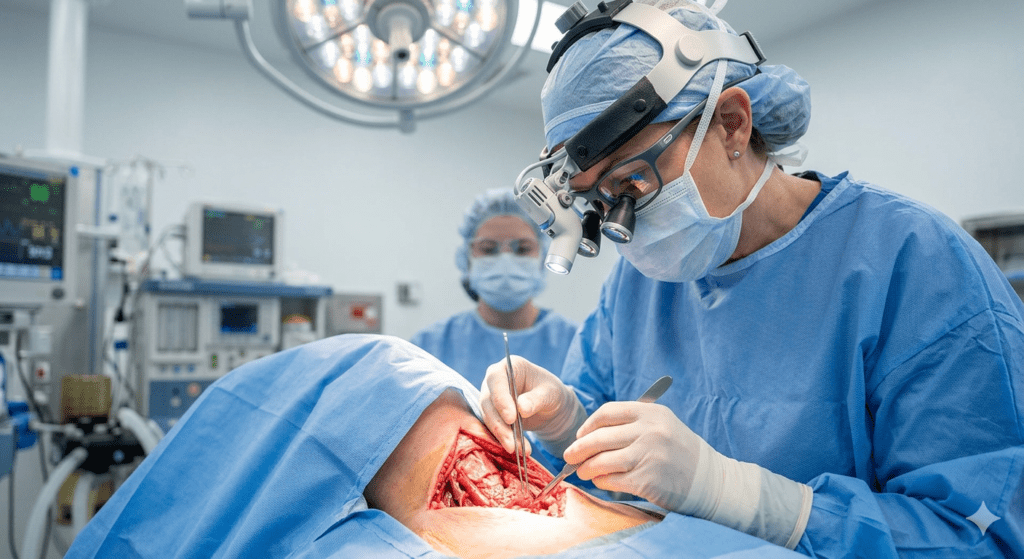
Surgical Access and Techniques
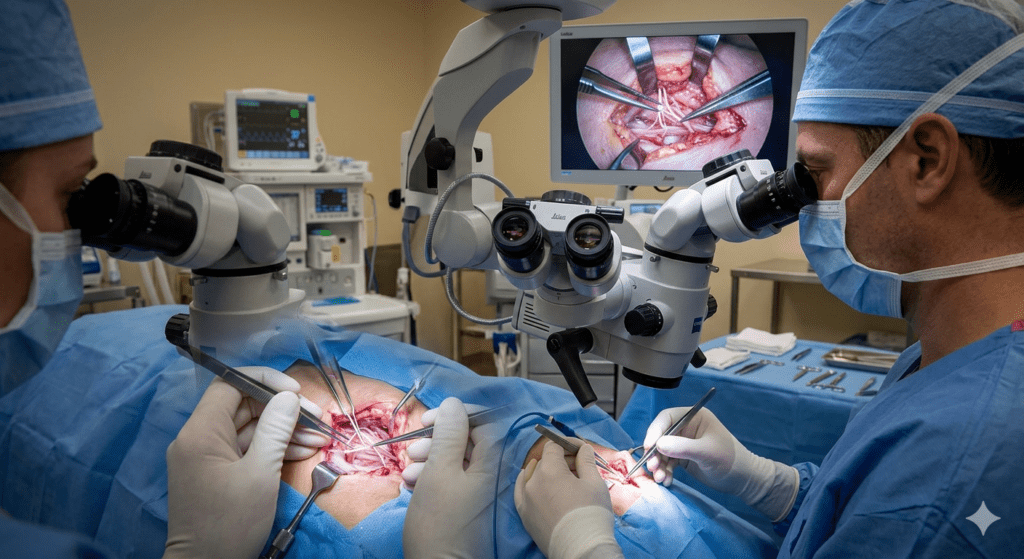
Microneurosurgery
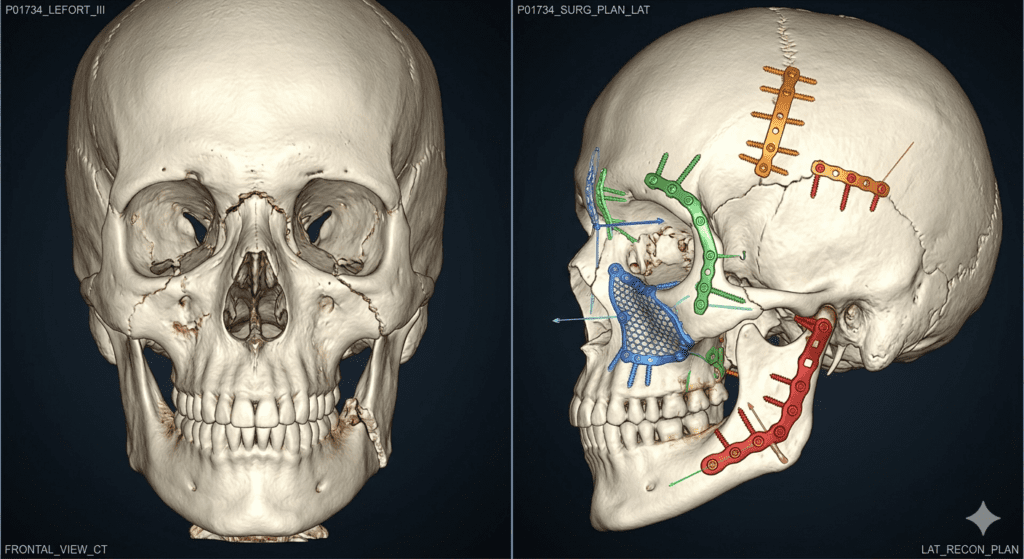
Advanced Reconstructive Planning
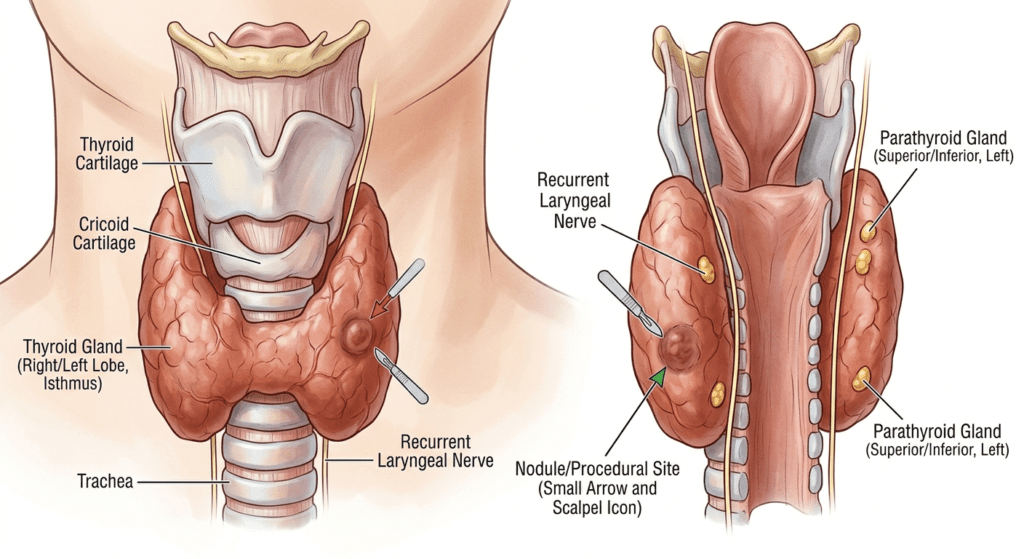
Thyroid and Parathyroid Procedures

Pediatric Head and Neck Surgery
Key Features
- Attending /Non-Attending Classes
- Free Study Material with recorded lectures
- Best Faculties (Super Specialists) of India
4. Library Access & Question & Answer Session
5. 1 Year of Mentorship
6. Updated Curriculum
Course Curriculum
- Overview of Head & Neck Anatomy
- Principles of Head & Neck Oncology
- Multidisciplinary Approach in Head & Neck Cancer
- Diagnostic Imaging Techniques in Head & Neck Pathology
- Surgical Ethics and Patient Safety
- Management of Oral and Oropharyngeal Cancers
- Laryngeal Cancer: Diagnosis, Staging, and Treatment Options
- Thyroid and Parathyroid Cancer Surgery
- Advanced Techniques in Neck Dissection
- Endoscopic Approaches in Head & Neck Cancer
- Postoperative Management and Complications
- Flap Selection and Harvesting Techniques
- Free Tissue Transfer in Head & Neck Reconstruction
- Reconstructive Strategies for Oral, Laryngeal, and Pharyngeal Defects
- Prosthetics and Implant-based Reconstruction
- Functional Outcomes and Quality of Life Post-reconstruction
- Speech and Swallowing Rehabilitation
- Principles of Minimally Invasive Surgery (MIS)
- Robotic-Assisted Surgery for Head & Neck Cancers
- Endoscopic and Transoral Techniques
- Laser Surgery in Laryngeal and Oral Pathologies
- Video-Assisted Neck Dissection
- Minimally Invasive Approaches to Thyroid and Parathyroid Diseases
- Management of Benign Salivary Gland Diseases
- Surgery for Facial Trauma and Fractures
- Congenital Anomalies of the Head & Neck
- Treatment of Head & Neck Infectious Diseases
- Management of Dysphagia and Voice Disorders
- Surgery for Sleep Apnea and Obstructive Sleep Disorders
- Advanced Imaging: CT, MRI, PET Scan, and Ultrasound in Diagnosis
- Endoscopic Techniques: Flexible vs. Rigid Endoscopy
- Fine Needle Aspiration Biopsy (FNAB) and Histopathology
- Molecular Biology and Genetic Testing in Head & Neck Cancer
- Immunohistochemistry and Biomarkers in Diagnosis
- Functional Imaging in Planning Surgery
- Role of Medical Oncology and Radiation Therapy in Multidisciplinary Teams
- Collaboration with Speech Pathologists, Dietitians, and Rehabilitation Teams
- Nutritional Support and Postoperative Care
- Psychosocial Aspects and Patient Counseling
- Managing Chronic Conditions and Recurrences
- Palliative Care in Head & Neck Cancer
- Principles of Evidence-Based Medicine in Head & Neck Surgery
- Designing and Conducting Clinical Research
- Research Ethics and Clinical Trial Protocols
- Data Analysis and Statistical Methods
- Writing and Publishing Clinical Research
- Participation in Ongoing Clinical Trials in Head & Neck Oncology
- Congenital Malformations of the Head & Neck
- Pediatric Airway Management and Surgery
- Pediatric Thyroid and Parathyroid Disorders
- Pediatric Neck Masses: Diagnosis and Surgical Management
- Craniofacial Anomalies and Surgical Reconstruction
- Pediatric Salivary Gland Disease and Management
- Endoscopic Skull Base Surgery: Techniques and Indications
- Transoral Robotic Surgery (TORS) for Tumor Resection
- Endoscopic Management of Sinus and Nasal Tumors
- Endoscopic Reconstructive Techniques in the Head & Neck
- Laser Surgery in the Upper Airway: Techniques and Applications
- Advanced Endoscopic Approaches to Thyroid and Parathyroid Surgery
- Anatomy and Function of the Facial Nerve
- Surgical Techniques for Facial Nerve Preservation
- Management of Facial Nerve Paralysis
- Facial Nerve Repair and Reanimation Techniques
- Vestibular Disorders: Diagnosis and Surgical Management
- Cochlear Implantation and Inner Ear Surgery in Head & Neck Pathology
- Anterior and Posterior Skull Base Surgery Techniques
- Endoscopic Approaches to the Paranasal Sinuses and Nasal Cavity
- Management of Sinonasal Malignancies
- Endoscopic Pituitary Surgery
- Neuro-ophthalmologic Disorders Related to Skull Base Pathology
- Invasive Skull Base Tumors: Surgical Resection and Reconstruction
- Surgical Challenges in Elderly Patients with Head & Neck Cancer
- Age-Related Changes in Head & Neck Anatomy and Physiology
- Managing Comorbidities and Polypharmacy in Older Patients
- Postoperative Care and Rehabilitation in Elderly Patients
- Multidisciplinary Approach for Geriatric Head & Neck Oncology
- Palliative and End-of-Life Care in Older Adults with Head & Neck Cancer
- Augmented Reality and 3D Imaging in Preoperative Planning
- Intraoperative Navigation and Robotic Surgery Applications
- Artificial Intelligence in Head & Neck Cancer Detection and Management
- Telemedicine and Remote Patient Monitoring in Head & Neck Care
- Virtual Surgical Simulation and Training
- Innovations in Biopsy Techniques and Tissue Engineering
- Vascular Anatomy of the Head & Neck: Surgical Implications
- Vascular Malformations and Tumors of the Head & Neck
- Lymphatic Surgery in the Neck and Lymphadenectomy Techniques
- Management of Hemorrhage and Vascular Complications in Head & Neck Surgery
- Use of Doppler and Angiography in Surgical Planning
- Endovenous Laser Treatment for Head & Neck Vascular Malformations
- Surgical Techniques for Managing Difficult Airway in Head & Neck Patients
- Tracheostomy and Laryngectomy Procedures
- Airway Reconstruction Techniques for Obstructions and Stenosis
- Management of Post-surgical Airway Complications
- Surgical Interventions for Sleep Apnea and Snoring
- Laser and Balloon Dilatation Techniques for Airway Management
- Forensic Evaluation of Head & Neck Trauma
- Forensic Examination of Sudden Unexplained Death in the Neck Region
- Medico-legal Implications in Head & Neck Surgery
- Autopsy Techniques for Head & Neck Pathologies
- Role of Head & Neck Surgeons in Criminal Investigations and Evidence Collection
- Reporting and Documentation in Forensic Cases
- Ethical Decision-Making in Complex Head & Neck Cases
- Informed Consent and Patient Autonomy in Head & Neck Surgery
- Surgical Accountability and Peer Review
- Maintaining Professionalism in Challenging Clinical Settings
- Legal and Ethical Aspects of Cosmetic Surgery in the Head & Neck
- Conflict Resolution and Communication with Patients and Families
Fill Form Our Team Will Contact Soon
Choose medicalglobalacademy as your trusted partner for medical education and elevate your expertise to new heights.
Frequently Asked Questions
To apply, visit the course page of your interest and click on the ‘Apply Now’ button. Follow the instructions to complete your application. You may need to submit relevant documents and a resume.
Yes, all our courses are accredited by recognized medical and educational institutions. Details of accreditation can be found on each course page.
Yes, we offer a variety of online courses to provide flexibility for our students. Check the course descriptions for information on whether a course is available online.
You can contact our support team via email at support@medicalglobalacademy.com or call us at [+919310027474]. Our support team is available Monday to Friday from 9 AM to 6 PM.
Which Post-MBBS Course Format Is Right for You?
Answer three quick questions and we'll match you to the format that fits your goals — Certificate, PG Diploma, or Fellowship.