
FELLOWSHIP IN MAXILLOFACIAL SURGERY
A Fellowship in Cardiothoracic Surgery is designed for doctors seeking advanced knowledge in cardiac and thoracic surgical care. The programme combines online training, expert mentorship and evidence-based learning to help medical professionals strengthen their surgical knowledge, clinical decision-making and confidence.
Batch starts on
Jan to Dec/ May to June
Course Duration
12 Months
Learning Formate
Online Mode
Flexible payment
financing options available
Fellowship in Maxillofacial Surgery
MGA Medical Global Academy’s Fellowship in Maxillofacial Surgery is an advanced training program for surgeons and dentists who aspire to become experts in treating complex disorders of the face, jaws and mouth. This specialty is more than a surgical specialty; it demands accuracy, teamwork and skills in restoring function and aesthetic outcomes on highly visible parts of the body. Our fellowship emphasises the development of sound clinical decision-making and advanced surgical techniques. The program will give you the skills to manage everything from facial fractures and jaw malformations to oral cancers and reconstructions. Rather than focusing purely on the surgical aspects of cases, the fellowship also addresses treatment planning where diagnosis, surgery and rehabilitation are all part of the same process. Training focuses on the clinical process. You will learn to assess patients, plan surgeries and perform operations considering both form and function. The course also incorporates the latest technologies and techniques in surgery, so you are up to speed with the rest of the world.
The training will cover:
Treatment of facial trauma, fractures and soft tissue injuries
Orthognathic surgery to correct jaw deformities, occlusal deformities and malocclusion
Management of temporomandibular joint (TMJ) dysfunction, both surgical and non-surgical
Surgery for oral cancers and head & neck oncology including reconstruction
Facial cosmetic and reconstructive surgery, such as microvascular surgery, and grafting
Maxillofacial surgery for children (cleft lip/palate, craniofacial dysostosis)
3D imaging, virtual surgical planning and computer-guided surgery
Pathology, diagnostics and multidisciplinary approach for complex patients
The goal is simple: after the fellowship you should be able to confidently, accurately, and patient-focused assess, plan and perform complex maxillofacial surgery.
How This Fellowship Transforms Your Practice
When you start to implement structured maxillofacial concepts, your approach to surgery becomes more methodical, targeted and focused on the result. You shift from procedural to case management.
This is evident in:
More precise diagnosis, using advanced clinical and radiological tools
Improved treatment planning to achieve both form and function
Improved assurance in the management of complex trauma, deformities and cancer
Improved capacity to undertake reconstruction with excellent long-term outcomes
Improved communication and teamwork with oncologists, orthodontists and plastic surgeons
Over time, this results in a transformation from a surgeon/ dentist to a maxillofacial specialist who can tackle complex cases.
Where This Fellowship Positions You
On graduating, you enter a highly specialist and in-demand surgical practice that influences patient quality of life.
Career pathways include:
Work in maxillofacial surgery units, trauma hospitals and tertiary institutions
Subspecialisation in facial trauma, orthognathic surgery or head & neck cancer
Complex facial aesthetic surgery practice
Working in collaboration with specialist teams in cancer hospitals and craniofacial units
Teaching, surgical training and research
Opening a speciality maxillofacial practice with state-of-the-art surgery and diagnostic services
Essentially, you move from general surgery to specialist surgery practice, where your ability to restore function and aesthetics and boost patient self-esteem becomes a specialism.
What you'll learn

Introduction to Oral and Maxillofacial Radiology
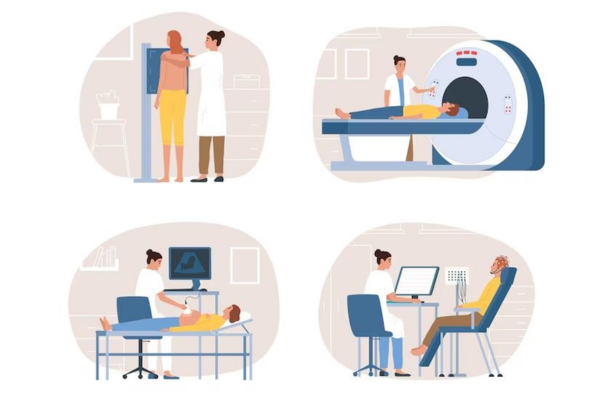
Basic Radiologic Techniques
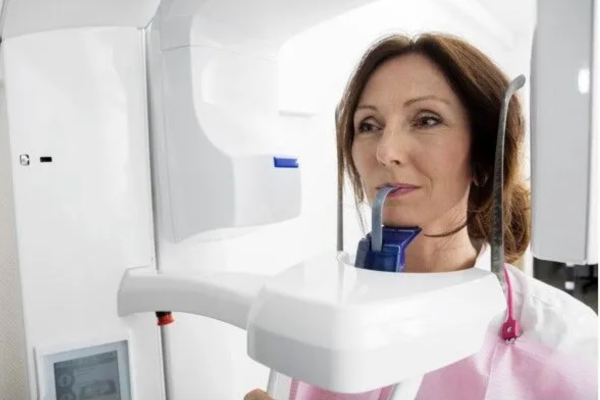
Cone-Beam Computed Tomography (CBCT)
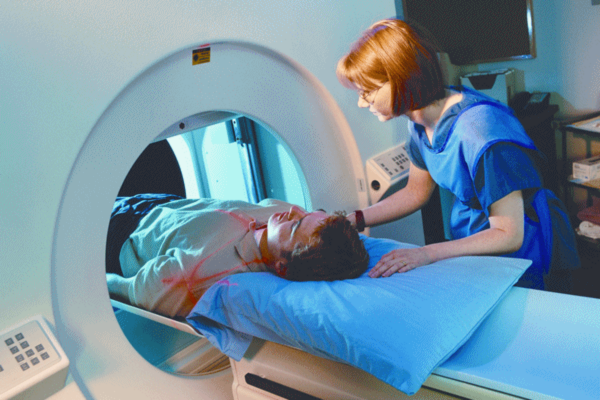
Advanced Imaging Techniques

Radiation Physics and Biology

Imaging Anatomy of the Oral and Maxillofacial Regions
Key Features
- Attending /Non-Attending Classes
- Free Study Material with recorded lectures
- Best Faculties (Super Specialists) of India
4. Library Access & Question & Answer Session
5. 1 Year of Mentorship
6. Updated Curriculum
Course Curriculum
- Anatomy and physiology of head and neck
- Principles of surgery: aseptic technique, wound healing, surgical instruments
- Basic imaging techniques used in maxillofacial surgery (CT scans, MRI, 3D scans)
- Multidisciplinary team approach of the maxillofacial surgeon
- Patient assessment and management protocols
- Proficiency in basic surgical skills
- Capacity to diagnose common conditions of the maxillofacial region
- Skill in the use of diagnostic radiology
- Treatment of facial trauma: soft tissue injuries, fractures of the mandible, maxilla, zygoma and nasal bones
- Surgical management of facial fractures (open reduction and internal fixation)
- Titanium plates, screws and other implants
- Follow-up and management of complications (infection, malocclusion, etc.)
- Emergency treatment of facial trauma
- Expertise in trauma surgery and fracture repair
- Expertise in reconstructive surgery and care
- Complex trauma decision-making
- Pre-surgical evaluation: clinical, X-ray and psychological
- Planning for jaw deformities (mandibular, maxillary and bimaxillary surgeries)
- Osteotomies, Le Fort fractures and mandibular advancement surgeries
- Post-surgical management, occlusion and orthodontic adjustments
- Orthognathic surgery complications and complications
- Knowledge in pre-surgical planning and performance of orthognathic surgery
- Experience in managing complications, and functional and cosmetic outcomes
- Soft and hard tissue reconstruction in congenital deformities and post-traumatic defects
- Procedures in facial cosmetic surgery: rhytidectomy, rhinoplasty, chin augmentation, and blepharoplasty
- Free tissue transfer and microvascular techniques
- Use of biomaterials in facial reconstruction (implants, bone, tissue expansion)
- Post-operative cosmetic and functional considerations
- Specialized knowledge of advanced reconstructive and cosmetic surgery
- Knowledge of microsurgery, flap planning
- Restoration of function and aesthetics after surgery
- Understanding and diagnosis of TMJ dysfunction
- Arthroscopic surgery, arthroplasty and joint replacement for TMJ dysfunction
- Conservative management: splints, physical therapy and medical treatment
- Rehabilitation and aftercare for TMJ patients
- Thorough knowledge of TMJ disease and surgeries
- Surgical techniques for TMJ surgeries to avoid complications
- Early diagnosis and staging of oral and maxillofacial cancers
- Resection of oral cancer (mandibulectomy, maxillectomy, neck dissection)
- Resection reconstruction using free flaps, prosthetics, etc
- Chemotherapy, radiation and its use in conjunction with surgery
- Multidisciplinary treatment of head and neck cancers
- Proficient in diagnosing and treating cancers of the mouth
- Skilled in cancer reconstruction and rehabilitation
- Familiarity with a multidisciplinary cancer care team
- Treatment of congenital deformities: cleft lip/palate, craniofacial malformations
- Children’s trauma: pediatric facial fractures
- Maxillofacial surgery techniques and challenges in children
- Pediatric care and follow-up after surgery
- Expertise in pediatric maxillofacial surgery
- Expertise in treating congenital anomalies and trauma
- Capacity to offer lifelong care for pediatric maxillofacial patients
- Use of 3D imaging and simulation surgery
- Use of robotic surgery and augmented reality in maxillofacial surgery
- Innovations in lasers for soft tissue surgery
- New biomaterials and implants for reconstruction
- Use of surgical navigation in complex surgery
- Skilled in applying new technologies for surgery and diagnosis
- Skill in applying new technologies to patient care for better outcomes
- Experience in clinical rotations in sub-specialties (trauma, orthognathic, cancer, cosmetic)
- Research in novel techniques of maxillofacial surgery
- Authoring research articles and case studies
- Conference presentations at national/international level
- Mentorship under senior surgeons
- Exposure to a wide range of clinical cases
- Research and academic training
- Capacity to make a contribution to the field with evidence-based methods
- Ethical aspects of maxillofacial surgery
- Patient-centered care and communication skills
- Informed consent and managing patient expectations
- Medical-legal issues including malpractice
- Collaboration and leadership in a multi-disciplinary team
- Appreciation of ethical aspects and professional conduct in surgery
- Improved communication with patients and other health professionals
- Basic concepts of laser surgery: lasers applied in maxillofacial surgery (CO2, diode, erbium)
- Applications of lasers in soft tissue surgery: oral pathology, skin rejuvenation and tumor removal
- Periodontal treatments and cosmetic surgeries with laser
- Safety, tissue effects and complications
- Post-operative care following laser surgery
- Experience in the use of laser for soft tissue surgery in maxillofacial surgery
- Knowledge of laser’s benefits and drawbacks
- Proficiency in handling complications of laser surgery
- Learning to integrate laser treatment into oral and facial surgeries
- In-depth understanding of benign and malignant head and neck diseases
- Biopsy, fine-needle aspiration (FNA), histopathology and immunohistochemistry in diagnosis
- Importance of molecular biology and genetic analysis in the diagnosis of maxillofacial pathologies
- Treatment of chronic infections, benign tumors and pre-malignant lesions in the maxillofacial region
- Interdisciplinary approach to complex pathological conditions with oncologists, radiologists and pathologists
- Specialised knowledge in the diagnosis and interpretation of pathology in the maxillofacial region
- Experience in the diagnosis and treatment of benign and malignant conditions
- Knowledge of incorporating pathology into surgical planning
- Ability to work in a multidisciplinary team for patient management
Fill Form Our Team Will Contact Soon
Choose medicalglobalacademy as your trusted partner for medical education and elevate your expertise to new heights.
Frequently Asked Questions
To apply, visit the course page of your interest and click on the ‘Apply Now’ button. Follow the instructions to complete your application. You may need to submit relevant documents and a resume.
Yes, all our courses are accredited by recognized medical and educational institutions. Details of accreditation can be found on each course page.
Yes, we offer a variety of online courses to provide flexibility for our students. Check the course descriptions for information on whether a course is available online.
You can contact our support team via email at support@medicalglobalacademy.com or call us at [+919310027474]. Our support team is available Monday to Friday from 9 AM to 6 PM.
Which Post-MBBS Course Format Is Right for You?
Answer three quick questions and we'll match you to the format that fits your goals — Certificate, PG Diploma, or Fellowship.