
FELLOWSHIP IN MINIMALLY INVASIVE SURGERY
Discover the world of minimally invasive surgery fellowships with a practice-focused postgraduate diploma program. Ideal for medical professionals looking to enhance their diagnostic skills, our course offers clinical training and expert mentorship.
Batch starts on
Jan to Dec/ May to June
Course Duration
12 Months
Learning Format
Online Mode
Flexible payment
financing options available
Fellowship in Minimally Invasive Surgery
MGA Medical Global Academy’s Fellowship in Minimally Invasive Surgery is an advanced programme designed to develop surgeons’ knowledge of key laparoscopic, endoscopic and robotic surgical approaches. The fellowship focuses on improving technical accuracy, patient safety and efficiency in surgical practice, helping learners understand complex procedures performed through minimally invasive techniques. The programme combines theoretical knowledge with structured learning around surgical procedures and guidance from experienced mentors. It covers basic laparoscopic surgery along with advanced multispecialty procedures in general surgery, gynaecology and urology, supporting learners in understanding modern surgical practice. The programme also focuses on pre-operative assessment, intra-operative decision-making and post-operative management to develop comprehensive knowledge in minimally invasive surgery.
Outcome of the Fellowship:
By the end of the course, you will be able to:
- Understand basic and advanced minimally invasive surgical procedures
- Apply laparoscopic and robotic techniques across a range of specialties
- Evaluate appropriate surgical strategies in complex situations
- Understand the management of common surgical complications
- Support safe, efficient and patient-centred surgical care
Career Opportunities:
Once you complete the fellowship, you’ll have opportunities to:
- Explore senior roles in laparoscopic and minimally invasive surgical units
- Work in multispecialty and super-specialty hospitals
- Develop expertise in robotic surgery and advanced laparoscopic surgical techniques
- Pursue teaching and academic opportunities in surgery
- Explore opportunities to establish a minimally invasive surgical practice or centre
This fellowship supports the transition from traditional open surgical approaches toward precision-driven, technology-enabled minimally invasive surgery, helping you develop advanced surgical knowledge and support better patient outcomes and professional growth.
What you'll learn
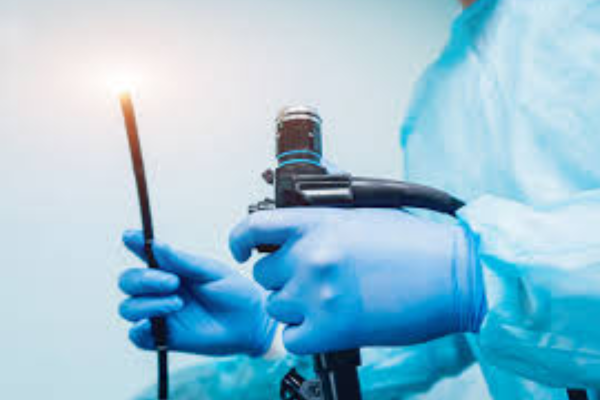
Foundations of Minimally Invasive Urology
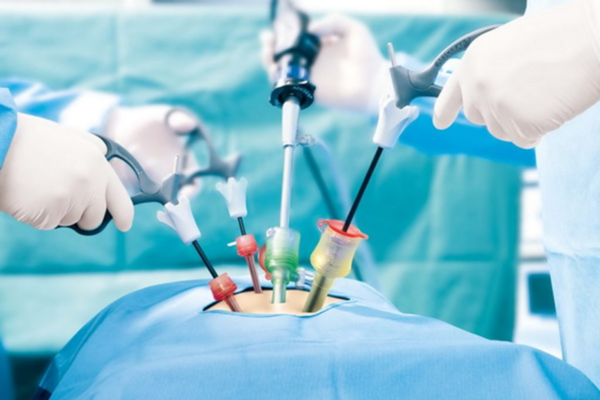
Laparoscopic Urological Surgery
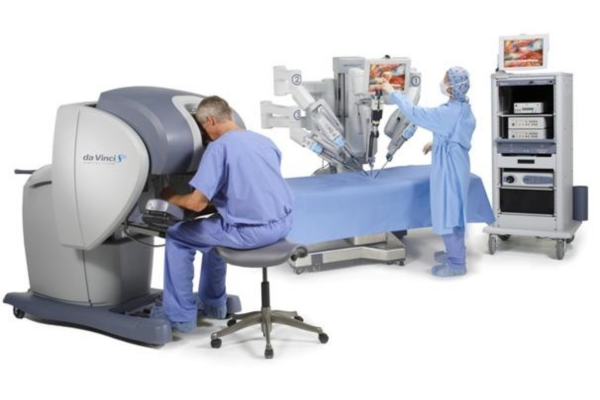
Robotic-Assisted Urological Surgery
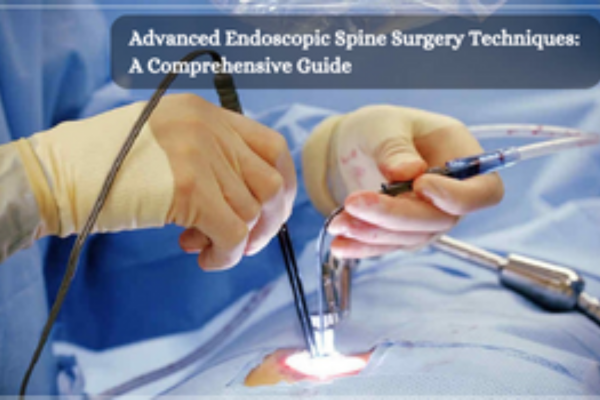
Advanced Endoscopic Techniques

Pediatric Minimally Invasive Urology
Postoperative Care and Outcomes Assessment
Key Features
- Attending /Non-Attending Classes
- Free Study Material with recorded lectures
- Best Faculties (Super Specialists) of India
4. Library Access & Question & Answer Session
5. 1 Year of Mentorship
6. Updated Curriculum
Course Curriculum
- Overview of laparoscopic and endoscopic surgery
- Tools: trocars, cameras, lights, energy sources
- Theater setup and ergonomics
- Safety and complication avoidance
- Simulation: box trainer, virtual reality
- Laparoscopic appendectomy and cholecystectomy
- Inguinal and ventral hernia repair (TAPP, TEP, IPOM)
- Laparoscopic colectomy and bowel anastomosis
- Hemostasis and laparoscopic suturing
- Case presentations and video reviews
- Total laparoscopic hysterectomy (TLH)
- Myomectomy and endometriosis management
- Ovarian cystectomy and ectopic pregnancy
- Diagnostic and operative hysteroscopy
- Use of electrosurgical and ultrasonic devices in Gynae MIS
- Laparoscopic pyeloplasty and nephrectomy
- Ureteral reimplantation and adrenalectomy
- Transurethral and retroperitoneal approaches
- Basic endourology principles
- Patient selection and postoperative care
- Laparoscopic cholecystectomy and CBD exploration
- Management of bile duct injuries
- Anti-reflux surgery (Nissen fundoplication)
- Gastrectomy and bariatric surgery basics
- Intraoperative cholangiography and laparoscopic ultrasound
- Introduction to robotic surgical systems (e.g., Da Vinci)
- Docking, instruments, and troubleshooting
- General surgery, gynecology and urology robotics
- Simulation and “dry-lab” training
- Bringing robotics to the clinic
- Pediatric laparoscopic appendectomy, hernia repair
- Thoracoscopic sympathectomy, decortication
- Anesthesia and positioning in the pediatric patient
- Specialized instrumentation for pediatric cases
- Intra- and extracorporeal suturing
- Barbed sutures and absorbable clips
- Knot tying (single and double-handed)
- Managing friable or inflamed tissue
- Training and assessment using dry lab and animal models
- Laparoscopic approach to abdominal trauma
- Treatment of bleeding and bowel injuries
- Laparoscopy for blunt and penetrating injuries
- Damage control laparoscopy principles
- Decision-making in unstable patients
- Laparoscopic anterior resection, low anterior resection (LAR)
- Techniques in colorectal cancer surgery
- Oncologic safety and lymphadenectomy
- Staplers and anastomosis
- Enhanced recovery after surgery (ERAS)
- Video-assisted thoracoscopic surgery (VATS)
- Thoracoscopic wedge resection and lobectomy
- Excision of mediastinal masses and drainage of pleural effusion
- Port placement for thoracic MIS
- Thoracic MIS lung isolation and anesthesia
- Laparoscopic sleeve gastrectomy and gastric bypass
- Patient selection and preoperative work-up
- Postoperative metabolic monitoring
- Management of leaks and nutritional deficiencies
- Follow-up care and lifestyle advice
- Surgery and artificial intelligence
- Operating rooms of the future and augmented reality in MIS
- Image-guided navigation systems
- Robotic and telesurgery
- Evaluation of new surgical technologies
- Training the next generation in MIS
- Team communication and building in the OR
- Surgical coaching and mentoring
- Surgical team and quality improvement leadership
- Conflict resolution and leadership ethics
- Advanced pediatric laparoscopic surgery (fundoplication, pyeloplasty)
- MIS repair of congenital anomalies
- Minimally invasive treatment of pediatric tumors
- Anesthesia and positioning in pediatrics
- Pediatric specific postoperative care
- Essentials of vascular anatomy and pathology for MIS
- Balloon angioplasty, stenting and embolization
- MIS for varicose veins
- Laparoscopic vascular surgery principles
- Dealing with complications and conversion to open
- Laparoscopic staging of gynecological cancers
- Radical hysterectomy and lymphadenectomy
- MIS for endometrial, cervical, ovarian cancers
- Fertility-sparing MIS procedures
- Multidisciplinary tumor board participation
- Laparoscopy in acute abdomen evaluation
- Minimally invasive surgery (MIS) for intra-abdominal sepsis and abscess
- Emergency thoracoscopy
- Interaction with intensive care and anaesthesia
- Indications for MIS in emergency situations
Fill Form Our Team Will Contact Soon
Choose medicalglobalacademy as your trusted partner for medical education and elevate your expertise to new heights.
Frequently Asked Questions
To apply, visit the course page of your interest and click on the ‘Apply Now’ button. Follow the instructions to complete your application. You may need to submit relevant documents and a resume.
Yes, all our courses are accredited by recognized medical and educational institutions. Details of accreditation can be found on each course page.
Yes, we offer a variety of online courses to provide flexibility for our students. Check the course descriptions for information on whether a course is available online.
You can contact our support team via email at support@medicalglobalacademy.com or call us at [+919310027474]. Our support team is available Monday to Friday from 9 AM to 6 PM.
Which Post-MBBS Course Format Is Right for You?
Answer three quick questions and we'll match you to the format that fits your goals — Certificate, PG Diploma, or Fellowship.