
FELLOWSHIP IN NEONATAL ECHOCARDIOGRAPHY
Batch starts on
Jan to Dec/ May to June
Course Duration
12 Months
Learning formate
Online Mode
Flexible payment
financing options available
Fellowship in Neonatal Echocardiography Programme Overview
Critically ill newborns require rapid and accurate cardiovascular assessment to support timely clinical decisions in the neonatal intensive care unit (NICU). Neonatal echocardiography has become an essential diagnostic tool for evaluating cardiac structure, ventricular function, transitional circulation, and hemodynamic status, helping clinicians provide targeted and evidence-based care during the most vulnerable stages of life.
The Fellowship in Neonatal Echocardiography is designed to help pediatricians, neonatologists, and healthcare professionals develop specialized expertise in neonatal cardiac imaging and functional echocardiography. The program combines evidence-based academic learning with structured clinical exposure, enabling participants to confidently perform and interpret neonatal echocardiographic assessments in a variety of clinical scenarios.
The curriculum covers neonatal cardiac anatomy for echocardiography, functional echocardiography in neonates, Doppler imaging, transitional circulation, patent ductus arteriosus (PDA), pulmonary hypertension, congenital heart disease screening, ventricular function assessment, neonatal shock, hemodynamic monitoring, and bedside cardiac imaging in the NICU. Participants also strengthen their understanding of image interpretation, clinical correlation, reporting standards, and evidence-based management strategies that support improved neonatal outcomes.
Beyond technical skills, the fellowship emphasizes multidisciplinary collaboration, patient safety, ethical practice, and clinical decision-making based on current neonatal cardiology recommendations. Participants also benefit from LMS-based learning, CPD certification, and one year of expert mentorship, helping them remain current with advances in neonatal cardiovascular imaging.
Clinical Skills You’ll Develop During the Fellowship in Neonatal Echocardiography
Throughout the fellowship, participants strengthen their expertise in:
- Neonatal cardiac anatomy, physiology, and transitional circulation.
- Performing and interpreting 2D, M-mode, Doppler, and colour flow neonatal echocardiography.
- Functional echocardiography in neonates for bedside hemodynamic assessment.
- Assessment of ventricular function, cardiac output, and neonatal hemodynamics.
- Evaluation of patent ductus arteriosus (PDA), pulmonary hypertension, and neonatal shock.
- Recognition of congenital heart disease in newborns using echocardiography.
- Cardiac imaging for critically ill and preterm infants in the NICU.
- Integration of echocardiographic findings into evidence-based neonatal management.
- Standardized reporting, clinical interpretation, and multidisciplinary decision-making.
- Ethical practice and patient-centered neonatal cardiovascular care.
Career Opportunities After the Fellowship in Neonatal Echocardiography
Growing demand for advanced neonatal cardiac assessment has created increasing opportunities for healthcare professionals trained in Neonatal Echocardiography and Neonatal Hemodynamics.
After completing the fellowship, participants may explore opportunities in:
- Neonatal Intensive Care Units (NICUs).
- Pediatric cardiac centers.
- Children’s hospitals and tertiary care hospitals.
- Neonatal hemodynamic assessment and functional echocardiography services.
- Pediatric cardiology departments.
- Academic institutions and neonatal education programs.
- Clinical research in neonatal cardiovascular care.
- Multidisciplinary teams working alongside neonatologists, pediatric cardiologists, intensivists, and neonatal nurses.
Whether you are looking to strengthen your expertise in Neonatal Hemodynamics and Perinatal Cardiology, improve bedside cardiac assessment in the NICU, or develop advanced skills in Functional Echocardiography in Neonates, this fellowship provides the knowledge, clinical confidence, and imaging expertise needed to improve outcomes for critically ill newborns.
Why Choose This Fellowship in Neonatal Echocardiography?
Neonatal cardiac imaging requires more than technical proficiency. It demands an understanding of neonatal physiology, functional hemodynamics, congenital heart disease, and the ability to make timely clinical decisions in critically ill newborns.
This fellowship is designed to help healthcare professionals bridge the gap between image acquisition and clinical application through evidence-based learning and structured training focused on neonatal intensive care practice.
What Makes This Program Valuable?
- Comprehensive curriculum focused on neonatal echocardiography and hemodynamic assessment.
- Evidence-based learning aligned with current neonatal and pediatric cardiology recommendations.
- Structured clinical exposure with case-based image interpretation.
- Expert mentorship supporting continuous professional development.
- LMS access with recorded lectures and updated learning resources.
- CPD certification supporting lifelong medical education.
- Strong emphasis on diagnostic accuracy, patient safety, and evidence-based neonatal cardiac care.
Whether your goal is to strengthen NICU practice, improve neonatal cardiac diagnosis, or advance your expertise in Neonatal Echocardiography, this fellowship provides the academic foundation and clinical perspective needed to deliver safe, confident, and evidence-based care.
What you'll learn

Fundamentals of Neonatal Cardiac Anatomy and Physiology

Principles of Echocardiography
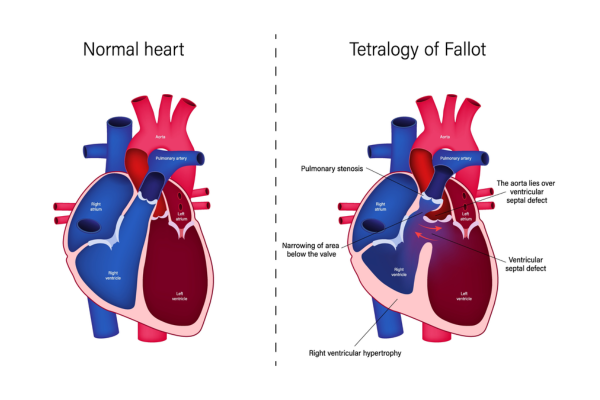
Common Neonatal Cardiac Pathologies

Ethical and Professional Considerations
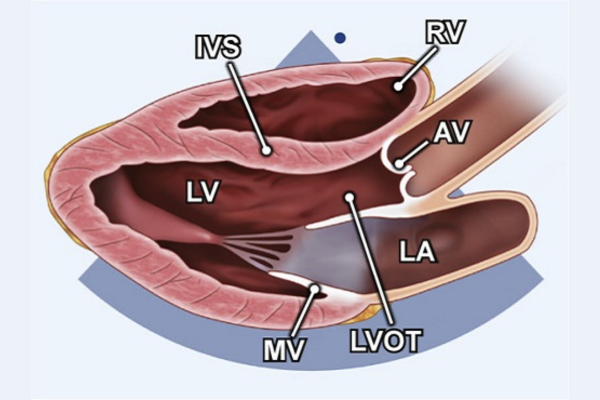
Parasternal Window
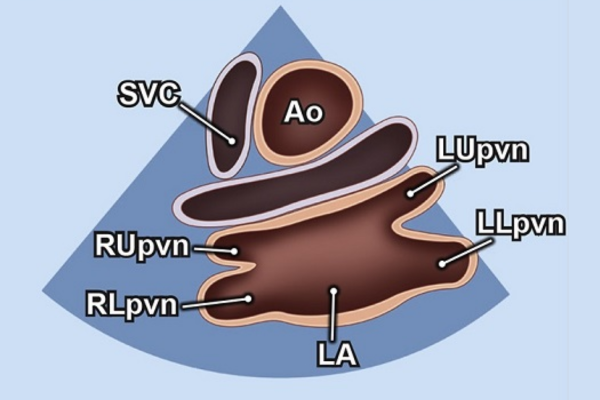
Suprasternal Window
Key Features
- Attending /Non-Attending Classes
- Free Study Material with recorded lectures
- Best Faculties (Super Specialists) of India
4. Library Access & Question & Answer Session
5. 1 Year of Mentorship
6. Updated Curriculum
Course Curriculum
- Fetal circulation and transition at birth.
- This will involve both structural and functional development of the heart.Structural and functional development of the heart.
- Normal physiology of the cardiovascular system in the newborn.
- The physics and instrumentation of ultrasound.
- Imaging techniques: 2D, M-mode, Doppler (Color, Pulse, Continuous)
- Neonate echocardiographic views.
- Assessment and interpretation of hemodynamics
- Left and Right Ventricular Function.LVFRt.
- Evaluation of blood flow in systemic circulation and cardiac output
- Common Acyanotic and Cyanotic heart defects (ASD, VSD, PDA, TOF, TGA)
- Echocardiography in the diagnosis and differentiation.
- Pre- and post-operative care using echo.
- Furthermore, T. Doppler imaging and strain analysis were used.
- 3D-echo in babies.
- Discuss emerging imaging techniques and their applications.Discuss newer imaging modalities and their applications.
- Persistent Pulmonary Hypertension of the Newborn (PPHN)
- Pericardial effusion, tamponade and cardiac failure
- Shock evaluation and management guidelines
- Point of care echocardiography (POCUS) protocols
- Appropriate decisions made based on echo findings
- Assessment/Monitoring in the NICU (serial assessments)
- Special cardiac physiology in pre-term infants.
- The diagnostic and monitoring of patent ductus arteriosus (PDA):Diagnosis and monitoring of patent ductus arteriosus (PDA):
- Blood flow and cerebral perfusion in preterms.
- Interactions of the lungs and the heart in neonatal respiratory distress
- Effect of mechanical ventilation on cardiac function.Effects of mechanical ventilation on the cardiac function.
- During the respiratory support, echocardiographic assessment should be performed.
- Inotropic, vasopressor and prostaglandin effects.
- Remind children to let you know if treatment is working for them.
- Assess the cardiac side effects of NICU drugs.
- Post-cardiac surgery evaluation
- The recognition of residual lesions, effusions and shunts
- The process of monitoring and planning for future activities that follow in sequence.
- Repeat results of arrhythmias (e.g. SVT, AV block)
- Structural causes of rhythm disturbances
- The use of echo for electrophysiologic evaluation.Using Echo for electrophysiologic evaluation.
- Trisomy 21 (Down syndrome), DiGeorge syndrome are syndromic heart diseases in which echo is involved.
- Screening and surveillance measures
- Multidisciplinary management perspectives
- Knowledge of basic telemedicine in neonatal echo.
- Photography for distance exam.
- Workflow integration and ethical/legal aspects.
- Basic anatomy and physiology of the fetal heart
- Congenital heart defects prenatal diagnosis
- Adoption of fetal echo results in postnatal planning
- Sepsis-related myocardial dysfunction
- Cardiac symptoms of metabolic and endocrine diseases
- In multi-organ dysfunction syndrome (MODS) Echo is used.
- Cardiac function after therapeutic hypothermia.
- The hemodynamic effects of surfactant therapy.
- Cardiovascular support (ECMO and echo)
- Diagnostic algorithms and staging with echo
- A risk stratification system and serial monitoring.
- Treatment for vasodilation and oxygenation methods
- Follow up imaging of infants with repaired, or changing, cardiac lesions
- Functional assessment of early infant and childhood.
- The role of echo in neurodevelopmental surveillance.
- Congenital anomalies of this nature are considered complex and include such conditions as HLHS or TAPVR.
- Myocarditis, coronary artery anomalies and endocarditis
- Confirm findings in tumors of the neonatal period (e.g. rhabdomyoma)
- Case-based interactive training in echo simulation.
- SICIs (Structured Image Criticism and Interpretation sessions) will be held.
- Developing pattern recognition and diagnostic confidence.
- Assessment of systemic perfusion and organ blood flow, such as renal, cerebral)
- Doppler examinations of the major vessels including SVC flow, celiac and renal arteries.
- Analysis of integration of echo in systemic circulation.
- Interpretation and technical errors that are frequently encountered.
- The following measures should be taken to prevent or reduce diagnostic inaccuracies:
- The distinction between artefacts and true disease
- When MRI vs. CT or angiography might be an option.
- There is correlation between echocardiographic findings and other modalities.
- Imaging in cases that are borderline or inconclusive.
- Standards for echo lab operations and reporting.
- The quality control and supervision systems are internal and external.
- Performing audits and performance reviews of neonatal echo services.
- Coordination with Pediatric Cardiology, Cardiac Surgery and Genetics
- Case-based interdisciplinary meetings
- Communication Processes for Family Centered Care
- Adapting echoes in low resource and rural environments
- Providing non-physician providers with basic functional echo training
- Neonatal cardiac care – global health challenges and solutions.
- Ethics in the diagnostic decision-making process.
- Cultural sensitivities around cardiac diagnoses and interventions
- Identifying and preventing medico-legal risks and documentation best practices
Fill Form Our Team Will Contact Soon
Choose medicalglobalacademy as your trusted partner for medical education and elevate your expertise to new heights.
Frequently Asked Questions
To apply, visit the course page of your interest and click on the ‘Apply Now’ button. Follow the instructions to complete your application. You may need to submit relevant documents and a resume.
Yes, all our courses are accredited by recognized medical and educational institutions. Details of accreditation can be found on each course page.
Yes, we offer a variety of online courses to provide flexibility for our students. Check the course descriptions for information on whether a course is available online.
You can contact our support team via email at support@medicalglobalacademy.com or call us at [+919310027474]. Our support team is available Monday to Friday from 9 AM to 6 PM.
Which Post-MBBS Course Format Is Right for You?
Answer three quick questions and we'll match you to the format that fits your goals — Certificate, PG Diploma, or Fellowship.