
Medical Fellowship in Oncopathology
Advance your expertise in cancer diagnostics with the Medical Fellowship in Oncopathology at Medical Global Academy (MGA). Designed for medical professionals, this clinically focused fellowship provides comprehensive training in histopathology, molecular pathology, and precision oncology. Through evidence-based learning, structured clinical exposure, expert faculty guidance, LMS access, CPD certification, and one year of mentorship, participants develop the knowledge and diagnostic skills required to accurately evaluate complex malignancies and support personalized cancer care.
Batch starts on
Jan to Dec/ May to June
Course Duration
12 Months
Multimodal Program
Hybrid Mode & Clinical Attachment
Flexible payment
financing options available
Medical Fellowship in Oncopathology Overview
The Medical Fellowship in Oncopathology at Medical Global Academy (MGA) is an advanced training program designed for medical professionals seeking specialized expertise in cancer pathology and modern diagnostic oncology. The fellowship provides a comprehensive understanding of tumor biology, histopathological evaluation, molecular diagnostics, and precision medicine, preparing participants to accurately diagnose and classify a wide range of malignant diseases.
The curriculum combines comprehensive academic learning with structured clinical exposure, enabling participants to strengthen their diagnostic reasoning while developing expertise in surgical oncopathology, immunohistochemistry, molecular pathology, and genomic medicine. Participants gain a systematic understanding of cancer diagnosis, biomarker interpretation, tumor grading, staging, and evidence-based reporting that supports effective treatment planning and multidisciplinary cancer care.
The program also introduces advanced diagnostic technologies used in contemporary oncopathology, including immunohistochemistry (IHC), fluorescence in situ hybridization (FISH), polymerase chain reaction (PCR), next-generation sequencing (NGS), liquid biopsy, digital pathology, and artificial intelligence applications in cancer diagnostics. Participants learn how these technologies contribute to precision oncology, personalized treatment strategies, and improved patient outcomes.
A strong emphasis is placed on multidisciplinary collaboration, allowing participants to understand the role of pathology within oncology teams, tumor board discussions, and integrated cancer management. Through case-based learning, research-oriented education, and expert mentorship, participants develop the clinical confidence required to interpret complex pathological findings while supporting evidence-based cancer diagnosis.
Participants also benefit from LMS-based learning, CPD certification, and one year of expert mentorship, ensuring continuous academic support and professional development beyond the duration of the fellowship.
Skills You Will Develop in the Fellowship in Oncopathology
Throughout the Fellowship in Oncopathology, participants strengthen their expertise across key areas of cancer diagnostics and pathology, including:
- Understanding tumor biology, carcinogenesis, and the principles of oncopathology.
- Histopathological evaluation and classification of benign and malignant tumors.
- Interpretation of immunohistochemistry (IHC) and molecular pathology investigations.
- Clinical application of advanced diagnostic technologies, including NGS, FISH, PCR, liquid biopsy, and digital pathology.
- Tumor grading, staging, prognostic marker evaluation, and biomarker interpretation.
- Diagnostic evaluation of breast, lung, gastrointestinal, hematological, genitourinary, and gynecological malignancies.
- Fundamentals of precision oncology, targeted therapies, and cancer genomics.
- Artificial intelligence and digital innovations in modern pathology practice.
- Case-based learning, multidisciplinary tumor board participation, and evidence-based diagnostic decision-making.
- Research methodology, scientific data interpretation, ethical pathology practice, and effective multidisciplinary communication.
Career Opportunities After the Oncopathology Fellowship
The increasing adoption of precision medicine and molecular diagnostics has created significant demand for professionals with specialized expertise in oncopathology. Completing the Medical Fellowship in Oncopathology strengthens your clinical profile and prepares you for advanced opportunities across diagnostic, academic, and research settings.
After completing the program, participants may explore opportunities in:
- Cancer hospitals and comprehensive oncology centers.
- Histopathology and molecular pathology laboratories.
- Surgical Oncopathology departments.
- Precision oncology and genomic medicine programs.
- Multispecialty hospitals and diagnostic laboratories.
- Academic medical institutions and pathology teaching departments.
- Clinical research, translational medicine, and cancer genomics projects.
- Multidisciplinary oncology teams working alongside oncologists, surgeons, radiologists, and molecular scientists.
- Healthcare innovation, pathology consultation, and advanced cancer diagnostics.
Whether you are looking to specialize in Fellowship in Onco Pathology, strengthen your expertise in Surgical Oncopathology, or pursue one of the leading Oncopathology Fellowships in India, this program provides the clinical knowledge, diagnostic expertise, and professional development needed to excel in modern cancer pathology.
What you'll learn
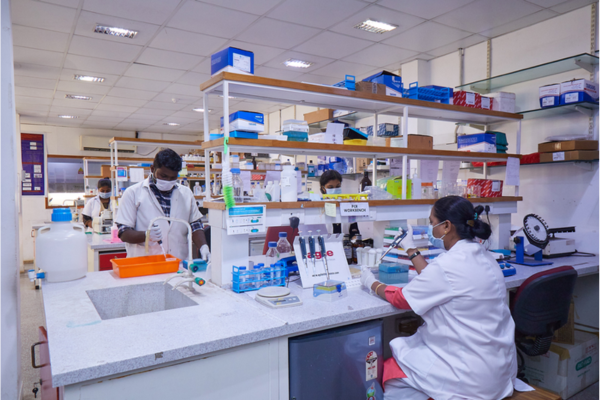
Introduction to Oncopathology
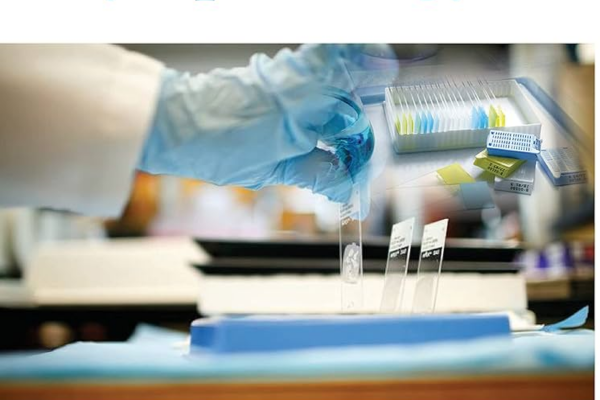
Histopathological Techniques

Tumor Types and Their Pathological Features

Diagnostic Criteria and Reporting
Molecular Pathology and Genomics

Clinical Correlation and Multidisciplinary Approach
Key Features
- Attending /Non-Attending Classes
- Clinical Training in Nearest Hospital/Clinics.
- Free Study Material with recorded lectures
- Best Faculties (Super Specialists) of India
5. Library Access & Question & Answer Session
6. NAAC A+ University
7. 1 Year of Mentorship
8. Updated Curriculum
Course Curriculum
- Summary of Oncopathology: History, range and changing role in cancer diagnosis.
- Fundamentals of Cancer Biology: Cellular changes, genetic mutations and tumor microenvironment.
- Tumor Classification: Histological, molecular and genetic classification systems.
- Oncology Terminology: Major terms and names used in oncopathology.
- Tumor Grading and Staging principles: TNM system, prognostic indicators.
- Tumor Histopathology: Histological characteristics of typical malignancies ( lung, breast, gastrointestinal, hematologic).
- Cellular Patterns of Malignant Tumors: Cytological alterations in malignant cells, mitosis, necrosis and invasion.
- Special Staining Techniques: H&E, PAS, trichrome, and special stains that can be used to diagnose a specific type of cancer.
- Immunohistochemistry (IHC): Tumor diagnosis, interpretation of IHC markers of tissue of origin, and receptor status.
- Tumor Microenvironment: The importance of stroma, vasculature and immune cells to tumor progression.
- Genomic Alterations in Cancer: mutations, gene rearrangements, amplifications, deletions, and their diagnostic implications.
- Next-Generation sequencing (NGS): Principles, uses, and interpretation in cancer.
- Fluorescence In Situ Hybridization (FISH): Uses in the diagnosis of chromosomal abnormalities.
- Polymerase Chain Reaction (PCR): Applications in the identification of particular gene mutations and molecular markers.
- Liquid Biopsy: Circulating tumor DNA (ctDNA) and its use in cancer monitoring.
- Breast Cancer Pathology: Histological subtypes, molecular classification, hormone receptors, HER2/neu, and prognostic markers.
- Gastrointestinal Malignancies: Colorectal cancer, gastric, pancreatic and liver cancers – pathology, molecular markers and staging.
- Lung Cancer: NSCLC histopathology, small cell lung cancer, and molecular profiling.
- Hematologic Malignancies Leukemias, lymphoma, and myeloma; histopathology, cytogenetics, and molecular aspects.
- Gynecologic Tumors: Endometrial, ovarian, and cervical cancer; pathology and molecular markers.
- Oncopathology Artificial Intelligence: Image analysis, diagnostic performance, and automated interpretation.
- Digital Pathology: Virtual microscopy, telepathology, whole slide imaging.
- Molecular Imaging Techniques: PET scans, CT, MRI and their application in oncopathology diagnostics.
- Biomarkers in Cancer: Current and emerging biomarkers in diagnosis, prognosis, and treatment response.
- Artificial Intelligence and Deep Learning: Application in cancer diagnostics, images recognition, and predictive modeling.
- Cancer Genomics and Precision Oncology: Genetic and Genomic Profiling – Use in treatment decision-making, e.g. targeted therapies, immunotherapies.
- Predictive and Prognostic Biomarkers: Evaluation of biomarkers in treatment and clinical outcome.
- Immunohistochemistry and Molecular Subtyping: Tumor testing of HER2, EGFR, ALK, PD-L1, and other molecular markers to select treatment.
- Oncology Therapy and Resistance Mechanisms: The responses and resistance to therapy in tumors.
- Precision Oncopathology Case Studies: How to understand complex cases and use molecular discoveries to make clinical decisions.
- Practical Case Analysis: A wide range of exposure to cancer cases, including unusual and complicated tumors.
- Case-based Learning: Multidisciplinary teams, weekly tumor board conferences with pathologists, oncologists, and multidisciplinary teams.
- Autopsy and Postmortem Pathology: Oncopathology Role in postmortem diagnosis and cancer related death.
- Research and Diagnostic Innovations: Fellows will report on their own research in oncopathology.
- Interdisciplinary Tumor Board Involvement: Multidisciplinary tumor boards with oncologists, surgeons and radiologists.
- Research Design Oncopathology: The design, data collection, and ethical aspects of an oncological study.
- Statistics in Pathology: The use of statistics in analyzing oncological data.
- Dissertation and Research Paper: Fellows will prepare and carry out a research project on an issue of interest in oncopathology.
- Presentation and Defense: Making the research findings present before a committee of experts.
- Publication and Peer Review: Advice on how to submit research results to reputable medical journals.
- Multi-disciplinary Clinical Rounds: Fellows will attend daily/weekly Clinical Rounds with oncologists, surgeons, radiologists, and geneticists.
- Patient Interaction and Family Counseling: Understanding how to report complex oncological diagnoses to patients and their families.
- Ethics in Oncopathology: Finding your way through the ethical dilemmas of cancer diagnosis, genetic counseling and therapeutic interventions.
- Onward Professional Development: Participation in on-going education by taking seminars, webinars and international conference attendance on oncopathology.
- Molecular Diagnostics in Solid Tumors: PCR, NGS, and FISH to identify the most important genetic mutations, chromosomal abnormalities and driver mutations.
- Liquid Biopsy Technologies: ctDNA, miRNA and exosomes as diagnostic and prognostic in cancer management.
- Targeted Therapy and Companion Diagnostics: Discovering therapeutic targets like EGFR, ALK, BRAF and PD-L1 and matching them with molecular testing.
- Cancer Immunotherapy: Immune checkpoint inhibitors, CAR-T Therapies and immunotherapy response predictive biomarkers.
- Pharmacogenomics in Oncology: Oncology Pharmacogenomics Oncology Pharmacogenomics evaluates genetic predispositions to drug responses and resistance during oncology treatments.
- Tumor Clonal Evolution: How cancers evolve at both cellular and molecular scales and what is the contribution of genetic instability?
- Intratumoral Heterogeneity: Therapy resistance mechanisms and the role of clonal heterogeneity in tumor recurrence and metastasis.
- Pathophysiology of Metastasis: Metastasis mechanisms, such as EMT (epithelial-mesenchymal transition) and important genes.
- Tumor Microenvironment and Immune Escape: The part of the immune system in tumor progression and immune escape strategies adapted by cancer cells.
- Single-Cell Sequencing: Methods and uses of single-cell sequencing to investigate tumor heterogeneity and microenvironment.
- Epigenetics in Cancer Introduction: The role of DNA methylation, histone modification, and non-coding RNA in oncogenesis.
- RNA Modifications and Cancer: The RNA modifications (m6A, pseudouridine) are involved in cancer progression and resistance to therapy.
- Chromatin Remodeling in Cancer: Chromatin Dynamics and their role in cancer cell proliferation and metastasis.
- Cancer Stem Cells and Epigenetic Reprogramming: Epigenetic roles in cancer stem cell behavior, resistance to therapy, and relapse.
- Treatment of Epigenetic alterations Targeting Epigenetic Pathways: Therapeutic intervention of epigenetic alterations and its clinical use.
- Pathology Introduction AI and ML Introduction AI and ML The principles of artificial intelligence and machine learning, and their application to pathology.
- Deep Learning in Image Analysis: Image recognition, tumor detection, and grading in histopathology images.
- AI-Driven Diagnostics: AI tools in molecular diagnostics, genomic data interpretation, and workflow automation in pathology labs.
- Predictive Models of Cancer Prognosis: Machine learning algorithms predict patient outcomes using histopathological and molecular data.
- Ethical and Legal Aspects of AI in Oncopathology: How to deal with the ethical issues, data privacy, and legal regulations surrounding AI in cancer diagnostics.
Our Accrediation Partners

Fill Form Our Team Will Contact Soon
Choose medicalglobalacademy as your trusted partner for medical education and elevate your expertise to new heights.
Frequently Asked Questions
To apply, visit the course page of your interest and click on the ‘Apply Now’ button. Follow the instructions to complete your application. You may need to submit relevant documents and a resume.
Yes, all our courses are accredited by recognized medical and educational institutions. Details of accreditation can be found on each course page.
Yes, we offer a variety of online courses to provide flexibility for our students. Check the course descriptions for information on whether a course is available online.
You can contact our support team via email at support@medicalglobalacademy.com or call us at [+919310027474]. Our support team is available Monday to Friday from 9 AM to 6 PM.
Which Post-MBBS Course Format Is Right for You?
Answer three quick questions and we'll match you to the format that fits your goals — Certificate, PG Diploma, or Fellowship.