FELLOWSHIP IN ORTHOPEDIC ONCOLOGY
Explore the Fellowship in Orthopedic Oncology with our practical-based Postgraduate Diploma program. Designed for medical professionals aiming to excel in diagnostics, this course provides clinical training and expert guidance, equipping you with the skills needed to specialize in the diagnosis and treatment of bone and soft tissue tumors.
Batch starts on
Jan to Dec/ May to June
Course Duration
12 Months
Multimodal Program
Hybrid Mode & Clinical Attachment
Flexible payment
financing options available
Program Overview
MGA Medical Global Academy’s Orthopedic Oncology Fellowship is an advanced clinical fellowship for surgeons and physicians interested in pursuing a career in musculoskeletal tumor management. This well-organized program focuses on practical aspects of clinical decision-making, surgical strategy and multidisciplinary management in orthopedic oncology. This program offers a well-rounded mix of classroom instruction and clinical practice that allows fellows to gain proficiency in the diagnosis and treatment of benign and malignant bone and soft tissue tumors. The program covers the entire spectrum of orthopedic oncology care, from initial consultation and interpretation of imaging studies to biopsy and tumor excision, limb preservation strategies and rehabilitation. Emphasis is placed on incorporating contemporary treatment strategies, such as limb-salvage procedures, endoprosthetic reconstructions, and collaboration with medical and radiation oncologists. Attendees are taught how to handle complex oncologic cases through a multi-disciplinary approach working with radiology, pathology, oncology, and rehabilitation specialists.
What You Gain from This Fellowship
Thorough understanding of the biology, staging, and oncologic principles of musculoskeletal tumors
Clinical experience with bone tumors, soft tissue sarcomas, and metastatic bone disease
Clinical experience in biopsy, surgery and limb-salvage procedures
Guidance from senior orthopedic oncologists and oncologists from other disciplines
Knowledge of reconstruction options such as endoprosthetics and rehabilitation
Understanding of a multidisciplinary cancer treatment approach including chemotherapy, radiotherapy and palliative care
How This Fellowship Transforms Your Practice
This orthopedic oncology fellowship will propel your clinical career and broaden your horizons in a highly rewarding subspecialty:
Confidence to treat complex bone and soft tissue tumors
Surgical planning and multidisciplinary management skills
Greater legitimacy in oncologic practice of orthopedic surgery
Growth in patient referrals for oncologic orthopedic issues
Chance to build more lucrative oncologic surgery practice
Opportunity to transform general orthopedic practice into an oncology-focused career
What you'll learn
Introduction to Orthopedic Oncology
Surgical Techniques and Approaches
Multidisciplinary Management
Advanced Imaging and Diagnostics
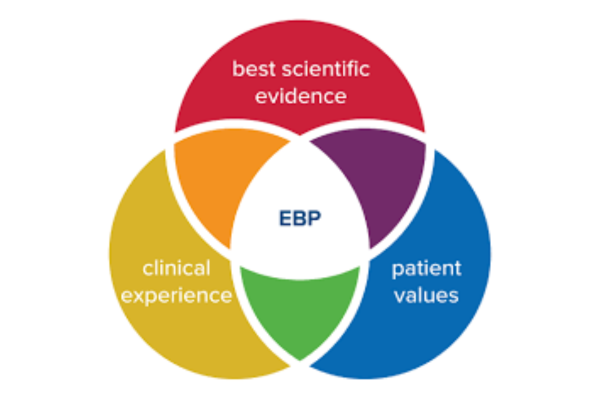
Research and Evidence-Based Practice
Pediatric Orthopedic Oncology
Key Features
- Attending /Non-Attending Classes
- Practical Training in Nearest Hospital/Clinics.
- Free Study Material with recorded lectures
- Best Faculties (Super Specialists) of India
5. Library Access & Question & Answer Session
6. NAAC A+ University
7. 1 Year of Mentorship
8. Updated Curriculum
Course Curriculum
- Introduction to musculoskeletal tumors: benign and malignant
- Incidence and classification of bone and soft tissue tumors
- Surgery of tumors: margin control, reconstruction and rehabilitation
- Fundamentals of molecular biology and genetics of tumor development
- Pathophysiology of musculoskeletal tumors
- Work-up and staging of musculoskeletal tumors
- The role of a multidisciplinary team in orthopedic oncology
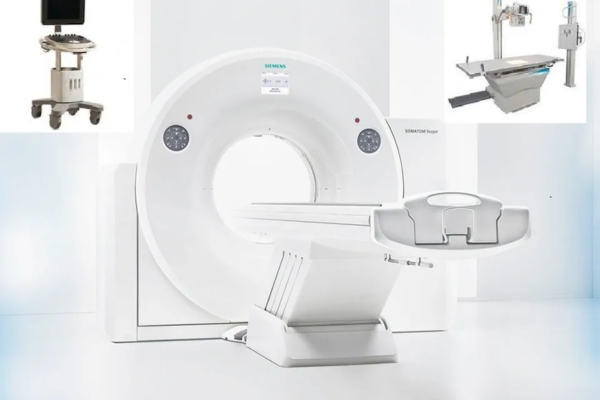
- Imaging studies: X-ray, MRI, CT and PET scans
- Biopsy: types, techniques, and biopsy results
- Radiological staging and tumor localization
- Interventional radiology in the diagnosis and treatment of tumors
- Use of molecular imaging techniques
- Techniques for limb salvage surgery
- Methods of wide/local excision of primary bone and soft tissue tumors
- Management of metastatic bone disease
- Reconstruction options: endoprosthetics, autografts, allografts, and free bone flaps
- Limb salvage vs. amputation: when and why
- Minimally invasive and robotic surgery
- Intraoperative detection of the tumor and margin control
- Soft tissue tumors: benign and malignant
- Surgical aspects of soft tissue sarcomas removal
- Soft tissue reconstruction: myocutaneous flaps, muscle transfer and prosthesis
- Radiation and chemotherapy in the treatment of soft tissue tumors
- Care after surgery and complications of soft tissue reconstruction
- Pediatric musculoskeletal tumors: special considerations
- Treatment of pediatric bone sarcomas (Ewing’s, osteosarcoma)
- Reconstruction in pediatric oncology patients
- Limb salvage in children and function
- Follow up and secondary cancer surveillance in patients treated in childhood
- Pathophysiology of bone metastases
- Treatment strategies for primary cancers that metastasize to bone (breast, prostate, lung, etc.)
- Surgery for metastatic bone tumors: when and how
- Systemic and radiation therapy in metastatic bone tumors
- Palliative treatment for metastatic bone tumors
- Prophylactic approaches in metastatic disease
- Radiation therapy of musculoskeletal tumors
- External radiation before, during and after surgery
- Stereotactic radiation therapy and brachytherapy
- Toxicity and complications from radiation therapy
- Multidisciplinary approach in radiation treatment planning
- Chemotherapy for bone and soft tissue tumors
- Emerging trends in immunotherapy and targeted therapies in orthopedic cancer
- Multidisciplinary approach to treatment: surgery, chemotherapy, and radiation
- Managing side effects of chemotherapy and immunotherapy
- Use of clinical trials and new therapeutic approaches in orthopedic oncology
- Technologies and innovations in bone and soft tissue reconstruction
- Use of 3D printing and personalised prosthetics in orthopedic oncology
- Rehabilitation approaches: physiotherapy, prosthetics and restoring function
- Pain relief and quality of life after surgery
- Impact of oncological conditions and surgery on a patient’s mental health and social well-being
- Emerging research and clinical trials
- Molecular markers and targeted therapy in cancer
- Gene therapy and stem cell therapy for bone and soft tissue tumors
- Translational research: bringing discoveries to the clinic
- Ethics and consent for clinical trials
- Communication and teamwork with the multidisciplinary team
- Ethical considerations and advocacy for patients with cancer
- Treatment of recurrent and advanced disease
- Palliative care in orthopedic oncology
- Psychosocial care for patients and families
- Clinical experience in orthopedic oncology departments
- Participation in patient care, from diagnosis to after surgery
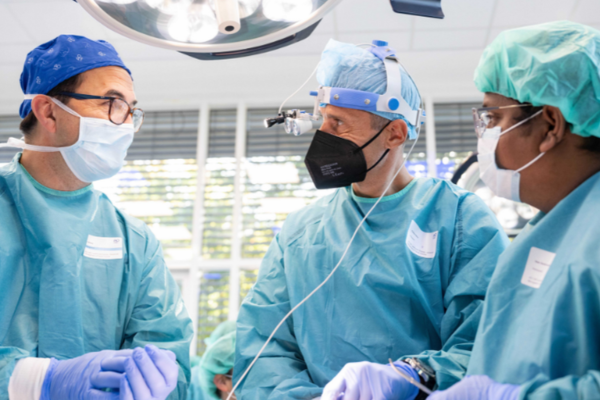
- Surgical observation and assistance with senior orthopedic oncologists
- Weekly case presentations, tumor board and journal club meetings
- Collaboration in clinical and laboratory research related to orthopedic oncology
- Detailed learning of musculoskeletal tumor pathology
- Grading and classification of bone and soft tissue tumors
- Immunohistochemistry and molecular pathology techniques
- Pathology’s role in diagnosis, prognosis and treatment
- Examples of unusual and challenging orthopedic tumors
- Working with pathologists in tumor board meetings
- Biomechanics of limb salvage prosthetics
- Personalised prostheses and orthotics for post-resection patients
- Rehabilitation biomechanics post-surgery
- Treatment of complex musculoskeletal deformities after tumor resection
- Innovations in robotic surgery and prosthetics to save limbs
- Prosthetics and functional outcomes and quality of life
- Pain management for cancer patients
- Pain management techniques (medications and non-pharmacological interventions)
- Team approach to pain management (anesthetists, psychologists, etc.)
- Approaches to treating neuropathic and phantom limb pain
- Application of new procedures such as nerve blocks, spinal cord stimulation, palliative care procedures
- Psychosocial issues in pain and pain management in cancer
- Treatment of musculoskeletal tumors in the elderly
- Physiological changes and their effect on treatment strategies
- Treatment options for older patients with cancer
- Bone health and osteoporosis in elderly cancer patients
- Geriatric cancer care, frailty assessment and rehabilitation
- Pain, function, and palliative care in the elderly with musculoskeletal tumors
- Pharmacodynamics and pharmacokinetics of chemotherapies
- New systemic therapies in orthopedic oncology: monoclonal antibodies, tyrosine kinase inhibitors
- Personalized medicine for musculoskeletal tumors: chemosensitivity testing
- Hormonal, immunotherapy and targeted therapies as part of regimens
- Management of side effects of systemic cancer therapies
- Integration of systemic therapies with surgery and radiation treatment
Our Accrediation Partners
Fill Form Our Team Will Contact Soon
Choose medicalglobalacademy as your trusted partner for medical education and elevate your expertise to new heights.
Frequently Asked Questions
To apply, visit the course page of your interest and click on the ‘Apply Now’ button. Follow the instructions to complete your application. You may need to submit relevant documents and a resume.
Yes, all our courses are accredited by recognized medical and educational institutions. Details of accreditation can be found on each course page.
Yes, we offer a variety of online courses to provide flexibility for our students. Check the course descriptions for information on whether a course is available online.
You can contact our support team via email at support@medicalglobalacademy.com or call us at [+919310027474]. Our support team is available Monday to Friday from 9 AM to 6 PM.