
FELLOWSHIP IN OTOLOGY
Explore the Fellowship in Otology with our practical-based Postgraduate Diploma program. Designed for medical professionals eager to excel in diagnostics and treatment, this course provides clinical training and expert guidance, equipping you with advanced skills in the diagnosis and management of ear disorders.
Batch starts on
Jan to Dec/ May to June
Course Duration
12 Months
Multimodal Program
Hybrid Mode & Clinical Attachment
Flexible payment
financing options available
Fellowship in Otology
MGA Medical Global Academy’s Fellowship in Otology is a program for medical practitioners who wish to gain expertise in the diagnosis, treatment, and surgical treatment of ear disorders. This is a highly focused course that builds on ENT education and specialises in precision otology – integrating clinical diagnosis, audiological science, and microsurgical practice into a single, progressive education program. The fellowship equips you to manage everyday problems, such as chronic otitis media and hearing loss, as well as complex pathologies, including cholesteatoma, vestibular dysfunction and cochlear implants. Rather than focusing on isolated ear conditions, the program combines medical management, surgical treatment and post-surgical auditory rehabilitation to provide holistic, patient-focused care. This program mirrors real-world clinical practice, where diagnosis, clinical decision-making and treatment overlap. You build skills from core principles such as anatomy of the ear and physiology of hearing, to practical skills such as audiometry, otoscopy, and complex surgical skills.
Key areas of focus include:
Complex otological assessments such as audiometry, tympanometry, ABR, vestibular assessment
Microsurgical techniques including tympanoplasty, mastoidectomy and ossicular reconstruction
Treatment of chronic ear conditions such as cholesteatoma and infections
Cochlear implants and complete hearing rehabilitation programs
Management of vestibular diseases such as vertigo and dizziness
Pediatric otology (congenital hearing loss, early intervention programs)
So the objective is for you to feel confident by the end of this fellowship to assess, diagnose and treat a wide variety of otologic pathology with clinical and surgical expertise.
How This Fellowship Transforms Your Practice
As you begin to apply advanced principles of otology in practice, your practice becomes more systematic, evidence-driven and results-oriented. You progress from symptom-driven to accurate diagnosis with audiological and radiology findings.
This is evident in:
Enhanced diagnostic skills using state-of-the-art hearing and balance tests
Microsurgical and minimally invasive ear surgery skills
Capability to treat common ENT and challenging otological cases
Improved outcomes with a multidisciplinary approach to medical, surgical and rehabilitative management
Greater empowerment as an ear and hearing subspecialist
This greatly increases your value and enables you to take on more complex and high-impact cases.
Where This Fellowship Positions You
Upon graduation, you position yourself in a highly sought-after subspecialty which is increasingly important with the rising awareness of hearing impairment and development of hearing technologies.
Career pathways include:
Positions in multi-specialty hospitals and ENT and otology hospitals
Subspecialty practice in ear surgery, hearing rehabilitation and cochlear implants
Specialization in pediatric otology, neurotology or vestibular medicine
Teaching and training in academic positions and otologic research
Developing a specialty practice in advanced ear diagnostics and surgery
From a practical standpoint, you move from general E.N.T. management to provide highly focused and precise otologic care, and managing anything from simple hearing problems to complex surgical and rehabilitation management with ease.
What you'll learn
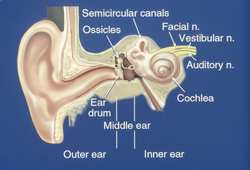
Introduction to Otology

Infectious and Inflammatory Ear Diseases
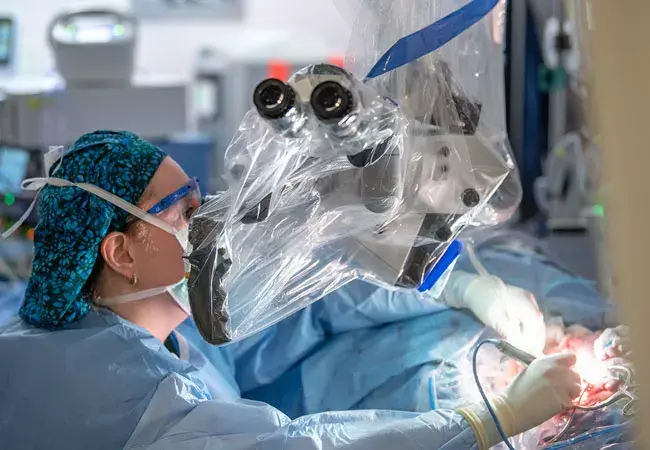
Surgical Techniques in Otology

Vestibular Disorders
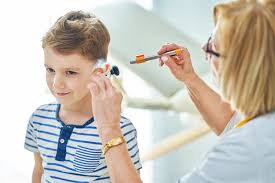
Pediatric Otology

Otology Treatment
Key Features
- Attending /Non-Attending Classes
- Clinical Training in Nearest Hospital/Clinics.
- Free Study Material with recorded lectures
- Best Faculties (Super Specialists) of India
5. Library Access & Question & Answer Session
6. NAAC A+ University
7. 1 Year of Mentorship
8. Updated Curriculum
Course Curriculum
- Advanced temporal bone anatomy
- Embryology of the ear
- Clinical examination in otology
- Hearing anatomy and physiology
- Anatomy and physiology of hearing
- Pure tone audiometry
- Tympanometry and acoustic reflex testing
- Auditory brainstem response (ABR)
- Otoacoustic emissions (OAEs)
- Vestibular and balance testing
- Interpretation of audiological tests and results
- Management of acute and chronic otitis media
- Treatment of hearing loss (conductive and sensorineural)
- Tinnitus management
- Pharmacology in otologic care
- Non-surgical treatment of vertigo and balance disorders
- Treatment of ear infections in kids and adults
- Stapedectomy and stapedotomy
- Tympanoplasty and myringoplasty
- Mastoidectomy and cochlear implantation
- Functional endoscopic sinus surgery (FESS) for otology
- Laser surgery in otology
- Micro-surgery with the operating microscope
- Treatment of cholesteatoma
- Criteria for cochlear implantation
- Cochlear implant surgery and programming
- Auditory rehabilitation and therapy after surgery
- Hearing aids and assistive listening devices
- Multidisciplinary approach to auditory rehabilitation
- Case studies and patient management
- Meniere’s disease
- Benign paroxysmal positional vertigo (BPPV)
- Vestibular migraine and labyrinthitis
- Surgical treatment of vestibular disorders
- Vestibular rehabilitation therapy (VRT)
- Tests and radiology for vestibular disorders
- Congenital hearing loss and genetic testing
- Cochlear implants and hearing rehabilitation in kids
- Childhood ear infection (otitis media) and treatment
- Tympanoplasty and myringotomy in children
- Childhood balance dysfunction and dizziness
- Planning and executing clinical research in otology
- Review of the recent literature and developments
- New technology in otology (e.g., gene therapy, stem cell therapy)
- Multicenter clinical trials
- Ethical issues in otology
- Research presentation at conferences and in journals
- Hearing loss and otology around the world
- Otology in resource-poor settings
- Community-based hearing health programs
- Raising awareness of ear health
- Health promotion and early detection of ear diseases
- Treatment of tympanic membrane perforations
- Injuries to the external ear and middle ear
- Temporal bone fracture: diagnosis and management
- Care of facial nerve injuries in otologic trauma
- Acute management of sensorineural hearing loss
- Post-traumatic rehabilitation and follow-up care
- Gene therapy for hearing restoration
- Improvements in cochlear implants
- Artificial intelligence and machine learning in audiology
- Stem cell and regenerative medicine for hearing loss
- 3D printing in otology
- Novel drug therapies for hearing loss
- Pathophysiology of cholesteatoma
- Surgery for cholesteatoma: Challenges and strategies
- Chronic ear infections and middle ear pathologies
- Managing chronic ear infections
- After surgery: avoiding recurrence
- Complex ear disease: multidisciplinary approach
- Histopathology of the external, middle and inner ear
- Molecular diagnostics in ear diseases
- Immunohistochemistry in ear disorders
- Pathology of ear tumors and cancers
- Biomarkers for hearing and balance disorders
- Laboratory methods of studying ear diseases
- Treatment of acoustic neuromas
- Vestibular schwannoma: surgical and non-surgical treatment
- Treatment of inner ear pathologies causing dizziness and hearing loss
- Skull base surgery: approaches and techniques
- Skull base surgery: approaches and techniques
- New imaging methods for skull base disease
- Techniques and management of childhood cochlear implantation
- Early hearing detection and intervention (EHDI)
- Auditory-verbal therapy and rehabilitation for children
- Evaluation and treatment of congenital hearing loss
- Childhood speech and language in hearing loss
- Parent counselling and support for children with hearing loss
Our Accrediation Partners


Fill Form Our Team Will Contact Soon
Choose medicalglobalacademy as your trusted partner for medical education and elevate your expertise to new heights.
Frequently Asked Questions
To apply, visit the course page of your interest and click on the ‘Apply Now’ button. Follow the instructions to complete your application. You may need to submit relevant documents and a resume.
Yes, all our courses are accredited by recognized medical and educational institutions. Details of accreditation can be found on each course page.
Yes, we offer a variety of online courses to provide flexibility for our students. Check the course descriptions for information on whether a course is available online.
You can contact our support team via email at support@medicalglobalacademy.com or call us at [+919310027474]. Our support team is available Monday to Friday from 9 AM to 6 PM.