
FELLOWSHIP IN PATHOLOGY
Explore the Fellowship in Pathology at Medical Global Academy (MGA), designed for medical professionals seeking advanced knowledge in disease diagnosis and laboratory medicine. Through online training, clinical training and expert mentorship, strengthen your understanding of histopathology, diagnostic methods and modern pathology practice.
Batch starts on
Jan to Dec/ May to June
Course Duration
12 Months
Multimodal Program
Online Mode & Clinical Attachment
Flexible payment
financing options available
Fellowship in Pathology: Program Overview
The Fellowship in Pathology by MGA Medical Global Academy is a practice-based postgraduate course for MBBS and MD, MS doctors who want to get insightful knowledge on diagnostic pathology, lab medicine and disease analysis. The fellowship program is structured to include clinical training in the laboratory in the fields of histopathology, cytopathology, hematopathology, molecular diagnostics and digital pathology and is designed to last for 12 months. The emphasis of the program is on correct disease diagnosis, laboratory management, advanced diagnostic technologies, and evidence-based disease practices. Fellows receive extensive training in systemic pathology, immunohistochemistry, molecular oncology, genomic medicine, forensic pathology, paediatric pathology, dermatopathology, and research methodology and are thus well equipped for the future challenges of advanced diagnostic and academic careers in contemporary healthcare systems.
Skills You Will Gain
Understanding of the applications of histopathology techniques such as tissue processing, embedding, staining, microscopy and slide interpretation.
Knowledge of hematopathology, gastrointestinal pathology, pulmonary pathology, endocrine pathology, renal pathology and neuropathology.
A comprehensive background in molecular pathology, genomic medicine, cancer biomarkers, precision medicine and interpretation of liquid biopsies.
Awareness of digital pathology, pathology informatics, telepathology, AI and digital diagnostic data management systems.
Knowledge of the management of a laboratory, quality control, accreditation requirements, laboratory safety and optimization of diagnostic work flow.
Specialty training in Infectious disease, transplant, forensic, paediatric, dermatological and gynecological pathology.
Learning the diagnostic approach using clinicopathological correlation and multi-disciplinary analysis of cases.
Introduction to research methodology, evidence-based Pathology practice, scientific writing and publication skills.
Understanding of ethical, legal and medico-legal issues pertaining to pathology practice and laboratory medicine.
Career Outcomes After the Fellowship
Establish a successful career in diagnostic pathology, lab medicine and molecular diagnostics.
Practice in multi specialty hospitals, pathology labs, cancer centers, research institutes and academic medical centres.
Employment options in histopathology, hematopathology, cytopathology, molecular pathology, digital pathology and forensic pathology.
Correct diagnosis of disease and better clinical results by using advanced laboratory and diagnostic techniques.
Join clinical research studies, genomic medicine initiatives, cancer diagnostics and precision medicine.
Assist oncologists, radiologists, surgeons, physicians and multidisciplinary health care teams.
Keep abreast of the latest developments such as Artificial Intelligence diagnostics, molecular testing, genomic sequencing, and digital pathology systems.
Improve professional development in reporting pathology, leadership of the laboratory, academic teaching and evidence-based diagnostic practice.
What you'll learn

General Pathology and Laboratory Techniques
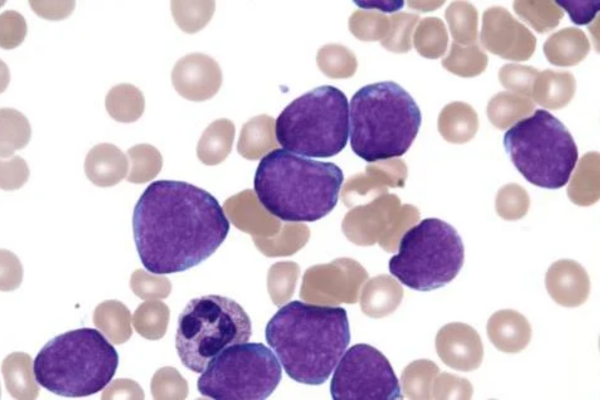
Hematopathology
Histopathology and Cytopathology

Clinical Pathology and Laboratory Management

Molecular Pathology and Genomics
Oncopathology
Key Features
1. Attending /Non-Attending Classes
2. Free Study Material with recorded lectures
3. Best Faculties (Super Specialists) of India
4. Library Access & Question & Answer Session
5. 1 Year of Mentorship
6. Updated Curriculum
Course Curriculum
- Pathology Overview: Introduction to the subject, the field, and its importance in health care today.
- Simple Histopathology Methods: Tissue processing: How to process tissues, Tissue embedding: How to embed tissues, Tissue staining: How to stain tissues and Microscopy: How to use a microscope.
- Cellular and Molecular Pathology: Introduction to cellular pathology and molecular pathology.
- Legal and Ethical issues in Pathology Practice.
- Pathology Informatics Introduction: Pathology data management, telepathology and digital slides.
- Hematopathology: Blood diseases, bone marrow diseases, lymph node diseases, and spleen diseases.
- Cardiovascular Pathology: Atherosclerosis, myocardial infarction, and cardiomyopathies are common cardiovascular diseases.
- Pulmonary Pathology: Pulmonary diseases are diseases of the lungs, neoplasms of the lungs, infectious diseases of the lungs and interstitial lung disease.
- Gastrointestinal Pathology: Pathology of the esophagus, stomach, intestines, liver, pancreas and biliary system.
- Renal and Genitourinary Pathology: Diseases of the kidneys, urethra, and male/female reproductive organs.
- Endocrine Pathology Diseases of thyroid, pancreas, adrenal glands and pituitary.
- Neuropathology: Principle and pathophysiology of the central and peripheral nervous systems.
- Immunohistochemistry (IHC): Techniques, methods and clinical applications.
- Flow Cytometry: Technology and application in hematopathology and oncology.
- Molecular Pathology: PCR, FISH and NGS principles and practice.
- Cytopathology: Techniques of evaluation of cytologic samples, such as pap smears, fine needle, aspiration (FNA), and body fluid.
- Diagnostic AI and Digital pathology: The use of artificial intelligence and digital tools.
- Autopsy Methods: Autopsy and the knowledge of forensic pathology.
- Molecular Oncopathology: Cancer genomics, liquid biopsy, and precision medicine.
- Infectious Disease Pathology Pathogenesis and laboratory diagnostics of viral, bacterial, fungal, and parasitic diseases.
- Transplant Pathology: Pathophysiology and diagnostics of graft rejection and adverse effects of organ transplantation.
- Pediatric Pathology: Pediatric specific diseases, including congenital anomalies, pediatric malignancies.
- Medicolegal and Forensic Pathology.
- Immunopathology: Autoimmune diseases, transplant immunology and immunosuppressive therapies.
- Clinical Pathology: Learning about pathology and its combining with clinical medicine.
- Laboratory Management: Best practice: laboratory accreditation, quality control and laboratory safety.
- Diagnostic Decision-Making: The associations between pathology results and clinical manifestations and patient outcomes.
- Molecular Diagnostics Laboratory Management: Operational, regulatory and technical management of a molecular diagnostics laboratory.
- Research Methodology in Pathology: Design and carry out research, interest in evidence-based medicine in pathology.
- Pathology Research Techniques: Grant writing, statistical analysis and experimental design.
- Pathology Teaching and Education: Efficient pathology education and mentoring in healthcare institutions.
- Publications and Dissemination of Research: Writing scientific papers, presentation at conferences, and contribution to the literature.
- Multidisciplinary Teams Collaborative Research: Cooperation with other fields of medicine, like oncology, radiology, and surgery.
- Recent Progress in Pathology Research: The new directions and discoveries of pathology in the recent past.
- Independent Research Project: Fellows will design, carry out, and present their work with guidance of faculty members.
- Case Study Presentations: Case presentation and peer discussions on complex clinical pathology cases, including theory and practice.
- Clinical and Academic Integration: Preparation of a complex clinical case or scholarly research paper that will be delivered at a symposium.
- Genomic Medicine in Pathology: The use of next-generation sequencing (NGS) and whole genome sequencing in the diagnosis of disease.
- Cancer Genomics Cancer biology of mutagenesis of cancer, biomarkers of targeted therapy and liquid biopsy.
- Infectious Diseases Molecular Testing: Current trends on molecular diagnostics of viral, bacterial, and fungal pathogens, and CRISPR-based diagnostics.
- Pharmacogenomics: The influence of genetic differences on drug reactions, dose and adverse reactions in patients.
- Diagnostic Biomarkers: The genetic, epigenetic, and proteomic biomarkers are used to monitor and identify the disease at an early stage.
- Cervical and Endometrial Pathology: Diagnosis of premalignant and malignant lesions, such as HPV-related alterations and endometrial carcinoma.
- Ovarian and Fallopian Tube Pathology: Diagnostic complications in ovarian cancer, molecular markers, and individual therapy.
- Breast Pathology: The complete examination of benign, malignant, disease of the breast, invasive carcinoma, ductal carcinoma in situ (DCIS), and molecular profiling to be used in targeted therapy.
- Molecular Pathology Gynecologic cancer: BRCA mutations and other genetic markers in treatment planning and screening.
- Cytopathology of Gynecologic and Breast Lesions: EARLY detection by use of fine-needle aspiration (FNA) and liquid-based cytology.
- Skin Tumors and Cancers: Melanoma, basal cell carcinoma, squamous cell carcinoma, and cutaneous lymphomas.
- Non-malignant dermatologic pathology: Inflammatory, infectious, and genetic skin diseases diagnosis, including psoriasis, dermatitis, and epidermal cysts.
- Histopathology of Skin Diseases: Methodologies and interpretation of skin biopsy tissues, with a particular focus on the topic of differential diagnosis.
- Molecular Pathology in Dermatology: Progressive genetic testing of skin diseases, including skin cancer mutations.
- Dermatopathology: Immunohistochemistry Diagnostic markers of melanocytic lesions, basal cell carcinomas, and other skin neoplasms.
- Congenital Anomalies: Diagnosis and pathogenesis of heart, brain and renal malformations.
- Neonatal Pathology: Pathological diseases of babies, including birth defects, infections, and diseases caused by prematurity.
- Pediatric Cancers: Hematologic and solid tumors of children (leukemia, neuroblastoma, retinoblastoma).
- Genetic Syndromics in Pediatrics: Clinical uses of Genetic mutations in childhood diseases such as chromosomal disorders and rare inherited syndromes.
- Improvements in the Diagnostics of Pediatric Pathology: Molecular and genetic tests are being used to diagnose and treat various diseases at an early stage and in a personalized manner in pediatric pathology.
Fill Form Our Team Will Contact Soon
Choose medicalglobalacademy as your trusted partner for medical education and elevate your expertise to new heights.
Frequently Asked Questions
Doctors learn important pathology subjects such as general pathology, hematopathology, histopathology, cytopathology, molecular pathology, oncopathology, genomics, and laboratory management. The programme also focuses on biopsy interpretation, FNAC evaluation, peripheral smear analysis, pathology reporting concepts, disease correlation, and diagnostic approaches commonly used in laboratory-based clinical practice.
Doctors learn important pathology subjects such as general pathology, hematopathology, histopathology, cytopathology, molecular pathology, oncopathology, genomics, and laboratory management. The programme also focuses on biopsy interpretation, FNAC evaluation, peripheral smear analysis, pathology reporting concepts, disease correlation, and diagnostic approaches commonly used in laboratory-based clinical practice.
Yes, the Fellowship in Pathology includes hybrid learning with clinical attachment support. Doctors get exposure to diagnostic workflows, tissue processing methods, sample analysis techniques, pathology reporting processes, and disease interpretation through clinically focused academic learning. The programme helps learners connect theoretical pathology concepts with practical laboratory-based decision-making.
The Fellowship in Pathology at Medical Global Academy is a 12-month structured programme designed for flexible and guided medical learning. During the course, doctors study diagnostic pathology, molecular pathology, oncopathology, laboratory management, research methodology, and pathology-based clinical interpretation through recorded lectures, mentorship, academic support, and case-based learning sessions.
The Fellowship in Pathology can help doctors improve their understanding of laboratory diagnosis, biopsy interpretation, pathology reporting, and disease analysis used in routine diagnostic practice. The programme is useful for doctors who want stronger confidence in pathology-based clinical decision-making and career growth in diagnostic laboratories, clinical pathology practice, academic settings, and research-oriented medical work.
Which Post-MBBS Course Format Is Right for You?
Answer three quick questions and we'll match you to the format that fits your goals — Certificate, PG Diploma, or Fellowship.