
FELLOWSHIP IN PEDIATRIC CRITICAL CARE
Build advanced expertise in caring for critically ill children with the Fellowship in Pediatric Critical Care at Medical Global Academy (MGA). Designed for doctors and healthcare professionals, this fellowship covers pediatric emergencies, life-threatening conditions and critical care management through online training, evidence-based learning and expert mentorship. Strengthen your knowledge and confidence in modern pediatric critical care.
Batch starts on
Jan to Dec/ May to June
Course Duration
12 Months
Learning Format
Online Mode
Flexible payment
financing options available
Fellowship in Pediatric Critical Care Programme Overview
Managing critically ill children requires rapid clinical decision-making, advanced life support skills, and a comprehensive understanding of pediatric intensive care medicine. From respiratory failure and septic shock to neurological emergencies and multi-organ dysfunction, pediatric critical care specialists play a vital role in stabilizing patients and improving survival in high-acuity clinical settings.
The Fellowship in Pediatric Critical Care is designed for doctors who want to develop advanced expertise in pediatric intensive care and emergency management. Whether you are searching for a Pediatric Critical Care Fellowship, a Fellowship in Pediatric Intensive Care, a Pediatric Critical Care Medicine Fellowship, or a Fellowship in Pediatric Critical Care in India, this programme combines structured academic learning with practical clinical exposure to prepare participants for modern pediatric critical care practice.
The curriculum covers pediatric airway management, advanced life support, mechanical ventilation, pediatric shock, hemodynamic monitoring, cardiac emergencies, sepsis management, neurological emergencies, trauma care, postoperative intensive care, renal support therapies, infection control, nutritional support, fluid and electrolyte management, PICU monitoring, evidence-based critical care, and multidisciplinary patient management. Participants also strengthen their clinical reasoning, emergency decision-making, communication, leadership, and teamwork skills required to confidently manage critically ill children in intensive care settings.
Why Choose the Fellowship in Pediatric Critical Care?
Managing critically ill children demands more than theoretical knowledge. Doctors must rapidly assess unstable patients, prioritize life-saving interventions, coordinate multidisciplinary care, and make evidence-based decisions under pressure.
This fellowship bridges the gap between classroom learning and real-world pediatric intensive care through structured education, clinical case discussions, practical PICU concepts, and expert mentorship. Participants develop the confidence to manage pediatric emergencies, support critically ill children, and deliver safe, high-quality intensive care.
Why Healthcare Professionals Choose Medical Global Academy
Medical Global Academy prepares doctors for the challenges of modern pediatric intensive care through clinically relevant, evidence-based education.
What You’ll Receive
- Comprehensive curriculum aligned with current pediatric critical care guidelines.
- Guidance from experienced pediatric intensivists and critical care specialists.
- Clinical-focused learning with PICU-based case discussions.
- Live and recorded lectures with flexible LMS access.
- One year of expert mentorship and continuous academic support.
- CPD certification and recognised academic credentials.
- Updated study materials, digital learning resources, and evidence-based protocols.
- Training focused on improving clinical confidence, emergency management, and PICU decision-making.
Career Opportunities After the Fellowship
The demand for specialists trained in pediatric intensive care continues to grow across hospitals and critical care centres.
After completing this fellowship, participants may pursue opportunities in:
- Pediatric Intensive Care Units (PICUs).
- Children’s hospitals and multispecialty hospitals.
- Pediatric emergency and trauma centres.
- Critical care and high-dependency units.
- Academic teaching and pediatric critical care training programmes.
- Clinical research in pediatric intensive care medicine.
- Hospital quality improvement and patient safety initiatives.
- Leadership roles in pediatric critical care services.
Whether your goal is to strengthen your expertise in Pediatric Critical Care, improve outcomes for critically ill children, or advance your career in pediatric intensive care medicine, this fellowship provides the practical knowledge, clinical confidence, and evidence-based training required for modern critical care practice.
What you'll learn

Introduction to Pediatric Critical Care

Clinical Skills and Procedures
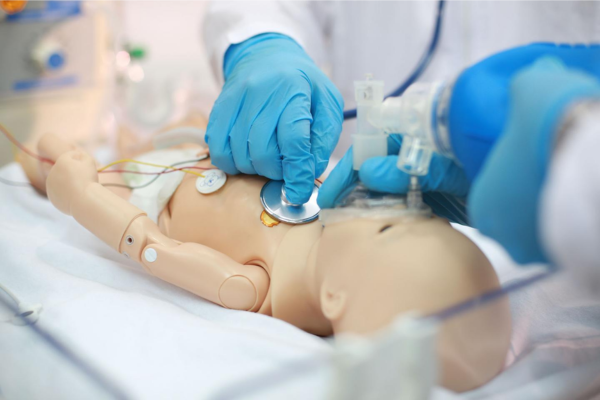
Advanced Pediatric Resuscitation
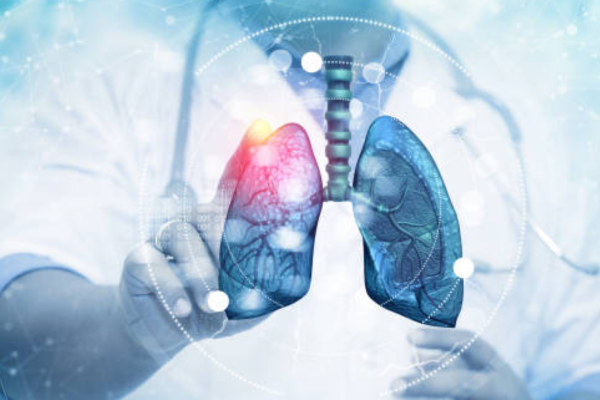
Respiratory Failure and Management

Neurological Emergencies
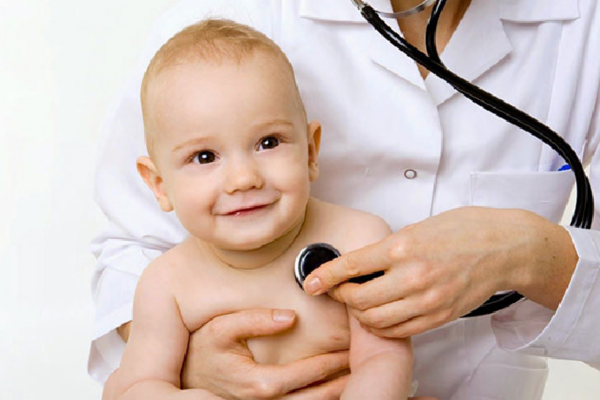
Cardiac Care in Pediatric Patients
Key Features
- Attending /Non-Attending Classes
- Free Study Material with recorded lectures
- Best Faculties (Super Specialists) of India
4. Library Access & Question & Answer Session
5. 1 Year of Mentorship
6. Updated Curriculum
Course Curriculum
- Overview of pediatric critical care systems and the PICU
- Pediatric pathophysiology in critical illness
- Initial management of pediatric emergencies
- Pediatric life support (BLS, PALS, NRP)
- Triage and assessment of critical pediatric patients
- Airway management in children
- Pediatric sedation and analgesia protocols
- Hemodynamic monitoring and fluid resuscitation in children
- Acute respiratory failure in children: causes and management
- Non-invasive ventilation and high-flow nasal cannula (HFNC)
- Invasive mechanical ventilation: techniques and ventilator management
- Pediatric ARDS (Acute Respiratory Distress Syndrome) and ventilator-associated lung injury (VALI)
- Extracorporeal membrane oxygenation (ECMO) in children
- Management of airway obstruction and respiratory distress syndromes
- Intubation and extubation techniques in pediatric patients
- Ventilator settings and adjustments based on patient needs
- Use of CPAP, BiPAP, and advanced airway tools
- Pediatric shock: Hypovolemic, septic, cardiogenic, and distributive shock
- Cardiopulmonary resuscitation (CPR) in neonates and children
- Inotropes and vasopressors in pediatric shock
- Pediatric arrhythmias and advanced cardiac life support (ACLS)
- Hemodynamic monitoring and invasive line placement (arterial and central venous lines)
- Cardiac arrest management and post-resuscitation care
- Interpretation of hemodynamic data and cardiac monitoring
- Mastery of fluid and electrolyte management in critically ill children
- Use of point-of-care ultrasound for cardiac assessment
- Acute neurological deterioration in children: Seizures, status epilepticus, and herniation syndromes
- Pediatric traumatic brain injury (TBI) and intracranial pressure monitoring
- Acute ischemic and hemorrhagic stroke in children
- Management of pediatric coma and altered consciousness
- Neurocritical care: Advanced monitoring, sedation, and neuroprotective strategies
- Intracranial pressure (ICP) monitoring techniques
- Management of seizures in the pediatric ICU
- Neurologic examination and interpretation in critically ill children
- Pathophysiology and management of multi-organ failure in children
- Pediatric renal failure: Dialysis techniques, CRRT (continuous renal replacement therapy)
- Management of hepatic failure and liver transplantation in critically ill children
- Hematologic emergencies: Coagulopathy, transfusion medicine, and management of bleeding
- Pediatric nutrition in critical care
- Pharmacology in pediatric critical care: Safe dosing and drug interactions
- Use of dialysis modalities in pediatric intensive care
- Nutritional support strategies and enteral/parenteral nutrition
- Blood product management and transfusion practices
- Trauma assessment and stabilization in children
- Pediatric burn management in critical care settings
- Trauma-induced coagulopathy and fluid resuscitation
- Post-operative care in critically ill surgical pediatric patients
- Pediatric sepsis management and infection control in the ICU
- Trauma life support protocols
- Post-operative monitoring and ICU management of surgical patients
- Infection control practices and use of antibiotics in the PICU
- Understanding and applying research methodologies in pediatric critical care
- Ethics in pediatric critical care research
- Systematic reviews and meta-analyses
- Advancements in pediatric critical care technology and treatment paradigms
- Writing and publishing in pediatric critical care journals
- Conducting clinical research in the ICU
- Critically appraising the medical literature and applying evidence-based practices
- Data collection, analysis, and presentation in pediatric critical care
- Leadership in the PICU: Teamwork, conflict resolution, and decision-making
- Communication skills: Family-centered care and breaking bad news
- Managing ethical dilemmas in the PICU
- Stress management and resilience for healthcare providers
- Career development and lifelong learning in pediatric critical care
- Effective communication with families, multidisciplinary teams, and medical staff
- Handling complex ethical and end-of-life discussions
- Leadership training in clinical settings
- Pediatric sepsis: Diagnosis, pathophysiology, and management strategies
- Neonatal sepsis and infections in immunocompromised children
- Respiratory infections: RSV, influenza, pneumonia, and fungal infections
- Central nervous system infections: Meningitis, encephalitis, and brain abscesses
- Pediatric HIV and emerging infectious diseases
- Antibiotic stewardship in the pediatric ICU: Choosing the right antibiotics and managing resistance
- Identification and management of pediatric sepsis
- Application of evidence-based guidelines for infectious disease management
- Use of microbiological testing and PCR for diagnosis
- Congenital heart defects and critical care management in the PICU
- Pediatric cardiomyopathy and heart failure
- Post-operative care for pediatric cardiac surgery patients (e.g., congenital heart surgery, heart transplant)
- Pediatric arrhythmias and use of antiarrhythmic agents
- Cardiac transplantation in pediatric patients: Indications, management, and outcomes
- Advanced cardiac support techniques: Ventricular assist devices (VADs) and ECMO in pediatric patients
- Echocardiography and advanced imaging in critical care
- Cardiovascular monitoring in critically ill children
- Pharmacological management of heart failure and arrhythmias
- Acute kidney injury (AKI) in critically ill children: Diagnosis, causes, and management
- Nephrotic syndrome, glomerulonephritis, and hemolytic-uremic syndrome (HUS) in critical care
- Pediatric dialysis techniques: Hemodialysis, peritoneal dialysis, and CRRT
- Fluid-electrolyte management in kidney failure
- Pediatric urologic emergencies: Obstructive uropathy, hematuria, and bladder management in ICU patients
- Renal transplantation in critically ill children
- Initiation and monitoring of dialysis in critically ill children
- Interpretation of renal function tests and managing electrolyte disturbances
- Catheterization and management of urinary retention in the ICU
Fill Form Our Team Will Contact Soon
Choose medicalglobalacademy as your trusted partner for medical education and elevate your expertise to new heights.
Frequently Asked Questions
To apply, visit the course page of your interest and click on the ‘Apply Now’ button. Follow the instructions to complete your application. You may need to submit relevant documents and a resume.
Yes, all our courses are accredited by recognized medical and educational institutions. Details of accreditation can be found on each course page.
Yes, we offer a variety of online courses to provide flexibility for our students. Check the course descriptions for information on whether a course is available online.
You can contact our support team via email at support@medicalglobalacademy.com or call us at [+919310027474]. Our support team is available Monday to Friday from 9 AM to 6 PM.
Which Post-MBBS Course Format Is Right for You?
Answer three quick questions and we'll match you to the format that fits your goals — Certificate, PG Diploma, or Fellowship.