
FELLOWSHIP IN PEDIATRIC DERMATOLOGY
Build specialized expertise in children’s skin health with the Fellowship in Pediatric Dermatology at Medical Global Academy (MGA). Designed for medical professionals, this clinically focused fellowship provides comprehensive training in diagnosing and managing skin disorders affecting infants, children, and adolescents. Through evidence-based learning, structured clinical exposure, expert mentorship, LMS access, CPD certification, and one year of academic support, participants strengthen their clinical confidence to deliver safe, age-appropriate, and patient-centered dermatological care.
Batch starts on
Jan to Dec/ May to June
Course Duration
12 Months
Multimodal Program
Hybrid Mode & Clinical Attachment
Flexible payment
financing options available
Fellowship in Pediatric Dermatology Program Overview
Children present with dermatological conditions that differ significantly from adults in their clinical presentation, diagnosis, treatment, and long-term management. Successfully caring for pediatric patients requires an understanding of developmental skin physiology, age-specific treatment approaches, and compassionate communication with both children and their families. As awareness of pediatric skin disorders continues to increase, healthcare professionals with specialized expertise are becoming increasingly valuable in modern clinical practice.
The Fellowship in Pediatric Dermatology at Medical Global Academy (MGA) is designed to help medical professionals build advanced knowledge and clinical confidence in diagnosing and managing dermatological conditions across newborns, infants, children, and adolescents. The program combines evidence-based academic learning with structured clinical exposure, enabling participants to approach pediatric skin disorders using current clinical guidelines and patient-centered care.
The curriculum covers a broad spectrum of pediatric dermatology, including eczema, psoriasis, acne, infectious skin diseases, pigmentary disorders, vascular lesions, autoimmune skin diseases, genodermatoses, neonatal dermatology, pediatric dermatologic emergencies, and inflammatory skin conditions. Participants also develop expertise in clinical assessment, dermatologic procedures, diagnostic interpretation, treatment planning, pharmacological management, and long-term follow-up of pediatric patients.
A strong emphasis is placed on multidisciplinary care, ethical medical practice, complication prevention, and evidence-based clinical decision-making. Through case-based discussions, mentorship, and research-oriented learning, participants strengthen their ability to provide comprehensive dermatological care while improving patient outcomes and quality of life for children with acute and chronic skin disorders.
Participants also benefit from LMS-based learning, CPD certification, and one year of expert mentorship, allowing them to continue learning while staying updated with the latest developments in pediatric dermatology.
Clinical Skills You’ll Develop During the Pediatric Dermatology Fellowship
Throughout the Pediatric Dermatology Fellowship, participants strengthen their expertise in:
- Diagnosis and management of common and complex pediatric skin disorders.
- Assessment of neonatal, infant, and adolescent dermatological conditions.
- Evaluation and treatment of eczema, psoriasis, acne, pigmentary disorders, and infectious skin diseases.
- Recognition and management of autoimmune and genetic skin disorders affecting children.
- Pediatric dermatologic procedures, including lesion assessment, biopsies, cryotherapy, and minor dermatologic interventions.
- Safe prescribing practices and age-appropriate pharmacological management.
- Diagnosis and management of pediatric dermatologic emergencies, including severe drug reactions and acute inflammatory skin conditions.
- Patient consultation, family counselling, and long-term follow-up strategies.
- Evidence-based clinical decision-making through case discussions and multidisciplinary collaboration.
- Ethical pediatric practice, research methodology, and continuous professional development.
Career Opportunities After the Fellowship in Pediatric Dermatology
Completing the Fellowship in Pediatric Dermatology prepares healthcare professionals to provide specialized dermatological care for children while expanding opportunities in both clinical practice and academic medicine.
After completing the program, participants may explore opportunities in:
- Pediatric dermatology departments and children’s hospitals.
- Multispecialty hospitals and dermatology clinics.
- Pediatric healthcare centers and neonatal care units.
- Academic medical institutions and teaching hospitals.
- Clinical research and pediatric dermatology programs.
- Multidisciplinary teams working alongside pediatricians, dermatologists, immunologists, allergists, and genetic specialists.
- Private practice focused on pediatric skin health.
- Advanced subspecialty training in pediatric dermatology and related disciplines.
Whether you are planning to pursue a Pediatric Dermatology Fellowship, looking for a Fellowship in Pediatric Dermatology after MBBS, or seeking a flexible Pediatric Dermatology Fellowship Online learning pathway, this program provides the clinical knowledge, diagnostic expertise, and professional confidence required to deliver high-quality dermatological care for children.
Why Choose Medical Global Academy for a Fellowship in Pediatric Dermatology?
Managing skin disorders in children requires more than clinical knowledge—it demands an understanding of age-specific presentations, safe treatment selection, effective communication with families, and evidence-based decision-making. The Fellowship in Pediatric Dermatology at Medical Global Academy (MGA) is designed to help medical professionals develop these essential competencies through a structured and clinically relevant learning experience.
What Makes MGA Different?
- Comprehensive curriculum focused on pediatric dermatology and children’s skin health.
- Evidence-based learning aligned with current dermatology practices.
- Structured clinical exposure supported by case-based discussions.
- Expert faculty guidance and one year of academic mentorship.
- LMS access with recorded lectures and updated learning resources.
- CPD certification supporting continuous professional development.
- Strong emphasis on patient safety, ethical practice, and age-appropriate dermatological care.
Whether your goal is to strengthen your clinical practice, develop expertise in pediatric skin disorders, or pursue advanced opportunities in pediatric dermatology, Medical Global Academy provides the knowledge, mentorship, and academic support to help you deliver confident, evidence-based care.
What you'll learn
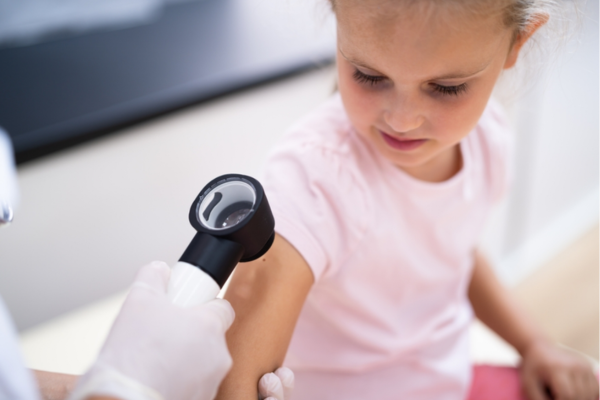
Introduction to Pediatric Dermatology

Common Pediatric Skin Conditions
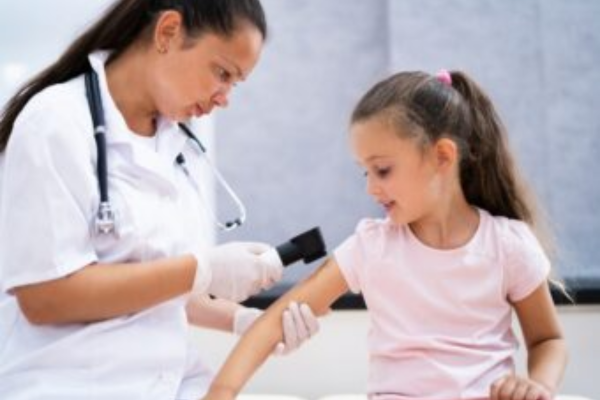
Dermatologic Procedures in Pediatrics
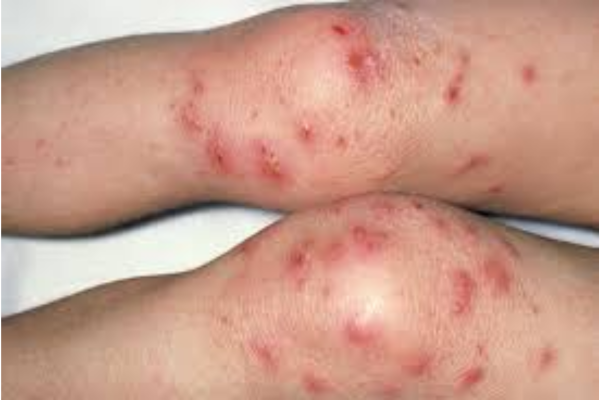
Complex and Rare Pediatric Dermatology Cases
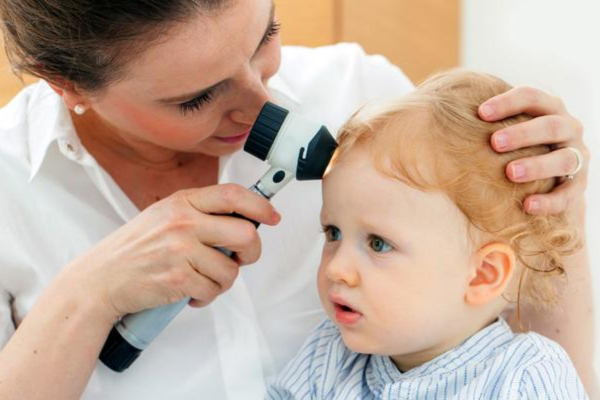
Pediatric Dermatology Emergencies

Psychodermatology and Pediatric Dermatology
Key Features
- Attending /Non-Attending Classes
- Clinical Training in Nearest Hospitals/Clinics.
- Free Study Material with recorded lectures
- Best Faculties (Super Specialists) of India
5. Library Access & Question & Answer Session
6. NAAC A+ University
7. 1 Year of Mentorship
8. Updated Curriculum
Course Curriculum
- Introduction to Pediatric Dermatology: Scope and Significance
- Structure and Function of Skin in Children
- History and Physical Examination in Pediatric Dermatology
- Diagnostic Techniques in Pediatric Dermatology
- Nomenclature and Classification Systems in Pediatric Dermatology
- Gain insight into the special features of pediatric skin
- Acquire the art of taking a history and examining children with skin diseases
- Familiarize yourself with the developmental aspects of skin in various pediatric age groups
- Eczema (Atopic Dermatitis): Disease Process, Diagnosis & Treatment
- Infantile & Childhood Seborrheic Dermatitis
- Diaper Rash & Irritant Contact Dermatitis
- Pediatric Psoriasis
- Impetigo & Bacterial Skin Infections
- Recognize, diagnose and treat common pediatric dermatologic conditions
- Learn about the pathogenesis of atopic dermatitis and other inflammatory skin diseases
- Develop an understanding of evidence-based treatment methods
- Viruses (exanthems): Measles, chickenpox, rubella, etc.
- Fungi (infections): Tinea corporis, tinea capitis, and candidiasis
- Parasites in pediatric population (scabies, head lice)
- Bacterial infection (skin infection): Staphylococci and Streptococci infections, including MRSA
- Infectious Dermatologic Diseases (emerging):
- Recognize and treat common viral, bacterial, and fungal infections in pediatric patients
- Distinguish between different types of exanthems and their causes
- Basic techniques in dermatological surgery in children
- Techniques for skin biopsy (punch, shave, and excisional)
- Cryotherapy and laser therapy in pediatric dermatology
- Wart, cyst, and benign tumor management in children
- Vascular lesion management (hemangiomas, port-wine stain)
- Acquire skills in dermatologic surgical procedures in children
- Knowledge of when to perform dermatologic procedures
- Post-procedure care in pediatric dermatologic surgery
- Diseases in Children with Autoimmune Disorders (such as lupus and dermatomyositis)
- Epidermolysis Bullosa & Genodermatoses
- Ichthyosis & Genetic Skin Diseases
- Pemphigus and Pemphigoid Disorders in Childhood
- Managing Rare Pediatric Dermatological Conditions
- Gain knowledge about the management of pediatric autoimmune dermatological diseases
- Develop skills for recognizing and managing genetic skin diseases
- Care of children with genetic syndromes like Down’s and neurofibromatosis
- Dermatologic disorders in pre-term and newborns
- Management of skin disorders in immunocompromised kids (such as transplants and HIV)
- Systemic diseases and dermatological problems in children
- Achieve competence in handling dermatological problems in children who have special requirements
- Tackle the dermatological problems in immunocompromised kids
- Learn about systemic disease and its relation to pediatric dermatology
- Pharmacology of pediatric dermatology: Topical medicines, oral medications, biologics
- Corticosteroid, calcineurin inhibitor, and biologic therapy usage in children
- Antimicrobial drugs used in pediatric dermatology: Antibiotic, antifungal, and antiviral drugs
- Safe application of medications for pediatric dermatology in various age categories
- Prevention of drug interactions and adverse reactions
- Knowledge of pharmacology concepts in pediatric dermatology
- Correct medication dosage and formulation in pediatric dermatology
- Drug-induced skin diseases
- Serious allergic reactions (such as anaphylaxis, drug rashes)
- Toxic epidermal necrolysis (TEN) and Stevens Johnson syndrome (SJS)
- Emergency cases in pediatric dermatology: Necrotizing fasciitis, bullous impetigo, and beyond
- Handling pediatric burns and scalds
- Skin problems related to sepsis and systemic infections
- Recognize and treat emergencies in pediatric dermatology
- Learn about the underlying causes of deadly skin diseases in kids
- Create a plan for emergencies in dermatology
- Clinical research principles in pediatric dermatology
- Guidelines and treatment protocols based on scientific evidence
- Research methods: Observational studies, randomized controlled trials, and cohort studies
- Systematic reviews and meta-analyses in pediatric dermatology
- Preparation of research papers and grants in pediatric dermatology
- Know the principles of clinical research
- Implement guidelines based on scientific evidence in clinical practice
- Contribute to pediatric dermatology through research
- Discussion of difficult cases and multidisciplinary teamwork
- Difficulties in making diagnoses in pediatric dermatology
- Creation of strategies to manage difficult cases
- Reflective learning: Reflection of own cases and reviews
- Mentorship meetings with experienced pediatric dermatologists
- Use critical thinking to solve difficult cases in pediatric dermatology
- Gleaning wisdom from mentors and colleagues
- Improving one’s diagnostic and clinical skills through cases
- Pediatric dermatology in limited-resource settings
- Dermatology projects and education in communities
- Advocacy in pediatric dermatology: Awareness about uncommon skin disorders
- Advocacy in pediatric dermatology: Awareness about uncommon skin disorders
- Working together with pediatricians and others for comprehensive treatment
- Recognize the difficulties involved in offering pediatric dermatology services in various environments
- Spread awareness about the early diagnosis of skin problems in children
- Find out how you can become an advocate for pediatric dermatology
- Psychological effects of chronic skin disorders in children
- Communication between the pediatric dermatologist and the parents/caregivers
- Body image issues in teenage dermatology patients (acne, psoriasis, vitiligo)
- Psychological disorders related to pediatric dermatology (anxiety, depression, bullying)
- Social determinants of health and pediatric dermatology (access to treatment, cultural aspects, and socioeconomic status)
- Identify the psychosocial aspects of skin disorders affecting children
- Develop skills in communication with pediatric dermatology patients and families
Our Accrediation Partners

Fill Form Our Team Will Contact Soon
Choose medicalglobalacademy as your trusted partner for medical education and elevate your expertise to new heights.
Frequently Asked Questions
To apply, visit the course page of your interest and click on the ‘Apply Now’ button. Follow the instructions to complete your application. You may need to submit relevant documents and a resume.
Yes, all our courses are accredited by recognized medical and educational institutions. Details of accreditation can be found on each course page.
Yes, we offer a variety of online courses to provide flexibility for our students. Check the course descriptions for information on whether a course is available online.
You can contact our support team via email at support@medicalglobalacademy.com or call us at [+919310027474]. Our support team is available Monday to Friday from 9 AM to 6 PM.
Which Post-MBBS Course Format Is Right for You?
Answer three quick questions and we'll match you to the format that fits your goals — Certificate, PG Diploma, or Fellowship.