
FELLOWSHIP IN PEDIATRIC GENETICS AND METABOLIC DISORDERS
Explore the Fellowship in Pediatric Genetics and Metabolic Disorders at Medical Global Academy (MGA), designed for medical professionals seeking advanced knowledge in pediatric genetics, metabolic disorders and diagnostic approaches. Develop your expertise through online training, expert mentorship and structured learning to strengthen your clinical knowledge and professional growth.
Batch starts on
Jan to Dec/ May to June
Course Duration
12 Months
Learning Formate
Online mode
Flexible payment
financing options available
Program Fellowship in Pediatric Genetics and Metabolic Disorders
MGA Medical Global Academy’s Fellowship in Pediatric Genetics and Metabolic Disorders is an advanced programme for healthcare professionals seeking specialized knowledge in the diagnosis and management of genetic and metabolic disorders in children. The fellowship covers pediatric genetics, genetic counselling, biochemical investigations, genomic medicine and metabolic care. Key areas include inborn errors of metabolism, neurogenetics, mitochondrial disorders, genomic sequencing, personalized medicine, pediatric endocrinology, hematology, cardiology and advanced diagnostic approaches. Participants also explore multidisciplinary patient management, ethical considerations, research methods and emerging approaches such as precision medicine and gene therapy.
What Skills You Will Gain
- Knowledge of pediatric genetics, inheritance, molecular genetics and genetic counselling
- Understanding of inborn errors of metabolism, newborn screening, biochemical testing and metabolic crisis management
- Knowledge of genomic medicine, pharmacogenomics, whole exome sequencing and personalized treatment approaches
- Understanding of complex genetic syndromes, neurogenetic disorders and mitochondrial diseases in children
- Knowledge of endocrine, cardiac and hematological genetic disorders in children
- Ability to interpret genetic investigations including karyotyping, FISH, chromosomal microarray and next-generation sequencing
- Understanding of nutritional therapy, enzyme replacement therapy and long-term metabolic disease management
- Knowledge of bioinformatics tools, genetic databases and genomic data interpretation
- Understanding of ethical, psychosocial and legal considerations in pediatric genetic testing and counselling
- Development of research and evidence-based medicine skills in pediatric genetics, metabolic diseases and emerging gene therapies
Career Outcomes After the Fellowship
- Develop expertise in pediatric genetics, genomics and metabolic disease management
- Explore opportunities in pediatric genetic clinics, children’s hospitals, metabolic centres and multispecialty healthcare units
- Strengthen knowledge of newborn screening, genetic counselling and precision medicine
- Develop expertise in caring for children with rare genetic syndromes and inherited metabolic diseases
- Collaborate with multidisciplinary pediatric healthcare and advanced diagnostic teams
- Explore opportunities in academic teaching, clinical research and clinical trials
- Build professional expertise in pediatric genetics and metabolic medicine
- Stay updated with developments in gene therapy, genomic diagnostics, bioinformatics and personalized pediatric care
What you'll learn
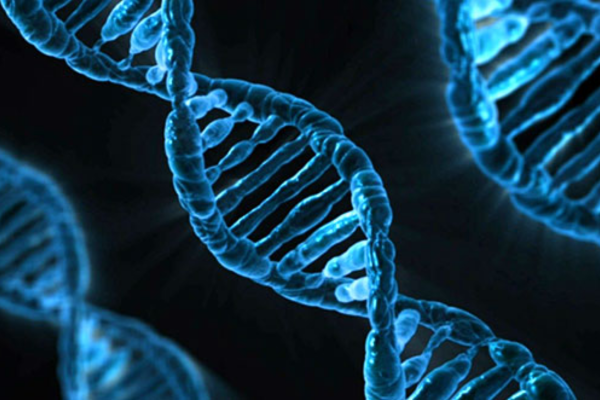
Fundamentals of Genetics
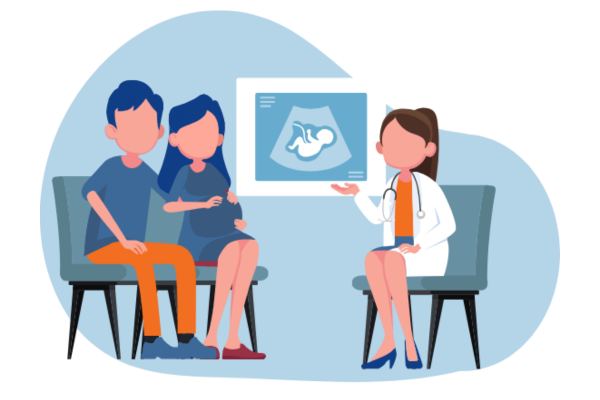
Genetic Counseling
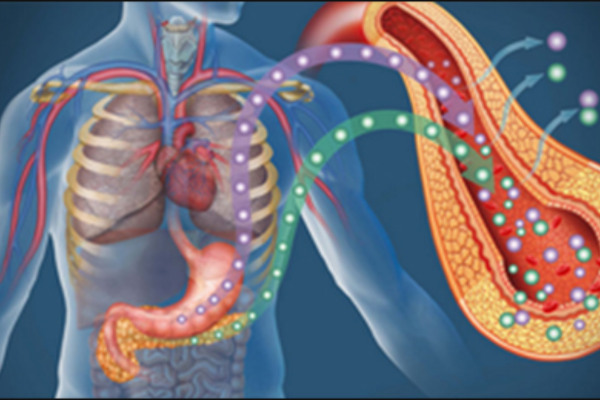
Metabolic Disorders
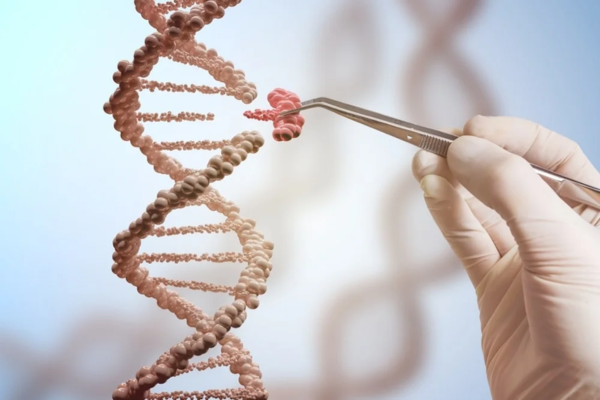
Clinical Genetics
Genomic Medicine
Research Methodology
Key Features
- Attending /Non-Attending Classes.
- Free Study Material with recorded lectures
- Best Faculties (Super Specialists) of India
4. Library Access & Question & Answer Session
5. 1 Year of Mentorship
6. Updated Curriculum
Course Curriculum
- Know the fundamentals of genetics and its use in pediatrics.
- Learn about genetic disease inheritance (autosomal, X-linked, mitochondrial).
- Discover genetic counseling and the ethical considerations in genetic testing.
- Basic molecular genetics.
- Methods of genetic testing (e.g., karyotyping, FISH, next-generation sequencing)
- Genetic counseling techniques
- Moral implications of pediatric genetics.
- Learn in depth about inborn errors of metabolism.
- Study diagnosis methods of metabolic disorders in infants, children and adolescents.
- Acquire skills on how to deal with acute metabolic crises.
- Phenylketonuria, maple syrup urine disease, urea cycle disorders, organic acidemias
- Diagnostic methods and screening (e.g., tandem mass spectrometry) in newborns.
- The metabolic disorders dietary and pharmacological management.
- Study the concepts of genomic medicine and its use in the care of children.
- Know pharmacogenomics and how genetic testing works in personalized medicine.
- Entire exome/genome sequencing and analysis.
- Pharmacogenomics in children.
- Genetic conditions: targeted therapies and gene therapy.
- Develop skills in the diagnosis of complicated genetic syndromes in children.
- Get to know genetic syndromes involving more than one system and how to treat them.
- Neurogenetic syndromes, rare genetic syndromes (e.g., Prader-Willi syndrome, Rett syndrome)
- Diagnostic approaches (whole genome sequencing, chromosomal microarray)
- Congenital anomalies, intellectual disabilities and developmental delay Management in genetic situations.
- Learn about the genetic pathophysiology and clinical manifestations of mitochondrial diseases.
- Know neurogenetic disorders in children.
- Mitochondrial genetics, inheritance patterns and mitochondrial diseases (e.g., MELAS, Leigh syndrome).
- Genetics of childhood neurological conditions (e.g. Rett syndrome, Fragile X syndrome)
- Biomarkers and diagnostic imaging in mitochondrial diseases.
- Target the long-term treatment of children with metabolic disorders.
- Discuss the transition of the pediatric to adult care of patients with genetic and metabolic diseases.
- Nutritional treatment, enzyme replacement therapy, liver transplantation in metabolic diseases.
- Transition of care for adolescents with chronic metabolic and genetic diseases
- Long-term disease management psychosocial factors.
- Gain research experience in genetic and metabolic childhood diseases.
- Get to know the latest treatments and clinical trials in pediatric genetics.
- Genetic and metabolic-research method.
- Recent innovations in gene therapy, CRISPR/Cas9 technology.
- Clinical trials role in enhancing treatment options in genetic diseases.
- Discuss the issues of ethics related to genetic testing and treatment of pediatric patients.
- Know how genetic and metabolic diseases affect children and their families psychologically.
- Genetic testing of prenatal diagnoses, genetic editing ethical concerns.
- Family psychosocial support to families of children with genetic/metabolic disorders.
- Understand the foundations of genetic epidemiology and its use with rare and common childhood genetic diseases.
- Gain skills in bioinformatics tools to interpret genomic data.
- Introduction to genetic epidemiology: techniques in the study of genetic characteristics and diseases.
- Population genetics, interactions between genes and the environment, and rare disease registries.
- Bioinformatics resources and databases (e.g., ClinVar, GeneCards, Ensembl)
- Variant interpretation: pathogenicity and clinical relevance.
- Discover the intersection of pediatric endocrinology and genetic disorders.
- Learn fundamental insights into the genetic syndromes of endocrine nature.
- Endocrine genetic syndromes (e.g., Turner syndrome, Prader-Willi syndrome, Albrights hereditary osteodystrophy)
- Genetic syndromes- Hypothyroidism, adrenal insufficiency and disorders of sexual development (DSDs)
- Pediatric genetic disorders: endocrine treatment.
- Know the genetic causes of cardiovascular diseases in children.
- Investigate genetic syndromes that have frequent cardiovascular features.
- Genetic syndromes (e.g., Marfan syndrome, Noonan syndrome, familial hypercholesterolemia) that involve cardiovascular abnormalities.
- Genetic tests and screening of inherited heart diseases (e.g., arrhythmogenic cardiomyopathy, long QT syndrome)
- Treatment of congenital heart diseases and genetic tendency towards heart disease.
- Learn the genetic basis of pediatric hematology diseases.
- Become familiar with the diagnosis and treatment of genetic blood disorders.
- Hemoglobinopathies (e.g. sickle cell disease, thalassemia) and their genetic basis.
- Platelet disorders, bleeding disorders (e.g., von Willebrand disease), and genetic factors.
- Hematological Disorders Gene therapy.
Fill Form Our Team Will Contact Soon
Choose medicalglobalacademy as your trusted partner for medical education and elevate your expertise to new heights.
Frequently Asked Questions
To apply, visit the course page of your interest and click on the ‘Apply Now’ button. Follow the instructions to complete your application. You may need to submit relevant documents and a resume.
Yes, all our courses are accredited by recognized medical and educational institutions. Details of accreditation can be found on each course page.
Yes, we offer a variety of online courses to provide flexibility for our students. Check the course descriptions for information on whether a course is available online.
You can contact our support team via email at support@medicalglobalacademy.com or call us at [+919310027474]. Our support team is available Monday to Friday from 9 AM to 6 PM.
Which Post-MBBS Course Format Is Right for You?
Answer three quick questions and we'll match you to the format that fits your goals — Certificate, PG Diploma, or Fellowship.