
FELLOWSHIP IN PEDIATRIC ROBOTIC SURGERY
The pediatric robotic surgery fellowship offers formal training in robotic-assisted methods particular to pediatric surgery. The program encompasses educational lessons, clinical experiences with pediatric robotic surgery setting, and guidance by seasoned surgeons. The participants will be exposed to robots, worked on, and operative processes, as well as, to case-based discussions to help them understand the practicality in pediatric surgery.
Batch starts on
Jan to Dec/ May to June
Course Duration
12 Months
Multimodal Program
Online Mode & Clinical Attachment
Flexible payment
financing options available
Program overview
The Fellowship in Paediatric Robotic Surgery offered by Medical Global Academy is an advanced, procedure-focused programme for surgeons who wish to specialise in paediatric surgical procedures conducted with the aid of a robotic system. This fellowship involves theory, simulation education, surgical experience and professional observation to enable the fellow to develop minimally invasive skills in children. Robotic system fundamentals, paediatric robotic urology, thoracic surgery, neonatal robotic surgery, paediatric gynaecology, ENT robotic procedures, perioperative care and advanced surgical planning are all covered. The mentored exposure to robotic systems, surgical ergonomics, incorporation of AI, ideas on Telesurgery and complication management is provided by experienced paediatric robotic surgeons. The programme also focuses on research, innovation, leadership and multidisciplinary collaboration to equip surgeons for the future of paediatric robotic surgery.
Skills You Will Gain
- Knowledge of the principles of robotic-assisted paediatric surgery and understanding of robotic systems and patient population selection for paediatric surgery.
- Practical experience with robotic docking, suturing, dissection, knot tying and simulation-based surgical education.
- Expertise in robotic paediatric surgery procedures such as pyeloplasty, fundoplication, ureteral reimplantation, appendectomy and hernia repair.
- Advanced robotic surgical skills with thoracic, gastrointestinal, oncological and neonatal procedures.
- Understanding of paediatric anaesthetic and perioperative management, ventilation and recovery from surgery.
- Skill in managing intraoperative complications, converting to conventional surgery and maintaining safety protocols in robotic surgery.
- Knowledge of the use of AI in surgery, the emerging field of telesurgery, surgical planning and the latest advances in paediatric robotic technology.
- Knowledge of ethical, legal and communication issues concerning paediatric robotic surgery.
- Research, academic presentation and publication skills in Paediatric Robotic and Minimally Invasive Surgery.
- Leadership, mentoring and practice management aspects of establishing paediatric robotic surgery programmes.
Career Outcomes After the Fellowship
- Gain proficiency in the surgical skills of paediatric robotics and minimally invasive surgery.
- Work in advanced paediatric surgical centres, robotic surgical units and multispecialty surgical centres.
- Improve employment opportunities in paediatric urology, thoracic surgery, neonatal surgery and minimally invasive paediatric surgery.
- Develop expertise in robotic surgical planning, patient safety and complex paediatric surgical management.
- Develop academic and research experience in robotic-assisted paediatric surgery and surgical innovation.
- Work with multidisciplinary paediatric healthcare and surgical teams.
- Enhance professional recognition in robotic paediatric surgical practice and advanced minimally invasive surgery.
- Stay current with new robotic platforms, AI-powered surgery and global surgical developments.
What you'll learn

Foundations of Pediatric Robotic Surgery

Core Techniques and Procedures

Complex Cases and Innovations

Research and Development
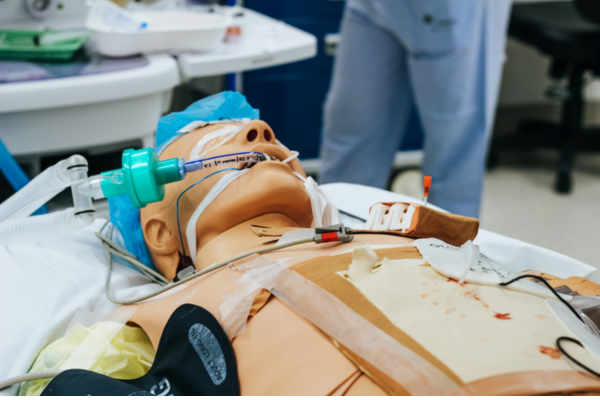
Clinical Rotations and Practical Experience

Leadership and Education
Key Features
- Attending /Non-Attending Classes
- Free Study Material with recorded lectures
- Best Faculties (Super Specialists) of India
4. Library Access & Question & Answer Session
5. 1 Year of Mentorship
6. Updated Curriculum
Course Curriculum
- History & evolution of robotic surgery
- Basic principles of robotic systems (Da Vinci, Versius, etc.)
- Pediatric considerations and patient selection.
- Problems with robotic pediatric surgery Ethics and law.
- Introduction to surgery ergonomics and the use of consoles.
- Robotic orientation and docking protocols.
- Practical work (suturing, dissection, knot tying) in dry lab.
- Pediatric case scenario simulation-based skill development.
- Diagnosing the malfunctions of robotic systems.
- Intraoperative conversions and safety measures.
- Robotic pyeloplasty
- Ureteral reimplantation
- Appendectomy and cholecystectomy
- Pediatric fundoplication
- Inguinal hernia repair of newborns and children.
- Multidisciplinary case planning
- Thoracic robotic surgery (lobectomy, repair of esophageal atresia)
- Pediatric oncological resections using robots.
- GI reconstructions and Hirschsprung’s disease surgery
- Surgical anorectal malformation with robots.
- Dealing with intraoperative issues and complications.
- Clinical rotation under the guidance of experts in a hospital.
- Scrubbing-in for live pediatric robotic surgeries
- Helping in complicated robotic processes.
- Live-time decision-making and operational planning.
- Mentor evaluations and maintenance of case logbooks.
- Clinical research study (original or review-based)
- Guidance on writing manuscripts and submitting journals.
- Presentation on national/international conference (not mandatory)
- Conclusion OSCE (Objective Structured Clinical Examination)
- Fellowship Certificate Award and Viva voice.
- Robotic-assisted ureteroureterostomy
- Bladder diverticulectomy
- Treatment of vesicoureteral reflux.
- Pediatric nephrectomy & partial nephrectomy
- Care after surgery and catheterization.
- Pediatric anesthesia in robotic surgeries.
- Proper insufflation positioning and ventilation.
- Hemodynamic monitoring and fluid management.
- Pain management and recovery plans after surgery.
- Pediatric ICU coordination
- Signs and possibilities of robotic surgery in babies.
- Minimal intervention in birth defects.
- Limitations of the instruments and neonatal adaptations.
- High-risk neonatal robotic cases Team dynamics.
- Parental consent and ethical discussions.
- Best practices and methods of major pediatric facilities across the world.
- Innovations: single-port systems, AI integration, and telesurgery.
- Case studies from North America, Europe, and Asia
- Application of robotics in low-resource environments.
- Pediatric surgical technology of the future.
- Developing skills as a trainer and mentor
- Development of teaching modules based on simulation.
- Conducting workshops and training camps.
- Liaising with operating departments and commanding robot units.
- Introduction of robotic surgery in hospitals among pediatrics.
- Setting up a pediatric robotic surgery unit
- Budgeting, allocation of resources and ROI.
- Family communication and establishing trust with the families.
- Capstone project: full case report, technique video or innovation proposal.
- Final fellowship review and exit presentation.
- Mullerian anomalies controlled by robots.
- Ovarian cystectomy, oophorectomy, and torsion detorsion.
- Endometriosis excision in adolescents using robots.
- Fertility preservation techniques
- Multidisciplinary team in collaboration with pediatric gynecologists.
- Tongue base reduction with the use of robots.
- Airway tumors are accessed with robots.
- Pediatric obstructive sleep apnea (OSA) robotic interventions
- Robotic tonsillectomy and adenoidectomy (select cases)
- ENT teamwork and hybrid strategies.
- Typical intraoperative robotic complications in pediatrics.
- Conversion to open/laparoscopic techniques
- Robotic surgical error root cause analysis.
- Consent, documentation, and risk disclosure in pediatrics
- Discussion Case-based: what went wrong?
- Introductory design and engineering interfaces of robotic instruments.
- Innovations in miniaturization for pediatric surgery
- Clinical training with 3D printing for surgical planning
- Cooperation with engineers in terms of developing a tool.
- Make a proposal: Design a pediatric robotic tool.
- Pediatric cases Remote surgery and telestration.
- Surgical assistance and error prediction AI.
- Using machine learning to predict patient outcomes.
- Access to tele-mentoring and global pediatric surgery.
- Children and ethics of AI and robotics.
- Establishing own surgical brand and career portfolio.
- Contacting the international robotic surgical societies (IPEG, ERUS, etc.).
- Getting ready for international certifications and licensing.
- Composing grant applications and seeking fellowships.
- Career development and career guidance.
Fill Form Our Team Will Contact Soon
Choose medicalglobalacademy as your trusted partner for medical education and elevate your expertise to new heights.
Frequently Asked Questions
To apply, visit the course page of your interest and click on the ‘Apply Now’ button. Follow the instructions to complete your application. You may need to submit relevant documents and a resume.
Yes, all our courses are accredited by recognized medical and educational institutions. Details of accreditation can be found on each course page.
Yes, we offer a variety of online courses to provide flexibility for our students. Check the course descriptions for information on whether a course is available online.
You can contact our support team via email at support@medicalglobalacademy.com or call us at [+919310027474]. Our support team is available Monday to Friday from 9 AM to 6 PM.
Which Post-MBBS Course Format Is Right for You?
Answer three quick questions and we'll match you to the format that fits your goals — Certificate, PG Diploma, or Fellowship.