
FELLOWSHIP IN PEDIATRICS NEUROLOGY
Neurological conditions in children require early diagnosis, accurate evaluation, and timely treatment to achieve the best developmental outcomes. The Fellowship in Pediatric Neurology is designed for doctors who want to build advanced clinical expertise in diagnosing and managing childhood neurological disorders. Through evidence-based learning, real-world case discussions, and expert mentorship, this programme helps you confidently care for children with epilepsy, developmental disorders, neuromuscular diseases, neurogenetic conditions, and other complex neurological disorders.
Batch starts on
Jan to Dec/ May to June
Course Duration
12 Months
Multimodal Program
Hybrid Mode & Clinical Attachment
Flexible payment
financing options available
Fellowship in Pediatric Neurology Programme Overview
Neurological disorders in children are often difficult to diagnose because symptoms can vary with age and development. Conditions such as epilepsy, developmental delay, cerebral palsy, neuromuscular disorders, and neurogenetic diseases require early recognition, accurate diagnosis, and timely intervention to improve long-term neurological outcomes. As pediatric neuroscience continues to evolve, doctors need advanced clinical knowledge and a structured approach to confidently manage these complex conditions.
The Fellowship in Pediatric Neurology is designed for doctors who want to build specialised expertise in childhood neurological disorders. Whether you are looking for a Pediatric Neurology Fellowship, a Fellowship in Pediatric Neurology, or an Online Pediatric Neurology Fellowship, this programme combines evidence-based learning with practical clinical training to help you make better diagnostic and treatment decisions in everyday practice.
During the programme, participants gain a strong understanding of epilepsy, developmental disorders, cerebral palsy, neuromuscular diseases, movement disorders, neurogenetic syndromes, pediatric stroke, metabolic neurological disorders, and neurocritical care. The curriculum also includes EEG interpretation, neuroimaging, genetic testing, neurodevelopmental assessment, and modern evidence-based management strategies that are increasingly used in pediatric neurology.
What makes this fellowship different is its focus on clinical application rather than theory alone. Through case-based discussions, expert faculty guidance, structured learning, and one year of mentorship, participants develop the confidence to interpret complex neurological cases, choose appropriate investigations, and provide comprehensive neurological care for infants and children.
Why Choose This Fellowship?
Many doctors encounter children with seizures, developmental concerns, or unexplained neurological symptoms but may not always feel confident in evaluating complex cases. This fellowship is designed to strengthen your clinical reasoning, improve diagnostic accuracy, and help you approach pediatric neurological disorders in a systematic, evidence-based manner.
Whether your goal is to establish a pediatric neurology practice, improve referrals, or enhance your expertise in child neuroscience, this programme equips you with practical knowledge that can be applied immediately in clinical practice.
What you'll learn
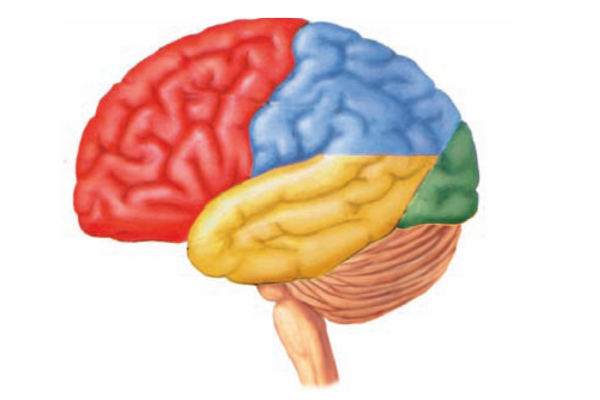
Neurological Examination, Evaluation

Congenital anomalies of CNS
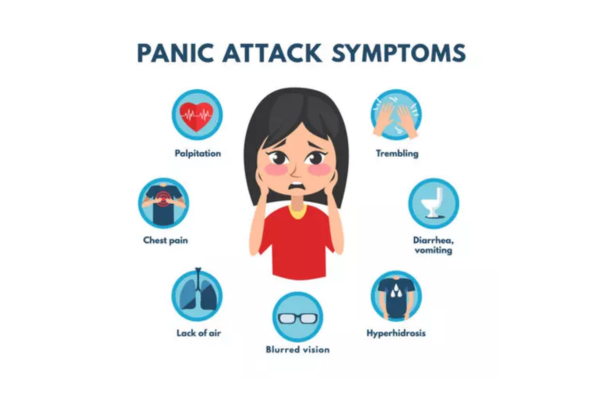
Conditions that mimic seizures
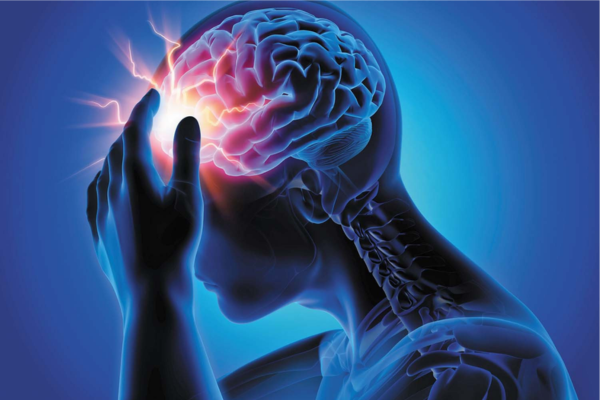
Headache
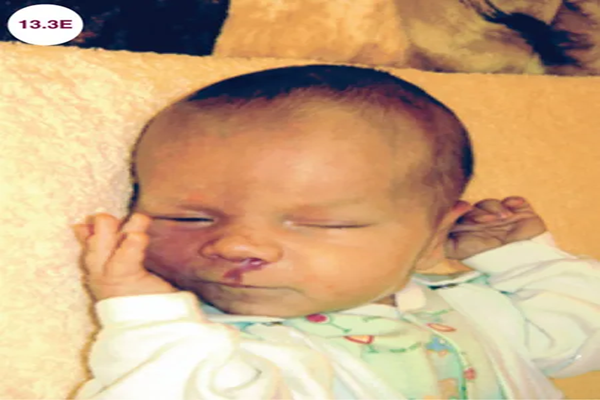
Neourocutancous syndromes

Movement disorder
Key Features
- Attending /Non-Attending Classes
- Practical Training in Nearest Hospital/Clinics.
- Free Study Material with recorded lectures
- Best Faculties (Super Specialists) of India
5. Library Access & Question & Answer Session
6. NAAC A+ University
7. 1 Year of Mentorship
8. Updated Curriculum
Course Curriculum
- Developmental milestones
- Neurological assessment in infants, children, and adolescents
- Behavioral observation techniques
- EEG (routine, video, ambulatory)
- EMG, NCV, VEP, BERA
- Neuroimaging (MRI, CT, MRS, MRA)
- Classification and management of seizures
- Pediatric epilepsy syndromes
- Status epilepticus and emergency protocols
- Inherited and metabolic neurological conditions
- Genetic testing and counseling
- Neurocutaneous syndromes
- Muscular dystrophies, SMA, myasthenia gravis
- Guillain-Barré syndrome and neuropathies
- Approach to hypotonia and motor delay
- Neonatal seizures and encephalopathy
- Hypoxic-ischemic injury
- Neurodevelopmental follow-up
- Congenital brain malformations
- Hydrocephalus and craniosynostosis
- Genetic correlations and prognosis
- CNS infections (meningitis, encephalitis)
- Autoimmune conditions (ADEM, MS, NMO)
- Post-infectious syndromes
- Pediatric stroke
- Vascular malformations
- Hemorrhagic and ischemic events
- Migraine and tension-type headaches
- Chronic daily headache
- Secondary headache evaluation
- Autism spectrum disorder
- ADHD and intellectual disability
- Learning and language disorders
- Brain and spinal cord tumors
- Neurological effects of cancer treatment
- Palliative care in neuro-oncology
- Management of neurological emergencies
- Monitoring in ICU settings
- Acute brain injury protocols
- Epilepsy monitoring unit
- Neurogenetics, sleep neurology, neurorehabilitation
- Multidisciplinary team clinics
- Refractory epilepsy evaluation
- Presurgical workup: video EEG, fMRI, PET, SPECT
- Invasive monitoring (SEEG, subdural grids)
- Post-operative management and outcomes
- Sleep architecture in children
- Sleep-related epilepsies and movement disorders
- Polysomnography interpretation
- Management of parasomnias, narcolepsy, OSA
- Neuropsychological assessment tools
- Executive function and memory testing
- Strategies for cognitive rehabilitation
- School reintegration planning
- MOG antibody disease, autoimmune encephalitis
- Pediatric multiple sclerosis and CNS vasculitis
- Immunomodulatory therapies and protocols
- Clinical recognition and differentiation from organic causes
- Psychosocial factors in pediatric FND
- Multidisciplinary treatment: neurology, psychiatry, physiotherapy
- Pharmacokinetics in pediatrics
- Antiepileptics: selection, titration, adverse effects
- Drug interactions, polytherapy, and weaning protocols
- Post-stroke, post-trauma rehabilitation planning
- Spasticity management: botulinum toxin, baclofen
- Assistive devices and augmentative communication tools
- Preparing adolescents with chronic neuro disorders for adult care
- Legal and ethical considerations in transition
- Communication skills with teens and caregivers
- Ethical issues in neurogenetics, end-of-life care
- Consent in pediatric neuro procedures
- Legal reporting in cases of child abuse or brain death
- Neurology in resource-limited settings
- Tele-neurology: virtual care models, limitations
- Epidemiology of neurodisorders in different regions
- Leading interdisciplinary teams
- Teaching methods for residents and undergraduates
- Integrating neurology care in public health systems
- Interpretation of advanced MRI sequences (DWI, SWI, MR spectroscopy, tractography)
- Imaging in epilepsy, leukodystrophies, metabolic and congenital disorders
- Radiological-pathological correlations
Our Accrediation Partners

Fill Form Our Team Will Contact Soon
Choose medicalglobalacademy as your trusted partner for medical education and elevate your expertise to new heights.
Frequently Asked Questions
To apply, visit the course page of your interest and click on the ‘Apply Now’ button. Follow the instructions to complete your application. You may need to submit relevant documents and a resume.
Yes, all our courses are accredited by recognized medical and educational institutions. Details of accreditation can be found on each course page.
Yes, we offer a variety of online courses to provide flexibility for our students. Check the course descriptions for information on whether a course is available online.
You can contact our support team via email at support@medicalglobalacademy.com or call us at [+919310027474]. Our support team is available Monday to Friday from 9 AM to 6 PM.
Which Post-MBBS Course Format Is Right for You?
Answer three quick questions and we'll match you to the format that fits your goals — Certificate, PG Diploma, or Fellowship.