Medical Global Academy

PG DIPLOMA IN EMERGENCY MEDICINE

Discover the world of emergency medicine with a practical graduate degree program program. Our courses are ideal for medical professionals who are diagnosed diagnostically and provide practical training and professional instructions.


Batch starts on

Jan to Dec/ May to June

Course Duration

12 Months

Multimodal Program

Hybrid Mode & Clinical Attachment

Flexible payment

financing options available

PG Diploma in Emergency Medicine

The PG Diploma in Emergency Medicine is a specialized course, which trains medical professionals in managing life and acute medical conditions. Emergency care in the modern fast-paced healthcare setting can be a critical factor in terms of timely decision-making and clinical competence that could have a significant influence on patient survival. The course that MGA (Medical Global Academy) is offering is designed in such a way that it provides a solid foundation in certain areas like trauma care, cardiac emergencies, respiratory distress, toxicology and disaster management. It is a synthesis of both theoretical knowledge and clinical exposure in real emergency contexts, thus allowing learners to operate efficiently in actual emergency environments. The course is most suitable to medical professionals who seek to develop their skills in the emergency department, ICU, and critical care setting.

Outcome

After the successful completion of the program, learners will:

  • Learn how to do quick assessment and make crucial decisions during emergencies.

  • Develop skills in life-saving equipment like CPR, airway management, intubation, and trauma resuscitation.

  • Effectively manage cardiac, respiratory, neurological, and endocrine emergencies

  • Know the processes and workflows of the emergency department, triage, and patient prioritization.

  • Develop trust in managing emergency patient situations in high-stress clinical settings.

  • Implement evidence-based procedures and international clinical guidelines in the emergency department.

  • Be prepared to act in response to disaster events and mass casualty events.

On the whole, the program equips learners to be competent and confident emergency care providers well-equipped to provide high-quality patient care.

Career Opportunities

Having graduated with the PG Diploma in Emergency Medicine, professionals may seek a number of high-demand positions, such as:

  • Emergency Medical Officer (EMO)

  • Emergency Room (ER) Physician.

  • Critical Care Physician

  • Trauma Specialist

  • ICU Medical Officer

  • Disaster and Emergency Response Specialist.

There is always a high demand in hospitals, trauma centers, ICUs, and urgent care units, where emergency medicine professionals are in high demand. This qualification is a great career boost to those who wish to practice in a fast-paced, highly impactful medical practice.

What you'll learn

General Issues; Introduction​

General Issues; Introduction

Critical Appraisal: General Issues in Emergency​

Critical Appraisal: General Issues in Emergency
Medicine Continuing Education​

Medicine Continuing Education

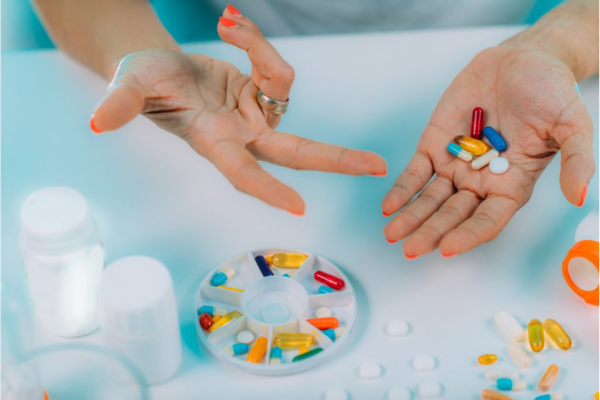
Medication Adherence​

Medication Adherence

Emergency Department Triage​

Emergency Department Triage

Emergency Department Overcrowding​

Emergency Department Overcrowding

Key Features

1. Attending /Non-Attending Classes
2. Clinical Training in Nearest Hospital/Clinics.
3. Free Study Material with recorded lectures
4. Best Faculties (Super Specialists) of India

5. Library Access & Question & Answer Session
6. NAAC A+ University
7. 1 Year of Mentorship
8. Updated Curriculum

Course Curriculum

  • Overview of Emergency Medicine: Definition, scope, and evolution of emergency medicine
  • Principles of Emergency Care: Initial assessment, triage, and prioritization of cases
  • Emergency Medical Services (EMS): Structure and roles within the EMS system
  • Legal and Ethical Considerations: Patient consent, documentation, and medico-legal issues
  • Communication Skills in Emergency Medicine: Handling crises, dealing with family members, and interdisciplinary communication
  • Basic Life Support (BLS): CPR techniques, defibrillation, airway management
  • Advanced Cardiac Life Support (ACLS): Advanced airway management, pharmacology, rhythm recognition, and emergency pharmacology
  • Case Scenarios and Simulation: Practical training on BLS and ACLS in emergency situations
  • Post-Resuscitation Care: Stabilization, transport protocols, and ICU referral
  • Trauma Assessment and Management: Primary and secondary surveys, ATLS principles
  • Head, Neck, and Spinal Injuries: Immediate management and diagnostic approaches
  • Chest and Abdominal Trauma: Thoracic injuries, penetrating trauma, and abdominal emergencies
  • Orthopedic Trauma: Fracture management, splinting, dislocations, and compartment syndrome
  • Pediatric and Geriatric Trauma: Age-related considerations and specific interventions
  • Acute Respiratory Emergencies: Asthma, COPD exacerbations, pulmonary embolism, and anaphylaxis
  • Cardiovascular Emergencies: Acute myocardial infarction, arrhythmias, hypertensive crises
  • Neurological Emergencies: Stroke, seizures, and head trauma
  • Endocrine Emergencies: Diabetic ketoacidosis, thyroid storm, adrenal crises
  • Infectious Disease Emergencies: Sepsis, meningitis, and viral hemorrhagic fevers
  • Pediatric Emergencies: Neonatal resuscitation, common pediatric emergencies (fevers, seizures, dehydration)
  • Obstetric Emergencies: Ectopic pregnancy, preeclampsia, postpartum hemorrhage, fetal distress
  • Newborn Care: Resuscitation, stabilization, and transport of critically ill neonates
  • Special Considerations in Pediatric and Obstetric Patients: Age-specific physiologic responses, drug dosages, and non-invasive procedures
  • Toxicology Overview: Mechanisms of poisoning, common toxins, and antidotes
  • Management of Overdose and Poisoning: Ingested toxins, drugs of abuse, chemical exposures
  • Environmental Emergencies: Hypothermia, hyperthermia, drowning, and snake bites
  • Hazardous Material Exposure: Chemical burns, radiation exposure, and bioterrorism incidents
  • Poison Control and Decontamination: Protocols for managing toxic exposures and mass casualty events
  • Disaster Response Systems: Incident command, triage, and resource allocation
  • Mass Casualty Incident (MCI) Protocols: Triage, transport, and managing a high-volume of casualties
  • Psychological First Aid: Mental health support for victims, families, and healthcare providers
  • Disaster Preparedness Plans: Coordination with governmental and non-governmental agencies
  • Simulation Drills: Real-life disaster response scenarios
  • Point-of-Care Ultrasound (POCUS): Introduction to bedside ultrasound in emergency care
  • Radiological Imaging: CT, MRI, X-ray interpretation in trauma and acute illness
  • Laboratory Diagnostics: Blood gas analysis, cardiac markers, and toxicology screens
  • Advanced Monitoring Systems: Use of hemodynamic monitoring, invasive and non-invasive methods
  • Interpretation of ECG and Other Diagnostic Tools: Focus on critical care and emergency settings
  •  
  • Emergency Department Flow: Patient triage, room allocation, and optimal resource management
  • Quality Improvement: Implementing and assessing quality assurance measures, patient safety protocols
  • Staff Management and Leadership: Roles within the emergency department, teamwork, and leadership principles
  • Legal and Ethical Issues in Emergency Medicine: Consent, confidentiality, medical errors, and professional conduct
  • Patient Flow Management and Disposition: Safe discharge planning, referrals, and follow-up care
  • Research Methods in Emergency Medicine: Quantitative and qualitative research approaches
  • Critical Appraisal of Literature: Evaluating clinical trials, observational studies, and metaanalyses
  • Evidence-Based Guidelines in Emergency Medicine: Integrating research findings into clinical practice
  • Data Collection and Analysis: Designing studies, statistical tools, and research ethics
  • Capstone Project: Developing a research proposal or case study relevant to emergency medicine
  • Supervised Clinical Rotations: Clinical experience in emergency departments, trauma centers, and critical care units
  • Skills Laboratories: Simulated scenarios for trauma management, resuscitation, and other critical procedures
  • Patient Case Studies: Management of real-life emergency cases, diagnostic reasoning, and therapeutic interventions
  • Interdisciplinary Teamwork: Collaborative learning with nurses, paramedics, and specialists
  • Final Skills Assessment: Practical examinations and OSCE-style assessments
  •  
  • Airway Anatomy and Physiology: Understanding the structure and function of the airway
  • Basic and Advanced Airway Devices: Intubation, laryngeal masks, and supraglottic airways
  • Difficult Airway Management: Strategies for handling challenging intubations and alternative airway techniques
  • Rapid Sequence Induction (RSI): Indications, drugs, and protocols for RSI in the emergency setting
  • Airway Emergencies: Dealing with foreign body obstruction, trauma-related airway issues, and upper airway obstruction
  • Physiological Changes in Older Adults: Aging, polypharmacy, and their effects on emergency management
  • Acute Care of the Geriatric Patient: Common emergencies in the elderly such as delirium, falls, and sepsis
  • Multimorbidity and Polypharmacy: Managing complex cases with multiple comorbidities
  • Palliative and End-of-Life Care: Addressing the needs of terminally ill patients in the emergency setting
  • Geriatric Trauma: Special considerations for trauma in the elderly, including fractures and head injuries
  • Surgical Airway Management: Cricothyroidotomy, tracheostomy, and surgical interventions for airway obstruction
  • Chest Trauma Surgery: Indications for thoracotomy, chest tube insertion, and emergency drainage
  • Abdominal Emergencies: Managing perforated viscus, bowel obstruction, and laparotomy in trauma
  • Orthopedic Procedures: Emergency reduction of fractures and dislocations, immobilization techniques
  • Point-of-Care Ultrasound (POCUS) in Trauma: Bedside diagnostic procedures, including FAST (Focused Assessment with Sonography for Trauma)
  • Sepsis Recognition and Management: Early identification, fluid resuscitation, antibiotic therapy, and sepsis bundles
  • Common Infectious Emergencies: Bacterial, viral, and fungal infections with acute presentations (e.g., meningitis, pneumonia, cellulitis)
  • Antimicrobial Stewardship in the Emergency Department: Choosing the appropriate antibiotics, managing multi-drug resistant organisms
  • Immunocompromised Patient Management: Special considerations for HIV, cancer, transplant, and other immunosuppressed patients
  • Pandemic Preparedness: Infectious disease outbreaks, including COVID-19, and emergency department protocols
  • Mental Health Crisis Management: Triage, assessment, and management of psychiatric emergencies (e.g., suicide attempts, violent patients)
  • Acute Psychiatric Conditions: Delirium, psychosis, and mood disorders in the emergency setting
  • Substance Use Disorders and Overdose: Acute intoxication, withdrawal, and overdose management (including opioids, stimulants, alcohol)
  • De-escalation Techniques: Handling aggressive or agitated patients safely and effectively
  • Legal and Ethical Considerations in Psychiatric Emergencies: Involuntary commitment, capacity assessment, and patient rights

Our Accrediation Partners

Infotech Education Society University
cpn & training
mind power university

Fill Form Our Team Will Contact Soon

Choose medicalglobalacademy as your trusted partner for medical education and elevate your expertise to new heights.

Frequently Asked Questions

To apply, visit the course page of your interest and click on the ‘Apply Now’ button. Follow the instructions to complete your application. You may need to submit relevant documents and a resume.

Yes, all our courses are accredited by recognized medical and educational institutions. Details of accreditation can be found on each course page.

Yes, we offer a variety of online courses to provide flexibility for our students. Check the course descriptions for information on whether a course is available online.

You can contact our support team via email at support@indianmedicalcourse.com or call us at [+91 9289868050]. Our support team is available Monday to Friday from 9 AM to 6 PM.

Scroll to Top
Consult Now