
PG DIPLOMA IN INTERNAL MEDICINE
Discover the world of PG diplomas for internal medicine with our Practical Doctoral Program for Graduate School. Our courses are ideal for healthcare professionals who want to distinguish themselves in diagnostic imaging, providing practical training and professional instructions.
About the Programme
MGA Medical Global Academy offers an advanced Fellowship in Internal Medicine, providing expertise to MBBS doctors and health practitioners worldwide to diagnose and treat a wide range of adult health cases. This Fellowship in Internal Medicine is essential in an age of rising multi-morbidity to deliver evidence-based comprehensive care. The 12-month structured program hones clinical abilities and advanced diagnostic skills, empowering you to lead in both hospital and outpatient settings.
"Participants are encouraged to pursue research projects that advance understanding of INTERNAL MEDICINE. Upon completion, fellows are fully equipped to provide quality patient care and advance INTERNAL MEDICINE practice across India."
Skills You'll Master
Programme Curriculum
CPD & Training Council · Mind Power University
Batch starts on
Jan to Dec/ May to June
Course Duration
12 Months
Multimodal Program
Hybrid Mode & Clinical Attachment
Flexible payment
financing options available
PG Diploma in Internal Medicine
The MGA Medical Global Academy PG Diploma in Internal Medicine is a detailed and clinically oriented program offered with the aim of providing an in-depth knowledge and applied skills in the diagnosis, management and treatment of a wide spectrum of adult medical conditions. The program provides the healthcare professionals with the expertise in the major medical specialties like cardiology, pulmonology, nephrology, gastroenterology, endocrinology and infectious diseases. The course will be focused on both solid theoretical backgrounds and practical clinical exposure, which would allow the course participants to be able to manage complex and multi-system disorders. It concentrates on evidence based medical practice, patient centered care and clinical decision making. This diploma equips professionals to provide quality healthcare and confidently treat acute and chronic illnesses in a contemporary clinical setting.
Outcome of the Program
When you complete the course you will be able to:
Diagnose, and treat simple and complex adult medical diseases.
Accurately interpret laboratory investigations, imaging and clinical findings.
Establish effective treatment plans for chronic diseases such as diabetes, hypertension and heart disease.
Treat multi-system disorders and patients with multiple comorbidities.
Handle medical emergencies such as shock, sepsis, and respiratory failure
Use evidence-based medicine in making clinical decisions.
Carry out necessary clinical procedures and patient evaluation.
Offer patient-centered, ethical and holistic medical care.
Career Opportunities
At the end of the program, you can:
Practice as a doctor in hospitals and medical facilities.
Experience in outpatient clinics or in multispecialty arrangements.
Establish or develop your own general medicine practice.
Emergency and critical care unit work.
Donate to chronic disease management projects.
Continue to acquire additional specialization in internal medicine subspecialties.
Participate in research and scholarly activities in clinics.
The PG Diploma in Internal Medicine will assist you in becoming a good and confident physician with good clinical knowledge, practical expertise and capability to handle complex medical cases in the modern healthcare setting.
What you'll learn

Basics of human anatomy as relevant to clinical practice

Basic functioning of various organ-system

Preventive and environmental issues
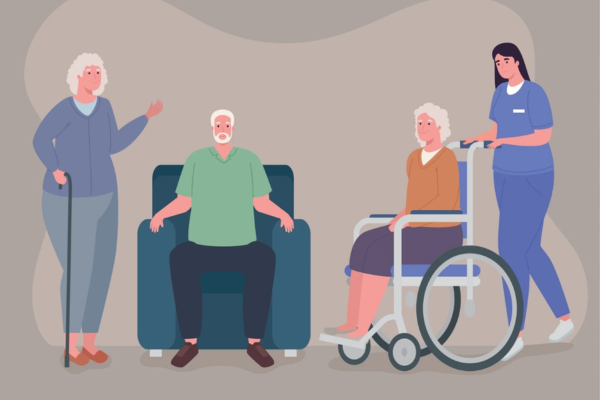
Aging and Geriatric Medicine
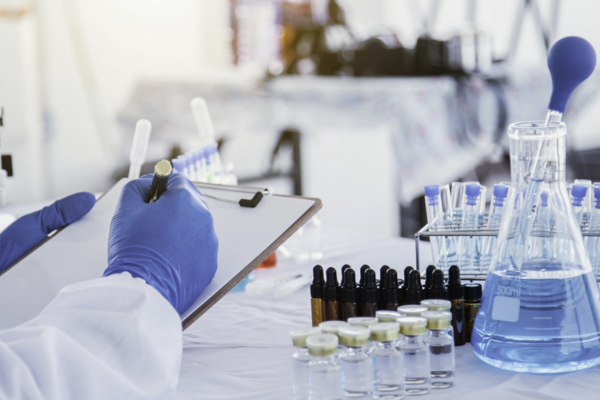
Clinical Pharmacology
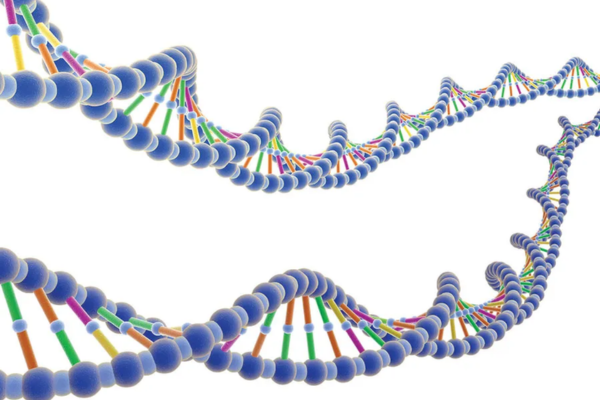
Principles of Human Genetics
Key Features
1. Attending /Non-Attending Classes
2. Clinical Training in Nearest Hospital/Clinics.
3. Free Study Material with recorded lectures
4. Best Faculties (Super Specialists) of India
5. Library Access & Question & Answer Session
6. NAAC A+ University
7. 1 Year of Mentorship
8. Updated Curriculum
Course Curriculum
- Overview of Internal Medicine: Scope, principles, and current trends.
- History Taking and Clinical Examination: Comprehensive patient history, physical examination, and clinical reasoning.
- Diagnostic Investigations: Overview of common diagnostic tools and their interpretation, including lab tests, imaging, and biopsies
- Ethics and Patient Communication: Medical ethics, patient confidentiality, informed consent, and effective communication skills.
- Clinical Decision Making: Evidence-based approaches to diagnosing and managing diseases.
- Cardiac Anatomy and Physiology: Structure and function of the heart, cardiovascular system.
- Cardiovascular Disease Prevention: Risk factors, prevention strategies, and lifestyle modifications.
- Hypertension and Heart Failure: Diagnosis, management, and pharmacological therapies.
- Acute Coronary Syndrome: Myocardial infarction, angina, and management of acute episodes.
- Arrhythmias: Electrocardiogram interpretation, management of arrhythmias.
- Valvular Heart Disease and Cardiomyopathies: Clinical features, diagnosis, and management.
- Pulmonary Anatomy and Physiology: Respiratory system structure and function.
- Chronic Obstructive Pulmonary Disease (COPD): Diagnosis, treatment, and management strategies.
- Asthma and Allergy: Pathophysiology, diagnosis, and therapeutic approaches.
- Pulmonary Infections: Pneumonia, tuberculosis, and respiratory tract infections.
- Interstitial Lung Disease: Classification, diagnosis, and management.
- Sleep Disorders: Sleep apnea, insomnia, and diagnostic techniques.
- Gastrointestinal Anatomy and Physiology: Structure and function of the digestive system.
- Peptic Ulcer Disease and Gastroesophageal Reflux Disease (GERD): Diagnosis and management
- Inflammatory Bowel Diseases: Ulcerative colitis and Crohn’s disease—pathophysiology and treatment.
- Hepatitis and Liver Cirrhosis: Diagnosis, staging, and management of liver diseases.
- Liver Transplantation: Indications, procedures, and post-transplant care.
- Endoscopy and Imaging in Gastroenterology: Techniques and their diagnostic relevance.
- Renal Anatomy and Physiology: Structure and function of the kidneys.
- Chronic Kidney Disease (CKD): Staging, management, and prevention.
- Acute Kidney Injury (AKI): Diagnosis, causes, and treatment.
- Electrolyte and Acid-Base Disorders: Hyperkalemia, hyponatremia, metabolic acidosis, and alkalosis.
- Dialysis and Renal Transplantation: Indications, management, and complications.
- Glomerular Diseases: Nephrotic syndrome, nephritic syndrome, and autoimmune kidney diseases.
- Thyroid Disorders: Hypothyroidism, hyperthyroidism, and thyroid malignancy.
- Diabetes Mellitus: Diagnosis, management, and long-term complications.
- Obesity and Metabolic Syndrome: Pathophysiology, management, and lifestyle interventions.
- Adrenal Disorders: Addison’s disease, Cushing’s syndrome, and adrenal insufficiency.
- Pituitary and Parathyroid Disorders: Acromegaly, hyperparathyroidism, and hypopituitarism.
- Reproductive Endocrinology: PCOS, infertility, and hormonal treatments.
- Anemia and Blood Disorders: Types of anemia, hemoglobinopathies, and bone marrow failure.
- Coagulation Disorders: Hemophilia, deep vein thrombosis, and anticoagulant therapy.
- Leukemia and Lymphoma: Diagnosis, staging, and management of hematological malignancies.
- Solid Organ Cancers: Common cancers (lung, breast, colorectal) and their management.
- Chemotherapy and Radiation Therapy: Principles, side effects, and supportive care.
- Palliative Care in Oncology: Pain management, symptom control, and quality of life.
- General Principles of Infectious Diseases: Pathogenesis, transmission, and prevention.
- Common Infections: Upper and lower respiratory infections, gastrointestinal infections, and urinary tract infections.
- Emerging Infectious Diseases: HIV/AIDS, Zika, Ebola, and other viral pandemics.
- Antibiotics and Resistance: Principles of antimicrobial therapy and antibiotic resistance.
- Infection Control in Hospitals: Preventive measures, isolation techniques, and hospital-acquired infections.
- Vaccination Strategies: Immunization schedules and strategies in adults.
- Autoimmune Diseases: Systemic lupus erythematosus (SLE), rheumatoid arthritis, and vasculitis.
- Osteoarthritis and Other Musculoskeletal Disorders: Pathophysiology, diagnosis, and management.
- Gout and Crystal-induced Arthritis: Diagnosis and treatment strategies.
- Spondyloarthropathies: Ankylosing spondylitis and psoriatic arthritis.
- Connective Tissue Disorders: Scleroderma, dermatomyositis, and polymyalgia rheumatica.
- Immunosuppressive Therapy: Indications, side effects, and monitoring.
- Basic Life Support (BLS) and Advanced Cardiac Life Support (ACLS): Certification and clinical practice.
- Clinical Case Studies and Discussions: In-depth case studies covering multiple organ systems.
- Clinical Procedures: Venipuncture, lumbar puncture, and other common medical procedures.
- Patient Management and Multidisciplinary Approach: Collaboration with specialists and healthcare teams.
- Medical Research and Evidence-based Medicine: Research methodologies, critical appraisal of literature, and applying evidence to clinical practice.
- Neurological Anatomy and Physiology: Basic structure and function of the nervous system.
- Stroke and Transient Ischemic Attack (TIA): Diagnosis, management, and rehabilitation strategies.
- Seizure Disorders and Epilepsy: Types of seizures, causes, diagnostic tools, and pharmacological management.
- Dementia and Alzheimer’s Disease: Early diagnosis, cognitive assessments, and treatment options.
- Multiple Sclerosis and Parkinson’s Disease: Pathophysiology, clinical features, and management.
- Neuromuscular Disorders: Myasthenia gravis, Guillain-Barré syndrome, and muscular dystrophies.
- Basic Dermatological Principles: Structure and function of the skin, common skin disorders.
- Inflammatory Skin Conditions: Psoriasis, eczema, and dermatitis.
- Infectious Skin Diseases: Bacterial, viral, fungal, and parasitic infections.
- Pigmentation Disorders: Vitiligo, melasma, and other skin pigmentations.
- Skin Cancer and Tumors: Basal cell carcinoma, squamous cell carcinoma, melanoma, and their management.
- Principles of Geriatric Medicine: Assessment, common geriatric syndromes, and multidisciplinary care.
- Chronic Disease Management in Elderly: Cardiovascular, renal, and metabolic diseases in aging.
- Cognitive Decline and Delirium in Older Adults: Diagnosis and management strategies.
- Polypharmacy and Drug Interactions: Safe prescribing practices in the elderly.
- End-of-life Care: Palliative care principles, pain management, and hospice care.
- Psychosocial Aspects of Geriatrics: Addressing mental health, caregiver support, and quality of life.
- Initial Assessment and Stabilization: Primary and secondary survey in acute patients, including trauma and medical emergencies.
- Shock and Fluid Resuscitation: Pathophysiology, types of shock, and appropriate interventions.
- Respiratory Failure: Mechanisms, types of failure, and ventilator support.
- Sepsis and Multisystem Organ Failure: Early identification, fluid management, and antibiotic therapy.
- Cardiopulmonary Resuscitation (CPR): Advanced life support and emergency algorithms.
- Trauma and Burn Management: Initial management of trauma and burn injuries, including fluid management and wound care.
- Nutritional Assessment: Identifying nutritional deficiencies and excesses.
- Nutritional Support in Chronic Illnesses: Diabetes, cancer, cardiovascular disease, and renal failure.
- Obesity Management: Pathophysiology, treatment options, and bariatric interventions.
- Enteral and Parenteral Nutrition: Indications, techniques, and complications.
- Micronutrients and Their Role in Health: Vitamins, minerals, and antioxidant supplementation.
- Malnutrition and Cachexia: Diagnostic approaches and therapeutic strategies in critically ill patients.
Our Accrediation Partners

Fill Form Our Team Will Contact Soon
Choose medicalglobalacademy as your trusted partner for medical education and elevate your expertise to new heights.
Frequently Asked Questions
To apply, visit the course page of your interest and click on the ‘Apply Now’ button. Follow the instructions to complete your application. You may need to submit relevant documents and a resume.
Yes, all our courses are accredited by recognized medical and educational institutions. Details of accreditation can be found on each course page.
Yes, we offer a variety of online courses to provide flexibility for our students. Check the course descriptions for information on whether a course is available online.
You can contact our support team via email at support@medicalglobalacademy.com or call us at [+919310027474]. Our support team is available Monday to Friday from 9 AM to 6 PM.
Which Post-MBBS Course Format Is Right for You?
Answer three quick questions and we'll match you to the format that fits your goals — Certificate, PG Diploma, or Fellowship.