
PG DIPLOMA IN ORTHOPEDICS
About the Programme
MGA's PG Diploma in Orthopedics is a 12-month postgraduate program for MBBS doctors and qualified healthcare professionals who want to build advanced clinical expertise in orthopedic medicine. As one of the most comprehensive orthopedic diploma courses in India, this program blends intensive theoretical education with structured clinical exposure — covering the diagnosis, treatment, and rehabilitation of musculoskeletal disorders, fractures, joint diseases, sports injuries, and spinal disorders — delivered through evening live classes, 100% recorded lectures, and LMS-based learning built entirely around your practice schedule.
The PG Diploma in Orthopedics curriculum spans 18+ modules — covering musculoskeletal pathology, diagnostic imaging (X-ray, MRI, CT), orthopedic trauma and fracture management, joint replacement and reconstruction, pediatric orthopedics, sports medicine and rehabilitation, spine orthopedics, orthopedic surgical techniques, geriatric orthopedics, orthopedic oncology, limb reconstruction, upper and lower limb orthopedics, musculoskeletal infections, and evidence-based orthopedic practice. This diploma in orthopaedics in India combines expert faculty guidance from India's leading orthopedic surgeons, free study materials, e-library access, university-awarded certification, and one year of structured mentorship.
"This PG Diploma in Orthopedics will enable you to become a competent orthopedic practitioner with robust clinical skills, specialist knowledge, and the capacity to effectively treat musculoskeletal conditions in modern healthcare facilities across India."
- MBBS Graduates
- MD / MS Physicians
- General Surgeons
- General Physicians
- NMC-Qualified Doctors
Skills You Will Gain from This PG Diploma in Orthopedics
Six core clinical competencies covering the full diagnostic and therapeutic spectrum of this orthopedic diploma course in India.
Career Opportunities After This PG Diploma in Orthopedics
Graduates of MGA's orthopedic diploma course in India are well-prepared for specialist roles across hospitals, clinics, trauma units, and rehabilitation centres nationwide.
PG Diploma in Orthopedics — Key Features
Everything MGA provides in this orthopedic diploma course India
Accreditation & Recognition
What you'll learn

Anatomy and function of joints

Bone structure and function

Growth factors and facture healing

Cartilage structure and function
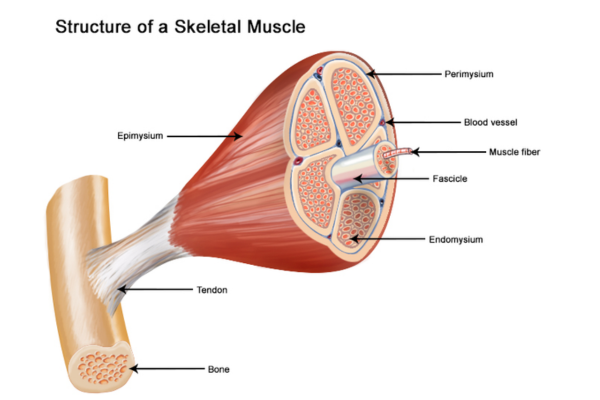
Structure and function of muscles and tendons

Metallurgy in Orthopaedics
Key Features
1. Attending /Non-Attending Classes
2. Clinical Training in Nearest Hospital/Clinics.
3. Free Study Material with recorded lectures
4. Best Faculties (Super Specialists) of India
5. Library Access & Question & Answer Session
6. NAAC A+ University
7. 1 Year of Mentorship
8. Updated Curriculum
Course Curriculum
- Summary of Orthopedic Medicine: History, scope, and development.
- Fundamental concepts of musculoskeletal anatomy and biomechanics.
- Knowing bone, joint, and soft tissue pathologies.
- Diagnostic methods and techniques in orthopedics (X-rays, MRI, CT scans, etc.)
- Clinical examination techniques
- Diseases of the bones and joints: Osteoarthritis, Rheumatoid arthritis, Gout, etc.
- Classification and treatment of fractures (open, closed, compound and simple fractures).
- Soft tissue injuries: Tendon tears, ligament ruptures and muscle strains.
- Diagnostic Imaging: MRI, CT scans, and Ultrasound in orthopedic practice interpretation of X-rays.
- Advanced diagnostic methods: Bone scans, arthroscopy and biopsy.
- Primary evaluation and treatment of orthopedic trauma.
- Fracture treatment: Reduction, immobilization, and fixation.
- Multidisciplinary trauma treatment (Orthopedic surgeon, anesthetists, physiotherapists, etc.)
- Polytrauma and compartment syndrome.
- Orthopedics Emergency procedures.
- Typical orthopedic pediatric disorders: Developmental dysplasia of the hip, clubfoot, scoliosis.
- Children: growth and development of bones and joints.
- Treatment of fractures in children.
- Defects of children born with or acquired.
- Orthopedic surgical procedures in children.
- Sports-related musculoskeletal disorders: Sprains, strains, tendonitis, fractures.
- Rehabilitation interventions: Physical therapy, muscle-strengthening, functional rehabilitation.
- Conservative vs. surgical treatment of sports injuries.
- Return-to-play guidelines and long-term care.
- The place of orthopedic surgeons in a sports medicine team.
- Signs and symptoms of joint replacement surgery (Hip, Knee, Shoulder and Ankle)
- Methods of total joint arthroplasty (TJA) and revision surgeries.
- Joint replacement Pre-operative and post-operative care.
- Complications management after joint replacement.
- Innovations in joint prosthetics and least invasive surgery.
- Spinal anatomy and biomechanics.
- Typical spinal lesions: Herniated discs, spondylolisthesis, scoliosis, and stenosis of the spine.
- Non-operative treatment: Physiotherapy, analgesics, and braces.
- Surgical: Spinal fusion, disc replacement and laminectomy.
- Rehabilitation and recovery after surgery.
- Clinical experience in orthopedic surgery.
- Fracture fixation: Plates, screws, rods, and casts (internal and external).
- Soft tissue repair: Ligament repair, tendon repair.
- Arthroscopic surgery: Surgery of the knee, shoulder and ankle: Techniques and indications.
- Orthopedic surgery Minimally invasive surgery (MIS).
- Risk management and complications in orthopedics surgery.
- Aging and bone and joint changes.
- Management and osteoporosis in the elderly.
- Preventing fracture in elderly people.
- Replacement of joints in elderly patients: Reasons and results.
- Geriatric orthopedic multidisciplinary approach.
- Principles and methods of research in orthopedics.
- Evidence-based medicine (EBM): The combination of research with clinical practice.
- Orthopedic literature systematic reviews and meta-analysis.
- Ethics in orthopedic studies.
- Writing research papers and clinical studies to be published.
- Mechanisms of pain in musculoskeletal disorders.
- Pharmacological pain treatment: Non-opioid analgesics, opioids and adjuncts.
- Non-pharmacological treatment of pain: Physical therapy, acupuncture, and cognitive behavioral therapy.
- Management and control of post-operative pain.
- Orthopedic chronic pain syndromes: Treatment and rehabilitation.
- Practical experience in orthopedic clinics and hospitals.
- Extensive case analyses and practical patient treatment scenarios.
- Diagnostic and treatment decision-making.
- Operative practice (under supervision).
- Summative assessment and evaluation.
- Introduction to limb trauma and complicated fractures.
- Limb salvage surgical principles and limb lengthening.
- Surgical intervention of traumatic injuries involving the soft tissues.
- Bone substitutes and bone grafting.
- Reconstructive surgery methods of traumatic deformities.
- Non-union, malunion and bone infection management.
- Overview of bone and soft tissue tumors.
- Musculoskeletal malignancies diagnosis and staging.
- Orthopedic oncology surgery principles: Wide excision, limb salvage, and amputation.
- Radiotherapy and chemotherapy in treating bone cancer.
- Multidisciplinary management of bone tumors: Oncologists, radiologists and surgeons.
- An orthopedic oncology palliative care.
- Shoulder, elbow and wrist anatomy and biomechanics.
- Typical disorders: Rotator cuff tears, tennis elbow, carpal tunnel syndrome.
- Management of upper-limb conditions (surgical and non-surgical).
- Repair of tendon and ligament in the upper limb.
- Fractures and dislocations: Shoulder, elbow and wrist fractures.
- Post-operative rehabilitation of the upper limb.
- Hip, knee, ankle, and foot anatomy and biomechanics.
- Typical lower limb disorders: Osteoarthritis of the knee, hip dysplasia, Achilles tendonitis.
- Fracture: Hip fractures, tibial fractures, ankle fractures.
- Surgery: total knee replacement, hip replacement, and ligament reconstruction (ACL).
- Foot/ankle conditions: Flatfoot, hallux valgus, plantar fasciitis.
- Post-surgery rehabilitation and recovery of lower limbs.
- Orthopedic care in the pregnant woman: Pelvic problems, lower back pain and posture changes.
- Orthopedic issues in individuals with disability: Spinal cord injuries, cerebral palsy and amputations.
- Orthopedic patient care in comorbidities (diabetes, cardiovascular disease, and obesity).
- Special population bone health and metabolic diseases.
- Treatment of complications after operations in patients with complicated health conditions.
- Pathophysiology and classification of musculoskeletal infections.
- Osteomyelitis, septic arthritis, and soft tissue infections diagnosis and management.
- Prevention of infection in orthopedic surgery.
- Management of bone health: Osteopenia, osteoporosis and metabolic bone diseases.
- Place of antimicrobial therapy in musculoskeletal infections.
- Prevention of surgical site infections.
Our Accrediation Partners

Fill Form Our Team Will Contact Soon
Choose medicalglobalacademy as your trusted partner for medical education and elevate your expertise to new heights.
Frequently Asked Questions
To apply, visit the course page of your interest and click on the ‘Apply Now’ button. Follow the instructions to complete your application. You may need to submit relevant documents and a resume.
Yes, all our courses are accredited by recognized medical and educational institutions. Details of accreditation can be found on each course page.
Yes, we offer a variety of online courses to provide flexibility for our students. Check the course descriptions for information on whether a course is available online.
You can contact our support team via email at support@medicalglobalacademy.com or call us at [+919310027474]. Our support team is available Monday to Friday from 9 AM to 6 PM.
Which Post-MBBS Course Format Is Right for You?
Answer three quick questions and we'll match you to the format that fits your goals — Certificate, PG Diploma, or Fellowship.