
PG DIPLOMA IN PSYCHIATRIC MEDICINE
Discover the world of PG diploma in psychiatry with a practical graduate research program. Our courses are ideal for medical professionals who are diagnosed diagnostically and provide practical training and professional instructions.
Batch starts on
Jan to Dec/ May to June
Course Duration
12 Months
Multimodal Program
Hybrid Mode & Clinical Attachment
Flexible payment
financing options available
PG Diploma in Psychiatry Medicine
The PG Diploma in Psychiatry Medicine provided by the MGA Medical Global Academy is a focused and intensive course that targets medical professionals who desire to develop a solid expertise in mental health care and psychiatry. The course is aimed at the creation of clinical knowledge and practical skills that are necessary to diagnose and treat a broad spectrum of psychiatric disorders. The main aspects that will be covered by the program include psychiatric assessment, mood disorders, anxiety disorders, psychotic conditions, addiction medicine, psychotherapy techniques, and psychopharmacology. It integrates both rigorous theoretical training and clinical experience, allowing participants to learn the real-world mental health experience and provide care to patients. This pg diploma course will equip graduates to provide patient-centered psychiatric care, create effective treatment plans, and make positive contributions to the ever-expanding field of mental healthcare.
Outcome of the Program
At the end of the course, you will be able to:
Identify and diagnose some common psychiatric conditions.
Carry out psychiatric interviews and mental status examinations.
Explain psychological tests and diagnostic instruments.
Create and oversee personalized treatment programs.
Prescribe and follow psychopharmacology treatment.
Apply psychotherapy techniques such as CBT and counseling.
Deal with psychiatric emergencies and crisis situations.
Offer holistic, ethical, and patient-centered mental health care.
Career Opportunities
At the end of the program, you can:
Hospital and mental health facility work.
Work in psychiatric centers or in rehabilitation.
Serve as a mental health consultant or practitioner.
Support multidisciplinary mental healthcare teams.
Find work in drug treatment and rehabilitation facilities.
Develop or enhance your own mental health practice.
Continue enjoying additional specialization in psychiatry subspecialties.
The PG Diploma in Psychiatry Medicine will make you a confident and competent mental health practitioner with good clinical knowledge, practical skills and the ability to treat complex psychiatric cases in the current changing healthcare landscape.
What you'll learn

Functional and behavioural neuroanatomy
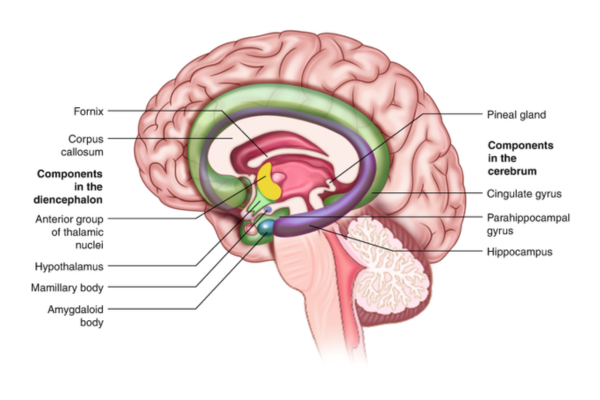
Neurophysiology and Neuro-chemistry

Psychoneuroendocrinology

Neurogenetic
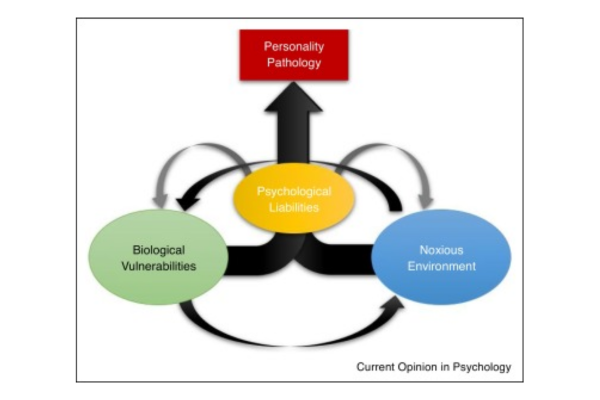
Theory of personality and personality disorders

Anxiety Disorders
Key Features
1. Attending /Non-Attending Classes
2. Clinical Training in Nearest Hospital/Clinics.
3. Free Study Material with recorded lectures
4. Best Faculties (Super Specialists) of India
5. Library Access & Question & Answer Session
6. NAAC A+ University
7. 1 Year of Mentorship
8. Updated Curriculum
Course Curriculum
- Overview of Psychiatry: History, evolution, and key figures in psychiatry.
- Basic Principles of Mental Health: Definition, scope, and importance of mental health in society.
- Mental Health Policies and Global Challenges: Current trends, WHO Mental Health Action Plans, and addressing mental health stigma.
- Assessment in Psychiatry: History-taking, clinical interviews, mental status examination, and diagnostic techniques.
- Neurobiological Basis of Psychiatric Illnesses: Brain structure, neurotransmission, and neurochemical imbalances in psychiatric conditions.
- Genetics in Psychiatry: Heredity, genetic disorders, and genetic counseling in psychiatry.
- Psychopharmacology: Introduction to psychotropic medications (antidepressants, antipsychotics, mood stabilizers, anxiolytics) and their mechanisms of action.
- Diagnostic Classification Systems: ICD-10 and DSM-5, differences, and application in clinical practice.
- Assessment and Diagnostic Tools: Use of structured interviews, rating scales, and psychometric tests in psychiatric diagnosis.
- Case Studies in Diagnosis: Practical exercises on diagnosing common psychiatric disorders.
- Depressive Disorders: Major depressive disorder, dysthymia, and treatment modalities.
- Bipolar Disorder: Types, clinical presentation, and management.
- Mood Disorders in Special Populations: Childhood, adolescence, and geriatric considerations in mood disorders.
- Generalized Anxiety Disorder (GAD): Diagnosis, clinical features, and management.
- Panic Disorder, Phobias, and OCD: Pathophysiology, symptomatology, and treatment approaches.
- Post-Traumatic Stress Disorder (PTSD): Diagnostic criteria, risk factors, and therapeutic interventions.
- Schizophrenia: Clinical presentation, subtypes, and management.
- Delusional Disorders: Types and treatment approaches.
- Other Psychotic Disorders: Brief psychotic disorder, schizoaffective disorder, and management strategies.
- Alzheimer’s Disease: Pathophysiology, diagnosis, and management.
- Other Dementias: Vascular dementia, Lewy body dementia, and frontotemporal dementia.
- Cognitive Impairment in Psychiatric Conditions: Cognitive dysfunction in mood and psychotic disorders.
- Developmental Psychiatry: Understanding developmental milestones and disorders in children and adolescents.
- Common Pediatric Psychiatric Disorders: ADHD, autism spectrum disorder, conduct disorder, and learning disabilities.
- Family and Social Considerations: Impact of family dynamics, parenting styles, and early interventions in child psychiatry.
- Aging and Mental Health: Normal aging versus pathological aging.
- Psychiatric Disorders in the Elderly: Depression, anxiety, dementia, and delirium.
- Management and Care of Older Adults: Therapeutic approaches, pharmacology, and multidisciplinary care.
- Substance Use Disorders: Alcohol, drug, and prescription medication addiction.
- Neurobiology of Addiction: Reward system, genetic factors, and environmental influences.
- Treatment and Rehabilitation: Pharmacotherapy, psychotherapy, and rehabilitation techniques.
- Cognitive Behavioral Therapy (CBT): Principles, application, and techniques in treating psychiatric disorders.
- Psychodynamic Therapy: Basic concepts, techniques, and case management.
- Group and Family Therapy: Applications in managing mental health issues.
- Mental Health Law: Patient rights, involuntary treatment, and legal responsibilities of psychiatrists.
- Ethical Dilemmas in Psychiatry: Confidentiality, consent, and ethical decision-making.
- Professionalism and Cultural Competence: Building cultural sensitivity in psychiatric care.
- Research Methods in Psychiatry: Quantitative and qualitative methods, statistical analysis, and research ethics.
- Critical Appraisal of Psychiatric Literature: Understanding research findings, clinical guidelines, and their application in practice.
- Developing a Research Proposal: Identifying research questions and designing a study in psychiatry.
- Psychiatric Emergencies: Acute psychiatric crises, suicide risk, and emergency management.
- Forensic Psychiatry: Intersection of psychiatry and law, criminal responsibility, and assessment of risk.
- Specialized Psychiatry: Child, adolescent, and geriatric subspecialties.
- Sleep Physiology and Neurobiology: Understanding sleep stages, circadian rhythms, and the brain’s role in sleep.
- Common Sleep Disorders: Insomnia, hypersomnia, narcolepsy, and parasomnias.
- Psychiatric and Sleep Disorders: The relationship between mood disorders, anxiety, and sleep disturbances.
- Treatment Approaches: Pharmacological and behavioral therapies for sleep disorders.
- Psychological Testing: Standardized tests used in psychiatric practice (e.g., MMPI, Beck Depression Inventory, WAIS).
- Personality Assessments: Use of personality inventories and their application in diagnosis and treatment.
- Neuropsychological Assessments: Tools for assessing cognitive function, including memory, attention, and executive function.
- Interpretation and Ethical Considerations: Understanding and explaining test results to patients and interdisciplinary teams.
- Mental Health Across the Female Lifespan: Puberty, reproductive years, pregnancy, postpartum, menopause, and aging.
- Psychiatric Disorders Specific to Women: Postpartum depression, premenstrual dysphoric disorder, and perimenopausal mental health issues.
- Treatment Considerations: Gender-sensitive treatments, the impact of hormonal changes, and psychopharmacology.
- Social and Cultural Influences: Impact of social roles, expectations, and stigma on women’s mental health.
- Psychiatric Impact of Chronic Pain: Depression, anxiety, and the interplay between pain and mental health.
- Pain Management and Psychiatric Care: Interdisciplinary approaches to treating patients with chronic pain.
- Somatoform Disorders and Pain: Understanding and managing somatic symptoms and hypochondriasis.
- Therapeutic Approaches: Cognitive-behavioral therapy, mindfulness, and pharmacological management for pain-related psychiatric disorders.
- Psychosomatic Disorders: Understanding the relationship between mind and body in conditions like gastrointestinal disorders, heart disease, and autoimmune diseases.
- Psychodynamic Models: Exploring the psychological roots of physical illnesses.
- Multidisciplinary Treatment Approaches: Combining psychiatry with other medical specialties to manage psychosomatic conditions.
- Behavioral Interventions: Use of stress management techniques, relaxation therapy, and biofeedback.
Our Accrediation Partners


Fill Form Our Team Will Contact Soon
Choose medicalglobalacademy as your trusted partner for medical education and elevate your expertise to new heights.
Frequently Asked Questions
To apply, visit the course page of your interest and click on the ‘Apply Now’ button. Follow the instructions to complete your application. You may need to submit relevant documents and a resume.
Yes, all our courses are accredited by recognized medical and educational institutions. Details of accreditation can be found on each course page.
Yes, we offer a variety of online courses to provide flexibility for our students. Check the course descriptions for information on whether a course is available online.
You can contact our support team via email at support@indianmedicalcourse.com or call us at [+91 9289868050]. Our support team is available Monday to Friday from 9 AM to 6 PM.
Which Post-MBBS Course Format Is Right for You?
Answer three quick questions and we'll match you to the format that fits your goals — Certificate, PG Diploma, or Fellowship.