
FELLOWSHIP IN INTERVENTIONAL PAIN MANAGEMENT
Explore the Fellowship in Interventional Pain Management through our practical-based Postgraduate Diploma Program. Tailored for medical professionals aiming to excel in diagnostics, this course provides clinical training and expert guidance to master advanced pain management techniques and elevate your clinical practice.
Batch starts on
Jan to Dec/ May to June
Course Duration
12 Months
Multimodal Program
Hybrid Mode & Clinical Attachment
Flexible payment
financing options available
Program overview
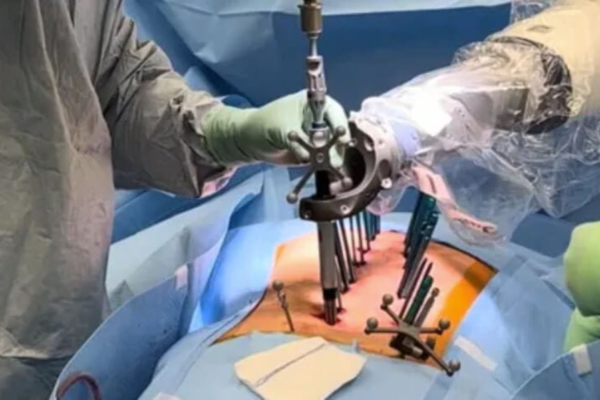
Medical practitioners interested in diagnosis and treatment of chronic pain diseases can pursue a clinically oriented Fellowship at MGA Medical Global Academy. This sophisticated fellowship will provide a balance of theory and clinical exposure to help to build expertise in the latest advances in pain management and minimally invasive interventional procedures. The program emphasises a multidisciplinary management approach to pain management that includes clinical assessment, imaging, pharmacotherapy and advanced interventional techniques. The practical training involves procedures like epidural steroid injections, nerve blocks, radiofrequency ablation, spinal cord stimulation, vertebroplasty, kyphoplasty, ultrasound guided procedures and minimally invasive spine procedures. Other areas of fellowship include pain management in neurological disorders, cancer pain, pelvic pain syndromes, regenerative medicine, neuromodulation therapies and pain management in special populations. The curriculum is based on contemporary healthcare concerns and aims to enhance patients’ outcomes, functional recovery, and quality of life for those with acute and chronic pain disorders.
What Skills You Will Gain
Extensive knowledge of acute, chronic, neuropathic and musculoskeletal pain disorders
Skill in clinical evaluation, diagnosis, and imaging in pain management treatment.
Clinical experience with epidural injections, nerve blocks, joint injections and trigger point therapy.
Advanced interventional skills (RF Ablation, Spinal Cord Stimulation, Neuromodulation)
The understanding of ultrasound guided pain interventions and minimally invasive spine procedures
Working experience in the treatment of cancer pain, pelvic pain syndromes and neurological pain disorders.
Awareness of regenerative medicine procedures such as PRP, stem cell therapy and prolotherapy.
Education on multidisciplinary pain management including rehabilitation, psychology and pharmacology treatment.
Knowledge of pain management in the elderly, pediatrics and substance use disorder patients.
Understanding of patient safety, ethics and opioid management in the context of pain medicine.
Greater clinical decision making, communication and counseling skills with patients.
The use of new technology and the development of new techniques in interventional pain treatment
Career Outcomes After the Fellowship
After completing the fellowship physicians will have enhanced their skills and pursue higher levels of experience and specialization in pain and minimally invasive therapeutic care.
Develop a niche practice in interventional pain management and minimally invasive pain treatments procedures.
Practice in multi specialty hospitals, pain clinics, rehab hospitals, orthopedic and spine hospitals.
Gain knowledge of high-level pain interventions and image guided procedures.
Enhance the quality of patient care and the quality of life by implementing evidence-based approaches for pain management.
Advance career paths in spine intervention, neuromodulation and regenerative medicine.
Become recognized as a specialist in chronic pain diagnosis and interventional treatment
Join in multidisciplinary health care teams for full pain care
Expand opportunities for clinical research, academic teaching and healthcare leadership
Keep abreast of cutting edge advancements and innovations in pain management and minimally invasive treatments.
Improve the professional development of one of the most dynamic and changing fields in current healthcare delivery
What you'll learn

Introduction to Pain Management

Pharmacological Management

Interventional Techniques
Advanced Interventional Procedures

Pain Management in Special Populations

Clinical Practice and Research
Key Features
- Attending /Non-Attending Classes
- Clinical Training in Nearest Hospital/Clinics.
- Free Study Material with recorded lectures
- Best Faculties (Super Specialists) of India
5. Library Access & Question & Answer Session
6. NAAC A+ University
7. 1 Year of Mentorship
8. Updated Curriculum
Course Curriculum
- Introduction to pain medicine, the role of the interventionalist.
- Pain types (acute, chronic, nociceptive, neuropathic, mixed pain).
- Neurophysiology and neurobiology of pain.
- Multidisciplinary pain management.
- Pharmacology of analgesic medications.
- Introduction to pain management ethical issues.
- Spinal, musculoskeletal, and peripheral nerve anatomy.
- Interventional pain management with fluoroscopy, ultrasound, CT scan and MRI.
- Knowledge of imaging-based methods of pain treatments.
- Imaging risks and safety measures.
- History-taking of pain and clinical examination.
- Diagnostic tests: nerve blocks, discography, provocation tests.
- Typical pain syndromes: lumbar radiculopathy, osteoarthritis, complex regional pain syndrome (CRPS), fibromyalgia.
- Psychological assessment in diagnosis of pain.
- Chronic pain conditions: Differential diagnosis.
- Epidural steroid injections: cervical, thoracic and lumbar.
- Medial branch blocks and facet joint injections.
- Dry needling and trigger point injections.
- Selective nerve blocks and nerve root blocks.
- Knee, shoulder, and hip pain: joint injections.
- Introduction to radiofrequency ablation (RFA) and spinal cord stimulation.
- Intrathecal drug delivery systems and spinal cord stimulation (SCS).
- Radiofrequency ablation and sacroiliac joint injections.
- Sympathetic blocks (e.g., stellate ganglion block, lumbar sympathetic block).
- Peripheral nerve blocks: brachial plexus, femoral, sciatic.
- Spinal fractures: vertebroplasty and kyphoplasty.
- Facet joint and nerve root pain: Radiofrequency ablation.
- Minimal invasive spine surgery and its indications.
- Management of pain in the elderly: issues and solutions.
- Pain management techniques in children.
- Managing pain in cancer patients: advanced techniques.
- The use of multimodal pain management in psychiatrically comorbid patients.
- The use and management of opioids in special populations.
- Interventional pain management ethics in vulnerable groups.
- Neuromodulation: introduction, principles and mechanisms.
- Spinal Cord Stimulation (SCS) – state of the art, patient selection, and troubleshooting.
- Peripheral Nerve Stimulation (PNS): indications, techniques, and outcomes.
- Deep brain stimulation (DBS) in pain treatment.
- Dorsal Root Ganglion (DRG) stimulation theory, technique and clinical usage.
- Mapping of paresthesias and optimizing neuromodulation devices.
- Discogenic pain intradiscal treatment (e.g. ozone therapy, laser disc decompression).
- Percutaneous endoscopic discectomy (PED).
- Vertebroplasty vs. kyphoplasty management of spinal fracture.
- Minimally invasive spine surgery (MISS) procedures.
- Spinal fusion surgery: symptoms and results.
- Spine pain management: the importance of interventional procedures.
- Anatomy and physiology of the pelvic pain.
- Common pelvic pain syndromes (e.g., interstitial cystitis, endometriosis, pelvic floor dysfunction) diagnosis.
- Pelvic pain nerve blocks (e.g., pudendal nerve block, pelvic sympathetic nerve block).
- Pelvic pain syndrome radiofrequency ablation.
- Myofascial pelvic pain interventional treatment.
- Pain in the pelvis following operation: diagnosis and treatment.
- The importance of psychology, physical therapy and occupational therapy in the management of pain.
- Combination of pharmacology, cognitive-behavioral therapy, and physical rehabilitation in management of chronic pain.
- Treating opioid-tolerant individuals and opioid sparing.
- Pain management in cancer care through collaboration.
- The multidisciplinary approach to the management of pain in elderly patients.
- Leadership and communication in the multidisciplinary pain management team.
- Post-stroke pain syndromes and pain in stroke survivors.
- Treatment of post-herpetic neuralgia and other neuropathic pain syndromes.
- Complex regional pain syndrome (CRPS): diagnosis, pathophysiology, and treatment plans.
- Treatment of diabetic neuropathy.
- Science of spinal cord injury and pain management procedures.
- TBI and chronic pain.
- Neuropathic pain syndromes: interventional vs. pharmacological treatment.
- Essential concepts and methods of ultrasound in the management of pain.
- Guidelines and methods of ultrasound-guided nerve blocks.
- Shoulder, knee, hip- ultrasound-guided joint injections.
- Ultrasound in the treatment of myofascial pain.
- Peripheral nerve stimulation (PNS) using ultrasound and its uses.
- State-of-the-art imaging to treat deep structures and complicated pain syndromes.
- Regenerative medicine principles: exosomes, platelet-rich plasma (PRP) and stem cells.
- Intervertebral disc degeneration and joint pain stem cell therapy.
- Platelet-rich plasma (PRP) treatment of musculoskeletal and soft tissue pain.
- Prolotherapy and the part in chronic ligament and tendon pain.
- Platelet-rich fibrin (PRF) to treat nerve injuries.
- The results of regenerative interventions in chronic pain are evidence-based.
- Learning about addiction and its effects on chronic pain.
- Management and evaluation of patients with a history of opioid use disorder.
- Medication-assisted treatment (MAT) of pain.
- Interventions in the treatment of pain in patients with opioid dependence.
- Pain treatment and behavioral therapy of addiction patients.
- The moral dilemmas and risk management in the treatment of pain and addiction.
Our Accrediation Partners


Fill Form Our Team Will Contact Soon
Choose medicalglobalacademy as your trusted partner for medical education and elevate your expertise to new heights.
Frequently Asked Questions
To apply, visit the course page of your interest and click on the ‘Apply Now’ button. Follow the instructions to complete your application. You may need to submit relevant documents and a resume.
Yes, all our courses are accredited by recognized medical and educational institutions. Details of accreditation can be found on each course page.
Yes, we offer a variety of online courses to provide flexibility for our students. Check the course descriptions for information on whether a course is available online.
You can contact our support team via email at support@medicalglobalacademy.com or call us at [+919310027474]. Our support team is available Monday to Friday from 9 AM to 6 PM.