
PG DIPLOMA IN INFERTILITY MANAGEMENT
Discover the world of PG diplomas in fertility management with our practical graduate degree program program. Our courses are ideal for medical professionals who are diagnosed diagnostically and provide practical training and professional instructions.
Batch starts on
Jan to Dec/ May to June
Course Duration
12 Months
Multimodal Program
Hybrid Mode & Clinical Attachment
Flexible payment
financing options available
PG Diploma in Infertility Management
The MGA Medical Global Academy course, the PG Diploma in Infertility Management, is a specialized certificate program that is rigorous and thorough in its content and the expertise it imparts to individuals pursuing the course. The course aims at ensuring effective clinical knowledge and clinical skills in diagnosis and management of infertility in male as well as female patients. In this program, there are key areas that are covered like reproductive physiology, infertility assessment, assisted reproductive technologies (ART), IVF methods, hormonal therapy, and counseling of the patients. It includes both intensive theoretical education and practical clinical exposure so that participants can gain a better understanding of the real-world clinical situations in infertility and how to effectively manage them. It is a diploma that prepares professionals to provide patients with personalized care plans and achieve better results in infertility management.
Outcome of the Program
When you complete the course you will be able to:
Assess and treat infertility in males and females.
Annalect interpolate hormonal profiles, imaging, and diagnostic tests.
Develop and organize infertility treatment.
Assist and perform in procedures like IUI and IVF.
Practice assisted reproductive technologies (ART) in clinical practice.
Supervise hormonal treatments and ovulation induction regimens.
Provide counseling and support to infertility patients
Provide ethical, safety, and patient-centered reproductive care.
Career Opportunities
At the end of the program, you can:
Work in fertility clinics and IVF centers
Work in hospitals as an infertility consultant.
Nurture or develop your own fertility practice.
Practice reproductive medicine and ART laboratories.
Help in superior fertility processes and therapies.
Continue additional training in reproductive medicine.
The PG Diploma in Infertility Management will help you become a skilled and confident infertility specialist with great clinical skills, advanced procedural knowledge and the capability to handle complex cases of infertility in the modern healthcare environment.
What you'll learn

Overview of infertility
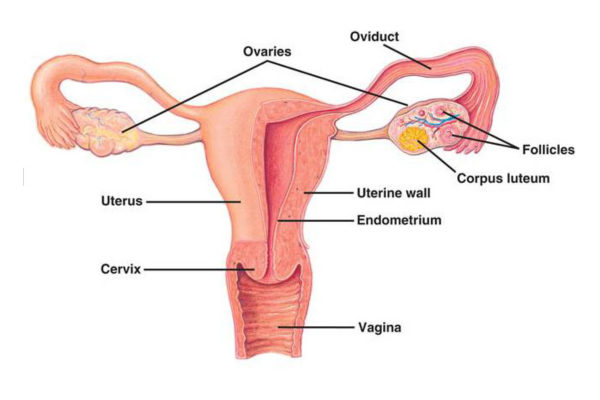
Anatomy and physiology of Male and female reproduction
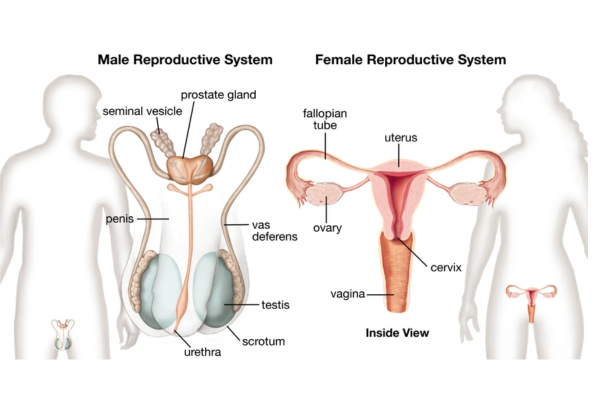
Development of the Reproductive Tract

Infertility counseling

Factors affecting fertility
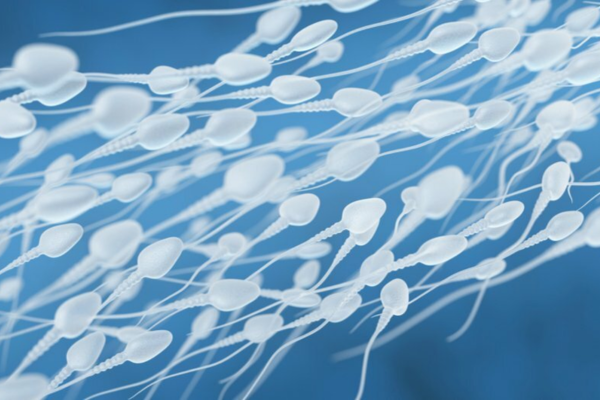
Sperm dysfunction and Abnormalities
Key Features
1. Attending /Non-Attending Classes
2. Clinical Training in Nearest Hospital/Clinics.
3. Free Study Material with recorded lectures
4. Best Faculties (Super Specialists) of India
5. Library Access & Question & Answer Session
6. NAAC A+ University
7. 1 Year of Mentorship
8. Updated Curriculum
Course Curriculum
- Basics of human reproduction and the reproductive system
- Epidemiology and causes of infertility
- Female reproductive physiology and disorders
- Male infertility and common causes
- Role of lifestyle factors in infertility (nutrition, stress, environmental factors)
- Ethical issues in infertility and assisted reproduction
- Legal frameworks and regulations in infertility treatments
- Psychological aspects of infertility
- Detailed history taking and patient counseling
- Initial investigations and diagnostic workup for male and female infertility
- Semen analysis and male factor infertility diagnostics
- Ovarian reserve testing and endocrine evaluation for women
- Hysterosalpingography (HSG) and laparoscopy for tubal evaluation
- Diagnostic imaging techniques in infertility management (ultrasound, hysteroscopy, etc.)
- Genetic screening and its role in infertility diagnosis
- Preparing the patient for fertility treatments
- Overview of ART and its applications
- Intrauterine insemination (IUI) – procedures, indications, and success rates
- In-vitro fertilization (IVF) – fundamentals, indications, and techniques
- Intracytoplasmic sperm injection (ICSI) – procedure and indications
- Egg retrieval and embryo transfer procedures
- Oocyte and sperm cryopreservation (freezing and thawing)
- Oocyte and sperm cryopreservation (freezing and thawing)
- Challenges and success rates in ART
- Hormonal physiology in infertility treatment
- Ovulation induction protocols (oral medications, injectable gonadotropins)
- Monitoring ovulation induction (ultrasound, blood tests, etc.)
- Role of GnRH analogs and antagonists
- Managing polycystic ovarian syndrome (PCOS) in infertility
- Ovarian hyperstimulation syndrome (OHSS) prevention and management
- Progesterone supplementation and luteal phase support
- Advances in ovulation induction protocols
- Role of embryology in ART and assisted reproduction
- Laboratory techniques in IVF and ICSI
- Embryo culture, grading, and selection
- Cryopreservation of gametes and embryos
- Preimplantation genetic testing (PGT) – screening and diagnosis of genetic disorders
- Handling and storage of gametes and embryos
- Ethical considerations in embryo research and genetic screening
- Quality control in ART laboratories
- Endoscopic procedures in infertility (laparoscopy, hysteroscopy)
- Uterine and fallopian tube reconstruction techniques
- Treatment options for male infertility (surgical sperm retrieval, varicocele treatment)
- Use of donor gametes (egg/sperm donation) in ART
- Surrogacy: types, legal aspects, and ethical issues
- Gestational carriers vs. traditional surrogacy
- Post-treatment care and follow-up in ART cycles
- Dealing with recurrent implantation failure and unexplained infertility
- Risk factors for ART pregnancies (multiple gestation, preeclampsia, gestational diabetes)
- Management of high-risk ART pregnancies
- Early pregnancy complications (ectopic pregnancy, miscarriage)
- Monitoring fetal well-being in ART pregnancies
- Psychological and emotional care for patients undergoing ART
- Ethical dilemmas in high-risk ART pregnancies
- Managing complications in cryopreservation and gamete storage
- Post-treatment counseling for ART patients
- Recent advances in genetic research and infertility treatment
- The role of artificial intelligence in reproductive medicine
- Gene editing and CRISPR technology in infertility
- Stem cell therapy and its potential in fertility preservation
- Global trends in infertility treatment and patient access
- Emerging treatments: mitochondrial replacement therapy, bioengineered organs, etc.
- Advances in non-invasive fertility testing (e.g., blood and urine markers)
- The future of infertility management: challenges and opportunities
- Clinical training in ART procedures, including IUI, IVF, and ICSI
- Observational experience in fertility clinics and ART laboratories
- Analysis and discussion of real-life infertility cases
- Developing patient management plans and treatment protocols
- Managing complex infertility cases (recurrent IVF failure, male infertility, unexplained infertility)
- Patient counseling for different infertility treatment options
- Preparing case presentations and discussing treatment outcomes
- Assessing and managing emotional and psychological aspects of infertility treatment
- Introduction to research methodology in reproductive medicine
- Conducting systematic reviews and meta-analyses
- Research ethics in infertility studies
- Designing and evaluating clinical trials in ART
- Statistical analysis and interpretation of infertility data
- Writing research papers and case reports
- Applying evidence-based practices in infertility management
- Preparing for ongoing professional development and learning
- Understanding male reproductive physiology
- Male infertility diagnosis: semen analysis, sperm function tests, genetic screening
- Hormonal evaluation in male infertility
- Surgical approaches to male infertility (varicocele repair, microTESE, testicular biopsy)
- Medical treatment options for male infertility (hormonal therapy, antioxidants)
- Advances in sperm retrieval techniques
- Male factor infertility in ART: ICSI, sperm cryopreservation
- Psychosocial impact of male infertility on patients and partners
- Pathophysiology of female infertility
- Ovulatory disorders: anovulation, luteal phase defects, PCOS, hyperprolactinemia
- Tubal factors: diagnosis and surgical management (adhesions, tubal occlusion)
- Endometriosis and its role in infertility
- Uterine factors: fibroids, polyps, adhesions, congenital abnormalities
- Ovarian reserve assessment: AMH, FSH, ultrasound markers
- Medical and surgical treatment options for female infertility
- Advances in female infertility management and technologies
- Principles and indications for fertility preservation
- Cryopreservation of oocytes, sperm, and embryos
- Fertility preservation in cancer patients
- Ovarian tissue freezing and transplantation
- Egg banking: ethical and legal considerations
- Social egg freezing and its ethical implications
- Advances in vitrification and cryopreservation technologies
- Managing fertility preservation in young patients (e.g., adolescents, trans individuals)
- The role of the immune system in reproduction
- Immunological causes of infertility: antiphospholipid syndrome, alloimmunity, endometrial immune dysfunction
- Autoimmune disorders and their impact on fertility
- Immune testing in infertility (e.g., NK cell activity, anti-sperm antibodies)
- Immunotherapy in infertility treatment (e.g., IVIG, corticosteroids)
- Managing recurrent pregnancy loss and implantation failure
- The role of immune modulation in ART cycles
- The impact of diet, exercise, and weight on fertility
- Obesity and infertility: pathophysiology, prevention, and management
- The effects of smoking, alcohol, and drugs on fertility
- Stress management and its role in reproductive health
- Environmental toxins and their impact on fertility
- Fertility-enhancing lifestyle changes
- Psychological well-being and coping mechanisms for infertility patients
- Integrating lifestyle medicine into infertility treatment plans
Our Accrediation Partners



Fill Form Our Team Will Contact Soon
Choose medicalglobalacademy as your trusted partner for medical education and elevate your expertise to new heights.
Frequently Asked Questions
To apply, visit the course page of your interest and click on the ‘Apply Now’ button. Follow the instructions to complete your application. You may need to submit relevant documents and a resume.
Yes, all our courses are accredited by recognized medical and educational institutions. Details of accreditation can be found on each course page.
Yes, we offer a variety of online courses to provide flexibility for our students. Check the course descriptions for information on whether a course is available online.
You can contact our support team via email at support@indianmedicalcourse.com or call us at [+91 9289868050]. Our support team is available Monday to Friday from 9 AM to 6 PM.