
Medical Global Academy

February 11, 2025

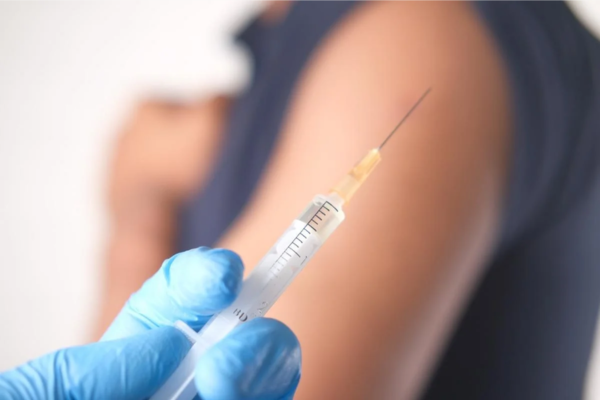
certificate in vaccine administration training for doctors to enhance skills
certificate

CERTIFICATE IN GASTROENTEROLOGY

CERTIFICATE IN GASTROENTEROLOGY Build your knowledge in digestive health with the Certificate in Gastroenterology at Medical Global Academy (MGA). Designed for medical professionals, the programme covers common gastrointestinal conditions, diagnostic approaches and patient management through online training, clinical training and expert mentorship. Strengthen your clinical knowledge and confidence in modern gastroenterology. Buy Course Now Get Free Details For Course Batch starts on Jan to Dec/ May to June Course Duration 12 Months Multimodal Program Online Mode & Clinical Attachment Flexible payment financing options available Certificate in Gastroenterology Medical Global Academy’s Certificate in Gastroenterology is an advanced healthcare programme specifically tailored to equip healthcare professionals with extensive knowledge and practical experience in disorders of the digestive system, including diagnosis, treatment and management. The medical field of gastroenterology deals with the treatment of diseases of the oesophagus, stomach, intestine, liver, pancreas, gallbladder and biliary system. This programme includes both the fundamentals of gastroenterology and the latest in diagnosis and treatment such as endoscopy, colonoscopy, gastrointestinal imaging, laboratory tests and evidence-based medical management. Participants will develop skills in the management of many gastrointestinal disorders including acid reflux, irritable bowel syndrome (IBS), inflammatory bowel disease (IBD), liver disease, pancreatic disease, gastrointestinal infection and gastrointestinal malignancy. The programme focuses on professional application, case-based learning and the latest international guidelines, equipping healthcare professionals to provide patient-centred care and improve outcomes in digestive and hepatobiliary diseases. Outcomes At the end of this programme, participants will be able to: Demonstrate knowledge of the structure, function and disease characteristics of the gastrointestinal and hepatobiliary system. Differentiate and treat common gastrointestinal diseases such as GERD, IBS, IBD, PUD and GI infections. Understand and explain diagnostic procedures, including endoscopy, colonoscopy, biopsy, imaging and laboratory work. Identify and manage liver diseases such as Hepatitis, fatty liver, cirrhosis and portal hypertension. Assess and manage pancreatic and biliary tract diseases. Recognise common risk factors and early signs of gastrointestinal malignancies and apply appropriate screening. Manage gastrointestinal emergencies and complications using evidence-based approaches. Implement diet and lifestyle strategies for digestive health. Gain knowledge of the latest developments in gastroenterology such as motility disorders, coeliac disease and novel therapeutic technologies. Provide multidisciplinary and patient-centred gastrointestinal services across healthcare settings. Career Opportunities This certification presents a variety of opportunities in the gastroenterology and digestive health field, including: Gastroenterology Healthcare Professional and Practitioner Endoscopy and GI Diagnostic Support Specialist Hepatology and Digestive Health Care Specialist Research Associate in Gastroenterology and Oncology Medical Advisor for the Pharmaceutical Industry in Gastroenterology Professional roles in GI Centres, Endoscopy Centres, Research Institutes and Preventive Healthcare Organisations Download Brochure in Whatsapp What you’ll learn Introduction to Gastroenterology Common Gastrointestinal Disorders Liver Disorders Inflammatory Bowel Disease Pancreatic Disorders Gastrointestinal Malignancies Key Features 1. Attending /Non-Attending Classes 2. Free Study Material with recorded lectures 3. Best Faculties (Super Specialists) of India 4. Library Access & Question & Answer Session 5. 1 Year of Mentorship 6. Updated Curriculum Course Curriculum Introduction to Gastroenterology Overview of the Gastrointestinal System Pathophysiology in Gastroenterology Gastrointestinal Health and Disease Prevention Diagnostic Tools in Gastroenterology Endoscopic Procedures and Techniques Biopsy and Histopathology Functional Gastrointestinal Disorders Inflammatory Bowel Disease (IBD) Epidemiology and Risk Factors Clinical Presentation and Diagnosis Management of IBD Hepatology and Liver Diseases Liver Anatomy and Physiology Liver Disease Diagnosis Common Liver Diseases Management of Liver Disorders Gastrointestinal Malignancies Overview of GI Cancer Types Screening and Early Detection Treatment Modalities in GI Cancer Gastrointestinal Disorders of the Esophagus and Stomach Esophageal Disorders Stomach Disorders Pancreatic and Biliary Diseases Pancreatic Diseases Biliary Tract Disorders Pediatric Gastroenterology Gastrointestinal Disorders in Children Nutritional Considerations in Pediatric GI Disorders Advanced Gastroenterology and Research Emerging Treatments and Innovations Clinical Research in Gastroenterology Gastrointestinal Motility Disorders Overview of GI Motility Disorders of the Esophagus Gastroparesis and Small Bowel Motility Disorders Management of Motility Disorders Celiac Disease and Gluten Sensitivity Celiac Disease Pathophysiology Diagnosis of Celiac Disease Management and Treatment Non-Celiac Gluten Sensitivity Fill Form Our Team Will Contact Soon Choose medicalglobalacademy as your trusted partner for medical education and elevate your expertise to new heights. Enroll Now Frequently Asked Questions How do I apply for a course? To apply, visit the course page of your interest and click on the ‘Apply Now’ button. Follow the instructions to complete your application. You may need to submit relevant documents and a resume. Are the courses accredited? Yes, all our courses are accredited by recognized medical and educational institutions. Details of accreditation can be found on each course page. Are there any online courses available? Yes, we offer a variety of online courses to provide flexibility for our students. Check the course descriptions for information on whether a course is available online. How can I contact support for more information? You can contact our support team via email at support@medicalglobalacademy.com or call us at [+91 9289868050]. Our support team is available Monday to Friday from 9 AM to 6 PM. Enroll Now

certificate in vaccine administration training for doctors to enhance skills
certificate

CERTIFICATE IN INTERNAL MEDICINE

CERTIFICATE IN INTERNAL MEDICINE With our Certificate program, learn about the field of CERTIFICATE IN INTERNAL MEDICINE. Our course provides practical instruction and knowledgeable mentoring, making it ideal for medical professionals who are keen to succeed in diagnostics. Buy Course Now Get Free Details For Course Batch starts on Jan to Dec/ May to June Course Duration 12 Months Multimodal Program Online Mode Flexible payment financing options available Certificate in Internal Medicine The Certificate in Internal Medicine offered by MGA Medical Global Academy is a comprehensive course designed to provide healthcare professionals with a thorough understanding of adult patient care and important clinical concepts. Internal medicine deals with the prevention, diagnosis and treatment of adult diseases, especially multi-system and complex conditions. This course covers key areas of medicine including cardiology, endocrinology, respiratory medicine, gastroenterology, infectious diseases and more. It focuses on a holistic and patient-centred approach, helping learners understand chronic condition management, diagnostic investigations and effective patient care across different healthcare environments. Outcome After completing this program, participants will be able to: Understand the principles of internal medicine and management of adult diseases Carry out thorough clinical evaluations, including history taking and physical examination Diagnose and manage common and complex conditions such as diabetes, hypertension, cardiovascular and respiratory diseases Interpret laboratory tests, imaging and ECG investigations Apply a holistic approach to patients with multiple comorbidities Implement evidence-based treatment protocols and clinical guidelines Manage acute medical conditions and understand when to refer patients to other professionals Provide patient-centred care focused on long-term disease management and prevention Career Opportunities This certification can support the following career pathways in medicine and healthcare: Team Leader – Internal Medicine Practitioner / Medical Officer Primary Care Physician (PCP) or General Physician (GP) Clinical roles within Medicine Departments in healthcare settings Specialist roles focused on chronic disease management Associate roles in Clinical Research and Internal Medicine Healthcare roles in Clinics, Hospitals and Multispecialty Centers Due to the increasing occurrence of chronic diseases and the growing need for comprehensive healthcare for adults, there is demand for healthcare professionals with knowledge of internal medicine across hospitals, clinics and primary care settings. Download Brochure in Whatsapp What you’ll learn Introduction to Internal Medicine Clinical Skills and Patient Assessment Cardiovascular Medicine Respiratory Medicine Gastroenterology Endocrinology Key Features 1. Attending /Non-Attending Classes 2. Free Study Material with recorded lectures 3. Best Faculties (Super Specialists) of India 4. Library Access & Question & Answer Session 5. 1 Year of Mentorship 6. Updated Curriculum Course Curriculum Introduction to Internal Medicine Overview of Internal Medicine and its Importance Role and Responsibilities of an Internist Basic Medical Terminology and Concepts Clinical Examination Skills: History Taking, Physical Examination Patient-Centered Care and Communication Skills Basic Physiology and Pathophysiology Review of Human Physiology Cellular and Tissue Functions in Health and Disease Pathophysiology of Common Diseases Understanding the Mechanisms of Disease Progression Disease Classification and Diagnosis Diagnostic Methods in Internal Medicine Diagnostic Imaging Techniques (X-ray, CT, MRI, Ultrasound) Laboratory Tests: Blood, Urine, and Other Body Fluids EKG Interpretation and Cardiac Diagnostics Pulmonary Function Tests Biopsy and Endoscopy Techniques Cardiovascular Diseases Coronary Artery Disease and Myocardial Infarction Hypertension: Diagnosis and Management Heart Failure: Pathophysiology, Symptoms, and Treatment Arrhythmias: Diagnosis and Management Valvular Heart Disease Acute and Chronic Venous Diseases Respiratory Disorders Acute and Chronic Respiratory Infections Chronic Obstructive Pulmonary Disease (COPD) Asthma and Allergic Respiratory Diseases Interstitial Lung Diseases Pulmonary Hypertension Respiratory Failure and Mechanical Ventilation Endocrine Disorders Diabetes Mellitus: Types, Diagnosis, and Management Thyroid Disorders: Hypothyroidism, Hyperthyroidism, and Goiter Disorders of Adrenal Glands: Addison’s and Cushing’s Syndrome Pituitary Gland Disorders Osteoporosis and Bone Metabolism Disorders Gastrointestinal and Hepatobiliary Diseases Disorders of the Upper GI Tract: GERD, Peptic Ulcers, etc. Inflammatory Bowel Disease (IBD) Liver Disease: Hepatitis, Cirrhosis, Fatty Liver Disease Pancreatic Disorders: Pancreatitis, Cancer, etc. Gallbladder Disease and Cholestasis Nutritional Disorders and Management Renal and Urinary Tract Diseases Acute and Chronic Kidney Disease Nephrotic and Nephritic Syndrome Urinary Tract Infections (UTIs) Electrolyte Imbalances and Fluid Management Dialysis and Renal Transplantation Hematology and Oncology Anemia: Types, Diagnosis, and Management Leukemia, Lymphoma, and Myeloma Coagulation Disorders and Bleeding Diatheses Solid Tumors and Cancer Management Palliative Care and End-of-Life Care in Oncology Infectious Diseases Principles of Infection Control and Prevention Common Bacterial, Viral, Fungal, and Parasitic Infections Tuberculosis and Other Respiratory Infections Sepsis: Diagnosis and Management HIV/AIDS and Immunocompromised Patients Vaccination and Preventative Medicine Rheumatology and Autoimmune Diseases Systemic Lupus Erythematosus (SLE) Rheumatoid Arthritis and Other Inflammatory Disorders Gout and Crystal-Induced Arthropathies Scleroderma, Vasculitis, and Connective Tissue Diseases Immunosuppressive Therapy and Its Risks Neurological Disorders Stroke: Types, Diagnosis, and Acute Management Epilepsy and Seizure Disorders Headache Disorders: Migraine, Tension, Cluster Dementia and Alzheimer’s Disease Neuromuscular Disorders: Myasthenia Gravis, Guillain-Barré Parkinson’s Disease and Movement Disorders Dermatology in Internal Medicine Common Dermatological Conditions Skin Infections and Tumors Autoimmune Skin Diseases Skin Manifestations of Systemic Illnesses Management of Wounds and Ulcers Geriatric Medicine Aging and Age-Related Diseases Polypharmacy and Medication Management Cognitive Impairment in the Elderly Falls, Frailty, and Mobility Issues End-of-Life Care and Advance Directives Clinical Skills and Case Management Case-Based Learning and Problem-Solving Multidisciplinary Team Work in Internal Medicine Clinical Decision-Making and Patient Management Medical Ethics and Legal Issues Patient Safety and Quality Improvement Clinical Skills: Blood Pressure Measurement, Venipuncture, and Suturing Advanced Internal Medicine Topics Precision Medicine and Genomics in Internal Medicine Innovations in Diagnostic Tools and Therapies Emerging Infectious Diseases and Global Health Challenges Critical Care and ICU Management Palliative Care and Chronic Disease Management Women’s Health in Internal Medicine Menstrual and Reproductive Health Disorders Hormonal Imbalances and Disorders Pregnancy and Its Complications Osteoporosis and Bone Health in Women Cardiovascular Health in Women Managing Menopause and Perimenopause Mental Health and Psychiatry in Internal Medicine Recognizing Psychiatric Disorders in Medical Settings Depression and Anxiety Disorders Bipolar Disorder and Schizophrenia Substance Use Disorders Management of Psychiatric Emergencies Psychosomatic Disorders: The Connection Between Mind and Body Fill Form Our Team Will Contact Soon Choose medicalglobalacademy as your trusted partner for medical education and elevate your expertise to new heights. Enroll Now Frequently Asked Questions

certificate in vaccine administration training for doctors to enhance skills
certificate

Certificate in Infection Control & Prevention: Course Details & Guide 2026

CERTIFICATE IN INFECTION AND PREVENTION CONTROL With our Certificate program, learn about the field of CERTIFICATE IN INFECTION AND PREVENTION CONTROL. Our course provides practical instruction and knowledgeable mentoring, making it ideal for medical professionals who are keen to succeed in diagnostics. Buy Course Now Get Free Details For Course Batch starts on Jan to Dec/ May to June Course Duration 12 Months Learning Formate Online Mode Flexible payment financing options available Certificate in Infection Control and Prevention The MGA Medical Global Academy Certificate in Infection Control and Prevention is a professional programme designed to provide healthcare workers with essential knowledge and skills for preventing and managing infections across clinical and community healthcare environments. The course covers evidence-based infection prevention measures including sterilization, disinfection, antimicrobial stewardship and outbreak management. Key areas include hand hygiene, personal protective equipment (PPE), prevention of healthcare-associated infections (HAIs) and infection control practices. Through theoretical learning and case-based scenarios, participants develop the knowledge required to reduce infection risks, support patient safety and contribute to safer healthcare environments. Outcome On completion of this program, participants will be able to: Understand the principles of infection prevention and control (IPC) and their application in healthcare facilities Apply standard and transmission-based precautions to reduce infection risks Demonstrate appropriate use of PPE, hand hygiene and sterilization practices Identify, monitor and manage healthcare-associated infections (HAIs) and outbreaks Apply antimicrobial stewardship principles to help reduce antimicrobial resistance (AMR) Understand biomedical waste management and environmental hygiene practices Support occupational health measures that protect healthcare workers and promote patient safety Use surveillance methods and digital technologies to monitor and report infections Career Opportunities This certification can support career opportunities across infection control and public health, including: Infection Control Nurse / Infection Prevention Specialist Hospital Infection Control Officer Quality and Patient Safety Executive Public Health Professional specializing in Infection Prevention Clinical Safety and Risk Management Officer Infection Control Trainer / Educator Roles within NGOs, healthcare organizations and international health agencies As global awareness of infection prevention continues to grow, there is increasing demand for healthcare professionals with knowledge of infection prevention and control across hospitals, healthcare organizations, public health programmes and community healthcare settings. Download Brochure in Whatsapp What you’ll learn Fundamentals of Infection Control Risk Assessment and Management Infection Control Protocols and Practices Sterilization and Disinfection Infection Control in Healthcare Settings Education and Training Key Features 1. Attending /Non-Attending Classes2. Free Study Material with recorded lectures3. Best Faculties (Super Specialists) of India 4. Library Access & Question & Answer Session5. 1 Year of Mentorship6. Updated Curriculum Course Curriculum Foundations of Infection Control Introduction to Infection Prevention and Control (IPC) History and Evolution of Infection Control Chain of Infection: Agent, Host, Environment Standard and Transmission-Based Precautions Microbiology Essentials for IPC Basic Microbiology and Pathogen Types (Bacteria, Viruses, Fungi, Parasites) Antimicrobial Resistance (AMR) and Emerging Pathogens Infection Risk in Healthcare Settings Environmental Sources of Infection Hand Hygiene and Personal Protective Equipment (PPE) WHO “5 Moments for Hand Hygiene” Types of Hand Hygiene: Soap vs. Alcohol-Based Rub Correct Use of PPE (Gloves, Gowns, Masks, Face Shields, Respirators) Donning and Doffing Procedures Sterilization, Disinfection, and Environmental Hygiene Principles of Cleaning, Disinfection, and Sterilization High- , Intermediate- , and Low-Level Disinfection Sterile Processing of Medical Equipment Cleaning Protocols for Patient Care Areas and Isolation Rooms Infection Control in Clinical Procedures Aseptic Technique in Wound Care and Invasive Procedures Central Line-Associated Bloodstream Infections (CLABSI) Catheter-Associated Urinary Tract Infections (CAUTI) Surgical Site Infections (SSI)     Outbreak Management and Surveillance Healthcare-Associated Infection (HAI) Surveillance Systems Identifying and Responding to Outbreaks Isolation and Quarantine Procedures Contact Tracing and Reporting Protocols Antimicrobial Stewardship Rational Use of Antibiotics Preventing AMR in Healthcare Settings Strategies for Implementing Stewardship Programs Global Action Plans and Local Policy Infection Control in Specialized Settings Infection Prevention in Long-Term Care and Outpatient Clinics Dental, Dialysis, and Emergency Settings Neonatal and Intensive Care Units (NICU & ICU) Infection Control during Disasters and Pandemics Health Worker Safety and Occupational Health Needlestick Injuries and Post-Exposure Prophylaxis (PEP) Vaccination of Healthcare Workers Mental Health and Burnout in IPC Staff Creating a Safety Culture in Healthcare Waste Management in Healthcare Settings Classification of Medical Waste (Infectious, Sharps, Hazardous, General) Waste Segregation, Labeling, and Color Coding Systems Transportation, Storage, and Disposal Procedures Compliance with Local and International Regulations (e.g., WHO, OSHA) Infection Control in Laboratory Settings Biosafety Levels (BSL-1 to BSL-4) Laboratory-Acquired Infections (LAIs) Specimen Collection, Handling, and Transport Decontamination and Spill Response Procedures Infection Prevention in Home-Based and Community Healthcare IPC for Community Health Workers and Home Care Providers Patient and Family Education in Infection Control Home Isolation and Palliative Care Infection Risks Safe Management of Home Medical Equipment Emerging Infectious Diseases and Global Health Threats Surveillance and Preparedness for Emerging Diseases (e.g., COVID-19, Ebola, Avian Influenza) Zoonotic and Vector-Borne Infections Climate Change and Its Impact on Infectious Disease Patterns Global Response Frameworks: WHO IHR, CDC, ECDC Behavioral Science in Infection Control Behavior Change Models (Health Belief Model, COM-B, etc.) Strategies to Improve Compliance with IPC Protocols Communication Techniques for IPC Training Addressing Misinformation and Cultural Beliefs Digital Tools and Technology in IPC Electronic Surveillance Systems for HAIs Telehealth and Remote IPC Monitoring Artificial Intelligence and Predictive Analytics in Infection Control Using Mobile Apps for Hand Hygiene Compliance Legal, Ethical, and Regulatory Aspects of IPC Patient Rights and Confidentiality During Outbreaks Ethical Decision-Making in Infection Management Legal Responsibilities of Healthcare Workers and Institutions Regulatory Compliance and Accreditation (e.g., JCI, ISO, DOH) Infection Control in Immunocompromised Populations IPC Challenges in Oncology and Transplant Units Protecting HIV/AIDS and Immunosuppressed Patients Protective Isolation and Reverse Barrier Nursing Managing Opportunistic Infections Water, Sanitation, and Hygiene (WASH) in Healthcare Facilities WASH Standards in Clinical Settings Safe Water Supply, Treatment, and Storage Sanitation Infrastructure and Drainage Systems Role of WASH in Outbreak Prevention and Control Fill Form Our Team Will Contact Soon Choose medicalglobalacademy as your trusted partner for medical education and elevate your expertise to new heights. Enroll Now Frequently Asked Questions How do I apply for a course? To

certificate in vaccine administration training for doctors to enhance skills
certificate

CERTIFICATE IN HISTOPATHOLOGY

CERTIFICATE IN HISTOPATHOLOGY With our Certificate program, explore the field of CERTIFICATE IN HISTOPATHOLOGY. Our course provides practical instruction and knowledgeable mentoring, making it ideal for medical professionals who are keen to succeed in diagnostics. Buy Course Now Get Free Details For Course Batch starts on Jan to Dec/ May to June Course Duration 12 Months Learning Format Online Mode Flexible payment financing options available CERTIFICATE IN HISTOPATHOLOGY Histopathology is an important area of pathology that focuses on studying disease manifestations through the microscopic examination of tissues. It involves the processing, staining and microscopic evaluation of tissue samples obtained through surgical or biopsy procedures. By identifying cellular abnormalities and changes in tissue architecture, histopathology plays an important role in diagnosing various diseases, particularly cancers. Histopathology learning at Medical Global Academy (MGA) helps learners understand histological changes, recognize disease patterns and relate clinical observations to pathological findings. This knowledge supports accurate diagnosis and helps guide appropriate treatment decisions. Download Brochure in Whatsapp What you’ll learn Introduction to Histopathology Tissue Preparation and Processing Staining Techniques Microscopic Examination and Interpretation Immunohistochemistry (IHC) Digital Pathology and Image Analysis Key Features 1. Attending /Non-Attending Classes2. Free Study Material with recorded lectures3. Best Faculties (Super Specialists) of India 4. Library Access & Question & Answer Session5. 1 Year of Mentorship6. Updated Curriculum Fill Form Our Team Will Contact Soon Choose medicalglobalacademy as your trusted partner for medical education and elevate your expertise to new heights. Enroll Now Frequently Asked Questions How do I apply for a course? To apply, visit the course page of your interest and click on the ‘Apply Now’ button. Follow the instructions to complete your application. You may need to submit relevant documents and a resume. Are the courses accredited? Yes, all our courses are accredited by recognized medical and educational institutions. Details of accreditation can be found on each course page. Are there any online courses available? Yes, we offer a variety of online courses to provide flexibility for our students. Check the course descriptions for information on whether a course is available online. How can I contact support for more information? You can contact our support team via email at support@medicalglobalacademy.com or call us at [+919310027474]. Our support team is available Monday to Friday from 9 AM to 6 PM. Enroll Now

PG DIPLOMA

PG Diploma in Urology

PG DIPLOMA IN UROLOGY Discover the world of PG Diploma in Urology with a practice-focused postgraduate diploma programme. Ideal for healthcare professionals looking to enhance their diagnostic skills, our course offers clinical training and expert guidance. Course Price ₹ 1,80,000 ₹1,50,000 Buy Course Now Get Free Details For Course Batch starts on Jan to Dec/ May to June Course Duration 12 Months Multimodal Program Hybrid Mode & Clinical Attachment Flexible payment financing options available PG Diploma in Urology The MGA Medical Global Academy Urology-based PG Diploma is a professionally structured programme that is aimed at equipping the professionals in the healthcare sector with the necessary knowledge and clinical insight of the urological conditions. The primary topics of this program include urinary tract diseases, prostate disorders, kidney problems, male reproductive health, and urological cancer. It is created to make participants realize the diagnostic methods, treatment planning, and the current urology practice in the real world clinical practice. The program equips professionals with knowledge and skills to be competent in the management of routine and complex urological conditions. Outcome of the Program Having done this program, you will be in a position to: Diagnose and treat common and complicated urological ailments. Assess patients who have a urinary, renal, and male reproductive system disorder. Interpret diagnostic tests such as imaging and laboratory tests. Develop kidney stones, prostate disorders, and infection treatment strategies. Know less invasive and advanced urological surgeries. Treat urological emergencies and chronic diseases. Implement new clinical practices in urology. Provide ethical and patient-centered care. Career Opportunities After the program is completed, you will be able to: Hospital work dealing with urological disorders. Practice in urology and renal care clinics Become or increase your personal clinical practice. Practice in multidisciplinary health care systems. Donate to renal disease and male health programs. Further specialization in urology. Participate in research and academic activities MGA Medical Global Academy offers the PG Diploma in Urology that helps in developing a strong clinical knowledge, enhancing the skills in the diagnosis, and the ability to make the right decision in managing the urological disorders. It equips health care practitioners to address the increasing demand of specialized urology care and guarantee the improved patient outcomes in contemporary medical practice. Download Brochure in Whatsapp What you’ll learn Anatomy and Embryology of GU tracts Adrenal & retro peritoneum Applied physiology and biochemistry pertaining to Urology, Nephrology, renal transplantation and Reno vascular hyper tension Investigative urology & Genito urinary radiologyan dimaging including gnu clear medicine Male Infertility, andrology and Urological endocrinology Key Features Attending /Non-Attending Classes Clinical Training in Nearest Hospital/Clinics. Free Study Material with recorded lectures Best Faculties (Super Specialists) of India 5. Library Access & Question & Answer Session 6. NAAC A+ University 7. 1 Year of Mentorship 8. Updated Curriculum Course Curriculum Fundamentals of Urology Anatomy and Physiology of the Urinary Tract Basic Diagnostic Techniques in Urology Introduction to Urological Pathology Principles of Urological Surgery Advanced Urological Conditions and Management Urological Infections and Inflammations Renal Pathology and Management Endourology and Minimally Invasive Procedures Prostate Diseases Urological Oncology Surgical Urology and Clinical Skills Surgical Techniques and Procedures Paediatric Urology Urological Emergencies Advanced Urodynamics and Functional Urology Geriatric Urology Post-Surgical and Long-Term Care in Urology Research and Evidence-Based Medicine Urological Endoscopy and Imaging Techniques Endoscopic Procedures in Urology Laser Surgery in Urology Advanced Imaging Techniques in Urology: Imaging and Urological Oncology Urological Ultrasound Female Urology and Pelvic Floor Disorders Urinary Incontinence in Women Pelvic Organ Prolapse Bladder Dysfunction in Women Urological Care in Pregnancy and Menopause Sexual Health and Urology in Women Andrology and Male Infertility Male Infertility Erectile Dysfunction Male Sexual Dysfunction Male Urological Cancer Urological Aspects of Vasectomy and Reversal Our Accrediation Partners Fill Form Our Team Will Contact Soon Choose medicalglobalacademy as your trusted partner for medical education and elevate your expertise to new heights. Enroll Now Frequently Asked Questions How do I apply for a course? To apply, visit the course page of your interest and click on the ‘Apply Now’ button. Follow the instructions to complete your application. You may need to submit relevant documents and a resume. Are the courses accredited? Yes, all our courses are accredited by recognized medical and educational institutions. Details of accreditation can be found on each course page. Are there any online courses available? Yes, we offer a variety of online courses to provide flexibility for our students. Check the course descriptions for information on whether a course is available online. How can I contact support for more information? You can contact our support team via email at support@medicalglobalacademy.com or call us at [+919310027474]. Our support team is available Monday to Friday from 9 AM to 6 PM. Enroll Now

PG DIPLOMA

Learn Anesthesiology Online – Build Airway & Perioperative Confidence

PG DIPLOMA IN ANESTHESIOLOGY Discover the world of PG Diploma in Anaesthesiology with a practice-focused postgraduate diploma programme. Ideal for healthcare professionals who want to enhance their diagnostic skills, our course offers clinical training and expert guidance. Course Price ₹ 1,80,000 ₹1,50,000 Buy Course Now Get Free Details For Course Batch starts on Jan to Dec/ May to June Course Duration 12 Months Multimodal Program Hybrid Mode & Clinical Attachment Flexible payment financing options available PG Diploma in Anesthesiology PG Diploma in Anesthesiology offered by MGA Medical Global Academy is a postgraduate and holistic course that aims to provide the nursing practitioner with a deep and applied understanding of the practice of anesthesia. The course emphasizes the following major aspects: pharmacology of anesthetic drugs, preoperative evaluation, perioperative care, and sophisticated anesthesia concerning different surgical operation types. This is a program that integrates good theoretical knowledge with practical clinical experience so that the participants can be able to handle anesthesia safely in a wide range of clinical environments like the operation theatres, ICUs and emergency departments. Students are taught to work on routine and complicated surgical cases without compromising patient safety and best outcomes. Ensuring a heavy focus on evidence-based practices and the latest anesthesia guidelines, this diploma will enable professionals to act in high-stress situations with confidence and become the leaders of anesthesiology-related work. Outcome of the Program At the end of the course, you will be able to: Conduct thorough preoperative evaluation and assessment of the patient. Safely and effectively administer general and regional anesthesia. Provide airway and ventilatory treatment in the operating room and emergency departments. One must monitor and keep track of patient vitals intra-operative. Use the principles of pharmacology in anesthesia. Manage pre- and postoperative complications. Deliver good postoperative care and pain management. Provide high-quality anesthesia services that are safe, ethical, and patient-centered. Career Opportunities By the conclusion of the program, you can: Operation theatres and surgical centres. Become an anesthesia practitioner in hospitals. Practice in ICUs and emergency departments. Help in special surgeries like cardiac, neuro and trauma cases. Upgrade your clinical practice by developing more advanced anesthesia. Further specialize in anesthesiology and critical care. The PG Diploma in Anesthesiology will help you become an efficient and confident anesthesia specialist with good clinical knowledge, accurate procedural skills and a capability to handle patients in both ordinary and critical surgical procedures. Download Brochure in Whatsapp What you’ll learn FUNDAMENTAL OF ANESTHESIA CORE CARE PRINCIPLES Applied physiology and biochemistry pertaining to Urology, ANESTHETIC DRUGS AND ADJUVANTS ANESTHETIC MANAGEMENT ANESTHESIA SUBSPECIALITY CARE Key Features 1. Attending /Non-Attending Classes 2. Clinical Training in Nearest Hospital/Clinics. 3. Free Study Material with recorded lectures 4. Best Faculties (Super Specialists) of India 5. Library Access & Question & Answer Session 6. NAAC A+ University 7. 1 Year of Mentorship 8. Updated Curriculum Course Curriculum Basic Principles of Anesthesiology Introduction to Anesthesia History and Evolution of Anesthesiology Basic Pharmacology: General Anesthetics, Local Anesthetics, and Adjuncts Physiology of Pain and Pain Management Airway Management: Anatomy and Physiology Preoperative Assessment and Preparation Patient Safety in Anesthesia Ethical and Legal Considerations in Anesthesia Practice Understand the role of an anesthesiologist in patient care. Gain knowledge of the drugs and mechanisms used in anesthesia. Master the basics of airway management and patient assessment. Pharmacology and Physiology in Anesthesia Pharmacokinetics and Pharmacodynamics of Anesthetic Agents General Anesthesia: Inhalational and Intravenous Agents Local Anesthetics: Types, Mechanisms, and Clinical Use Adjuvant Drugs: Analgesics, Muscle Relaxants, and Sedatives Cardiovascular, Respiratory, and Renal Physiology in Anesthesia Anesthetic Effects on Organ Systems Drug Interactions and Patient Management Demonstrate in-depth knowledge of anesthetic drug interactions. Apply pharmacological principles to optimize anesthesia care. Advanced Airway Management and Techniques Airway Assessment: Predicting Difficult Airways Advanced Airway Devices and Techniques (Laryngeal Mask Airway, Fiberoptic Intubation) Management of the Difficult Airway Emergency Airway Management: Protocols and Algorithms Awake Intubation and Fiberoptic Techniques Non-invasive Monitoring of Airway Patency Master advanced airway techniques and strategies. Effectively manage difficult airways in both elective and emergency situations. Regional Anesthesia Techniques Basics of Regional Anesthesia: Indications and Contraindications Nerve Blocks: Upper and Lower Limb, Truncal, and Cervical Epidural and Spinal Anesthesia: Techniques and Complications Ultrasound-Guided Regional Anesthesia Postoperative Analgesia Techniques Management of Regional Anesthesia Complications Perform common regional anesthesia procedures confidently. Understand the advantages and risks associated with regional anesthesia techniques. Anesthesia for Special Populations Pediatric Anesthesia: Challenges and Techniques Obstetric Anesthesia: Labor, Cesarean Section, and Anesthesia Considerations Geriatric Anesthesia: Managing Comorbidities and Anesthesia Risks Anesthesia for Patients with Cardiac, Respiratory, and Neurological Disorders Anesthesia in Obesity and Bariatric Surgery Anesthesia for High-Risk Surgical Patients Apply age- and condition-specific modifications to anesthesia care. Manage anesthesia in high-risk patient groups with competence. Intraoperative Monitoring and Management Techniques and Devices for Monitoring Anesthesia Depth Monitoring of Vital Signs (Blood Pressure, Heart Rate, Oxygenation, etc.) Capnography and Blood Gas Analysis Fluid and Electrolyte Management during Anesthesia Anesthesia for Major Surgeries (Cardiac, Neurosurgery, Orthopedic, etc.) Intraoperative Complications and Their Management Malignant Hyperthermia and Other Anesthesia Emergencies Proficiently monitor and manage patient vitals during anesthesia. Proficiently monitor and manage patient vitals during anesthesia. Postoperative Anesthesia Care and Pain Management Post-Anesthesia Care Unit (PACU): Goals and Protocols Management of Postoperative Nausea and Vomiting Pain Assessment and Multimodal Analgesia Acute and Chronic Pain Management Strategies Complications in Postoperative Recovery: Hypothermia, Hemorrhage, etc. Regional and Systemic Analgesia (Patient-Controlled Analgesia, Epidural Analgesia) Pediatric and Geriatric Pain Management Apply effective pain management techniques in the postoperative setting. Ensure smooth patient recovery with minimal complications. Anesthesia for Ambulatory Surgery Definition and Types of Ambulatory Surgery Preoperative Assessment for Outpatient Procedures Anesthetic Agents Suitable for Day Surgery Short-Acting Anesthetics and Rapid Recovery Postoperative Care in Ambulatory Surgery Discharge Criteria and Patient Instructions Managing Pain and Nausea in Outpatient Settings Administer anesthesia safely and effectively for outpatient procedures. Recognize the unique challenges and requirements of ambulatory surgery anesthesia. Neuroanesthesia Principles of Neuroanesthesia: Brain and Spinal Cord Physiology Anesthetic Agents in Neurosurgery: Indications and Contraindications Monitoring and Management of Intracranial Pressure Anesthesia for Craniotomy, Spinal Surgery,

PG DIPLOMA

POST GRADUATE DIPLOMA IN CLINICAL CARDIOLOGY

POST GRADUATE DIPLOMA IN CLINICAL CARDIOLOGY Discover the world of Post Graduate diploma in clinical cardiology with a practice-focused postgraduate diploma program. Ideal for healthcare professionals who want to enhance their diagnostic skills, our course offers clinical training and expert guidance. Buy Course Now Get Free Details For Course Batch starts on Jan to Dec/ May to June Course Duration 12 Months Learning Format Online Mode Flexible payment financing options available Post Graduate Diploma in Clinical Cardiology The MGA Medical Global Academy offers a diploma course in clinical cardiology that is part of the post graduates diploma program. The course is aimed at the development of effective clinical skills in the field of coronary artery disease, heart failure, arrhythmias, hypertension, valvular disorders, and cardiovascular management of risk. This program will integrate both in-depth theoretical learning and practical clinical exposure to help the participants solidify their knowledge on the assessment of the heart, diagnostic interpretation, and evidence-based treatment planning. Students have an excellent chance to learn about ECG interpretation, basics of echocardiography, preventive cardiology, and the modern trends in cardiovascular care. Having a high focus on clinical decision-making and evidence-based practice, this diploma will prepare specialists to provide high-quality cardiac care in both inpatient and outpatient practice and establish a strong career in the rapidly expanding field of cardiovascular medicine. Outcome of the Program At the end of the course you will be able to: Diagnose and treat typical cardiovascular diseases. Understand the fundamentals of echocardiography, and interpret ECGs. Diagnose and treat coronary artery disease, heart failure, and arrhythmias. Assess the cardiovascular risk factors and preventive measures. Use evidence-based pharmacological treatment in cardiology. Assist in clinical decision-making in acute and chronic cardiac diseases. Be more confident in managing cardiac emergencies. Deliver safe, ethical and patient-focused cardiovascular care. Career Opportunities At the end of the program, you can: Cardiology department and cardiac care unit work. Participate in hospitals and multi-specialty healthcare centers. Enhance your involvement in outpatient and inpatient cardiac services. Preventive cardiology and cardiac rehabilitation facilities. Help in the practice of diagnostic and interventional cardiology. Complete further specialization and training in cardiovascular medicine. pg diploma in clinical cardiology helps you become a competent and confident professional in the field of cardiovascular care in the contemporary healthcare delivery system with a stronger diagnostic capacity, better clinical judgment and the expertise needed to handle a wide range of cardiac conditions in the modern healthcare delivery system. Download Brochure in Whatsapp What you’ll learn Cardiovascular Diseases Fundamentals ECG and ECHO Fundamentals Biochemistry Cardiac Pharmacology Cardiac Cardiac Anatomy Cardiac Physiology Key Features 1. Attending /Non-Attending Classes 3. Free Study Material with recorded lectures 4. Best Faculties (Super Specialists) of India 4. Library Access & Question & Answer Session 5. 1 Year of Mentorship 6. Updated Curriculum Course Curriculum Basic Foundations of Cardiology Introduction to Cardiology: An overview of anatomy and physiology of the cardiovascular system. Cardiac Cells and Electrophysiology: Understanding molecular and cellular mechanisms of cardiac contraction, conduction and rhythm. Cardiac Imaging and Diagnostic Tools: Methods such as MRI, CT, echocardiogram and ECG in cardiology. Introduction to the most frequently used cardiovascular drugs and their mechanisms, Basic Cardiovascular Pharmacology. Coronary Artery Disease (CAD) Pathophysiology of CAD: Atherosclerosis, plaque formation and vascular remodeling. Diagnosis of CAD: clinical presentation, risk factors and stress tests/angiography/biomarkers. Treatment of CAD: Medical treatment, antiplatelet therapy, statins, lifestyle modification and intervention (angioplasty, CABG). Acute Coronary Syndromes (ACS): Diagnosis and management; the role of thrombolytics, antithrombotic agents and revascularization. Heart Failure Heart failure can have different types and causes: Systolic vs diastolic dysfunction, ischemic vs nonischemic heart failure Clinical Presentation and Diagnosis: Signs & symptoms and diagnostic tools (BNP, echo, biomarkers). Treatment of Heart Failure: Pharmacologic (ACE, beta-blockers, diuretics), Device (ICD, CRT), and heart transplantation. Advanced HF: Refractory cases, LVADs, palliative care and end-of-life management. Cardiac Arrhythmias Basic Mechanisms of Arrhythmias: Understanding electrical disturbances in the heart, causes and classification of arrhythmias. Diagnosis and Monitoring: Interpretation of ECG and Holter monitoring; electrophysiological study. Management of Arrhythmias: Antiarrhythmic medications, electrical cardioversion, ablation therapy, implantable devices (pacemakers and ICDs). Special Populations: Elderly, Pregnant women and patients with co-morbidities, Arrhythmias. Hypertension and Cardiovascular Risk Pathophysiology of hypertension: Primary vs Secondary hypertension; Target organ damage (heart, kidney, brain). Diagnosis and Monitoring: Method of measuring blood pressure, ambulatory BP monitoring, home BP monitoring. Treatment of Hypertension: Lifestyle changes and pharmacological treatment (ACE inhibitors, diuretics, calcium channel blockers and beta-blockers). Secondary causes of resistant hypertension, novel agents and interventions. Valvular Heart Diseases Heart Valves: Anatomy and Physiology; Normal function and abnormalities of heart valves. Common Valvular Diseases: Infective endocarditis, Mitral Regurgitation, Rheumatic heart disease, Aortic Stenosis. Diagnosis: Clinical signs, echocardiography, Doppler studies and transesophageal echocardiography. Medical Management, Indications for Valve Repair/Replacement, Transcatheter Valve Therapies. Cardiovascular Genetics and Inherited Diseases Genetic Basis of Cardiovascular Disease: How genetics are involved in congenital heart defects, arrhythmias and cardiomyopathies. Inborn Cardiomyopathies: Hypertrophic cardiomyopathy, Dilated cardiomyopathy, Restrictive cardiomyopathy, Arrhythmogenic right ventricular cardiomyopathy. Genetic Testing and Counseling: The use of genetic testing in risk assessment and management, ethical issues, family counseling. Peripheral Arterial and Venous Disease Peripheral Arterial Disease (PAD): Epidemiology, risk factors, pathophysiology and clinical presentation. Diagnosis of PAD: ABI, Doppler ultrasonography, CT angiography, MR angiography. Treatment of PAD: Medical management (antiplatelet, statins), revascularization procedures, and lifestyle changes. Venous Diseases: Varicose veins, deep vein thrombosis (DVT) and pulmonary embolism (PE). Diagnosis and management. Cardiac Rehabilitation and Preventive Cardiology Cardiac Rehabilitation: Principles, Multidisciplinary approach and Psychosocial support in cardiac rehabilitation. Secondary Prevention: Importance of lifestyle modification, pharmacologic therapy and monitoring to limit the risk of recurrent cardiovascular events. Risk Stratification & Prevention: High risk patients, cholesterol management, smoking cessation, diabetes control. Emerging Trends in Preventive Cardiology: Use of biomarkers, genetic risk factors, and AI in cardiovascular prevention. Advanced Cardiac Interventions Coronary Intervention Techniques: Percutaneous coronary interventions (PCI), drug-eluting stents and angioplasty. Structural Heart Disease: Transcatheter aortic valve replacement (TAVR), Mitral valve repair procedures and Left atrial appendage closure. Cardiovascular Devices: Implantable pacemakers, ICDs, cardiac resynchronization therapy (CRT) and new generation devices. New Technologies: Robotic

Scroll to Top