
Medical Global Academy

February 13, 2025

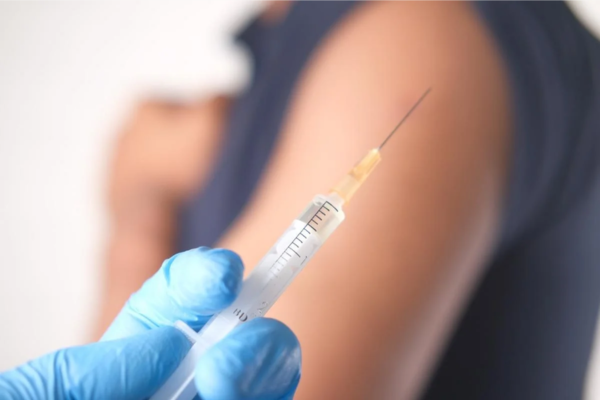
certificate in vaccine administration training for doctors to enhance skills
certificate

Certificate in Oncology

CERTIFICATE IN ONCOLOGY With our Certificate program, learn about the field of CERTIFICATE IN ONCOLOGY. Our course provides practical instruction and knowledgeable mentoring, making it ideal for medical professionals who are keen to succeed in diagnostics. Buy Course Now Get Free Details For Course Batch starts on Jan to Dec/ May to June Course Duration 12 Months Learning Format Online Mode Flexible payment financing options available Certificate in Oncology Certificate in Oncology MGA Medical Global Academy is created to give healthcare professionals a profound knowledge and practical comprehension of cancer care. Oncology is a critical medical specialty that deals with prevention, diagnosis, and treatment of different types of cancers in a multidisciplinary approach. This program will provide deep knowledge of cancer biology, tumor progression, and molecular mechanisms and advanced diagnostic and treatment modalities that include chemotherapy, radiation therapy, immunotherapy and targeted therapies. Focusing on evidence-based practice, learning via real-life cases, and developing changing global treatment guidelines, the course equips learners to provide patient-oriented oncology care and to contribute effectively to the management and research of cancer. Outcome By the end of this program, the participants will be able to: Know the basic biology of cancer, its genetics, and development of tumors. Proper cancer diagnosis through imaging, biopsy and staging systems. Implement concepts of oncology interventions such as surgery, chemotherapy, radiotherapy and immunotherapy. Treat typical cancers, including breast, lung, colorectal, and hematological malignancies. Bring in the state-of-the-art practices such as precision medicine, genomic oncology, and targeted therapies into practice. Cancer patients: Provide palliative care, pain management, and psychosocial support to patients with cancer. Knowledge of clinical trials, research methodology, and evidence-based practices in oncology. Work well in multidisciplinary oncology teams in providing holistic care to patients. Career Opportunities This certification provides a diverse choice of career opportunities in oncology and healthcare, such as: Oncology Practitioner / Clinical Assistant in Oncology. Cancer Care Coordinator Clinical Research Associate (Oncology Trials) Oncology Nurse / Supportive Care Specialist. Medical Advisor in Oncology Pharmaceuticals Palliative Care Specialist Hospital, Cancer Center, Research Institute, and NGO Roles. As cases of cancer are increasing worldwide and the scientific world continues to advance in treating cancer, professionals trained in the field of oncology are in high demand in the fields of clinical practice, research and health care innovation. Download Brochure in Whatsapp What you’ll learn Introduction to Oncology Diagnostic Techniques Treatment Modalities Advanced Treatment Options Palliative Care and Supportive Oncology Practical Applications and Case Studies Key Features 1. Attending /Non-Attending Classes 2. Free Study Material with recorded lectures 3. Best Faculties (Super Specialists) of India 4. Library Access & Question & Answer Session 5. 1 Year of Mentorship 6. Updated Curriculum Course Curriculum Introduction to Oncology Overview of Cancer: Definition, historical perspective, and the global burden of cancer. Basic Cancer Biology: Cell cycle, mutations, tumorigenesis, and cancer genetics. Cancer Epidemiology: Risk factors, prevention, and screening strategies. Ethical and Legal Issues in Oncology: Informed consent, patient rights, and confidentiality. Cancer Diagnosis and Staging Diagnostic Imaging in Oncology: CT, MRI, PET scans, and their role in cancer detection. Biopsy and Histopathology: Techniques, interpretation, and understanding tumor markers. Staging Systems: TNM classification, clinical staging, and prognostic significance. Laboratory Tests in Oncology: Blood tests, genetic testing, and biomarkers. Principles of Cancer Treatment Surgical Oncology: Principles of cancer surgery, tumor resection, and minimally invasive techniques. Chemotherapy: Drug classes, mechanisms of action, side effects, and chemotherapy regimens. Radiation Therapy: Techniques, dosimetry, side effects, and management. Targeted and Immunotherapy: Basics of monoclonal antibodies, checkpoint inhibitors, and CAR-T cell therapy. Specific Cancer Types and Management Breast Cancer: Pathophysiology, treatment options, and multidisciplinary care. Lung Cancer: Early detection, treatment protocols, and palliative care. Colorectal Cancer: Screening, treatment options, and postoperative care. Hematologic Malignancies: Leukemia, lymphoma, and multiple myeloma – diagnosis and treatment approaches. Pediatric Oncology: Common childhood cancers, treatment regimens, and psychosocial aspects. Advanced Therapeutics in Oncology Immunotherapy Innovations: Latest advancements in immune checkpoint inhibitors and cancer vaccines. Genomic and Precision Medicine: Role of personalized medicine, gene therapy, and next generation sequencing. Stem Cell and Gene Therapy: Potential of regenerative medicine and gene-editing tools like CRISPR. Cancer Clinical Trials: Understanding clinical trial design, phases, and ethical considerations. Palliative Care and Pain Management in Oncology Principles of Palliative Care: Holistic care, symptom management, and end-of-life care. Pain Management: Pharmacological and non-pharmacological approaches to cancer-related pain. Psychosocial Support: Addressing the emotional, mental, and spiritual needs of cancer patients. Hospice and End-of-Life Care: Ethical considerations and providing quality care during terminal stages. Oncological Nursing and Multidisciplinary Teamwork Role of Oncology Nurses: Administration of chemotherapy, monitoring for side effects, patient education. Multidisciplinary Team (MDT): Role of oncologists, surgeons, nurses, physiotherapists, social workers, and psychologists. Communication Skills in Oncology: Breaking bad news, discussing prognosis, and managing difficult conversations. Patient Advocacy: Empowering patients and families through support and information. Cancer Prevention and Public Health Cancer Prevention Strategies: Lifestyle modifications, vaccination (e.g., HPV and Hepatitis B), and environmental factors. Public Health Approaches to Cancer: Screening programs, early detection, and public awareness campaigns. Policy and Advocacy in Cancer Control: National and international cancer control programs, policy frameworks, and advocacy efforts. Global Health and Cancer: Addressing cancer in low- and middle-income countries, and equitable access to care. Oncologic Pharmacology and Drug Management Pharmacokinetics and Pharmacodynamics in Oncology: Drug absorption, distribution, metabolism, and elimination in cancer treatment. Chemotherapy and Adjuvant Therapies: Advanced understanding of chemotherapy drugs, their mechanisms, side effects, and management strategies. Drug Interactions and Toxicity: Management of drug interactions, adverse drug reactions, and chemotherapy-induced side effects. Supportive Care Pharmacology: Medications for nausea, pain management, growth factors, and hematopoietic support. Pediatric Oncology and Special Considerations Common Pediatric Cancers: Leukemias, brain tumors, neuroblastoma, and sarcomas. Age-Specific Treatment Approaches: Chemotherapy regimens, radiation concerns, and novel therapies in pediatric oncology. Long-Term Survivorship: Monitoring and managing long-term side effects in childhood cancer survivors. Psychosocial Aspects in Pediatric Oncology: Coping strategies for children, families, and the multidisciplinary team in pediatric cancer care. Cancer in Older Adults Oncology in Geriatrics: Unique challenges in diagnosing and treating cancer in elderly patients. Polypharmacy and Cancer:

certificate in vaccine administration training for doctors to enhance skills
certificate

Certificate in Family Medicine for MBBS Doctors in India

CERTIFICATE IN FAMILY MEDICINE With our Certificate program, learn about the field of CERTIFICATE IN FAMILY MEDICINE. Our course provides practical instruction and knowledgeable mentoring, making it ideal for medical professionals who are keen to succeed in diagnostics. Buy Course Now Get Free Details For Course Batch starts on Jan to Dec/ May to June Course Duration 12 Months Learning format Online Mode Flexible payment financing options available Certificate In Family Medicine Family Medicine at MGA Medical Global Academy is a broad-based course for healthcare professionals offering them the knowledge and clinical skills necessary to deliver comprehensive, lifelong and patient-centred care across all age groups. Family medicine is a branch of medicine that emphasizes prevention, diagnosis, treatment and ongoing care for all types of acute and chronic illnesses and disorders in a holistic way, with special attention to continuity of care and community health. This is a mix of medical knowledge, and clinical training in outpatient and primary care settings to prepare students to treat common medical conditions, preventive care, lifestyle diseases, and community-based health issues. Participants develop a knowledge base in chronic care management, women’s health, pediatrics, geriatrics, mental health, emergency medicine and preventive medicine. Other important aspects of the curriculum that are also communicated are communication, evidence-based practice, clinical reasoning, and multidisciplinary approaches to healthcare in modern family practice. As access to primary health services expands globally, family medicine health care providers are an important component of increasing the health of communities and providing a range of medical services in both urban and rural health care. Outcome At the end of this program, participants will be able to: Know the concepts and range of family medicine / primary healthcare Conduct thorough patient evaluations, history taking and clinical evaluations. Recognise and treat routine acute and chronic medical conditions in the out-of-hospital context. Use preventative health measures, such as screening, immunisations and lifestyle advice Handle chronic illnesses, like diabetes, hypertension, asthma and heart and blood vessel ailment Deliver patient-centred care to all the age groups, pediatric, adult and geriatric. Understand and address common mental health disorders in primary care. Manage common emergencies and acute presentations in Primary Care. Carry out office based clinical procedures and diagnostic testing Encourage community health, health education, and evidence-based clinical decision making Career Opportunities This qualification provides a wide choice of employment possibilities in Primary and Community Medicine such as: Family Medicine Practitioner / Clinical Associate Support roles within Primary Care Physicians. Healthcare Professional – Out Patient Department (OPD) Community Healthcare and Preventive Medicine Specialist. Program Manager for the Chronic Disease Management (CDM) Program.CDM Program Manager. Rural and Urban Healthcare Practitioner Clinical Research Associate in Primary Care and Family Medicine Healthcare Professional in Hospitals, Clinics, Community Health Centers and Telemedicine Platforms Mr. Greening also has a background in pharmaceuticals and healthcare, where he served as a Medical Advisor in organizations. Opportunities within public health programs, NGOs, and preventive health care programs. As the world increasingly looks at the prevention of diseases, chronic disease management and accessible community based healthcare services, trained professionals in family medicine are sought after in both hospital and clinical settings, rural healthcare, public health organizations, and multidisciplinary healthcare services. Download Brochure in Whatsapp What you’ll learn Introduction to Family Medicine Communication Skills in Family Practice Clinical Skills and Procedures Preventive Medicine and Health Promotion Management of Chronic Diseases Pediatric Care in Family Medicine Key Features 1. Attending /Non-Attending Classes 2. Free Study Material with recorded lectures 3. Best Faculties (Super Specialists) of India 4. Library Access & Question & Answer Session 5. 1 Year of Mentorship 6. Updated Curriculum Course Curriculum Foundations of Family Medicine Introduction to Family Medicine Patient Communication and Consultation Skills Clinical Reasoning and Decision-Making Preventive Medicine and Health Promotion Health Screening and Risk Assessment Lifestyle Medicine and Counseling Chronic Disease Prevention Management of Common Conditions in Family Medicine Cardiovascular Health Respiratory Conditions Endocrine Disorders Musculoskeletal and Rheumatologic Conditions Women’s and Men’s Health Women’s Health Men’s Health Reproductive Health Pediatric and Adolescent Medicine Pediatric Preventive Care Common Pediatric Conditions Adolescent Health Mental Health in Family Medicine Recognition and Management of Common Mental Health Conditions Psychosomatic Disorders and Stress Management Geriatric Medicine Principles of Geriatric Care Chronic Disease Management in the Elderly Clinical Procedures in Family Medicine Office-Based Procedures Diagnostic Procedures Emergency and Acute Care in Family Medicine Initial Assessment and Stabilization Common Acute Presentations Emergency Procedures Infectious Diseases in Primary Care Common Community-Acquired Infections Infection Control and Antibiotic Stewardship Management of Emerging and Re-Emerging Diseases Dermatology in Family Medicine Common Skin Conditions Skin Cancer Screening and Lesion Identification Minor Dermatological Procedures Fill Form Our Team Will Contact Soon Choose medicalglobalacademy as your trusted partner for medical education and elevate your expertise to new heights. Enroll Now

certificate in vaccine administration training for doctors to enhance skills
certificate

Certificate in Emergency Medicine for Doctors: Course Details & Guide 2026

CERTIFICATE IN EMERGENCY MEDICINE Explore the Certificate in Emergency Medicine at Medical Global Academy (MGA), designed for medical professionals seeking advanced knowledge in emergency care and diagnostics. Through online training, clinical training and expert mentorship, strengthen your understanding of emergency assessment, patient management and critical decision-making. Buy Course Now Get Free Details For Course Batch starts on Jan to Dec/ May to June Course Duration 12 Months Learning Format Online Mode Flexible payment financing options available Certificate in Emergency Medicine The MGA Medical Global Academy Certificate in Emergency Medicine is a special program aimed at equipping health care professionals with the necessary knowledge and practical skills that they need to manage acute and potentially life threatening medical conditions. Emergency medicine is a high-stress and critical area that deals with the rapid assessment, diagnosis, and stabilization of patients who present with an emergency such as trauma, cardiac arrest, stroke, respiratory failure, and toxicological conditions. The program combines the essential principles of emergency care with the current clinical practice to include advanced life support protocols, triage systems, and point-of-care diagnostics. It also focuses on practical learning based on real case scenarios in the world and training through simulations. Being highly focused on evidence-based care and efficiency in making timely life-saving decisions, the course prepares students to manage high-stress situations effectively and provide a prompt and life-saving intervention. Outcome By the end of this program, participants will be in a position to: Conduct quick evaluation/triage of the critically ill patients. Treat medical emergencies including cardiac arrest, stroke, respiratory failure and shock. Properly apply basic life support (BLS) and advanced life support (ALS) protocols. Administer necessary emergency care such as airways and resuscitation. Identify and treat trauma situations with a systematic emergency response. Decipher emergency diagnostic instruments and point-of-care investigations. Manage cases of toxicology and poisons with relevant interventions. Demonstrate effective clinical decision-making and collaboration during emergencies. Career Opportunities The certification will provide various career opportunities in emergency and acute care environments, such as: Practitioner / Medical Officer Emergency Medicine. Emergency Department (ED) Physician. Trauma Care Specialist Acute Care Practitioner and critical care. Professional, Emergency Response and Ambulance Services. Disaster Management and Mass Casualty Response Specialist. Clinical Responsibilities in Hospitals, Emergency Unit and Urgent Care Centers. This certification is a great step towards career development in the emergency medicine and critical care sectors in line with the growing need of competent emergency care and critical care experts. Download Brochure in Whatsapp What you’ll learn Introduction to Emergency Medicine Clinical Assessment and Diagnostics Management of Acute Medical Conditions Trauma Management Pediatric and Geriatric Emergencies Emergency Procedures and Critical Care Key Features 1. Attending /Non-Attending Classes2. Free Study Material with recorded lectures3. Best Faculties (Super Specialists) of India 4. Library Access & Question & Answer Session5. 1 Year of Mentorship6. Updated Curriculum Course Curriculum Introduction to Emergency Medicine Overview of Emergency Medicine Key Principles of Emergency Medicine Clinical Assessment & Initial Stabilization Patient Assessment in the Emergency Setting Basic and Advanced Life Support (BLS/ALS) Trauma Management Trauma Triage and Initial Management Head and Spinal Injuries Orthopedic Emergencies Chest Trauma Medical Emergencies Cardiovascular Emergencies Respiratory Emergencies Neurological Emergencies Pediatric Emergencies Pediatric Assessment and Triage Common Pediatric Emergencies Toxicology and Overdose Management Assessment and Diagnosis of Toxicology Cases Management of Drug Overdoses Environmental and Disaster Medicine Environmental Emergencies Disaster and Mass Casualty Management Emergency Surgery and Procedural Skills Emergency Surgical Procedures Basic and Advanced Emergency Procedures Acute Care and Critical Care in Emergency Medicine Critical Care Principles Shock Management Sepsis and Multisystem Organ Failure Emergency Psychiatry and Behavioral Health Psychiatric Emergencies Mental Health Triage and Support Practical Skills and Simulation Skills Simulation-Based Training Clinical Skills Lab Emergency Medicine in Special Populations Geriatric Emergency Care Pregnancy-Related Emergencies Professional Development & Research in Emergency Medicine Research and Evidence-Based Medicine in Emergency Care Professional Development and Career Growth Infectious Disease Emergencies Infectious Disease Triage and Diagnosis in the ED Antimicrobial Stewardship in the Emergency Setting Emerging Infectious Diseases Fill Form Our Team Will Contact Soon Choose medicalglobalacademy as your trusted partner for medical education and elevate your expertise to new heights. Enroll Now Frequently Asked Questions How do I apply for a course? To apply, visit the course page of your interest and click on the ‘Apply Now’ button. Follow the instructions to complete your application. You may need to submit relevant documents and a resume. Are the courses accredited? Yes, all our courses are accredited by recognized medical and educational institutions. Details of accreditation can be found on each course page. Are there any online courses available? Yes, we offer a variety of online courses to provide flexibility for our students. Check the course descriptions for information on whether a course is available online. How can I contact support for more information? You can contact our support team via email at support@medicalglobalacademy.com or call us at [+919310027474]. Our support team is available Monday to Friday from 9 AM to 6 PM. Enroll Now

certificate in vaccine administration training for doctors to enhance skills
certificate

Certificate in Diabetology for Doctors: Course Details & Career Guide 2026

CERTIFICATE IN DIABETOLOGY Explore the Certificate in Diabetology at Medical Global Academy (MGA), designed for medical professionals seeking advanced knowledge in diabetes care and diagnostics. Through online training, clinical training and expert mentorship, strengthen your understanding of diabetes assessment, management and patient care. Buy Course Now Get Free Details For Course Batch starts on Jan to Dec/ May to June Course Duration 12 Months Learning Format Online Mode Flexible payment financing options available Certificate in Diabetology The Certificate in Diabetology from Medical Global Academy is a specialised programme that equips healthcare professionals with in-depth knowledge and practical skills in the diagnosis, treatment, and management of diabetes mellitus and its complications. Diabetology is an exciting field of medicine and its principles aim to deliver better patient results through evidence-based medicine, new monitoring technologies and multi-disciplinary care approaches. This programme teaches the basics of endocrinology as well as the latest in diabetes management including insulin therapy, continuous glucose monitoring (CGM), lifestyle changes and prevention strategies. Participants will learn to manage type 1 diabetes, type 2 diabetes, gestational diabetes, metabolic syndrome and diabetes-related complications such as neuropathy, nephropathy, retinopathy and cardiovascular disease. This programme focuses on the application of content, case-based learning and the latest international guidelines, preparing healthcare professionals to provide patient-centred diabetes care in clinics, community-based health services and specialised diabetes services. Outcomes After completing this programme, participants will be able to: Demonstrate an understanding of the pathophysiology, classification and progression of Diabetes Mellitus. Provide diagnosis and management of type 1 diabetes, type 2 diabetes and gestational diabetes based on evidence. Interpret and use diagnostic tools, including HbA1c, CGM, OGTT and insulin resistance markers. Implement individualised treatment plans such as insulin therapy, oral antidiabetic medication and lifestyle interventions. Recognise and address short-term and long-term diabetes complications. Utilise nutrition counselling, weight management and exercise strategies in diabetes care. Apply modern diabetes technology such as insulin pumps, telemedicine and mobile health applications. Manage diabetes in special patient groups such as children, pregnant women and elderly patients. Offer preventive care and patient education to help reduce long-term diabetes-related complications. Provide multi-disciplinary, patient-focused diabetes care across diverse healthcare settings. Career Opportunities This qualification provides a variety of career prospects across the field of diabetology and metabolic healthcare, including: Diabetology Practitioner Diabetes Educator and Lifestyle Management Specialist Endocrinology Department Healthcare Professional Diabetes Care Coordinator Research Associate — Diabetes and Endocrinology Diabetes Technology and CGM Support Specialist Medical Adviser in Pharmaceutical and Diabetes Device Companies Aesthetic and Wellness Centre Professional Independent Practitioner in Specialised Diabetes Services Professional roles in Diabetes Clinics, Wellness Centres and Research Institutes Download Brochure in Whatsapp What you’ll learn Introduction to Diabetes Diagnosis and Screening Management and Treatment Complications of Diabetes Patient Education and Support Advanced Topics in Diabetology Key Features 1. Attending /Non-Attending Classes2. Free Study Material with recorded lectures3. Best Faculties (Super Specialists) of India 4. Library Access & Question & Answer Session5. 1 Year of Mentorship6. Updated Curriculum Course Curriculum Introduction to Diabetology and Endocrine Physiology Anatomy and Physiology of the Endocrine System Overview of Diabetes Mellitus (Type 1, Type 2, Gestational Diabetes) Insulin Pathways and Resistance Mechanisms Risk Factors for Diabetes Development Global Epidemiology and Public Health Impact Diagnosis and Classification of Diabetes Clinical Presentation and Symptoms of Diabetes Diagnostic Criteria (Fasting Plasma Glucose, Oral Glucose Tolerance Test, HbA1c) Early Detection and Screening Protocols Differential Diagnosis of Diabetes Role of Biomarkers in Diagnosis (e.g., C-peptide, Insulin Resistance Markers) Pharmacological Management of Diabetes Insulin Therapy: Types, Administration, and Dosing Strategies Oral Antidiabetic Medications (Metformin, Sulfonylureas, SGLT-2 Inhibitors, GLP-1 Agonists) Newer Agents in Diabetes Management (DPP-4 Inhibitors, GIP Receptor Agonists, etc.) Insulin Resistance and Treatment Optimization Special Considerations: Pediatrics, Elderly, Pregnancy (Gestational Diabetes Management) Non-Pharmacological Approaches and Lifestyle Modification Nutritional Management: Carbohydrate Counting, Glycemic Index, and Diet Plans Role of Physical Activity in Diabetes Management Weight Management and Obesity Patient Education and Diabetes Self-Management Psychological Support: Coping with Chronic Disease Advanced Diabetes Monitoring and Technology Continuous Glucose Monitoring (CGM): Benefits, Interpretation, and Integration Insulin Pumps and Closed-loop Systems Diabetes Mobile Apps and Telemedicine Artificial Pancreas Systems Future Trends in Diabetes Technology Complications of Diabetes and Multidisciplinary Care Diabetic Retinopathy and Preventive Strategies Diabetic Neuropathy and Foot Care Diabetic Nephropathy and Renal Protection Cardiovascular Disease and Diabetes Role of Multidisciplinary Teams in Diabetes Management Screening and Management of Diabetic Ketoacidosis (DKA) and Hyperosmolar Hyperglycemic State (HHS) Diabetes in Special Populations Pediatric Diabetes: Type 1 Diabetes Management in Children and Adolescents Diabetes in Pregnancy: Gestational Diabetes and its Management Diabetes in the Elderly: Challenges and Treatment Strategies Diabetes and Co-morbid Conditions in Special Populations Preventive Strategies and Global Diabetes Management Primary and Secondary Prevention of Diabetes Public Health Approaches: Screening, Education, and Community Programs Global Diabetes Management Guidelines and Policies Collaboration between Healthcare Providers, Governments, and NGOs Cost-Effective Management and Access to Diabetes Care Advanced Insulin Therapy and Insulin Resistance Management Advanced Insulin Delivery Systems: Insulin Pens, Pumps, and Smart Devices Insulin Sensitizers and Insulin Resistance: Mechanisms and Interventions Tight Glycemic Control in High-Risk Populations (e.g., Elderly, Pregnant Women) Insulin Adjustments for Inpatient Care Overcoming Barriers to Insulin Adherence Diabetes and the Gut Microbiome The Role of the Gut Microbiome in Metabolic Health Dysbiosis and Its Impact on Diabetes Pathogenesis Probiotics, Prebiotics, and Dietary Interventions Microbiome-Based Therapies for Diabetes Prevention Research and Clinical Applications of Gut Health in Diabetes Management Advanced Diabetes in Children and Adolescents Diagnosis and Early Intervention in Pediatric Diabetes Psychological and Emotional Aspects of Pediatric Diabetes Management Insulin Pumps and Continuous Glucose Monitoring in Children Diabetes Transitioning: From Pediatric to Adult Care Long-Term Outcomes and Risk of Complications in Children with Diabetes Diabetes and Cardiovascular Risk Management Pathophysiology of Diabetes and Cardiovascular Disease Risk Assessment Tools for Diabetic Cardiovascular Risk Management of Hypertension and Dyslipidemia in Diabetic Patients Antiplatelet Therapy and Statins in Diabetes Emerging Therapies for Cardiovascular Protection in Diabetes Fill Form Our Team Will Contact Soon Choose medicalglobalacademy as your trusted partner for medical education and elevate your expertise to new heights. Enroll Now Frequently Asked

certificate in vaccine administration training for doctors to enhance skills
certificate

CERTIFICATE IN DERMATOLOGY

CERTIFICATE IN DERMATOLOGY Explore the Certificate in Dermatology at Medical Global Academy (MGA), designed for medical professionals seeking advanced knowledge in dermatology and diagnostics. Through online training, clinical training and expert mentorship, strengthen your understanding of skin conditions, patient assessment and modern dermatological care.    Buy Course Now Get Free Details For Course Batch starts on Jan to Dec/ May to June Course Duration 12 Months Learning Format Online Mode Flexible payment financing options available Certificate in Dermatology Medical Global Academy’s Certificate in Dermatology programme is a comprehensive programme that aims to equip healthcare professionals with in-depth knowledge and practical skills in diagnosing, treating, and managing skin, hair, and nail disorders. Since dermatology is a crucial medical discipline, it deals with a broad range of issues including common medical concerns (such as acne, eczema, infections, etc.) and more complicated diseases (psoriasis, autoimmune disorders, skin cancers, etc.). In this programme, contemporary diagnostic methods, including dermoscopy, skin biopsy, and other aesthetic dermatology procedures are combined with the latest therapeutic systems, such as biologics, laser treatments, and other aesthetic dermatology interventions. With a high emphasis on evidence-based practice and practical professional experience, the programme equips participants to provide efficient and patient-centred dermatological care, as well as to understand the cosmetic and psychological aspects of skin health. Outcomes Once participants have completed this programme, they will be capable of: Demonstrate comprehensive knowledge of skin, hair and nail structure, physiology and common disorders. Accurately diagnose dermatological diseases based on professional presentation and diagnostic technologies such as dermoscopy and biopsy. Treat common and complicated skin diseases such as acne, eczema, psoriasis, infections and pigmentary disorders. Diagnose and manage dermatological emergencies and drug-induced dermatologic reactions. Diagnose and treat skin cancers and neoplastic disorders. Utilise contemporary treatment techniques such as topical, systemic, biologic and aesthetic therapies. Perform minor dermatologic procedures and understand cosmetic dermatology techniques. Deliver patient-centred care taking into account medical, cosmetic and psychosocial aspects of dermatology. Career Opportunities This certification provides various career opportunities in the field of dermatology and related medical healthcare specialties, including: General Practitioner with Dermatology Specialisation Dermatology Practitioner and Specialist Professional in Aesthetic and Cosmetic Dermatology Skin Care Consultant at Clinics and Wellness Centres Research Associate — Dermatology Physician Advisor for Skincare and Pharmaceutical Companies Professional roles in Dermatology Clinics, Cosmetic Centres and Aesthetic Research Institutes Download Brochure in Whatsapp What you’ll learn Introduction to Dermatology Dermatological Disorders and Diseases Dermatological Procedures and Interventions Pediatric Dermatology Cosmetic Dermatology Dermatopathology Key Features 1. Attending /Non-Attending Classes2. Free Study Material with recorded lectures3. Best Faculties (Super Specialists) of India 4. Library Access & Question & Answer Session5. 1 Year of Mentorship6. Updated Curriculum Course Curriculum Introduction to Dermatology Overview of Dermatology as a Medical Specialty Anatomy and Physiology of the Skin Dermatologic Assessment and Diagnosis Patient History Taking and Dermatologic Examination Dermatologic Tools and Techniques Common Dermatologic Conditions Acne Vulgaris and Related Disorders Eczema and Atopic Dermatitis Psoriasis and Other Chronic Inflammatory Disorders Infectious Dermatology Bacterial Skin Infections Viral Skin Infections Fungal and Parasitic Skin Infections Skin Cancer and Neoplastic Conditions Non-Melanoma Skin Cancers Melanoma and Other Pigmented Lesions Pediatric Dermatology Common Pediatric Dermatoses Dermatological Emergencies in Pediatrics Approaches to Pediatric Dermatologic Management Dermatologic Procedures and Therapeutics Basic Dermatologic Procedures Topical, Systemic, and Biologic Therapies Cosmetic Dermatology Anti-Aging and Aesthetic Dermatology Acne Scarring and Pigmentary Disorders Hair Restoration and Dermatologic Cosmetology Dermatologic Emergencies Acute Skin Reactions Vascular and Autoimmune Dermatology Emergencies Critical Dermatological Conditions   Dermatology in Special Populations Geriatric Dermatology Dermatology in Pregnancy Dermatology in Immunocompromised Patients Environmental Dermatology Impact of Climate and Weather on Skin Health Occupational Dermatology Air Pollution and Skin Health   Dermatologic Drug Reactions Drug-Induced Skin Disorders Photosensitivity Reactions Dermatopathology Introduction to Dermatopathology Skin Cancer Pathology Granulomatous and Autoimmune Dermatopathology Fill Form Our Team Will Contact Soon Choose medicalglobalacademy as your trusted partner for medical education and elevate your expertise to new heights. Enroll Now Frequently Asked Questions How do I apply for a course? To apply, visit the course page of your interest and click on the ‘Apply Now’ button. Follow the instructions to complete your application. You may need to submit relevant documents and a resume. Are the courses accredited? Yes, all our courses are accredited by recognized medical and educational institutions. Details of accreditation can be found on each course page. Are there any online courses available? Yes, we offer a variety of online courses to provide flexibility for our students. Check the course descriptions for information on whether a course is available online. How can I contact support for more information? You can contact our support team via email at support@medicalglobalacademy.com or call us at [+919310027474]. Our support team is available Monday to Friday from 9 AM to 6 PM. Enroll Now

certificate in vaccine administration training for doctors to enhance skills
certificate

CERTIFICATE IN AESTHETIC MEDICINE

CERTIFICATE IN AESTHETIC MEDICINE Explore the Certificate in Aesthetic Medicine at Medical Global Academy (MGA), designed for medical professionals seeking advanced knowledge in aesthetic care and diagnostics. Through online training, clinical training and expert mentorship, strengthen your understanding of aesthetic procedures, patient assessment and modern treatment approaches. Buy Course Now Get Free Details For Course Batch starts on Jan to Dec/ May to June Course Duration 12 Months Learning Format Online Mode Flexible payment financing options available Certificate In Aesthetic Medicine Aesthetic Medicine at Medical Global Academy is an advanced and specialised programme that offers healthcare professionals in-depth knowledge and skills in non-surgical cosmetic and anti-aging treatments. Aesthetic medicine emphasises the natural beauty, the health of the skin and a youthful appearance with evidence-based, minimally invasive procedures. The programme allows participants to gain knowledge of facial anatomy, skin science, injectables, laser technologies, regenerative therapies, and patient-centred aesthetic care to prepare them for contemporary aesthetic practice. Participants learn advanced techniques like botulinum toxin (Botox) injections, dermal filler procedures, chemical peels, PRP therapy, laser treatments, skin rejuvenation, hair restoration, and non-surgical body contouring. The focus areas of the curriculum include safe practice guidelines, ethical management of patients, the prevention of complications, and the best practices of aesthetic medicine worldwide. Case studies, mentorship, and real-world practical experiences enable healthcare providers to confidently and accurately provide cosmetic services tailored to individual needs. The cosmetic and anti-aging medicine industry is booming and qualified individuals in the field of aesthetic medicine are in demand in aesthetic medicine clinics, wellness centres, cosmetic medicine practices and medical spas around the world. Outcomes After completing this programme, participants will be able to: Demonstrate knowledge of skin physiology, skin ageing and principles of Aesthetic Medicine. Carry out thorough aesthetic patient evaluations and treatment planning. Use evidence-based injectable treatments such as Botox and dermal fillers. Understand facial anatomy pertinent to cosmetic procedures and complication prevention. Perform skin rejuvenation procedures including chemical peels, microneedling, PRP and Mesotherapy. Use laser and energy device treatments for pigmentation and hair removal, skin tightening and vascular treatments. Provide non-surgical body contouring and anti-aging treatments. Identify and manage aesthetic concerns such as vascular occlusion, allergic reactions and post-procedure side effects. Create individualised skin care and anti-aging plans for various skin types. Apply ethical, legal, and patient-centred methods in aesthetic practice. Career Opportunities This certification opens up a wide range of career opportunities in aesthetic and cosmetic medicine, including: Aesthetic Medicine Practitioner Anti-aging and Cosmetic Care Professional Medical Aesthetic Consultant Botox and Dermal Filler Injector Specialist Skin Rejuvenation and Laser Therapy Professional Hair Restoration and PRP Therapy Specialist Medical Spa and Wellness Clinic Professional Aesthetic Associate at Dermatology and Cosmetic Centres Aesthetic Medicine Trainer and Educator Medical Advisor for Cosmetics, Skin Care and Aesthetic Companies Professional roles in Cosmetic Clinics, Dermatology Centres, Wellness Facilities and Aesthetic Research Institutes Download Brochure in Whatsapp What you’ll learn Introduction to Aesthetic Medicine Skin Anatomy and Physiology Non-Invasive Procedures Laser and Light Therapies Body Contouring Techniques Advanced Aesthetic Procedures Key Features 1. Attending /Non-Attending Classes 2. Free Study Material with recorded lectures 3. Best Faculties (Super Specialists) of India 4. Library Access & Question & Answer Session 5. 1 Year of Mentorship 6. Updated Curriculum Course Curriculum Foundations of Aesthetic Medicine History and evolution of aesthetic medicine Skin anatomy and physiology Patient assessment and consultation techniques Ethics, consent, and medico-legal considerations Photography and documentation in aesthetics Botulinum Toxin (Botox) Applications Pharmacology of botulinum toxin Indications and contraindications Facial anatomy for botulinum toxin Techniques: upper face, masseter, platysma, and advanced areas Managing complications and side effects Dermal Fillers Types of dermal fillers (HA, CaHA, etc.) Facial anatomy for filler injection Indications and treatment areas: lips, nasolabial folds, cheeks, jawline Injection techniques: linear threading, fanning, bolus Complication management (vascular occlusion, granulomas) Skin Rejuvenation Therapies Chemical peels (light to medium-depth) Microneedling and PRP (platelet-rich plasma) Mesotherapy Skin booster treatments (e.g., Polynucleotides, HA-based boosters) Pre- and post-care protocols Laser and Energy-Based Devices Laser physics and safety Indications and contraindications Devices: IPL, Nd:YAG, Diode lasers, RF microneedling Pigmentation, vascular lesions, and skin tightening Combination therapy planning Non-Surgical Body Contouring Cryolipolysis (fat freezing) RF and ultrasound-based devices Cellulite treatment techniques Patient selection and treatment protocols Advanced Botulinum Toxin Techniques Lower face and neck rejuvenation Hyperhidrosis treatment (palms, soles, axillae) Microbotox (mesobotox) techniques Customizing doses and patient-tailored plans Advanced Dermal Filler Techniques Non-surgical rhinoplasty Tear trough and periorbital rejuvenation Temple and forehead augmentation Chin enhancement and profile balancing Managing filler complications with hyaluronidase PDO Threads and Collagen Stimulation Types of threads: mono, cog, screw Indications: midface lift, brow lift, neck lift Insertion techniques and vector mapping Risks and complication management Combining threads with PRP and fillers Pigmentation & Acne Management Classification of pigmentation (melasma, PIH, lentigines) Topical agents: hydroquinone, retinoids, tranexamic acid Chemical peels for pigmentation Acne treatment: peels, lasers, and combined therapy Maintenance plans and patient education Hair Restoration in Aesthetic Medicine Causes of hair loss: AGA, TE, alopecia areata PRP for hair growth: protocols and evidence Mesotherapy cocktails for scalp rejuvenation Microneedling and laser therapy for hair loss Patient selection, expectations, and maintenance Male Aesthetic Medicine Differences in male facial anatomy and goals Masculinizing treatments: jawline, chin, brow Treating male pattern hair loss Marketing and communication strategies for male clients Aesthetic Dermatology & Cosmeceuticals Understanding cosmeceutical ingredients Designing skincare routines for various skin types Role of antioxidants, peptides, retinoids, and sunscreens Post-procedure skincare Product selection and brand-neutral education Combination Therapy Planning Layering treatments for maximal results Treatment sequencing: fillers, Botox, lasers, threads Seasonal treatment plans (summer vs. winter skin care) Long-term anti-aging protocols Case-based approach to treatment planning Complications & Emergency Management in Aesthetics Vascular occlusion recognition and response Allergic reactions and anaphylaxis management Infection control and aseptic technique Protocols for delayed-onset nodules and biofilms Legal documentation and patient communication Regenerative Aesthetic Medicine Principles of regenerative medicine in aesthetics Use of stem cells and exosomes Autologous fat grafting techniques PRP (Platelet-Rich Plasma) and PRF (Platelet-Rich Fibrin) advanced protocols Clinical applications and future perspectives Pediatric and Adolescent

certificate in vaccine administration training for doctors to enhance skills
certificate

CERTIFICATE IN CRITICAL CARE

CERTIFICATE IN CRITICAL CARE With our Certificate program, explore the world of CERTIFICATE IN CRITICAL CARE. Our course provides practical instruction and knowledgeable mentoring, making it ideal for medical professionals who are keen to succeed in diagnostics. Buy Course Now Get Free Details For Course Batch starts on Jan to Dec/ May to June Course Duration 12 Months Learning Format Online Mode Flexible payment financing options available CERTIFICATE IN CRITICAL CARE The MGA Medical Global Academy’s Critical Care program is painstakingly crafted to offer a comprehensive grasp of the intricate management and care of patients in critical condition. A wide range of critical care medicine is covered in this rigorous program, including multi-organ dysfunction syndrome management, emergency interventions, and sophisticated diagnostic methods. Through high-fidelity simulations and rotations in cutting-edge intensive care units (ICUs), fellows receive practical training that enables them to apply their theoretical knowledge in authentic situations. In order to improve patient outcomes, the curriculum places a strong emphasis on interdisciplinary teamwork, evidence-based practices, and the incorporation of cutting-edge technologies. Participants gain the skills required to lead critical care teams and make crucial decisions in high-pressure situations through demanding coursework, clinical rotations, and ongoing evaluations, ultimately improving patient care. Download Brochure in Whatsapp What you’ll learn Introduction to Critical Care Medicine Advanced Monitoring and Diagnostic Techniques Management of Acute Respiratory Failure Cardiovascular Support in Critical Care Renal and Metabolic Support Infectious Diseases and Sepsis Management Key Features 1. Attending /Non-Attending Classes 2. Free Study Material with recorded lectures 3. Best Faculties (Super Specialists) of India 4. Library Access & Question & Answer Session 5. 1 Year of Mentorship 6. Updated Curriculum Fill Form Our Team Will Contact Soon Choose medicalglobalacademy as your trusted partner for medical education and elevate your expertise to new heights. Enroll Now Frequently Asked Questions How do I apply for a course? To apply, visit the course page of your interest and click on the ‘Apply Now’ button. Follow the instructions to complete your application. You may need to submit relevant documents and a resume. Are the courses accredited? Yes, all our courses are accredited by recognized medical and educational institutions. Details of accreditation can be found on each course page. Are there any online courses available? Yes, we offer a variety of online courses to provide flexibility for our students. Check the course descriptions for information on whether a course is available online. How can I contact support for more information? You can contact our support team via email at support@medicalglobalacademy.com or call us at [+919310027474]. Our support team is available Monday to Friday from 9 AM to 6 PM. Enroll Now

certificate in vaccine administration training for doctors to enhance skills
certificate

Certificate in Diabetic Footcare for MBBS Doctors in India

CERTIFICATE IN DIABETIC FOOTCARE With our Certificate program, explore the world of DIABETIC FOOTCARE CERTIFICATION. Our course provides practical instruction and knowledgeable mentoring, making it ideal for medical professionals who are keen to succeed in diagnostics. Buy Course Now Get Free Details For Course Batch starts on Jan to Dec/ May to June Course Duration 12 Months Learning Formate Online Mode Flexible payment financing options available Certificate in Diabetic Foot Care The Certificate in Diabetic Foot Care offered by MGA Medical Global Academy is a specialized programme designed to provide healthcare professionals with in-depth knowledge of the prevention, diagnosis and management of diabetic foot complications. Diabetic foot conditions are among the serious complications associated with diabetes and may lead to infections, ulcers and, in severe cases, amputation. The programme emphasizes early identification, risk assessment and evidence-based management approaches to help reduce complications and support better patient outcomes. It combines fundamental knowledge of diabetes and its effects on the feet with advanced approaches to wound care, vascular assessment, infection management and multimodal care. The course also emphasizes patient education and clinical application, helping learners develop knowledge to support comprehensive diabetic foot care. Outcome After completing this program, participants will be able to: Understand diabetes pathophysiology and its effects on the feet Conduct comprehensive diabetic foot examinations and risk assessments Identify early signs associated with neuropathy, ischemia and infection Understand the diagnosis and management of diabetic foot ulcers (DFUs) using evidence-based guidelines Apply appropriate wound care approaches, including debridement and wound dressing selection Understand infection control measures and appropriate antibiotic use Understand offloading approaches and footwear modifications Interpret diagnostic information including imaging, Doppler studies and ABI Collaborate with multidisciplinary healthcare teams to support comprehensive patient care Educate patients about lifestyle modifications and preventive foot care Career Opportunities This qualification can support career pathways in diabetes and wound care management, including: Diabetic Foot Care Specialist Wound Care Nurse / Specialist Senior Clinical Assistant in Endocrinology / Diabetology Podiatry Support Professional Rehabilitation and Limb Salvage Specialist Clinical Research Associate in Diabetes Care Healthcare Professional in Hospitals, Diabetes Clinics and Rehabilitation Centres Medical Advisor in the Diabetes and Wound Care industry The global burden of diabetes and its complications continues to grow, creating a need for healthcare professionals with knowledge of diabetic foot care. Through this programme, healthcare providers can contribute to early identification, complication prevention, improved mobility and better quality of life for patients with diabetes. Download Brochure in Whatsapp What you’ll learn Introduction to Diabetes and Footcare Assessment and Diagnosis Wound Management and Treatment Preventative Measures and Patient Education Multidisciplinary Approaches and Interventions Case Studies and Practical Application Key Features 1. Attending /Non-Attending Classes 2. Free Study Material with recorded lectures 3. Best Faculties (Super Specialists) of India 4. Library Access & Question & Answer Session 5. 1 Year of Mentorship 6. Updated Curriculum Course Curriculum Introduction to Diabetes and Its Complications Understand the pathophysiology of diabetes and its impact on the body. Explore the systemic complications of diabetes, with a focus on the feet. Recognize the risk factors for diabetic foot complications. Overview of Type 1 and Type 2 Diabetes Pathophysiology of Diabetic Foot Disease Understanding Neuropathy, Peripheral Arterial Disease (PAD), and Infections Risk Assessment for Diabetic Foot Ulcers Anatomy and Physiology of the Foot Gain a detailed understanding of the anatomy of the foot and its relevance to diabetic foot care. Understand the biomechanical factors affecting the diabetic foot. Foot Structure: Bones, Muscles, Tendons, and Skin Blood Supply to the Foot and Lower Limb Nerve Function and Sensory Loss in Diabetic Neuropathy Common Deformities in Diabetic Feet (e.g., Charcot Foot, Hammertoes, Flat Feet) Diabetic Foot Screening and Risk Assessment Master the techniques for screening and assessing diabetic feet. Learn how to classify foot risk and design individualized care plans. Foot Examination Techniques: Visual Inspection, Palpation, and Sensory Testing Assessing for Diabetic Neuropathy (Monofilament, Tuning Fork, Vibration Test) Vascular Assessment: Pulses, Capillary Refill Time, and Ankle-Brachial Index (ABI) Risk Classification Systems: Wagner Ulcer Classification and International Working Group on the Diabetic Foot (IWGDF) Preventive Foot Care for Diabetic Patients Develop strategies to prevent diabetic foot complications. Educate patients on daily foot care practices. Daily Foot Inspection and Hygiene Proper Footwear Selection and Modifications Skin and Nail Care: Moisturizing, Toenail Trimming, and Corns/Calluses Removal Educating Patients on Foot Safety: Avoiding Walking Barefoot, Preventing Injury Foot Care and Blood Sugar Control Relationship Management of Diabetic Foot Ulcers Understand the classification and staging of diabetic foot ulcers. Learn the principles of wound care, including debridement and infection control. Explore multidisciplinary approaches to treating diabetic foot ulcers. Classification of Diabetic Foot Ulcers (Wagner, University of Texas Classification) Principles of Wound Care: Cleaning, Debridement, Dressing Selection Infection Control: Antibiotics, Topical Antiseptics, and Culturing Offloading Techniques: Pressure Relief, Foot Orthoses, and Footwear Modifications Multidisciplinary Care: Involvement of Podiatrists, Surgeons, and Dieticians Advanced Diabetic Foot Care Techniques Learn advanced techniques for treating complex diabetic foot conditions. Understand surgical and non-surgical interventions for advanced foot deformities and ulcers Advanced Wound Healing Technologies: Hyperbaric Oxygen Therapy, Growth Factors, Skin Substitutes Surgical Management of Foot Deformities: Charcot Foot, Amputations Limb Salvage Procedures: Revascularization, Skin Grafting Managing Infected Foot Ulcers and Chronic Foot Infections Role of Biomechanical and Orthotic Interventions Patient Education and Lifestyle Modifications Master effective patient education techniques for improving foot care adherence. Guide patients in making lifestyle changes to prevent diabetic foot complications. Educating Patients on Diabetes Control and Foot Health Behavioral Techniques for Promoting Foot Care Adherence Teaching Foot Care Practices: Videos, Handouts, and Demonstrations Lifestyle Modifications: Nutrition, Exercise, and Weight Management Psychological Support: Coping with Foot Complications and Amputations Multidisciplinary Approach and Case Studies Collaborate effectively with a multidisciplinary team to manage diabetic foot complications. Analyze real-world case studies and develop individualized management plans. Roles of Podiatrists, Nurses, Endocrinologists, and Surgeons in Diabetic Foot Care Case Studies: Chronic Foot Ulcers, Charcot Foot, Amputation Prevention Developing an Integrated Care Plan: From Screening to Rehabilitation Telemedicine and Digital Health in Diabetic Foot Monitoring Research, Innovations, and Future Directions in

Scroll to Top