
FELLOWSHIP IN NEURORADIOLOGY
Discover the world of neuroradiology fellowship with our practice-focused postgraduate diploma program. Ideal for medical professionals looking to enhance their diagnostic skills, our course offers clinical training and expert mentorship.
About the Programme
MGA's Fellowship in Neuroradiology is a 12-month advanced subspecialty program for doctors with a minimum of 4 years of clinical experience who want to build expert-level proficiency in brain, spine, head and neck, and central nervous system imaging. As neuroimaging continues to transform the diagnosis and management of neurological disorders, this fellowship equips you with the diagnostic depth to work confidently in hospital radiology departments, neurology teams, neurosurgery units, and academic imaging centers.
MGA provides structured evening classes, 100% recorded lectures, free study materials, e-library access, and supervised clinical training at partner hospitals. The program combines evidence-based academic learning with real-world case discussions — covering stroke imaging, brain tumors, spinal disorders, epilepsy, neurodegenerative diseases, pediatric neuroradiology, and interventional techniques — under the guidance of India's leading neuroradiologists.
"Fellows develop the clinical confidence to independently interpret complex neuroimaging studies, contribute to multidisciplinary neurology and neurosurgery teams, and deliver specialist-level diagnostic reporting across India's leading hospitals."
- MBBS (4+ yrs experience)
- MD / MS Physicians
- Radiologists
- Neurologists
- NMC-Qualified Doctors
Programme Structure
The fellowship runs across two structured phases — academic training followed by clinical imaging exposure — designed to build both theoretical depth and practical diagnostic confidence.
- Neuroanatomy correlated with CT and MRI findings
- MRI and CT imaging techniques and physics
- Protocol optimization and contrast agent guidelines
- Structured neuroimaging reporting and diagnostic approach
- Live interactive classes with case-based discussions
- Recorded lectures for flexible, self-paced access
- Study materials, reference resources, and e-library
- Interpretation of real neuroimaging cases under supervision
- Monitored reporting in high-volume radiology departments
- Stroke and neurovascular emergency imaging
- Brain tumor imaging and neuro-oncology cases
- Neurodegenerative, demyelinating, and spine disorders
- Pediatric neuroradiology and head & neck imaging
- Multidisciplinary discussions with neurology and neurosurgery teams
Career Outcomes After the Fellowship
Graduates of MGA's Fellowship in Neuroradiology advance into specialist diagnostic roles across India's top hospitals, neuroimaging centers, and academic institutions.
Programme Key Features
Everything MGA provides in your Fellowship in Neuroradiology
Accreditation & Recognition
What you'll learn
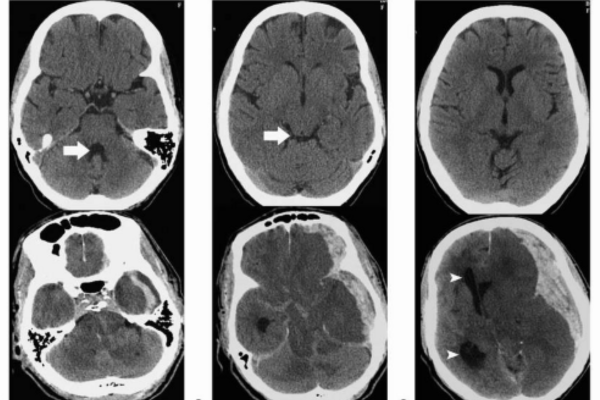
Fundamentals of Neuroradiology

Advanced MRI Techniques
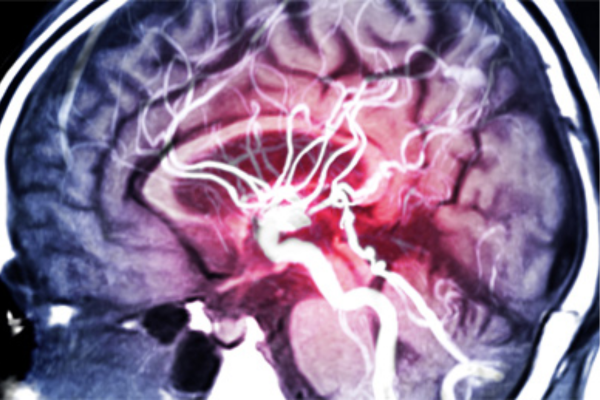
Neurovascular Imaging
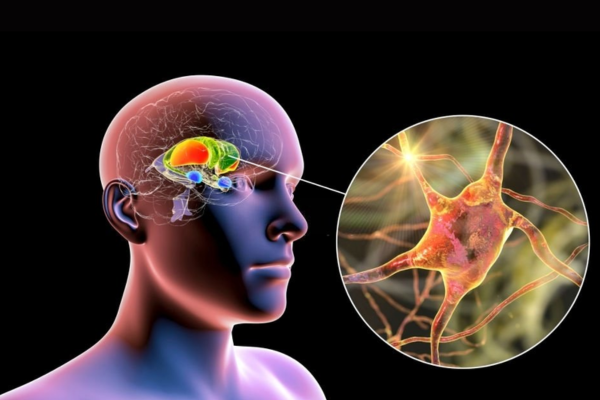
Neurodegenerative Disorders

Tumor Imaging
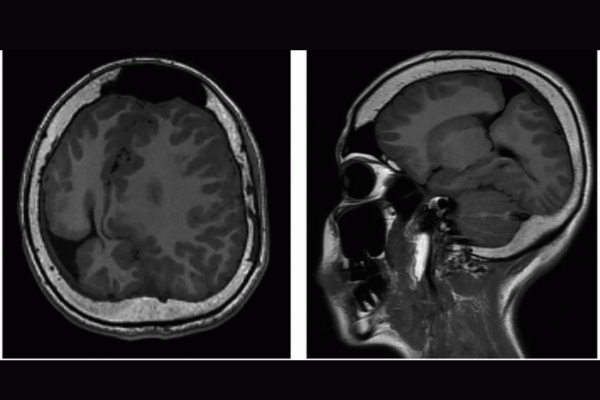
Pediatric Neuroradiology
Key Features
- Attending /Non-Attending Classes
- Clinical Training in Nearest Hospital/Clinics.
- Free Study Material with recorded lectures
- Best Faculties (Super Specialists) of India
5. Library Access & Question & Answer Session
6. NAAC A+ University
7. 1 Year of Mentorship
8. Updated Curriculum
Course Curriculum
- Neuroanatomy of the brain, spine, and head & neck
- Principles of CT, MRI, angiography, and advanced neuroimaging
- Imaging physics, safety, and protocols
- Contrast agents: techniques, safety standards, and 2025 guidelines
- Introduction to structured reporting in neuroradiology
- Stroke imaging: CT perfusion, MRI diffusion, penumbra assessment
- Hemorrhage patterns & neurovascular emergencies
- Brain tumors—classification, grading, and multiparametric MRI
- Infection and inflammation: meningitis, encephalitis, autoimmune disorders
- Neurodegenerative diseases: dementia protocols, volumetry, PET correlation
- fMRI (BOLD imaging), DTI/tractography, MR spectroscopy (MRS)
- Perfusion-weighted imaging (PWI): DSC, DCE, ASL
- Spinal cord tumors and neoplasms
- Functional connectomics and emerging AI-assisted MRI analytics
- Degenerative spine disease and spinal stenosis
- Trauma imaging & spinal injury classification
- Spinal tumors and metastatic disease
- Inflammatory and demyelinating diseases
- Postoperative spine imaging and hardware evaluation
- Sinonasal disease, orbital pathology, skull base lesions
- Head & neck tumors: imaging, staging, and postoperative evaluation
- Temporal bone imaging and otologic disorders
- Dental and maxillofacial imaging principles
- Vascular lesions of the head & neck
- CTA, MRA, DSA interpretation
- Aneurysms, AVMs, vasculitis, venous thrombosis
- Stroke triage: 2025 thrombectomy selection criteria
- Carotid and vertebral artery imaging
- Perfusion and collateral assessment techniques
- Congenital brain malformations
- Pediatric brain tumors and metabolic diseases
- Pediatric spine and trauma imaging
- Neonatal imaging: ultrasound, MRI, hypoxic-ischemic injury
- Radiation safety in children
- Image-guided pain management (spine injections, nerve blocks)
- Lumbar puncture, myelography, cisternography
- Fundamentals of endovascular procedures
- Emergency interventions and workflow simulation
- Post-treatment imaging evaluation
- AI-based image analysis and workflow integration (2025 standards)
- Quantitative imaging and radiomics
- Neuro-oncology imaging biomarkers
- Writing scientific papers and conducting clinical research
- Ethics, documentation, and global data privacy compliance
- Rapid stroke triage imaging protocols (2025 updated guidelines)
- Trauma: brain, spine, and maxillofacial emergency patterns
- Acute infections, encephalitis, and rapid deterioration cases
- Workflow optimization for emergency departments
- Radiology reporting in critical care environments
- MRI protocols for epilepsy (3T & 7T MRI trends)
- Localization imaging: hippocampal sclerosis, cortical dysplasia
- Pre-surgical evaluation using fMRI, PET, SPECT, MEG correlation
- Functional connectivity and seizure network mapping
- Postoperative evaluation of epilepsy surgery
- Imaging biomarkers for tumor progression vs. pseudoprogression
- Radiomics in brain tumor classification
- Advanced perfusion and spectroscopy for gliomas
- Post-treatment imaging: radiation necrosis, immunotherapy effects
- Tumor response imaging using RANO 2025 criteria
- MRI criteria for MS (2025 McDonald updates)
- Differentiating MS from NMOSD, MOGAD, ADEM
- Spinal cord involvement assessment
- Quantitative lesion load analysis and volumetric tools
- Monitoring disease activity and therapy response
- Optic nerve and orbital imaging
- Visual pathway disorders
- Vascular compression syndromes
- Pituitary and skull base lesions affecting vision
- Ocular trauma and emergency imaging
- Brain connectivity networks and default mode network assessment
- Imaging of psychiatric disorders (2025 imaging markers)
- Dementia differentiation: Alzheimer’s, FTD, DLB, vascular
- Quantitative brain volumetry and cortical thickness analysis
- PET-MRI hybrid imaging interpretation
- MRI neurography protocols
- Brachial plexus and lumbosacral plexus imaging
- Peripheral nerve tumors and entrapment syndromes
- Image-guided therapeutic procedures
- Neuropathic pain imaging patterns
- Dual-energy CT for neuro applications
- Ultra-high-resolution CT for skull base and temporal bone
- CT perfusion optimization and artifact reduction
- Radiation dose–reduction strategies (2025 technologies)
- CT angiography pitfalls and advanced reconstructions
- Bedside CT/MRI protocols and portable imaging
- Monitoring cerebral edema, herniation, and intracranial pressure
- Imaging in ECMO, ventilated, and unstable patients
- Post-cardiac arrest encephalopathy imaging
- Critical care decision-making: radiologist’s role
- CNS tuberculosis, neurocysticercosis, and parasitic infections
- Fungal infections and immunocompromised brain imaging
- Emerging 2025 tropical neuroinfections
- Differentiating infectious from inflammatory lesions
- Head & neck infectious complications
- Imaging in hepatic, uremic, and mitochondrial disorders
- Toxic exposures: alcohol, drugs, environmental neurotoxins
- Metabolic disorders in neonates and adults
- Advanced DWI/DTI for metabolic patterns
- Radiologic–clinical correlation strategies
- Preoperative mapping for endoscopic skull base surgery
- Sinonasal tumor staging with AI-assisted planning
- Cranial nerve pathway mapping
- Orbit–sinus–skull base anatomical variants
- Virtual navigation imaging for surgeons
Our Accrediation Partners

Fill Form Our Team Will Contact Soon
Choose medicalglobalacademy as your trusted partner for medical education and elevate your expertise to new heights.
Program Highlights
- Duration: 12 Months
- Type: On-line + Clinical Training Hybrid.
- Focus Areas: Brain, Spine & Head-Neck Imaging
- Mentorship: Expert Neuroradiologists & Imaging Specialists
- Accreditation: CPD UK Certified
- Learning Mode: Flexible, aimed at working professionals.
Program Structure
Phase I: Academic and Theoretical training (Online)
This step is aimed at establishing a solid background in neuroradiology principles and interpretation of images.
Curriculum Focus:
- Correlations between neuroanatomy and imaging.
- MRI & CT imaging techniques
- Physics of imaging and optimization of protocols.
- Structured reporting and diagnostic approach
- Basics of sophisticated neuroimaging.
Learning Components:
- Live interactive classes with faculty of experts.
- Taped lectures to allow flexible access.
- Case-based discussions and clinical reviews.
- Organized learning material and reference materials.
Phase II: Clinical & Imaging Training
This stage focuses on practical training and field-work exposure to diagnosis.
Clinical Training Includes:
- Reading of actual neuroimaging cases.
- Monitored reporting and diagnostic processes.
- High-volume radiology department exposure.
- Involvement in multidisciplinary discussions.
Core Clinical Areas:
- Neuro-oncology imaging and brain tumors.
- Stroke and vascular imaging (MR angiography)
- The neurodegenerative and demyelinating disorders.
- Brain and spinal injuries that are traumatic.
- Pediatric neuroradiology
- Head & neck imaging
Advanced Imaging Exposure
- Students are provided with the field experience in the latest diagnostic methods:
- Functional MRI (fMRI)
- Diffusion Tensor Imaging (DTI)
- MR Spectroscopy
- Perfusion imaging
- Post-operative and spinal imaging examination.
Clinical Training Environment
- The training will take place in the most prominent radiology departments and neuroimaging centers.
- Experience with varied and multifaceted case profiles.
- Liaison with neurosurgeons, neurologists, and oncologists.
- Pay attention to accuracy of reporting, accuracy of reporting, and integration into clinical.
Assessment & Certification
- Evaluation at the end of training.
- MCQ-based evaluation
- Fellowship certification accredited by CPD UK
- Identification was in line with international imaging standards.
Eligibility Criteria
- Radiologists
- Neurologists
- MBBS graduates
- Physicians who are interested in the specialization of neuroimaging.
Career Advancement
- Participants will be able to:
- Independently interpret complicated neuroimaging studies.
- Utilize the latest imaging modalities in clinical practice.
- Enhance the quality of diagnosis and reporting.
- Establish a good career in radiology in hospitals, universities, or diagnostics.
Our top courses
fetal medicine fellowship
fellowship in obstetrics & gynaecology
fellowship in musculoskeletal ultrasound
fellowship in Clinical Cardiology
dermatology fellowship
fellowship in clinical neurology
fellowship in oncology
robotic surgery fellowship
fellowship in internal medicine
Frequently Asked Questions
To apply, visit the course page of your interest and click on the ‘Apply Now’ button. Follow the instructions to complete your application. You may need to submit relevant documents and a resume.
Yes, all our courses are accredited by recognized medical and educational institutions. Details of accreditation can be found on each course page.
Yes, we offer a variety of online courses to provide flexibility for our students. Check the course descriptions for information on whether a course is available online.
You can contact our support team via email at support@medicalglobalacademy.com or call us at [+919310027474]. Our support team is available Monday to Friday from 9 AM to 6 PM.